
Every year, millions of Americans are knocked flat by the flu — aching muscles, soaring fever, crushing fatigue, and a cough that rattles the whole house. If you're searching for remedies for the flu, you've come to the right place. This guide covers everything: what the flu actually is, how it progresses day by day, the most effective natural treatments, the foods and habits that help (and hurt), who faces the greatest risk, and exactly when it's time to call your doctor.
Medical Disclaimer
This article is for informational purposes only and does not constitute medical advice. Always consult a licensed healthcare provider before starting any treatment, especially if you are pregnant, immunocompromised, or managing a chronic condition.

What Is the Flu — and What Isn't?
Influenza (the flu) is a contagious respiratory illness caused by influenza viruses — primarily Types A and B — that infect the nose, throat, and lungs. It is not simply a "bad cold," though the two are often confused. The flu comes on fast and hard, often within hours, and is typically far more severe than the common cold.
What the Flu Is
- A viral infection caused specifically by influenza A, B, or (rarely) C viruses
- Characterized by sudden onset of fever, body aches, chills, and exhaustion
- A respiratory illness affecting primarily the nose, throat, and lungs
- Contagious — spread through respiratory droplets and surface contact
- Preventable with annual vaccination
What the Flu Is NOT:
- The "stomach flu" — This is a common misnomer. Nausea, vomiting, and diarrhea are symptoms of gastroenteritis (usually caused by norovirus or bacteria), not influenza. True influenza rarely causes significant stomach symptoms.
- The Swine Flu ( H1N1) caused by the sub-type of Influenza A.
- The common cold — Colds are caused by rhinoviruses and over 200 other viruses. They come on gradually and are generally milder.
- COVID-19 — Though symptoms overlap significantly, COVID is caused by SARS-CoV-2 and may include loss of smell or taste, which is rare with flu.
- RSV (Respiratory Syncytial Virus) — Particularly dangerous in infants and the elderly, RSV is a separate virus requiring different management.
- Bacterial pneumonia — Bacterial infections require antibiotics; influenza does not respond to antibiotics.
⚠️Important: Antibiotics Do Not Treat the Flu
Because the flu is caused by a virus, antibiotics are completely ineffective against it. Taking antibiotics unnecessarily can cause harmful side effects and contribute to antibiotic resistance. Always confirm your diagnosis with a healthcare provider.
Flu vs. Cold: Key Differences
The flu and the common cold share many symptoms, but their severity, onset, and duration differ significantly. Use this comparison to help distinguish between them.
| Feature | Influenza (Flu) | Common Cold |
| Onset | Sudden — often within hours | Gradual — over 1–3 days |
| Fever | Common; 100–104°F (38–40°C) | Rare or very mild |
| Body Aches | Severe, widespread | Mild or absent |
| Fatigue | Intense; can be debilitating | Mild |
| Headache | Common and often severe | Uncommon |
| Chills | Common and pronounced | Rare |
| Sore Throat | Sometimes | Very common |
| Runny/Stuffy Nose | Sometimes | Very common |
| Cough | Common; can be severe and dry | Mild to moderate |
| Duration | 7–14 days (some symptoms longer) | 3–10 days |
| Complications | Pneumonia, bronchitis, hospitalization | Sinus congestion, ear infection |
| Vaccination Available | Yes | No |
Flu Season: Peak Months & Patterns in the US

While the flu can technically strike any time of year, it follows a predictable seasonal rhythm in the United States. Understanding when flu peaks can help you time your vaccination and take preventive action before exposure.
| Period | Activity Level | Key Notes |
| October – November | Low–Moderate | Season begins; ideal time to get vaccinated |
| December (Holidays) | Rising | Travel and gatherings accelerate spread |
| January – February | Peak | Highest hospitalization and death rates; most regions peak here |
| March – April | Declining | Cases fall but Type B strains may still circulate |
| May – September | Low | Off-season in the US |
Based on CDC surveillance, the 2024–25 flu season peaked between late January and early February 2025, with the Southeast and South Central regions peaking slightly earlier than the Northeast and Midwest. Cold, dry winter air — which helps the virus survive longer — and increased time spent indoors are the primary drivers of seasonal surges.
💉Best Time to Get Your Flu Shot
The CDC recommends getting vaccinated by the end of October each year. It takes approximately two weeks for your immune system to build full protection after the vaccine. Getting vaccinated in September or October gives you the best shield heading into peak season.
The Stages of the Flu: A Day-by-Day Timeline
Understanding how the flu progresses helps you respond faster and smarter. Most people follow a similar arc — though duration and severity vary based on age, health status, and whether antiviral treatment is started early.
Days 0–4 (Before Symptoms)
Stage 1: Incubation Period
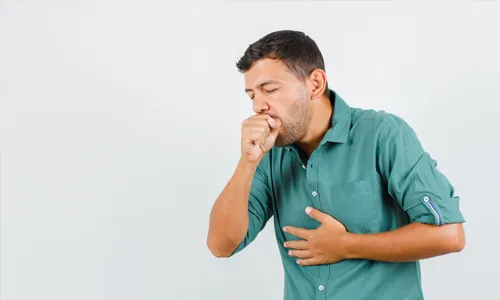
After exposure to the influenza virus — through respiratory droplets from a cough, sneeze, or contaminated surface — the virus enters your respiratory tract and begins replicating silently. You feel completely normal. Flu symptoms usually start about 2 days after exposure, although this can range from 1 to 4 days. Critically, you are already contagious approximately one full day before your first symptom appears. This is one of the primary reasons flu spreads so effectively in offices, schools, and households.
Day 1
Stage 2: Sudden Onset — The Flu Hits

The flu doesn't ease in — it arrives suddenly. The flu typically comes on suddenly, often within a few hours, and peaks quickly. You may start to feel chills or body aches one day and wake up the next morning with a full-blown fever, sore throat, and congestion. Your body has recognized that it has been infected and may start releasing antibodies to fight the virus, triggering inflammation and contributing to fever, headache, chills, body aches, and cough. This is also the ideal window to start antiviral medication (like Tamiflu), which works best within the first 48 hours.
Days 2–3
Stage 3: Peak Illness — The Worst of It

Flu symptoms usually peak and are at their worst on days 2 and 3. You may not feel well enough to get out of bed and should stay home from work or school to recover and avoid spreading the virus to others. The absolute peak time for spreading the virus is usually within the first three to four days of illness. Focus entirely on rest, hydration, and symptom management.
Days 4–6
Stage 4: Plateau & Slow Turn
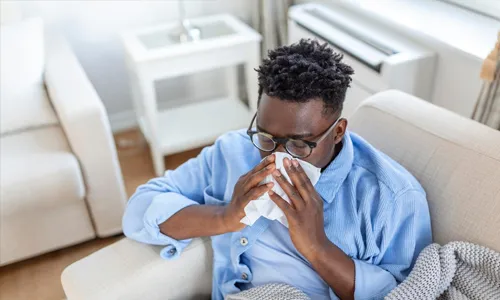
Fever typically breaks around day 4–5 in healthy adults. Body aches begin to ease, but respiratory symptoms — cough, congestion, sore throat — may persist or even worsen temporarily as your airways react to the viral damage. Energy remains low. Appetite may slowly return. You're still contagious at this stage. Continue to stay home and rest.
Days 7–10
Stage 5: Recovery Phase

Most healthy adults begin to feel meaningfully better. The flu typically lasts 7–10 days, with symptoms peaking around days 3–4 and gradually improving after day 5, though mild fatigue or cough may linger. You are generally safe to return to normal activities at least 24 hours after your fever has resolved without the use of fever-reducing medication.
Day 14+
Stage 6: Full Recovery

By two weeks, most people will have fully recovered from the flu, though some symptoms, like cough and tiredness, can last a little longer. Those at high risk — the elderly, young children, pregnant women, and immunocompromised individuals — may take longer and face a greater risk of secondary complications. If you're still significantly unwell after 10–14 days, seek medical evaluation promptly.
🚨Watch for "Biphasic" Illness
A dangerous pattern in some flu cases: a person begins to improve around day 4–5, then suddenly worsens — developing high fever, worsening cough, or difficulty breathing. This "two-phase" pattern may signal a secondary bacterial infection such as pneumonia. Seek medical care immediately if symptoms return or worsen after initial improvement.
Who Is at Risk?
Highest-Risk Groups
- Adults 65 years and older
- Children under 5 years (especially under 2)
- Pregnant women (all trimesters)
- People with asthma or chronic lung disease
- People with diabetes (type 1 or 2)
- People with heart disease or stroke history
- Immunocompromised individuals (HIV, cancer, transplant recipients)
- Residents of long-term care facilities
- People with BMI ≥ 40 (severe obesity)
- Kidney or liver disease
- Neurological conditions (epilepsy, cerebral palsy)
Elevated Risk by Circumstance
- Healthcare workers (frequent exposure)
- Teachers and school staff
- Parents of young children
- Frequent air travelers
- Smokers (damaged airway cilia)
- People under chronic stress
- Sleep-deprived individuals
- People with poor nutritional status
- Unvaccinated individuals of any age
| Risk Factor | Why It Increases Risk | Recommended Action |
| Age 65+ | Immune function naturally declines with age (immunosenescence) | Get a high-dose or adjuvanted flu vaccine annually |
| Pregnancy | Changes to immune, heart, and lung function increase severity | The flu vaccine is safe and recommended during all trimesters |
| Asthma | Flu can trigger severe asthma attacks; airways are already inflamed | Annual vaccination; keep rescue inhaler handy |
| Diabetes | High blood sugar impairs immune cell function; flu worsens glucose control | Annual vaccination; monitor blood sugar closely when sick |
| Heart Disease | The flu increases inflammation and oxygen demand on the cardiovascular system | Annual vaccination is strongly recommended |
| Immunosuppression | The body cannot mount an effective defense against the virus | Annual vaccination; discuss timing with your specialist |
How Does the Flu Spread?
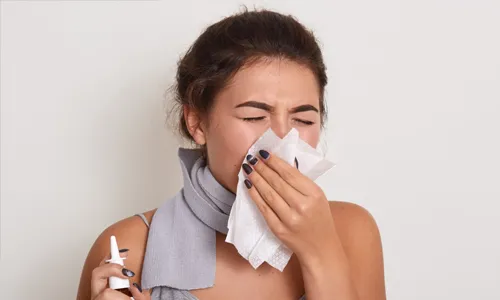
Understanding transmission is essential to preventing flu once you've been exposed. There are three primary routes:
Airborne Droplets
The primary route. Tiny respiratory droplets launched into the air when an infected person coughs, sneezes, or talks. These droplets can travel up to 6 feet and linger in enclosed spaces. Breathing them in is the most common way people catch the flu.
Surface Contact (Fomites)
The flu virus can survive on hard surfaces like doorknobs and countertops for up to 24–48 hours, and on soft surfaces like clothing or tissues for about 8–12 hours. Touching an infected surface and then touching your face can transmit the virus.
Direct Contact
Shaking hands, hugging, or kissing an infected person transfers the virus directly. The virus then enters your body when you touch your eyes, nose, or mouth. Thorough handwashing removes the virus effectively.
How to Stop the Flu From Spreading to You (Even After Exposure)

- Wash hands immediately and frequently — 20 seconds with soap and water is proven effective
- Avoid touching your face — especially eyes, nose, and mouth
- Talk to your doctor about antiviral prophylaxis — Tamiflu (oseltamivir) can sometimes be used preventatively for high-risk individuals after known exposure
- Wear a mask in crowded indoor spaces during flu season
- Disinfect common surfaces in shared spaces
- Get vaccinated immediately — even mid-season vaccination provides meaningful protection
- Prioritize sleep and nutrition — a well-rested, well-nourished immune system responds better to viral exposure
Best Natural Remedies for the Flu

There is no cure for the flu — but the right natural remedies for the flu can significantly reduce severity, shorten duration, and ease discomfort. Here are the most evidence-supported natural treatments:
Hydration — Your #1 Priority
Staying hydrated is crucial when you have the flu, as it helps to keep your nose, mouth, and throat moist and prevents dehydration caused by fever and diarrhea. Water, herbal teas, diluted fruit juices, and electrolyte drinks all count. Aim for pale yellow urine. Avoid caffeine and alcohol.
Rest & Sleep
Getting enough rest and sleep is essential for supporting your immune system, which helps your body fight off the flu virus more effectively. Cancel your schedule, darken the room, and prioritize 8–10 hours. Elevating your head with extra pillows also helps with congestion.
Honey & Lemon Tea
Honey has natural antibacterial properties and can coat and soothe an irritated throat. Combined with lemon, which provides vitamin C, it makes a comforting warm drink. Add both to hot water for a therapeutic and soothing remedy. Note: Never give honey to children under 12 months.
Garlic
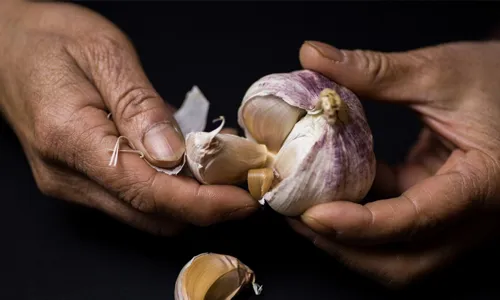
Allicin, garlic's active compound, has demonstrated antiviral and immune-stimulating properties in laboratory studies. Raw or lightly cooked garlic added to food, or garlic tea, may help. Some studies suggest garlic supplements reduce cold and flu incidence and duration.
Ginger
Ginger is known for its anti-inflammatory properties and may help ease sore throats and inflammation. Fresh ginger slices boiled in water make a simple tea, and adding honey can improve both flavor and comfort. It also helps if GI symptoms accompany your flu.
Elderberry (Sambucus nigra)
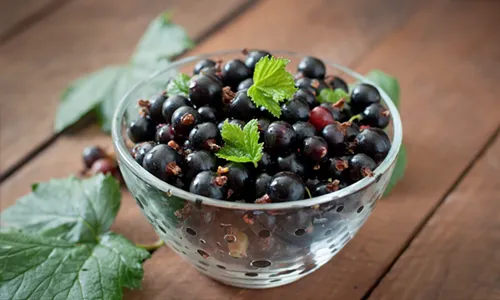
One small study found that a specific formulation of elderberry extract taken four tablespoons a day for 3 days cut the number of symptom days significantly. It appears to work by inhibiting viral replication. Available as syrup, lozenges, or capsules — best started at first signs of illness.
Echinacea
Some studies showed modest benefits from echinacea — a 10–30% reduction in the length and severity of cold and flu symptoms — though results vary, possibly because different varieties of the plant were tested. Most effective when started within the first 3 days.
Zinc
The mineral zinc is important for your immune system. It helps your body make germ-fighting white blood cells, may slow down how fast the flu virus multiplies, and researchers found it may shorten the duration of symptoms. Zinc lozenges or syrup are most effective when started within 24 hours of onset.
Steam Inhalation

Breathing in steam can help relieve nasal congestion and soothe irritated airways. This can be done by inhaling steam from a bowl of hot water or by using a vaporizer. Some people find that adding eucalyptus oil provides additional relief. A cool-mist humidifier in your bedroom helps overnight.
Saltwater Gargle & Nasal Rinse
Gargling with salt water is an effective natural remedy — so much so that it is often recommended by doctors. Simply dissolve salt in warm water and gargle to kill bacteria in the throat and break down unpleasant secretions. If you're at the height of the flu, try to do this every three hours or so.
Chicken Soup

A study published in the journal Chest showed that chicken soup may help with symptoms of upper respiratory tract infections like the flu. The warmth and hydration help soothe the throat and loosen congestion, while the broth, vegetables, and protein provide nutrients that support the immune system during recovery.
Vitamin C
While vitamin C doesn't seem to prevent colds in most people, some studies show it can shorten a cold by as much as a day or so — though other studies show no effect. Citrus fruits, kiwi, bell peppers, and broccoli are excellent natural sources worth incorporating daily.
💊When to Consider Antiviral Medication (Tamiflu / Xofluza)
Flu antiviral drugs work best when started early, ideally within two days after your flu symptoms begin. They can make illness milder, shorten the time you are sick, and might also prevent some flu complications, like pneumonia. They require a prescription — contact your doctor at the first signs of flu if you are in a high-risk group.
How to Treat Flu at Home: A Practical Action Plan
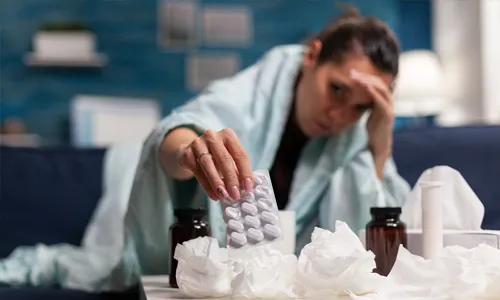
For most healthy adults, the flu can be safely managed at home. Here is a step-by-step approach organized by recovery phase:
Days 1–2: React Fast
- Contact your doctor immediately if you're in a high-risk group — antiviral medication must be started within 48 hours to be most effective
- Stay home from work, school, or public spaces
- Begin hydrating aggressively — a glass of water or herbal tea every hour
- Take OTC fever reducers (acetaminophen or ibuprofen) for fever and body aches per label dosing
- Start honey-lemon tea and elderberry syrup if available
- Set up a comfortable recovery space: dim light, clean sheets, humidifier
Days 3–5: Rest and Manage
- Continue hydration and rest — do not push yourself
- Eat light, nourishing meals: chicken soup, broth, toast, bananas
- Use saline nasal spray or neti pot to clear congestion
- Gargle saltwater 3–4 times daily for sore throat
- Take steam showers to loosen chest congestion
- Monitor for warning signs (see "When to See a Doctor" section)
Days 6–10: Gradual Return
- Slowly reintroduce normal foods as appetite returns
- Light movement (short walks) if energy allows — no strenuous exercise
- Return to work/school only after 24 hours fever-free without medication
- Continue extra sleep and excellent hand hygiene
Foods That Help Prevent & Fight the Flu

What you eat profoundly affects how well your immune system functions. These are the top foods to incorporate for flu prevention and faster recovery.
| Food | Key Nutrients | Benefit | Best Used |
| Citrus Fruits | Vitamin C, flavonoids | Supports white blood cell production; antioxidant | Prevention & Recovery |
| Garlic | Allicin, selenium | Antiviral, antibacterial; immune modulating | Prevention & Recovery |
| Ginger | Gingerols, shogaols | Anti-inflammatory; soothes throat and GI tract | Recovery |
| Green Tea | EGCG catechins, L-theanine | Antiviral; may inhibit flu virus attachment to cells | Prevention & Recovery |
| Elderberries | Anthocyanins, flavonoids | May inhibit viral replication; immune stimulating | Prevention & Recovery |
| Leafy Greens | Vitamins A, C, K; folate; iron | Broad immune support; antioxidant-rich | Prevention & Recovery |
| Chicken Bone Broth | Protein, sodium, potassium, collagen | Hydration; soothes airways; anti-inflammatory | Recovery |
| Sweet Potato | Beta-carotene (Vitamin A), Vitamin C | Vitamin A protects mucous membranes — first line of defense | Prevention |
| Nuts & Seeds (pumpkin, almonds) | Zinc, Vitamin E, magnesium | Zinc critical for immune cell production; Vitamin E antioxidant | Prevention |
| Yogurt (live cultures) | Probiotics (Lactobacillus) | Gut-immune axis; may reduce flu incidence and duration | Prevention & Recovery |
| Dark Chocolate (70%+ cacao) | Theobromine, antioxidants, zinc | Theobromine may help suppress cough; antioxidants support immunity | Recovery (modest) |
| Turmeric | Curcumin | Potent anti-inflammatory; may modulate immune response | Prevention & Recovery |
Foods & Habits That Worsen the Flu

Certain foods and lifestyle patterns actively suppress your immune response or worsen symptoms. Avoid these, especially during flu season and when sick.
Foods to Avoid During Flu
- Alcohol — dehydrates; suppresses immune function; worsens fatigue
- Excess caffeine — diuretic; disrupts sleep; can raise heart rate when feverish
- Sugary foods & drinks — high sugar intake suppresses neutrophil (immune cell) activity for hours after consumption
- Processed & fried foods — promote systemic inflammation, worsening flu symptoms
- Dairy in large amounts — may thicken mucus in some individuals, worsening congestion
- Spicy foods — can further irritate an inflamed throat and sinus passages
- Cold or iced beverages — constrict throat tissues, worsening soreness
Habits That Worsen Flu & Weaken Immunity
- Smoking — damages airway cilia; dramatically increases flu severity and complication risk
- Poor sleep — consistently fewer than 7 hours triples your risk of respiratory illness
- Chronic stress — cortisol chronically suppresses immune function
- Sedentary lifestyle — moderate exercise boosts immunity; total inactivity impairs it
- Not washing hands — surface-to-face transmission is a major flu vector
- Overexercising when sick — strenuous workouts divert immune resources and can worsen illness
- Ignoring symptoms — continuing to work or socialize when symptomatic extends illness and spreads virus
Holiday Flu: Why the Holidays Are a High-Risk Time

The holiday season — from Thanksgiving through New Year's — coincides almost perfectly with the beginning of peak flu season. The combination of biological, behavioral, and environmental factors creates a perfect storm for flu transmission.
| Holiday Risk Factor | Why It Matters | What To Do |
| Air travel & crowded airports | Enclosed, recirculated air; close contact with hundreds of people from different regions | Wear a mask; use hand sanitizer; stay hydrated |
| Large family gatherings | Multi-generational mixing amplifies risk for high-risk individuals (elderly, infants) | Ensure all adults are vaccinated; if symptomatic, stay home |
| Disrupted sleep schedules | Late nights and holiday stress suppress immune function | Protect sleep even during festive periods |
| Overindulgence in food & alcohol | Excess alcohol and sugar both suppress immune response | Moderate alcohol and sugar; prioritize nutrient-dense foods |
| Cold, dry indoor heated air | Dry air desiccates nasal mucous membranes — the first line of flu defense | Run a humidifier; stay hydrated; use saline nasal spray |
| Increased stress | Chronic cortisol elevation suppresses immunity | Practice stress management; set boundaries; prioritize rest |
| Kids home from school | Children are highly efficient flu vectors; mixing with grandparents increases transmission risk | Ensure children are vaccinated; check for symptoms before family visits |
🎄Holiday Travel Tip
CDC surveillance consistently shows a notable uptick in flu activity around the winter holidays, followed by the sharpest surge of the season in January–February. If you're traveling home for the holidays, getting vaccinated before you fly is the single most protective step you can take — for yourself and the loved ones you visit.
Diseases & Complications That Can Arise From the Flu

While most healthy adults recover fully, the flu can trigger or worsen a range of serious medical conditions — particularly in vulnerable populations. This is why the flu should never be dismissed as "just a cold."
| Complication | How Flu Triggers It | Risk Level |
| Bacterial Pneumonia | Flu damages the airway lining, creating an opening for bacteria (Staph, Strep) to colonize the lungs | High — leading cause of flu-related death |
| Viral Pneumonia | The influenza virus itself infects lung tissue directly | High risk in elderly/immunocompromised |
| Myocarditis (Heart Inflammation) | Viral inflammation can spread to the heart muscle | Moderate — more common than previously recognized |
| Worsening Heart Disease | Flu-related inflammation stresses the cardiovascular system; risk of heart attack significantly elevated during infection | High in those with existing heart disease |
| Encephalitis (Brain Inflammation) | Rare but serious; more common in children | Rare but severe |
| Acute Bronchitis | Inflammation of bronchial tubes triggered by viral damage | Very common complication |
| Sinusitis | Swollen and blocked sinus drainage creates environment for bacterial growth | Common |
| Ear Infections (Otitis Media) | Eustachian tube dysfunction allows bacterial migration to middle ear | Common in children |
| Worsening Asthma/COPD | Flu triggers severe exacerbations in those with chronic lung disease | High risk |
| Sepsis | Overwhelming systemic infection response — a life-threatening emergency | Rare but critical |
| Pregnancy Complications | Flu during pregnancy increases risk of preterm birth and low birth weight | High priority to vaccinate |
| Post-Viral Fatigue Syndrome | Prolonged immune activation leaves the body in a depleted state for weeks to months | Moderate — particularly in older adults |
What Other Conditions Can Flu Medicines Help Treat?
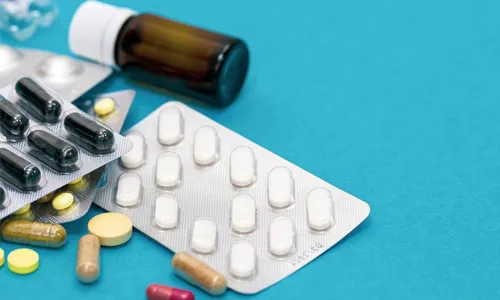
Some medications used to treat influenza have demonstrated benefit — or are under investigation — for other medical conditions. This is an evolving area of research.
| Flu Medication | Primary Use | Other Conditions It May Help | Status |
| Oseltamivir (Tamiflu) | Influenza A & B treatment | H5N1 avian flu; novel influenza strains; studied in H1N1 pandemic response | FDA-approved for flu |
| Baloxavir (Xofluza) | Influenza A & B | Novel influenza strains; pandemic preparedness research | FDA-approved for flu |
| Acetaminophen (Tylenol) | Fever & pain relief in flu | Headache, arthritis, post-vaccination fever, post-surgical pain | OTC |
| Ibuprofen (Advil, Motrin) | Fever & inflammation in flu | Arthritis, dental pain, menstrual cramps, minor injuries | OTC |
| Guaifenesin (Mucinex) | Chest congestion in flu | Bronchitis, chronic cough, COPD exacerbations | OTC |
| Zinc supplements | Immune support during flu/cold | Wound healing, age-related macular degeneration, immune deficiency | OTC Supplement |
| Elderberry extract | Flu/cold duration reduction | General immune support; antioxidant benefits; studied for other viral infections | OTC Supplement |
| Echinacea | Cold & flu prevention/treatment | Upper respiratory infections; some evidence for skin healing and wound support | OTC Supplement |
When to See a Doctor: Warning Signs You Must Not Ignore

🚑Seek Emergency Care Immediately If You Experience: Difficulty breathing or shortness of breath · Persistent chest pain or pressure · Confusion or altered consciousness · Severe persistent vomiting preventing any fluid intake · Seizures · Signs of dehydration (no urination for 8+ hours, dry mouth, no tears) · Bluish lips or face (cyanosis) · Symptoms that improve then suddenly return with fever and worsening cough
📞Call Your Doctor Within 24–48 Hours If: You are in a high-risk group (elderly, pregnant, chronic illness, immunocompromised) · Your fever exceeds 103°F (39.4°C) · Symptoms have lasted more than 10 days without improvement · You have a child under 5 who is seriously ill · You experience ear pain, facial pain (possible sinusitis), or a stiff neck
How Long Does the Flu Last?
| Population Group | Typical Duration | Lingering Symptoms |
| Healthy adults (18–64) | 5–7 days (acute illness) | Cough and fatigue may persist 1–2 more weeks |
| Children (5–17) | 5–10 days | Cough may linger; watch for ear infections |
| Adults 65+ | 7–14 days or longer | Fatigue and weakness may last several weeks; higher complication risk |
| Immunocompromised individuals | Variable; potentially weeks | May shed virus longer; extended contagious period |
| Pregnant women | 7–14 days | Higher severity; monitor for complications |
| Those who started antivirals within 48 hrs | Shortened by 1–2 days on average | Reduced complication risk as well |
People typically recover from the flu within two weeks with proper care, though recovery time varies for each person. Quick action after flu symptoms appear can substantially affect your flu recovery time, with the first 48 hours playing a vital role in reducing both how severe and how long your illness lasts.
Interesting Flu Facts: Quick Reference

| Category | Fact |
| Virus Survival on Surfaces | Up to 48 hours on hard surfaces; 8–12 hours on soft surfaces like clothing |
| Pre-Symptomatic Spread | You can transmit the flu 1 full day before feeling any symptoms |
| Contagious Window | People with the flu can spread the virus to others 1 day before symptoms start and up to 5 to 7 days after becoming ill. |
| Annual US Economic Cost | The flu costs the US economy an estimated $10 billion+ in healthcare and lost productivity annually |
| Pandemic Frequency | True global influenza pandemics occur approximately 3 times per century |
| Mutation Rate | The influenza virus mutates rapidly (antigenic drift), requiring a reformulated vaccine each year |
| Children & Viral Shedding | Children may shed the virus for 10+ days — significantly longer than adults |
| Fever's Purpose | Fever is a strategic immune response: elevated body temperature creates a less hospitable environment for viral replication |
| Handwashing Effectiveness | Thorough handwashing with soap for 20 seconds reduces flu transmission risk by up to 50% |
| Vaccine Effectiveness | Annual flu vaccines reduce flu illness by 40–60% in average years; higher in well-matched seasons |
| 1918 Spanish Flu | The deadliest flu pandemic on record killed an estimated 50–100 million people globally — more than World War I |
| Sneeze Distance | A single sneeze can launch respiratory droplets up to 6 feet; finer aerosol particles travel further in poorly ventilated spaces |
Frequently Asked Questions (FAQs)
Can you stop the flu once you've been exposed?
Once exposed, you cannot guarantee you won't get sick — but you can significantly reduce the odds and severity. Wash your hands thoroughly and immediately. Avoid touching your face. Talk to your doctor about antiviral prophylaxis (preventive Tamiflu) if you are high-risk. Prioritize sleep, hydration, and immune-supporting nutrition. If you haven't been vaccinated yet, getting the flu shot even after exposure (before symptoms develop) may still provide meaningful benefit as your immune system begins to prime its response.
How do I stop flu symptoms immediately?
No remedy stops the flu "immediately," but you can blunt symptoms rapidly: take acetaminophen or ibuprofen for fever and aches; drink hot honey-lemon tea for throat relief; use a saline nasal spray for congestion; take a steamy shower; start zinc lozenges and elderberry syrup. Most importantly, starting antiviral medication within 48 hours can meaningfully shorten illness duration and reduce severity — contact your doctor as soon as symptoms begin, especially if you're in a high-risk group.
Does brown fat produced during the flu help burn calories?
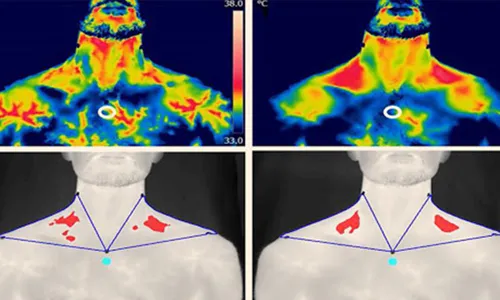
This is a genuinely fascinating area of emerging research. When you're sick with the flu, your body generates heat (thermogenesis) partly through brown adipose tissue (BAT) — commonly known as "brown fat." Unlike white fat, which stores energy, brown fat burns calories to produce heat. Studies have confirmed that fever and immune activation do stimulate brown fat activity, temporarily boosting metabolic rate.
Research has shown that during infection, inflammatory signals can activate brown fat as part of the body's effort to raise core temperature and fight the pathogen. So technically yes — you may burn somewhat more calories during a flu illness, as your immune system and thermogenic tissue work in overdrive.
However, this is not a health benefit to seek out. The caloric burn is modest, the physiological stress is significant, and the risk of serious complications far outweighs any metabolic side effect. Think of brown fat activation during flu as an incidental byproduct of your immune system fighting hard — not a reason to embrace getting sick.
What is the difference between flu A and flu B?
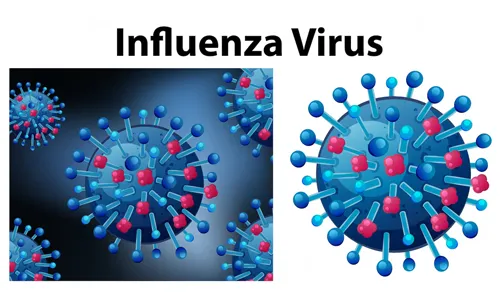
Influenza A tends to cause more severe illness and is responsible for most flu pandemics. It can infect both humans and animals (birds, pigs), which allows for genetic mixing that can produce novel strains. Influenza A is classified by subtypes (e.g., H1N1, H3N2).
Influenza B infects only humans and evolves more slowly. It causes somewhat milder illness on average but can still lead to serious complications, especially in children and the elderly. The annual flu vaccine covers both A and B strains — another reason vaccination is your best first-line defense.
Can you get the flu twice in the same season?
Yes — it is possible, though not common. If you were infected by an influenza A strain early in the season, you could theoretically catch an influenza B strain later (or vice versa). Additionally, multiple subtypes of influenza A can co-circulate in the same season. This is one reason vaccination remains important even after a flu illness — the vaccine protects against multiple strains simultaneously.
what is the best natural way to treat flu at home?
The most evidence-supported natural approaches are: (1) Rest — sleep is genuinely therapeutic and allows your immune system to function optimally; (2) Hydration — maintaining fluid intake prevents dangerous dehydration and keeps airways moist; (3) Honey and ginger tea — soothing and mildly anti-inflammatory; (4) Elderberry extract — modest but consistent evidence for reducing duration when started early; (5) Zinc lozenges — started within 24 hours, may shorten illness; and (6) Steam inhalation and saline rinses — excellent for symptom relief and preventing secondary sinus infections. None of these replaces prescription antiviral medication for high-risk individuals.
is it safe to exercise when I have the flu?
With true influenza — which involves fever, body aches, chills, and fatigue — rest is strongly recommended. Exercising with a fever stresses the heart and cardiovascular system and can worsen illness and prolong recovery. Wait until you have been fever-free for at least 24 hours (without fever-reducing medication) before attempting any physical activity, and return gradually with light movement before resuming normal workouts.
How long does post-flu fatigue last?
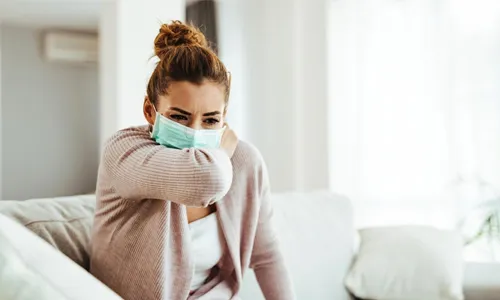
"Post-flu fatigue" is real and medically recognized. After the acute illness resolves, many people — particularly older adults and those who had severe infections — continue to experience significant tiredness, weakness, and difficulty concentrating for 1–3 additional weeks. This occurs because the immune battle depletes physiological reserves and the body needs time to restore them. Prioritizing sleep, nutrition, and gentle movement (not strenuous exercise) supports the fastest recovery. If profound fatigue persists beyond 4–6 weeks without clear improvement, speak with your doctor to rule out post-infectious complications.
Can the flu trigger long-term health conditions?
Emerging evidence suggests severe influenza infections may have longer-term effects in some individuals. Research has linked prior flu infections to elevated risk of cardiovascular events in the weeks following infection. Some studies point to possible links between serious influenza and subsequent neurological or autoimmune effects, though this remains an active research area. This underscores why taking flu prevention seriously matters beyond just avoiding a week of misery — the annual vaccine may offer broader long-term health benefits as well.
The Best Remedies for the Flu Start With Prevention
The single most effective remedy for the flu is one you use before you get sick: the annual flu vaccine. But when flu does strike, you now have a comprehensive toolkit — from proven natural remedies like honey, ginger, elderberry, and zinc, to practical home care strategies, the right foods to eat (and avoid), and a clear understanding of when your symptoms require professional medical attention.
Remember: influenza is more than just a bad cold. It is a serious viral illness that kills tens of thousands of Americans every year and hospitalizes hundreds of thousands more. Respect it, prepare for it, and treat it wisely.