Let’s talk about a real pain in the...well, you know. Kidney stones. Ouch, right? I know, it’s not the most pleasant topic, but it’s a common one. Kidney stones are a common issue, affecting about 1 in 10 people at some point in their lives. That’s a pretty big number! According to recent statistics, nearly 600,000 people in the United States visit emergency rooms each year due to kidney stones. This painful condition can disrupt your life, but the good news is that several effective home remedies can help manage and even prevent kidney stones.
Understanding Kidney Stones
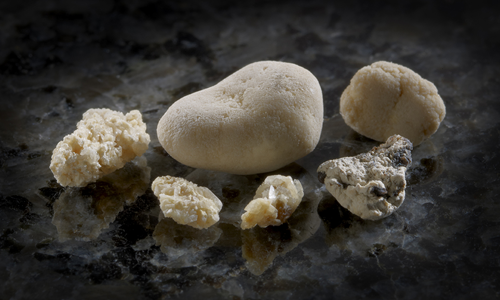
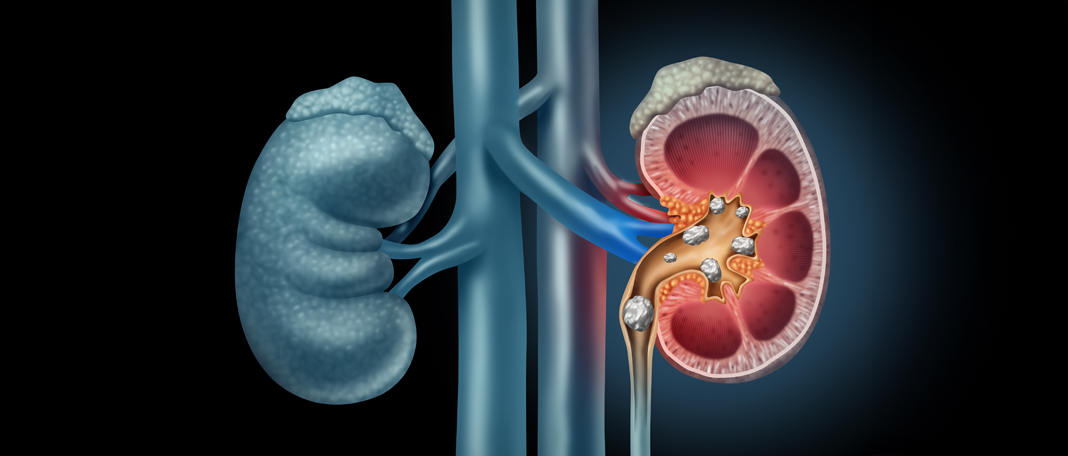
Before we jump into remedies, let's quickly understand what these pesky little things are. Kidney stones are hard deposits made of minerals and salts that form inside your kidneys. They can be as small as a grain of sand or as large as a golf ball. And let me tell you, passing one is no walk in the park.
What Causes Kidney Stones?
Kidney stones form when your urine contains more crystal-forming substances—such as calcium, oxalate, and uric acid—than the fluid in your urine can dilute. Let's dive into the specifics of each type and how they form.
1. Calcium Stones - Calcium Oxalate and Calcium Phosphate
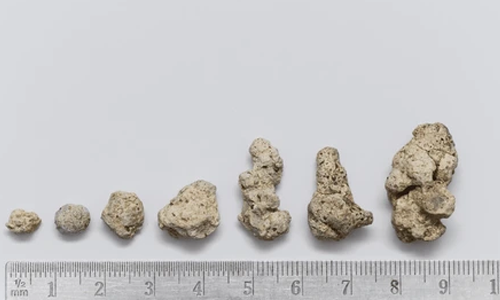
- Calcium Oxalate
The most common type of kidney stone is often caused by high levels of oxalate in the urine. Oxalate is a naturally occurring substance in many foods, including spinach, nuts, and chocolate.
- Calcium Phosphate
It is less common but usually associated with metabolic conditions like renal tubular acidosis and certain medications.
Prevention
- Stay hydrated to dilute substances in the urine.
- Limit intake of oxalate-rich foods.
- Maintain a balanced diet with adequate calcium intake from dietary sources, not supplements.
- Reduce salt intake to lower calcium excretion in urine.
2. Struvite Stones
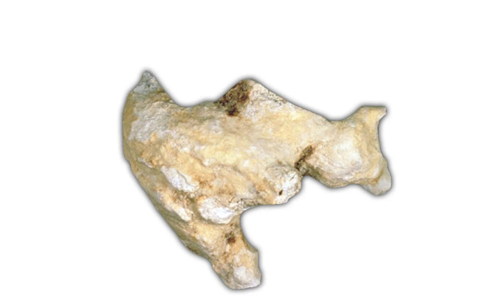
These stones form in response to a urinary tract infection (UTI). The settled bacteria produce ammonia, which combines with magnesium and phosphate in the urine to form struvite stones. It is more common in women due to higher rates of UTIs.
Prevention
- Prompt treatment of UTIs.
- Long-term use of antibiotics to prevent recurrent infections if recommended by a healthcare provider.
3. Uric Acid Stones
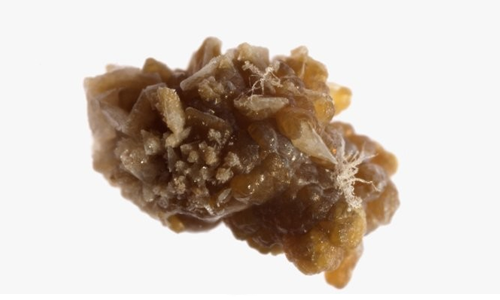
These stones form when urine is too acidic. A high-protein diet can increase uric acid levels, as can conditions like gout and genetic factors. Dehydration and certain metabolic disorders can also contribute to their formation.
Prevention
- Increase fluid intake to dilute urine.
- Reduce consumption of high-purine foods like red meat, shellfish, and alcohol.
- Alkalinize urine through dietary changes or medications as advised by a doctor.
4. Cystine Stones
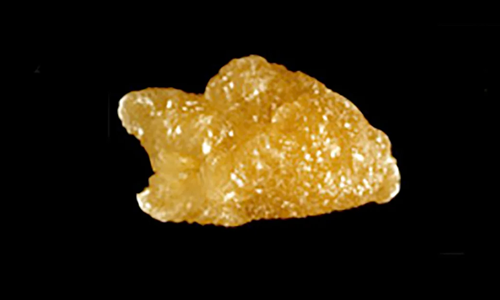
These stones result from a rare genetic disorder called cystinuria, which causes cystine (an amino acid) to leak into the urine and form stones. Both men and women can be affected, often presenting in childhood or adolescence.
Prevention
- Drink plenty of fluids, especially water, to dilute urine.
- Medications to prevent stone formation as prescribed by a healthcare provider.
- Dietary changes to reduce cystine levels in urine.
Kidney Stone Size Chart
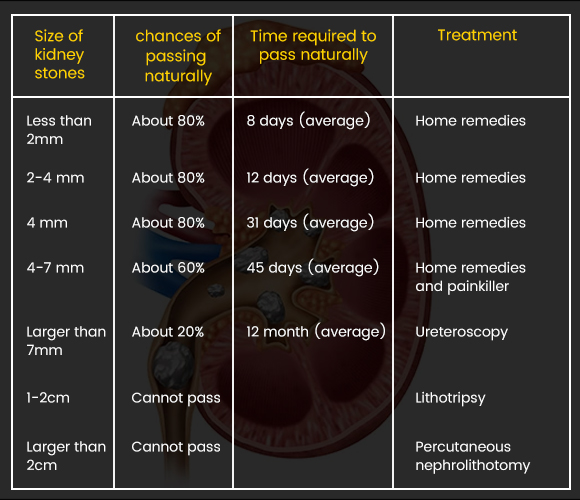
Recognizing the Symptoms of Kidney Stones
You might be wondering how you’ll know if you have a kidney stone. Well, regardless of the type the symptoms can vary, but some common ones include:
- Severe pain in the back, side, lower abdomen, or groin.
- Blood in urine (hematuria).
- Pink, red, or brown urine
- Cloudy or foul-smelling urine
- Nausea and vomiting.
- Frequent urination or an urgent need to urinate.
- Pain during urination.
- Fever
Home Remedies for Kidney Stones
Now, let’s talk about some potential relief. Remember, these are home remedies, they might help only to manage symptoms and to prevent further stone formation. Always consult your doctor for proper diagnosis and treatment.
1. Hydration is Key

You’ve probably heard this a million times, but it's true: water is your best friend when it comes to kidney stones. Drinking plenty of water helps flush out your system and can prevent stones from forming. Aim for at least 8-10 glasses a day, but more might be needed depending on your situation.
2. Lemon Juice and Olive Oil
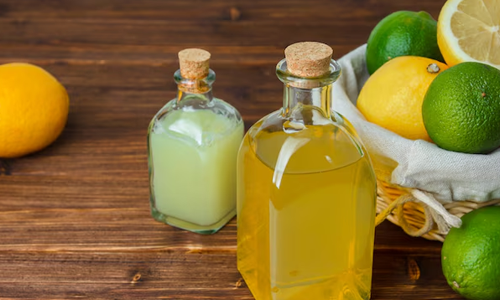
A popular home remedy involves mixing 4 ounces of freshly squeezed lemon juice with an equal amount of olive oil. Lemons contain citrate, which can help prevent calcium stones from forming, while olive oil helps to lubricate the urinary tract.
3. Apple Cider Vinegar
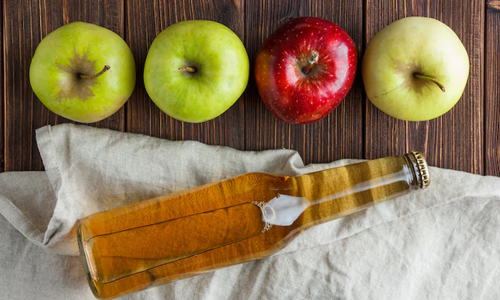
Apple cider vinegar is another popular choice. It contains acetic acid, which might help break down kidney stones. Mix two tablespoons of apple cider vinegar with 6-8 ounces of water and drink it throughout the day. However, there's limited scientific evidence to support this claim.
4. Dietary Changes
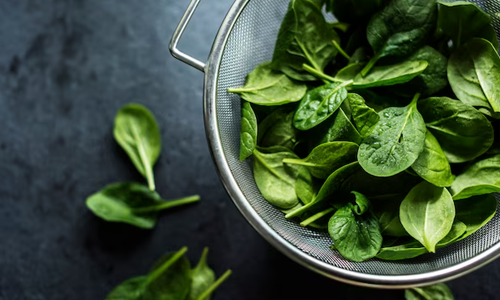
Adjusting your diet can make a significant difference. You must reduce your intake of oxalate-rich foods like spinach, nuts, and tea. Always balance your diet with calcium-rich foods, which can help bind oxalate in the intestines and prevent stone formation.
5. Herbal Remedies
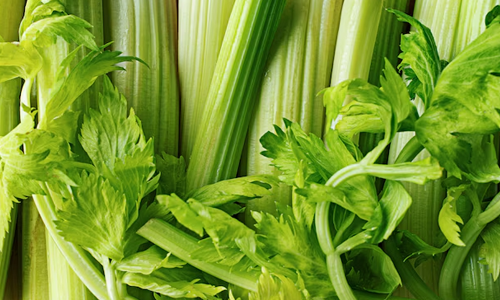
Certain herbs, like basil and celery, are believed to support kidney health. Basil juice, for example, contains acetic acid, which helps to break down kidney stones and reduce pain. Celery juice is a natural diuretic that can help flush out the body.
6. Pomegranate Juice

Pomegranate juice is not only delicious but also beneficial for kidney stones. It improves overall kidney function and can help prevent stone formation.
Important Considerations
Before trying any home remedies, it’s essential to talk to your doctor. They can help determine the type of kidney stone you have and recommend the best course of action. And remember, If your symptoms worsen or if you experience severe pain, seek medical attention immediately.
Associated Kidney Diseases Due to Kidney Stones
Okay, so we've talked about kidney stones and effective home remedies to clear them. But did you know they can lead to a cascade of other kidney-related problems if not properly managed? Understanding these associated kidney diseases is crucial for preventing further complications and maintaining overall kidney health.
1. Chronic Kidney Disease (CKD)
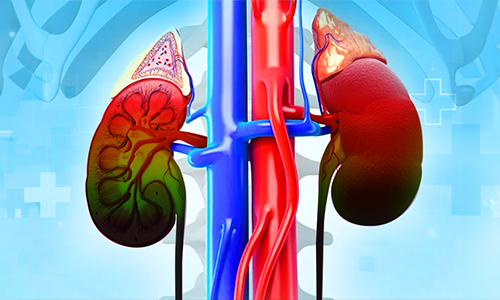
It is a long-term condition where the kidneys do not function properly. CKD can progress over time, leading to kidney failure.
How are Kidney Stones Connected?
Frequent or severe kidney stones can cause persistent damage to the kidneys, leading to scarring and reduced function. Recurrent stones can cause blockages and infections, both of which are risk factors for CKD.
2. Acute Kidney Injury (AKI)
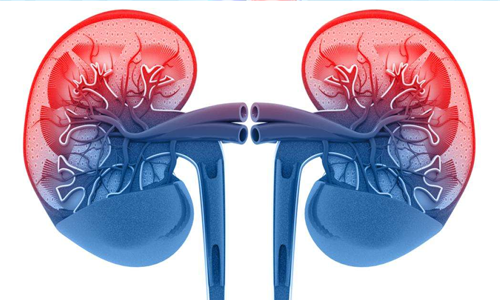
It is a sudden episode of kidney failure or kidney damage that occurs within a few hours or days. AKI causes waste products to build up in the blood and can be fatal if not treated promptly.
How are Kidney Stones Connected?
Kidney stones can obstruct the flow of urine, leading to a build-up of pressure in the kidneys and causing AKI. The condition can develop rapidly, especially if a stone blocks both kidneys or a single functioning kidney.
3. Urinary Tract Infections (UTIs)
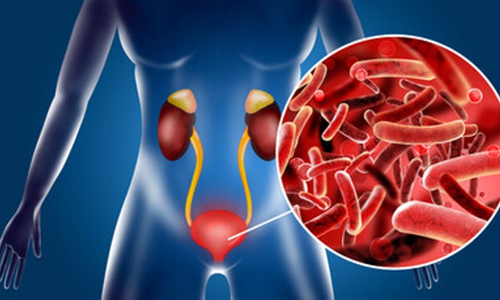
UTIs are infections that affect any part of the urinary system, including the kidneys, bladder, and urethra.
How are Kidney Stones Connected?
Kidney stones can create an environment conducive to bacterial growth, leading to UTIs. The stones can obstruct the flow of urine, causing it to back up and become infected.
4. Hydronephrosis
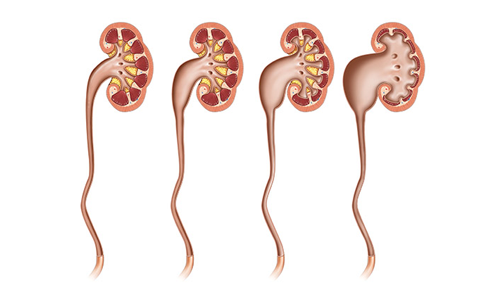
It is the swelling of a kidney due to a build-up of urine. It occurs when urine cannot drain out from the kidney to the bladder due to an obstruction.
How are Kidney Stones Connected?
Kidney stones can block the ureters (the tubes connecting the kidneys to the bladder), causing urine to back up into the kidneys and leading to hydronephrosis.
5. Pyelonephritis
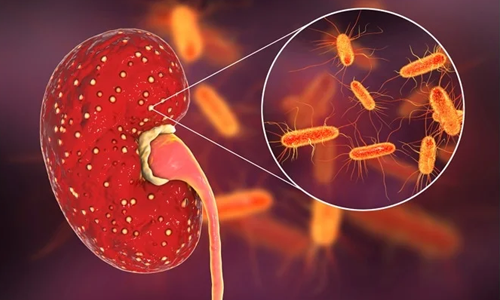
Pyelonephritis is a type of urinary tract infection that has reached the kidneys. It can be serious and requires prompt treatment.
How are Kidney Stones Connected?
Kidney stones can block the urinary tract and create an environment for bacteria to flourish, leading to pyelonephritis.
Don't stress too much about kidney diseases—by focusing on kidney health, you can stay vibrant and well. Maintaining your kidneys is key to overall wellness. Stay tuned as I share valuable tips on how a nutritious diet can help keep your kidneys in top shape and enhance your overall health!
For a Healthy Kidney
Our kidneys are vital organs that play a crucial role in filtering waste, balancing fluids, and maintaining overall health. Keeping your kidneys healthy is essential, and one of the best ways to do that is through a nutritious diet. But what foods should you include, and which should you avoid? Let’s know about them in detail.
Best Diet Plan for Healthy Kidneys
Just like any other organ, your kidneys love good food. Here are some nutrient-packed options to keep them happy:
1. Add Leafy Greens to Your Meals
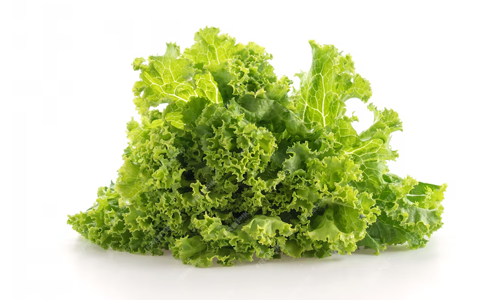
How often do you include these greens in your meals? Spinach, kale, and Swiss chard are packed with vitamins and minerals that benefit your kidneys. They are rich in antioxidants and help reduce inflammation.
2. Add Berries to Your Snack

Berries like strawberries, blueberries, and raspberries are excellent choices. They are high in antioxidants, which protect your kidneys from damage. What’s your favorite way to enjoy berries? In smoothies, salads, or as a snack?
3. Start Eating Fish Twice a Week
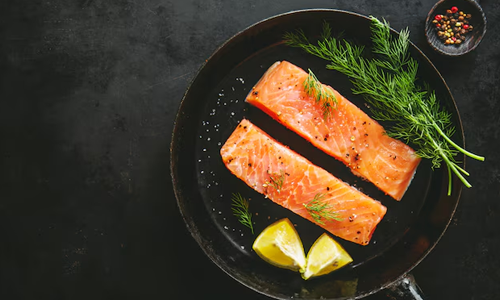
Do you eat fish regularly? If not, try incorporating it into your diet at least twice a week. Fish such as salmon, mackerel, and sardines are rich in omega-3 fatty acids, which support overall kidney function.
4. Boost Your Kidney with Garlic
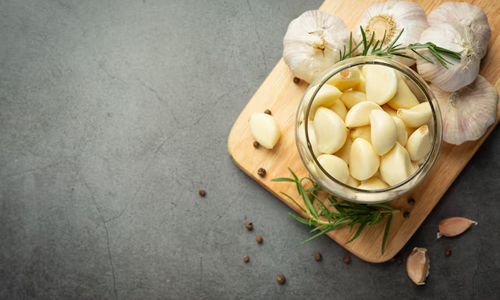
Do you like cooking with garlic? It’s a simple way to boost your meals’ health benefits. It can reduce blood pressure, benefiting kidney health.
5. Drizzle Olive Oil on Your Dishes
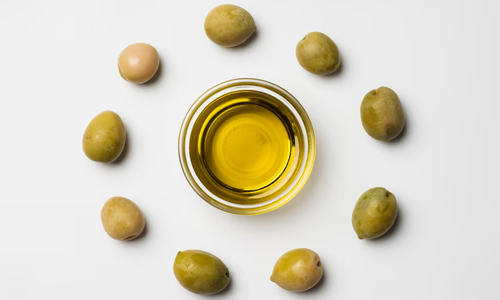
Have you tried cooking in olive oil? It’s a small change with big benefits. It is a healthy fat that can improve kidney function. You can also use it as a salad dressing.
6. Enjoy Apples Daily
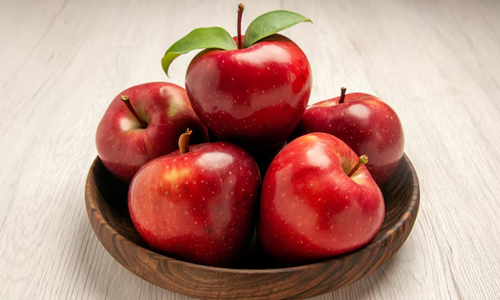
An apple a day keeps the doctor away, especially when it comes to kidney health. Apples are high in fiber. Do you enjoy apples as a snack? They’re easy to carry and deliciously nutritious.
7. Refresh with Watermelon
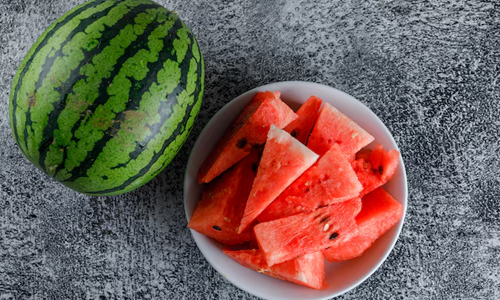
This juicy fruit is packed with water, which helps flush out your system. Plus, it contains citrulline, an amino acid that might help prevent stone formation.
8. Revitalize with Citrus Fruits
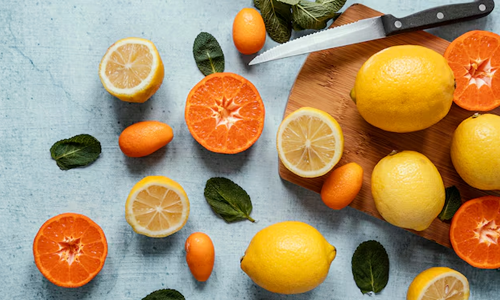
Lemons, limes, oranges – they all contain citrate, which can help prevent calcium stones. Squeeze some fresh juice into your water for a refreshing and kidney-friendly drink.
9. Choose Low-Fat Dairy for a Balanced Diet
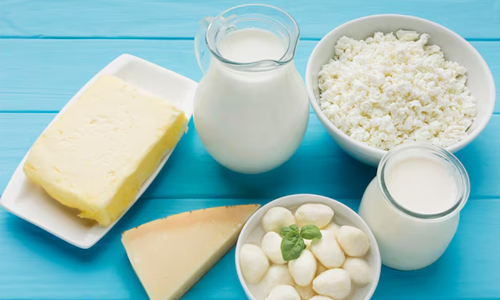
Don't shy away from milk, yogurt, and cheese. Calcium from dairy can actually help prevent some types of kidney stones.
Remember: It's always a good idea to talk to a registered dietitian to create a personalized meal plan.
Foods to Avoid for Kidney Health
While some foods are your kidneys' best friends, others can be troublemakers. Let's talk about the foods to limit or avoid:
1. High-Sodium Foods
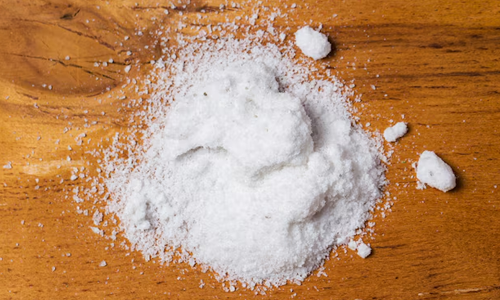
Do you check labels for sodium content? It’s a good habit to develop. Excessive salt can strain your kidneys and increase your risk of kidney disease.
2. High-Oxalate Foods
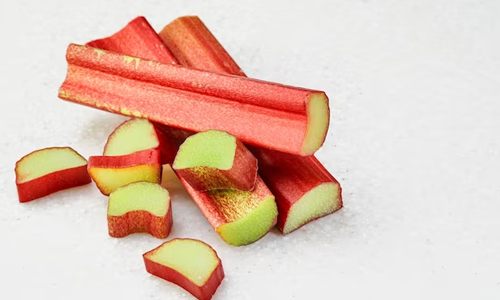
Foods like rhubarb and chocolate are high in oxalate, a substance that can contribute to kidney stone formation. But don't panic! You don't have to eliminate them. Moderation is key.
3. Red Meat
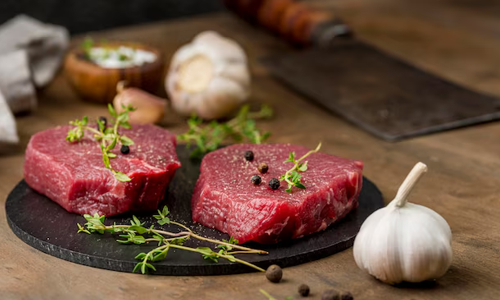
How often do you eat red meat? Reducing it can significantly benefit your kidneys. High consumption of red meat can lead to kidney damage due to its high protein and saturated fat content. Try to limit your intake and opt for lean meats or plant-based proteins.
4. Processed Foods

Do you often find yourself reaching for convenience foods? Try swapping them for fresh, whole foods instead. Processed foods often contain high levels of sodium, sugar, and unhealthy fats, all of which can harm your kidneys.
5. Sugary Drinks

Are you a soda drinker? Switching to water or herbal teas can make a big difference. Sodas and other sugary drinks can increase your risk of kidney stones and contribute to kidney damage.
6. Caffeine

How many caffeinated drinks do you consume daily? Cutting back can help your kidneys. Too much caffeine can lead to dehydration and kidney strain. It’s okay to enjoy your morning coffee,
Do you have any questions about kidney-friendly foods? Or perhaps you've tried certain dietary changes to help prevent kidney stones? Share your experiences!
Final Thoughts
Kidney stones can be incredibly painful, but with the right approach, they can be managed and even prevented. By staying hydrated, making dietary changes, and incorporating some of these home remedies, you can support your kidney health and reduce the likelihood of developing stones.
FAQ:
1. What is the best treatment for kidney stones?
The best treatment for kidney stones involves staying hydrated, taking pain relievers, and possibly undergoing medical procedures like shock wave therapy or surgery to break or remove the stones.
2. What foods cause kidney stones?
Foods high in oxalates like spinach, beets, and nuts, as well as excessive salt and high-protein diets, can cause kidney stones. Sugary drinks and high-sugar foods also increase the risk.
3. What dissolves kidney stones fast?
Drinking lots of water, consuming lemon juice or apple cider vinegar, and using prescribed medications like potassium citrate can help dissolve kidney stones quickly.
4. Is milk bad for kidney stones?
Milk isn't bad for kidney stones and can help prevent them. Calcium in milk binds with oxalates in the gut, reducing their absorption and lowering the risk of stones.
5. How long do kidney stones last?
Kidney stones can last from a few days to several weeks. Small stones may pass within a week, while larger ones might need medical intervention to remove.