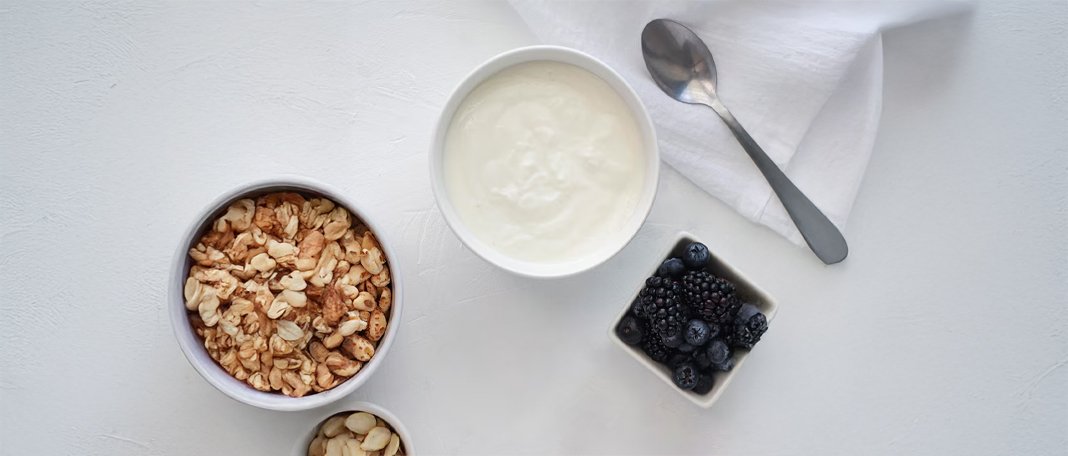
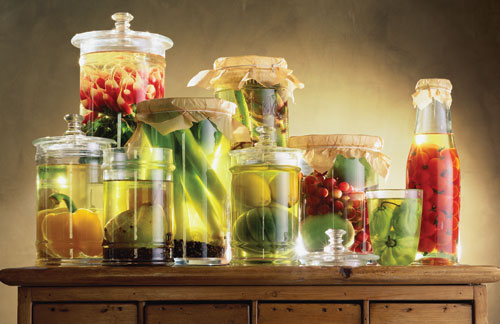
Ever noticed how sauerkraut, kimchi, or even plain old yogurt seems to pop up in every gut-health conversation? That’s because fermented foods are no longer just a trend—they’re a wellness staple. These foods have been around for centuries, but only now are we truly beginning to understand their incredible impact on digestion, immunity, and overall well-being.
What Are Fermented Foods?
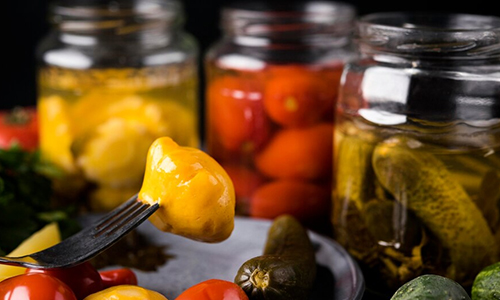
Fermented foods are basically foods that have been through a natural process where good bacteria (or sometimes yeasts) break down sugars and starches. Sounds a little science-y, right? But it’s how we get delicious things like yogurt, kimchi, sauerkraut, miso, kefir, and even sourdough bread. This process, known as fermentation, not only helps preserve food but also enhances its taste and nutritional value.
Best Fermented Food List
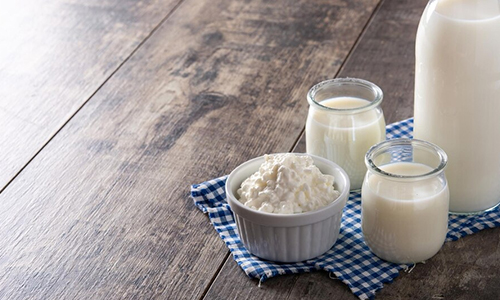
If you're new to fermented foods, here’s a list to get you started:
- Yogurt
- Kefir
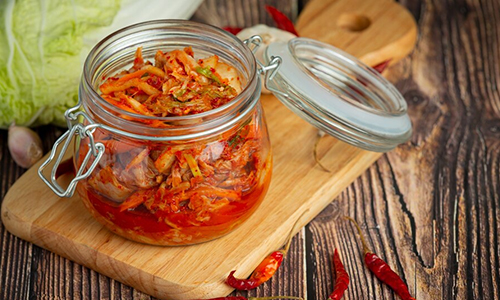
- Kimchi
- Sauerkraut
- Miso
- Tempeh
- Kombucha
- Pickles (fermented, not vinegar-based!)
- Sourdough bread
- Fermented soy (like natto)
They’re found across different cuisines—Koreans swear by kimchi, Japanese love miso, and we all know someone who’s obsessed with kombucha.
Benefits of Fermented Vegetables
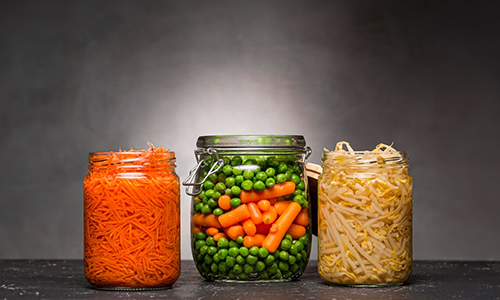
Let’s give a special shout-out to fermented vegetables. Not only are they tangy and flavorful, but they also:
- Boost your gut health (hello, probiotics!)
- Improve digestion
- Support a strong immune system
- Contain higher levels of certain vitamins like B and K2
- Reduce bloating (yes, really!)
5 Reasons to Eat More Fermented Food
They’re Great for Your Gut
Fermented foods are rich in probiotics—those friendly bacteria that keep your digestive system running smoothly. Think of them as your gut’s cheerleaders.
They Boost Immunity
About 70% of your immune system lives in your gut. When your gut is happy, your body fights off illnesses better.
Better Nutrient Absorption
Fermentation breaks down anti-nutrients, making it easier for your body to absorb minerals and vitamins.
Improved Mood and Mental Health
There’s a direct link between your gut and brain. Some studies suggest probiotics can help with anxiety, stress, and even depression.
Natural Preservation & Flavor
Fermented foods last longer without artificial preservatives—and they taste amazing too!
What Is the Best Time to Eat Fermented Foods?
There’s no strict rule, but many nutritionists recommend having fermented foods with meals to aid digestion. A spoonful of sauerkraut with lunch or a cup of yogurt in the morning? Perfect!
What Is the Fermentation Process and How to Do It Easily at Home
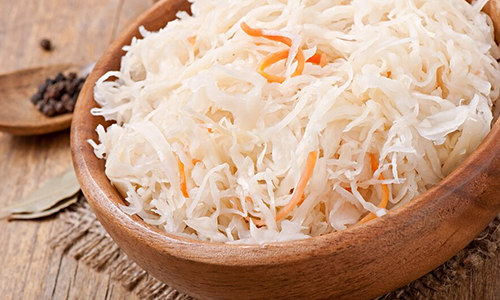
Fermentation may sound intimidating, but it’s surprisingly easy. All you need is salt, water, vegetables, and time. For example:
- Chop up cabbage
- Massage it with salt until it gets watery
- Pack it tightly in a jar
- Leave it at room temperature for a week or two
- And voilà—homemade sauerkraut!
What Are the Dangers?
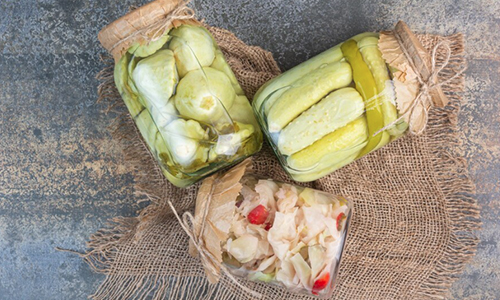
Fermented foods are usually safe, but:
- Too much too soon can upset your stomach
- Homemade versions can get contaminated if not handled properly
- Some contain high levels of sodium
- So always start small and buy from trusted sources (or follow hygiene strictly if making your own).
Who Should Not Eat Fermented Foods?
People with histamine intolerance, certain autoimmune conditions, or digestive issues like IBS might need to limit or avoid fermented foods. If you’re unsure, talk to your healthcare provider before making them a daily habit.
FAQs
Why are fermented foods so popular?
They’re a win-win—tasty, gut-friendly, and natural. With growing interest in gut health, fermented foods are having a major moment.
What is fermented food good for health?
Fermented foods promote healthy digestion, stronger immunity, and better absorption of nutrients.
Why is fermented food bad for you?
While generally healthy, too much fermented food can cause bloating or digestive discomfort, especially for first-timers. Also, high sodium levels may be a concern.
Why do fermented foods last longer?
The natural acids and probiotics formed during fermentation act as preservatives, keeping harmful bacteria away.
Should you eat fermented food every day?
Yes, but in moderation. A small portion daily is usually safe and beneficial—just listen to your body.
What eatable is easy to ferment?
Cabbage (for sauerkraut), yogurt, and cucumbers (for pickles) are great starters. They’re beginner-friendly and don’t need fancy equipment.
Whether you’re just testing the waters or already fermenting at home, adding a bit of fermented goodness to your plate might just be the gut-loving change your body has been waiting for!