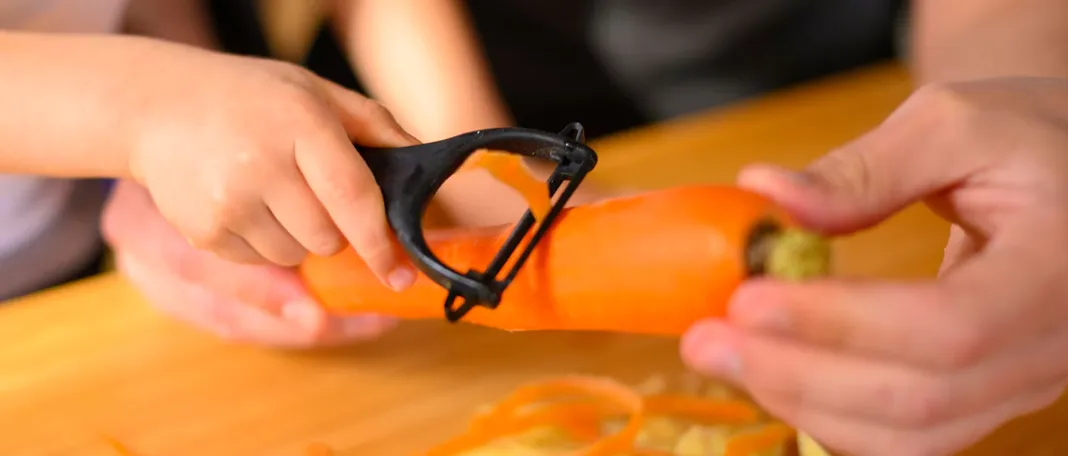
Peeling fruits and vegetables feels like the “clean” thing to do. Many of us were taught that the skin is dirty, bitter, or unnecessary.
But here’s the quiet truth.
For several everyday foods, the skin is where the nutrition lives.
When you peel them, you are not just removing texture; you are also removing the protective layer. You often throw away fiber, antioxidants, vitamins, and gut-supporting compounds that your body actually needs.
Let’s talk about vegetables you should never peel, and a few fruits that belong on that list, too.
1. Potatoes
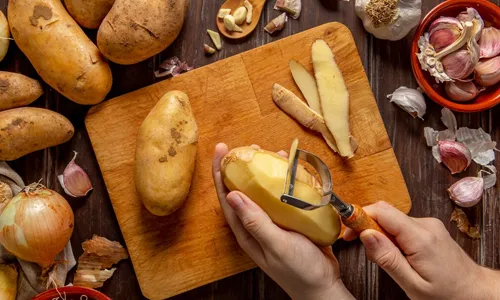
Potato skin is rich in fiber, potassium, iron, and vitamin C.
Most of the potato’s antioxidants sit just under the skin. When you peel it, you remove nutrients that help with digestion, blood pressure, and satiety.
Wash well. Cook with the skin on whenever possible.
2. Carrots
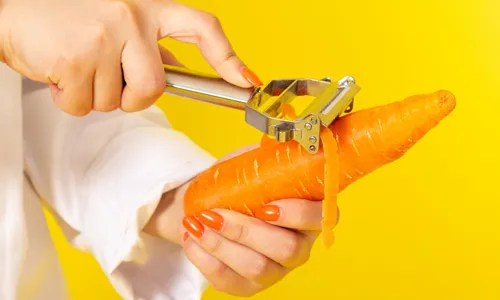
Carrot skins contain phytonutrients that support eye health and immunity.
Peeling removes fiber that slows sugar absorption and supports gut bacteria. A good scrub is enough. Peeling is optional, not necessary.
3. Cucumbers
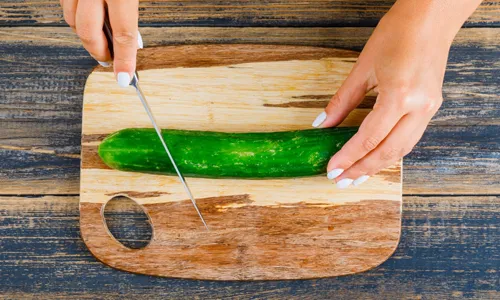
Cucumber skin is loaded with fiber, vitamin K, and antioxidants.
Removing it makes cucumbers mostly water. Keeping the peel helps digestion and supports skin and bone health.
If bitterness is an issue, choose smaller cucumbers instead of peeling.
4. Apples
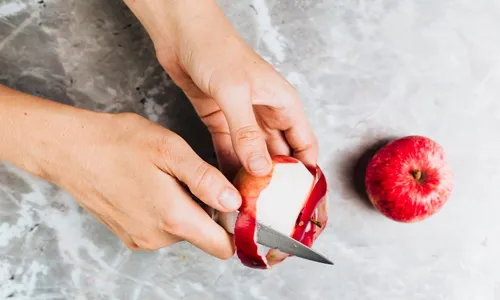
Apple skin contains quercetin, a powerful antioxidant that supports brain and heart health.
Most of the fiber in an apple lives in the peel. Without it, apples spike blood sugar faster and feel less filling.
Wash thoroughly and eat whole.
5. Eggplant
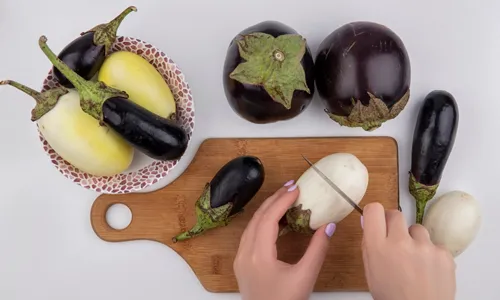
Eggplant skin is rich in nasunin, an antioxidant that protects brain cells.
Peeling removes compounds that help fight inflammation and oxidative stress. The skin also adds fiber that supports digestion.
Cook it well if texture bothers you, but don’t peel it away.
6. Zucchini
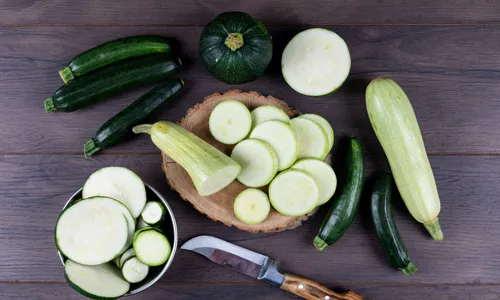
Zucchini peel contains vitamin C, potassium, and fiber.
Once peeled, zucchini loses much of its nutritional value. The skin also helps keep blood sugar steady after meals.
A quick rinse is all it needs.
7. Pears
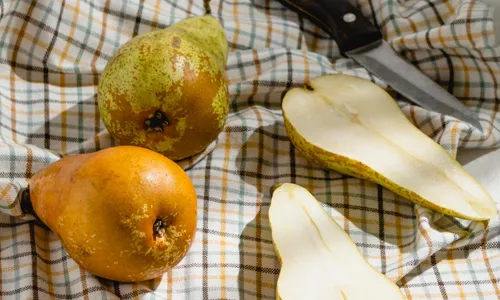
Like apples, pears store most of their fiber and antioxidants in the skin.
Peeling pears removes compounds that support gut health and reduce inflammation. The skin also helps you feel full longer.
Why Peeling Became a Habit
Peeling started as a hygiene habit when food washing was less reliable.
Today, with proper washing, peeling is often unnecessary. In many cases, it reduces nutritional value rather than improving safety.
The key is cleaning properly, not peeling automatically.
How to Eat Skins Safely
- Wash produce under running water
- Scrub firm vegetables with a brush
- Avoid soaking for long periods
- Buy organic when possible for thin-skinned produce
Your body benefits when you keep the food closer to how nature made it.
Frequently Asked Questions
Why should you not peel vegetables?
Peeling removes fiber, antioxidants, and vitamins concentrated in the skin.
Are vegetable peels safe to eat?
Yes, when washed properly, most peels are safe and nutritious.
Which vegetables lose nutrition when peeled?
Potatoes, carrots, cucumbers, and zucchini lose significant nutrients when peeled.
Do fruit skins help digestion?
Yes, they provide fiber that supports gut health and regular digestion.
Should I peel vegetables if I have digestion issues?
Not always. Cooking skins well often makes them easier to digest.
Is it okay to eat vegetable skins daily?
Yes, as long as produce is washed properly.
Do peels contain pesticides?
They can. Washing thoroughly and choosing organic reduces exposure.
Is peeling ever necessary?
Yes, for tough or inedible skins like onions or garlic.
Peeling feels neat, but nutrition isn’t always neat. Sometimes the healthiest choice is the simplest one. Wash well. Cook smart. And let your food keep its skin.