

Have you ever walked away from a conversation and wondered, “Did I really show up for them the way they needed me to?” You’re not alone. In our busy lives, we might unintentionally end up being a bad friend without realizing it. This isn’t about guilt — it’s about growth. Recognizing the gaps in how we show up for our friends is a big part of nurturing both our friendships and our own mental well-being.
Let’s talk honestly about the 4 subtle signs that could mean it’s time for a friendship check-in.
1. You Talk More Than You Listen

We all need to vent sometimes — but if your conversations always feel one-sided, it might be time to pause. A friend of mine once said, “I feel like I’m always your audience, not your friend.” That stung — but it helped me realize how much I interrupted or redirected conversations to myself.
Solution: Next time your friend shares something, resist the urge to chime in with your experience. Try saying, “That sounds really tough — want to talk more about it?” Listening is powerful.
2. You Disappear When Things Get Hard
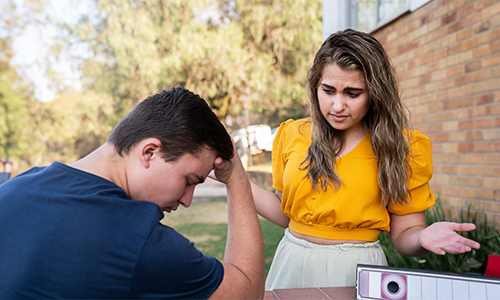
Friendship isn’t just brunches and birthday texts. It’s showing up during job losses, breakups, or even silent struggles. If you tend to back off when a friend is going through a rough patch — maybe because you feel uncomfortable or unsure what to say — you’re not alone. But silence can feel like abandonment.
What Helps: Even a simple message like, “I’m here when you’re ready to talk,” can mean everything. You don’t need the right words — you just need to show up.
3. You Make Everything About You
Your friend shares something important — and before they’ve finished, you jump in with your story. It's easy to do. I once caught myself saying, “That reminds me of when I...” — and realized I’d completely derailed their moment.
Tip: Practice being emotionally present. Ask yourself: “Is this about supporting them, or sharing about me?” Your story can wait — theirs deserves the spotlight right now.
4. You Dismiss or Minimize Their Feelings
Phrases like “It’s not that bad,” or “You’re overthinking it,” might be well-meaning. But they can make someone feel unseen. Mental well-being thrives on validation — not minimization.
What a Therapist Might Say: Instead of jumping to solutions, acknowledge emotions. Try saying, “That sounds really overwhelming. I get why you're feeling this way.”
Why This Matters for Mental Health

Being a bad friend — even unintentionally — can strain both your own emotional health and that of your loved ones. Human connection is vital for mental well-being. Reflecting on our role in friendships can lead to stronger relationships, deeper empathy, and better mental health for everyone involved.
What People Often Ask About Friendship & Mental Wellness
Editor's Note: Thank you for the overwhelming response to this article! We've received dozens of emails and messages from readers asking thoughtful questions about friendships, boundaries, and whether certain behaviors make them a "bad friend." While every friendship is unique, we've summarized the most common questions below to provide additional guidance. We hope these answers help you build healthier, stronger, and more meaningful relationships.
Can being a bad friend affect my mental health?
Yes. Guilt, disconnection, and poor communication can lead to anxiety, loneliness, or self-doubt. Healthy friendships are crucial to emotional balance.
How do I apologize if I’ve hurt a friend?
Be direct but empathetic. Try: “I’ve realized I haven’t been the best listener lately. I’m really sorry and I’m working on being better.” Honest conversations rebuild trust.
What are signs of a healthy friendship?
Mutual respect, open communication, boundaries, and consistent support. You both feel heard, valued, and emotionally safe.
Should I walk away from toxic friendships instead?
If efforts to grow aren’t mutual, or if the friendship harms your mental health, it’s okay to set boundaries or let go.
Does making mistakes mean you're a bad friend?
Not at all. Every friendship goes through ups and downs. What matters is whether you're willing to acknowledge your mistakes, apologize sincerely, and make an effort to improve. A good friend isn't someone who's perfect but someone who cares enough to grow.
Can a good friendship survive poor communication?
Yes, but only if both people are willing to work on it. Honest conversations, active listening, and mutual respect often help repair misunderstandings before they become permanent problems.
Is it okay to say no to a friend?
Absolutely. Healthy friendships respect personal boundaries. Saying no when you're overwhelmed, busy, or uncomfortable doesn't make you a bad friend. In fact, setting healthy boundaries often strengthens relationships.
What should I do if I realize I've been a bad friend?
Start by reflecting on your behavior. If you've hurt someone, acknowledge it without making excuses. Offer a genuine apology, ask how you can make things right, and give your friend time if they need space. Consistent actions matter more than promises.
Why do friendships change over time?
People grow, priorities shift, careers become demanding, and families expand. Change doesn't always mean a friendship has failed. Staying connected often requires more intentional effort as life evolves.
How do I know if my friendship has become one-sided?
Ask yourself whether support, communication, and effort flow both ways. If one person consistently initiates conversations, offers help, or makes sacrifices while the other rarely reciprocates, it may be time to have an honest conversation.
Can social media affect friendships?
Yes. Constant comparison, misunderstandings through text, or expecting instant replies can create unnecessary tension. Real friendships are built on trust and communication, not likes or streaks.
Is it normal to outgrow a friendship?
Yes. Not every friendship is meant to last forever. Sometimes people grow in different directions, and that's a natural part of life. Ending or distancing yourself from a friendship doesn't automatically make either person "bad."
How can I become a better friend starting today?
Small actions make a big difference. Listen without interrupting, celebrate your friend's successes, check in regularly, respect their boundaries, keep your promises, and be present during difficult times.
When is it healthier to let a friendship go?
If a friendship becomes consistently toxic, manipulative, emotionally draining, or abusive despite repeated efforts to improve it, stepping away may be the healthiest decision for both people.
We’ve all made friendship mistakes. What matters is choosing to grow from them. The fact that you're reading this means you're already doing the work — and that’s something to be proud of.
Next time you reflect on your friendships, ask yourself: Am I giving the kind of support I’d want in return?