Many people assume anemia simply means feeling tired. But the truth is a little more complex. Anemia occurs when your body does not have enough healthy red blood cells or hemoglobin to carry oxygen properly. When oxygen delivery drops, the body begins sending subtle warning signals. Recognizing the signs of anemia early can help prevent complications and allow treatment before symptoms become severe.
What Is Anemia?
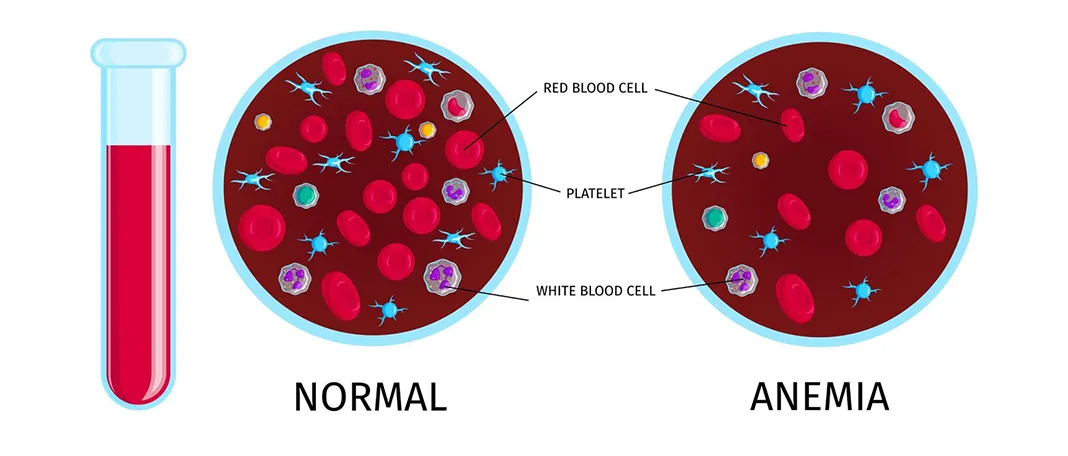
Anemia is a medical condition where hemoglobin levels fall below normal. Hemoglobin is the protein in red blood cells responsible for transporting oxygen throughout the body.
When hemoglobin drops, tissues receive less oxygen. That is why symptoms often affect energy levels, concentration, and overall physical performance.
Several anemia types exist, including:
- Iron deficiency anemia
- Vitamin B12 deficiency anemia
- Folate deficiency anemia
- Anemia of chronic disease
- Hemolytic anemia
Among these, iron deficiency anemia is the most common worldwide.
What Is the Cause of Anemia?

There are many possible reasons for anemia. The most frequent causes include:
- Low iron intake in the diet
- Heavy menstrual bleeding
- Pregnancy-related nutritional demands
- Chronic diseases
- Poor absorption of nutrients
- Internal bleeding
- Certain medications
Women are particularly vulnerable due to menstruation and pregnancy, though male iron deficiency symptoms can also appear when iron levels drop.
7 Signs of Anemia You Should Pay Attention To
1. Constant Fatigue and Weakness
One of the earliest symptoms of low hemoglobin is persistent tiredness.
When oxygen supply decreases, muscles and organs struggle to produce enough energy, making everyday tasks feel exhausting.
2. Pale Skin and Pale Inner Eyelids
Reduced red blood cells can make the skin appear paler than usual.
Doctors sometimes check the inner eyelid because it often reflects iron deficiency symptoms early.
3. Shortness of Breath
If climbing stairs suddenly feels harder than usual, anemia may be a factor. Low oxygen levels force the body to work harder to maintain normal activity.
4. Frequent Headaches or Dizziness

The brain is extremely sensitive to oxygen changes.
People experiencing symptoms of anemia in women or men may report headaches, dizziness, or difficulty concentrating.
5. Cold Hands and Feet
Poor oxygen circulation can affect body temperature regulation.
This is one of the less obvious effects of iron deficiency, but many patients notice persistent coldness.
6. Rapid or Irregular Heartbeat
When oxygen levels drop, the heart tries to compensate by pumping faster.
Over time, untreated anemia may strain the cardiovascular system.
7. Brittle Nails and Hair Changes
Low iron levels can affect hair growth and nail strength.
In women, especially, low ferritin symptoms female often include hair thinning or fragile nails.
Why Anemia Is More Common in Women

Women frequently experience anemia due to:
- Monthly menstrual blood loss
- Pregnancy and breastfeeding
- Dietary deficiencies
- Hormonal changes affecting nutrient absorption
That is why symptoms of anemia in women often appear earlier and may be mistaken for general fatigue.
Effects of Iron Deficiency on the Body
Iron plays a crucial role in oxygen transport, muscle function, and immune health.
When iron levels remain low for long periods, it can lead to:
- Chronic fatigue
- Poor concentration
- Reduced physical stamina
- Increased infection risk
- Hair thinning and brittle nails
Ignoring iron deficiency symptoms may allow anemia to worsen gradually.
Frequently Asked Questions
What are the most common signs of anemia?
Fatigue, pale skin, dizziness, shortness of breath, and weakness are among the most common signs of anemia.
Can anemia affect both men and women?
Yes. Although more common in women, men can also develop anemia due to poor diet, chronic illness, or internal bleeding.
What are early iron deficiency symptoms?
Early symptoms may include fatigue, headaches, brittle nails, hair thinning, and reduced physical stamina.
Is anemia a serious condition?
It can become serious if untreated. Severe anemia may affect heart health and overall oxygen supply to the body.
How do I know if my hemoglobin is low?
Blood tests are the most reliable way to confirm low hemoglobin levels and diagnose anemia.
Can anemia go away on its own?
Mild anemia caused by diet may improve with better nutrition, but most cases require medical evaluation.
What foods help improve anemia?
Iron-rich foods like leafy greens, legumes, red meat, and fortified cereals can support healthy iron levels.
What happens if anemia is not treated?
Untreated anemia may cause severe fatigue, heart strain, and complications affecting overall health.
The body often gives quiet warnings before health problems become serious. Recognizing the signs of anemia early can make treatment easier and prevent long-term complications.
If symptoms persist, the best step is to consult a healthcare professional and identify the underlying cause.
When Should You See a Doctor?

If you notice persistent symptoms such as:
- Extreme fatigue
- Breathlessness
- Pale skin
- Dizziness
- Rapid heartbeat
It is important to consult a healthcare professional.
Blood tests can confirm hemoglobin and ferritin levels and help identify the specific cause of anemia. Treatment may include dietary changes, supplements, or addressing the underlying medical condition.