
Sudden Cardiac Arrest (SCA) in children is a serious condition that can happen without warning. An inspiring event led by the Yorkshire Ambulance Service (YAS) recently helped over 35,000 students learn CPR in one day as part of their “Restart a Heart Day” campaign. This incredible effort has already saved lives, showing just how important knowing life-saving skills can be. Some students who learned CPR during the campaign used it to save their parents' lives—proving how crucial it is to act fast during a cardiac emergency. Let’s explore what causes cardiac arrest in children, how to recognize it, and what you can do to help.
What is Cardiac Arrest?
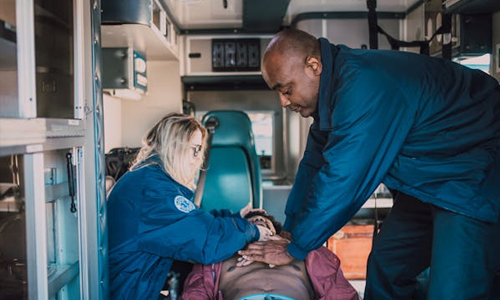
Cardiac arrest happens when the heart stops working, meaning it no longer pumps blood to the brain and other vital organs. This condition is different from a heart attack, which is caused by a blockage in the arteries. Cardiac arrest requires immediate attention because, without quick action, it can lead to death within minutes.
What Causes Cardiac Arrest in Children?
Cardiac arrest in children can be a sudden and alarming event. Understanding the potential causes is essential for prevention and timely response.
Congenital Heart Defects
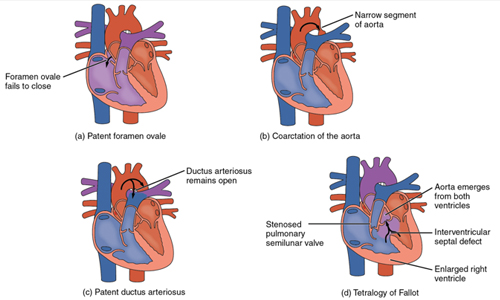
These are structural problems with the heart that children are born with, which can affect blood flow and heart function. Depending on the type and severity, these defects can lead to serious complications, including cardiac arrest.
Hypertrophic Cardiomyopathy
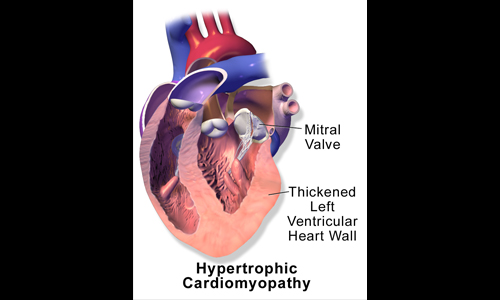
This condition occurs when the heart muscle becomes abnormally thick, which can make it more difficult for the heart to pump blood effectively. It is often hereditary and can increase the risk of sudden cardiac arrest, especially during physical activity.
Arrhythmias
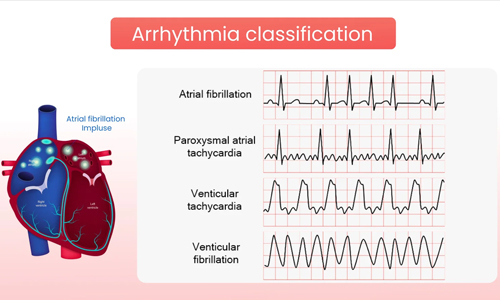
These are irregular heartbeats that can disrupt the heart's normal rhythm, potentially leading to a complete stop. Some arrhythmias can be benign, while others may be life-threatening and require immediate medical attention.
Respiratory Problems
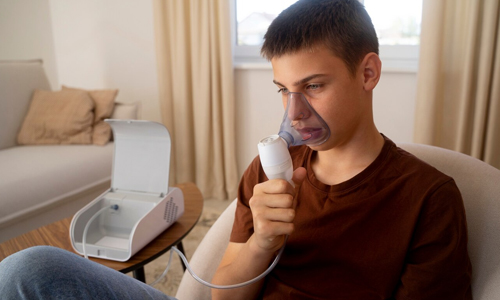
Severe conditions like asthma attacks, lung infections, or choking incidents can deprive the body of oxygen, putting extreme stress on the heart and potentially leading to cardiac arrest.
Commotio Cordis
This occurs when a sudden, blunt impact to the chest—often from a sports-related injury—disrupts the heart's rhythm. It can lead to cardiac arrest, especially in young athletes, and emphasizes the importance of protective gear during contact sports.
Signs of Sudden Cardiac Arrest in Children
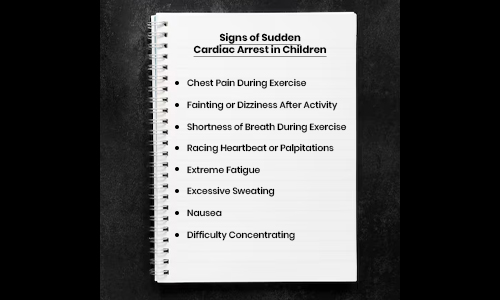
Cardiac Arrest Pediatric: What Makes It Different?
Pediatric cardiac arrest is different from cardiac arrest in adults. In children, it is often caused by congenital conditions they are born with or serious respiratory problems. This makes regular check-ups very important for early detection. Children might not always show clear symptoms, so having screenings for heart conditions can help catch issues before they become severe and potentially save lives.
How to Prevent Sudden Cardiac Arrest in Children?
Preventing sudden cardiac arrest in children is crucial for their health and safety. With the right strategies and awareness, parents and caregivers can help reduce risks and ensure a safer environment for children.
1. Regular Health Check-ups
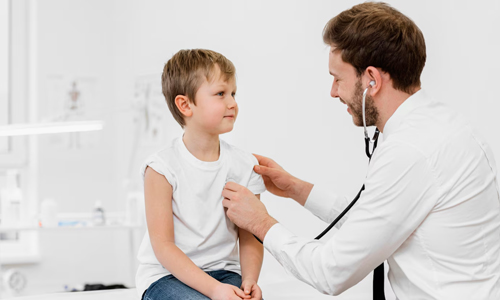
Routine health check-ups play a crucial role in detecting potential heart problems early, even in children who appear healthy and symptom-free. During these check-ups, doctors may listen for abnormal heart sounds, review family history, or recommend further tests like an electrocardiogram (ECG) if they suspect an issue. These regular visits ensure any underlying heart conditions are caught before they can lead to more serious events, such as sudden cardiac arrest (SCA).
The Tip
Consider keeping a detailed medical history of your child and any cardiovascular issues in your family. This helps doctors identify potential red flags more easily during check-ups.
2. Sports Physicals

Before your child participates in sports or other physical activities, a pre-participation physical exam can help ensure their heart is healthy enough for the strain of exercise. These exams often include a physical assessment and review of family medical history. In some cases, an ECG or electrocardiogram may be suggested to screen for conditions that put children at risk for SCA, such as hypertrophic cardiomyopathy or arrhythmias.
The Tip
If your child complains of unusual symptoms like chest pain or dizziness during sports, don't brush it off as just fatigue. Always bring these concerns to your doctor during a sports physical.
3. Genetic Testing
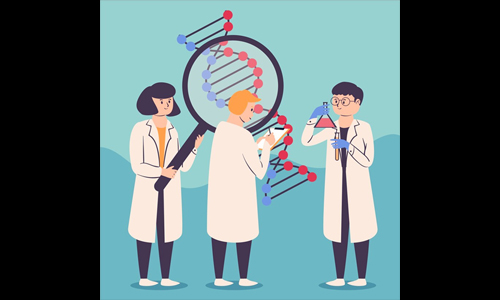
For children with a family history of heart issues, genetic testing can be an invaluable tool in identifying risks for conditions like Long QT Syndrome or other inherited heart diseases. These conditions often go unnoticed until they trigger serious events like cardiac arrest. Genetic testing can pinpoint specific mutations that may predispose a child to these conditions, allowing for early intervention and monitoring.
The Tip
Even if no one in your immediate family has had heart issues, discuss your extended family’s medical history with your doctor. This can uncover patterns that could be important in deciding whether genetic testing is necessary.
What to Do if a Child Has Sudden Cardiac Arrest?
If you suspect a child is experiencing cardiac arrest, quick action, such as the following, can be crucial in saving their life:
1. Call 911 Immediately

As soon as you suspect cardiac arrest, dial emergency services to get help on the way without delay. The sooner professionals arrive, the better the chances of survival.
2. Start CPR
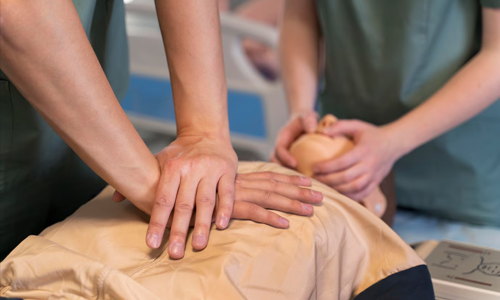
Begin chest compressions right away. Push hard and fast in the center of the chest to maintain blood flow to vital organs until medical help arrives. Aim for a rate of about 100-120 compressions per minute.
3. Use an AED
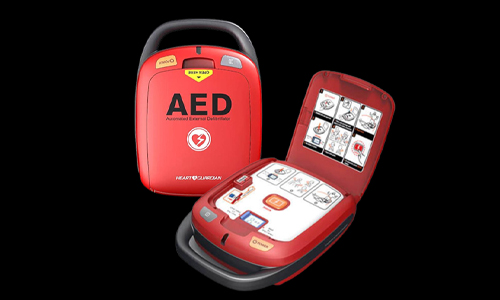
If an automated external defibrillator (AED) is available, retrieve it immediately and follow the voice prompts. This device can help restore the heart’s normal rhythm and is easy to use, even for those without medical training.
Why Learning CPR is Important?
As shown in the recent Restart a Heart Day event, learning CPR can make the difference between life and death. If CPR is performed within the first few minutes of a cardiac arrest, the chances of survival can triple. Having AEDs available in schools, sports fields, and public places is also essential, as they are the only devices that can restart a heart after it stops.
Common Myths About Sudden Cardiac Arrest
1. Myth
Sudden cardiac arrest only happens to adults.
Fact
SCA can affect people of all ages, including children. Conditions like congenital heart defects or hypertrophic cardiomyopathy can trigger SCA in young people.
2. Myth
SCA is the same as a heart attack.
Fact
A heart attack is caused by a blockage in the blood vessels, while SCA is due to an electrical malfunction in the heart that causes it to stop beating.
3. Myth
You can’t perform CPR on a child or infant.
Fact
CPR can and should be performed on children and infants, with specific adjustments in technique. Use two fingers for infants and gentle compressions for young children.
4. Myth
SCA always has warning signs.
Fact
While some cases of SCA are preceded by symptoms like fainting or chest pain, many people have no warning signs at all before the event.
5. Myth
If someone’s heart has stopped, they can’t be saved.
Fact
Immediate CPR and the use of an AED can restart a stopped heart and significantly increase the chances of survival.
6. Myth
If CPR doesn’t work in the first minute, it’s useless.
Fact
CPR can sustain life by circulating oxygenated blood to the brain and organs until emergency services arrive, even if it doesn’t restart the heart immediately.
7. Myth
SCA only happens during intense physical activity.
Fact
While it can happen during exercise, SCA can occur at rest, during sleep, or even in a calm state.
8. Myth
You shouldn’t use an AED on children.
Fact
Many AEDs are equipped with pediatric settings or pads to adjust the energy level for children, and they are safe to use in cardiac emergencies.
9. Myth
Only people with known heart conditions experience SCA.
Fact
SCA can happen to seemingly healthy individuals without any prior heart condition, which is why it's so critical to know CPR and have access to AEDs.
10. Myth
You can’t use an AED if you’re unsure of a cardiac arrest.
Fact
AEDs are designed to detect whether the heart is in a shockable rhythm. If it’s not necessary, the AED will not deliver a shock, making it safe to use even if you're unsure.
Understanding and debunking these myths can help save lives, ensuring that people are better prepared to respond quickly and effectively during a sudden cardiac arrest.
The Wrap-up
Sudden cardiac arrest in children is frightening, but with the right knowledge and training, lives can be saved. The recent mass CPR training by YAS shows just how impactful learning life-saving skills can be. By understanding the signs, acting fast, and preparing with CPR and AED training, we can protect our children and help prevent tragic outcomes.
Taking action early is the key to saving lives, so let’s make sure we’re all ready to respond when needed.