Salt was never something I paid much attention to. It was just there—on the dining table, in every recipe, in snacks I picked up mindlessly at the store. It wasn’t until my mother ended up in the hospital, hooked to machines and quietly enduring the aftermath of a heart episode, that I began to understand the gravity of it. I remember the doctor calmly saying, “Her sodium levels are way too high. This didn’t happen overnight.” That sentence sat with me.
After that, every food label became something I read like a warning sign. I started noticing how salt wasn't just in chips or pickles but hidden in sauces, bread, even breakfast cereal. And the real wake-up call? Realizing how long it takes to undo years of salty habits.
Salt, in excess, isn’t just a flavor enhancer—it’s a slow-building threat, quietly taxing your heart, kidneys, and blood vessels until something finally gives.
7 Ways Too Much Salt Can Kill You
1. It Silently Fuels High Blood Pressure
High blood pressure doesn’t come with a warning siren. You don’t feel it creeping in, but it works quietly. For my mom, it was a ticking time bomb. Salt makes the body retain water, and that excess fluid puts pressure on blood vessels, making the heart work harder than it needs to. Over time, this strain leads to hypertension—one of the leading risk factors for heart attacks and strokes.
2. It Damages Your Heart
 This isn’t just about heart attacks. Excess sodium changes how your heart functions at a cellular level. It thickens the left ventricle (your heart’s main pumping chamber), increasing the risk of heart failure. For people with existing heart conditions, this is even more dangerous.
3. It Strains the Kidneys

Your kidneys filter waste and excess fluids from your blood. When you eat too much salt, they struggle to maintain that delicate balance. Over time, the damage accumulates, leading to kidney disease or even complete kidney failure. Dialysis is not a future anyone wants to prepare for.
4. It Increases Stroke Risk
A stroke isn’t always the dramatic collapse we see on TV. Sometimes, it’s subtle—a sudden numbness, difficulty speaking, a bit of confusion. Salt raises blood pressure, and high blood pressure damages the arteries leading to the brain. The result? Higher chances of stroke, especially in people over 50.
5. It Weakens Bones Over Time

I never connected salt and bones until I read a study linking high salt intake to calcium loss. Excess sodium causes calcium to leach out of bones, raising the risk of osteoporosis. For women, especially post-menopause, this is a silent thief of strength and stability.
6. It Harms the Stomach
Too much salt irritates the stomach lining and increases the risk of stomach cancer. Countries with high-sodium diets have a higher incidence of this cancer. It’s often overlooked, but the link is well documented.
7. It Increases Risk of Dementia
Newer studies suggest that too much salt may impair blood flow to the brain, potentially contributing to cognitive decline and Alzheimer’s. It’s unsettling to think that our food choices today can impact our memory years down the line.
How Much Salt Is Too Much?
The general recommendation is to keep sodium intake below 2,300 mg per day—about one teaspoon of table salt. But for people with high blood pressure, heart disease, or kidney issues, even this can be too much. Ideally, staying under 1,500 mg per day is safer and more sustainable.
Who Should Watch Their Salt Closely?
If you fall into any of these categories, it’s time to be hyper-aware of your salt intake:
- People over 50
- Anyone with hypertension or a family history of it
- Those with diabetes or kidney disease
- Individuals with heart conditions
Even if you're generally healthy, a proactive approach to salt can prevent health issues before they start.
Tips to Reduce Salt Without Losing Flavor
Cutting down on salt doesn’t mean giving up on taste. Here's what helped me:
- Use citrus instead of salt—lemon or lime adds brightness.
- Add herbs and spices like rosemary, cumin, paprika, or garlic.
- Switch to fresh or frozen vegetables instead of canned ones.
- Skip instant noodles and processed snacks—they're salt traps.
- Rinse canned beans or vegetables to remove excess sodium.
- Read food labels—you’d be shocked where salt hides.
- Cook at home more often—it's the best way to take control.
And when I oversalt a soup (because yes, it still happens), I either toss in a peeled potato to absorb the extra salt or add a splash of coconut milk or cream. Acidic ingredients like lemon juice or vinegar also help balance things out.
Is Sea Salt or Himalayan Salt Healthier?
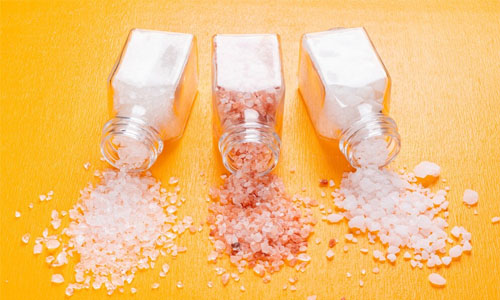
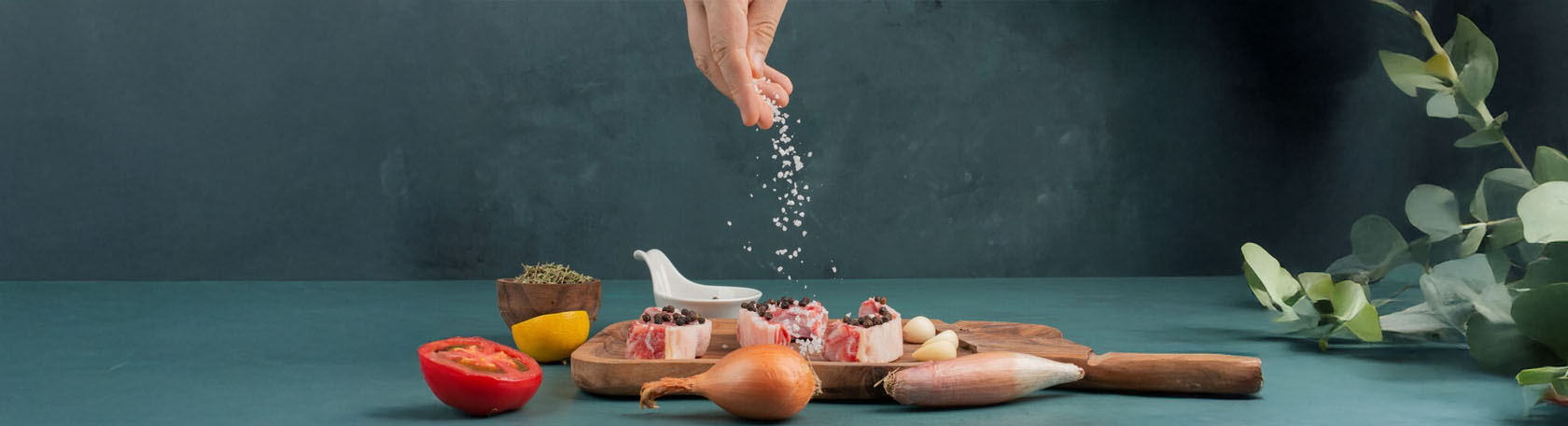
These trendy salts might taste different, and yes, they contain trace minerals, but they’re still sodium chloride. The difference is minimal. Don’t fall for the myth that pink or black salt is a free pass.
Salt doesn’t need to be feared—but it does need to be respected. The effects of overuse might not show up right away, but when they do, they’re often irreversible. After my father’s health scare, salt became more than a seasoning. It became a reminder: small habits today shape our tomorrow.
The good news? Taste buds adapt. Food doesn’t need to be salty to be satisfying—it just needs to be cooked with intention.