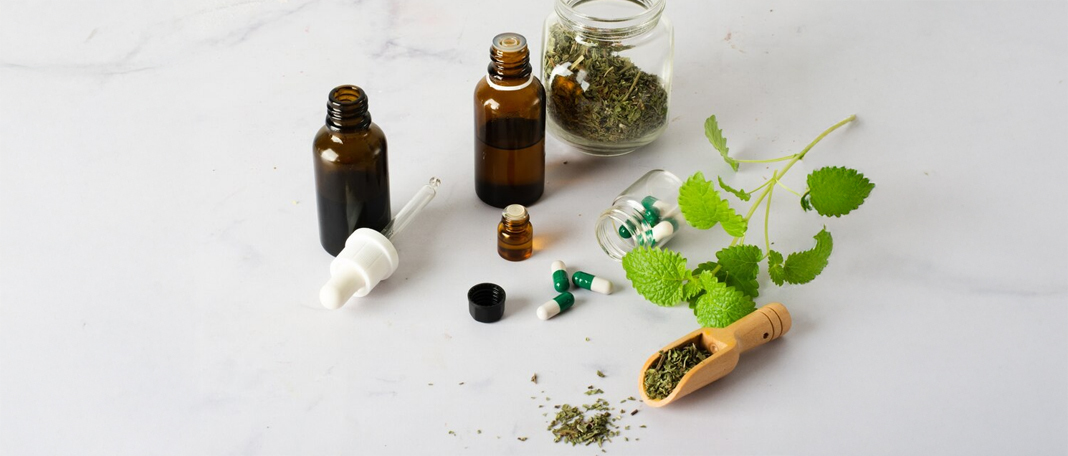
Did you know your kitchen might be hiding some powerful bacteria-fighting ingredients? While prescription antibiotics help treat infections, natural antibiotics can also help your body fight harmful germs—without the side effects.
Let’s explore 7 of the best natural antibiotics that can help keep your body strong and healthy.
1. Garlic
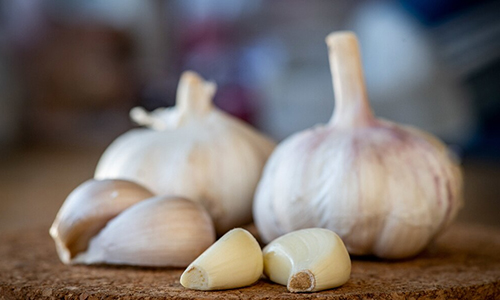
Garlic is one of the oldest natural antibiotics. It contains a compound called allicin, which kills harmful bacteria, viruses, and even fungi.
How to use it: Eat a raw clove daily, or add it to meals. Crushing garlic activates its powerful healing compounds.
2. Honey

Raw honey, especially Manuka honey, has antibacterial powers. It helps treat cuts, coughs, sore throats, and even ulcers by killing bacteria and reducing swelling.
How to use it: Eat a spoonful daily, mix in tea, or apply to wounds (after cleaning).
3. Oregano Oil
Oregano oil has two key ingredients: carvacrol and thymol. These help fight bacteria, viruses, and parasites. It’s often used for gut health and respiratory infections.
How to use it: Add a few drops to water or take oregano capsules—but always check the dose and talk to a doctor first.
4. Ginger
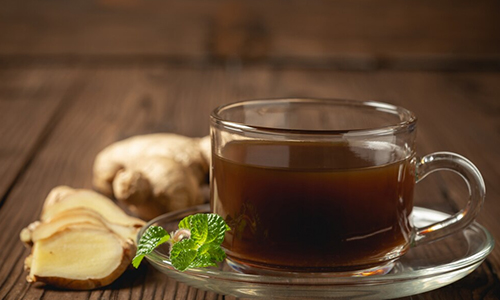
Ginger is known for helping with nausea and digestion, but it also has antibacterial and anti-inflammatory effects. It fights bacteria like E. coli and Salmonella.
How to use it: Drink ginger tea or chew a small piece of raw ginger daily.
5. Echinacea

Echinacea is a flowering plant that boosts your immune system and fights infections. It’s commonly used to prevent and treat colds and flu.
How to use it: Drink echinacea tea or take it in supplement form. It's most effective when taken at the first sign of illness.
6. Clove
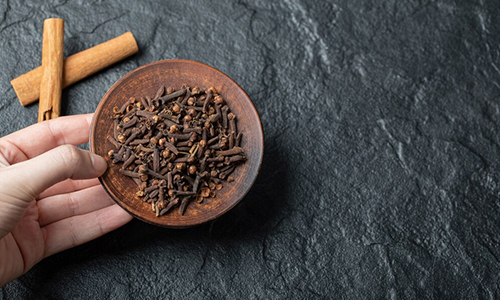
Cloves have been used for centuries in traditional medicine. They have antibacterial and antifungal properties, and they may also reduce toothaches.
How to use it: Chew a clove, drink clove tea, or use clove oil for oral care (with caution—it's very strong).
7. Turmeric
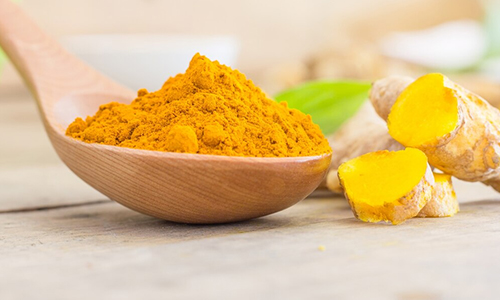
Turmeric contains curcumin, a powerful compound that helps your body fight inflammation and bacteria. It may also help heal wounds and boost your immune system.
How to use it: Add turmeric to warm milk, curry, or take curcumin supplements for stronger effects.
FAQs About Natural Antibiotics
1. What are natural antibiotics?
Natural antibiotics are substances found in nature—like herbs, foods, or plant compounds—that have antibacterial properties. They help fight harmful bacteria without relying on pharmaceutical drugs.
2. Are natural antibiotics as effective as prescription antibiotics?
While natural antibiotics can help with mild infections or boost your immune system, they are not always strong enough to replace prescription antibiotics, especially for severe or life-threatening infections. Always consult a doctor.
3. What are the best natural antibiotics?
Some of the most effective natural antibiotics include garlic, ginger, honey, oregano oil, turmeric, and echinacea. These have been traditionally used to fight infections and support immunity.
4. Can I use natural antibiotics for a bacterial infection?
Yes, but only for mild infections and under proper guidance. Natural antibiotics like garlic or turmeric may support recovery, but serious bacterial infections should be treated with medical antibiotics prescribed by a professional.
5. Is garlic really a natural antibiotic?
Yes! Garlic contains allicin, a powerful compound with antibacterial and antifungal properties. It’s one of the most researched and widely used natural antibiotics.
6. How do natural antibiotics work?
They typically work by disrupting bacterial cell walls, inhibiting growth, or boosting the body’s own immune response to kill pathogens.
7. Are there any side effects of using natural antibiotics?
Yes. Although natural, these remedies can have side effects. For example, too much garlic may irritate your stomach, and oregano oil can be too strong if undiluted. Always start in small amounts and check for allergies.
8. Can kids take natural antibiotics?
Some natural antibiotics like honey (for children above 1 year), garlic in food, and turmeric in milk are safe in moderation. However, check with a pediatrician before giving herbs or supplements to children.
9. Can natural antibiotics help with gut health?
Yes. Natural antibiotics like ginger and turmeric can reduce inflammation and help balance gut bacteria. But overuse—even of natural options—can harm the microbiome, so moderation is key.
10. Are natural antibiotics safe during pregnancy?
Some are safe when used in food (like garlic or turmeric), but others, especially in supplement form, may not be. Always consult your healthcare provider before trying any herbal remedy during pregnancy.
11. How long does it take for natural antibiotics to work?
They generally act more slowly than pharmaceuticals. It may take a few days to notice relief, depending on the severity of the condition and the remedy used.
12. Can natural antibiotics prevent infections?
Yes, many natural antibiotics boost immunity and may reduce your risk of getting infections when used regularly in your diet, like garlic, honey, or fermented foods.
Are Natural Antibiotics Safe?
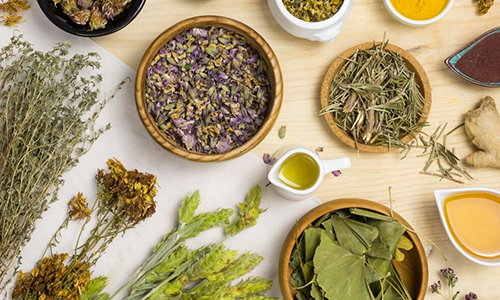
Most natural antibiotics are safe when used in moderation, but they aren’t always strong enough for serious infections. Always talk to your doctor before replacing or stopping prescription antibiotics.
Natural antibiotics like garlic, honey, and turmeric can help support your immune system and fight off harmful bacteria. They’re easy to find, safe to use, and often come with extra health benefits. But remember—they’re best used as prevention or early help, not a replacement for medical treatment.