For many parents, sending a child to preschool is an emotional decision, not just a practical one.
Questions naturally arise.
Is my child too young?
Will they cope without me?
Is preschool really necessary?
Preschool is not about pushing academics early.
Its real value lies in how it gently prepares a child for the world beyond home.
Below are six evidence-backed preschool benefits that support a child’s emotional, social, and cognitive growth.
1. Builds Emotional Independence Gradually
Preschool introduces short, structured separations in a safe environment.
Children learn that:
- Caregivers return
- New adults can be trusted
- Change does not mean loss
This gradual independence strengthens emotional resilience and reduces separation anxiety later in formal schooling.
2. Supports Social Skill Development
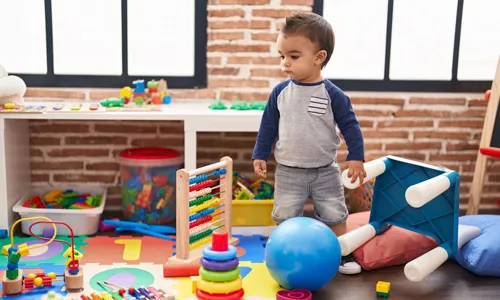
At home, children interact mostly with adults or familiar faces.
Preschool introduces:
- Sharing space
- Turn-taking
- Cooperation
- Conflict resolution
These early peer interactions help children understand emotions, boundaries, and empathy in real-life situations.
Social learning at this age happens naturally through play, not instruction.
3. Encourages Language and Communication Growth
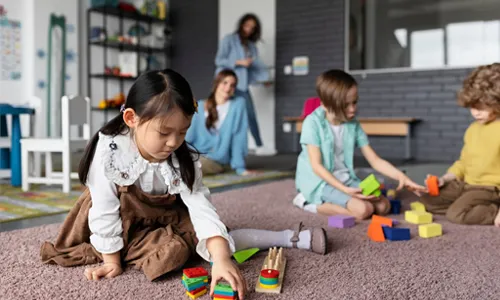
Preschool environments expose children to richer language patterns.
They hear:
- New words
- Group conversations
- Instructions and storytelling
This supports vocabulary expansion, listening skills, and confident self-expression, especially for children from quieter home environments.
4. Creates Healthy Routines and Structure

Young children thrive on predictability.
Preschool gently introduces:
- Fixed meal times
- Play and rest cycles
- Activity transitions
These routines support emotional regulation, improve sleep patterns, and make future school adjustments smoother.
Structure here is supportive, not rigid.
5. Stimulates Cognitive Curiosity Through Play
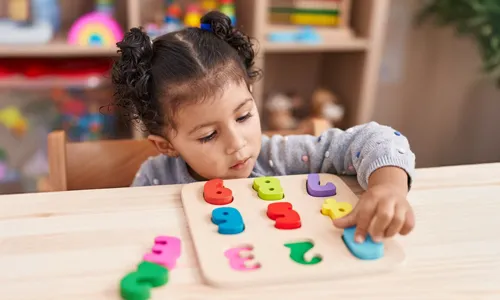
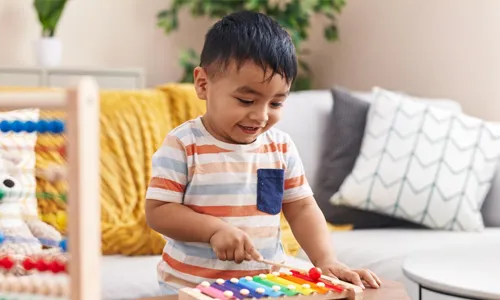
Preschool learning is experiential.
Children explore:
- Shapes, colors, and numbers
- Cause-and-effect through play
- Creativity through art and movement
This builds foundational thinking skills without academic pressure. Curiosity is encouraged, not forced.
One of the most valuable preschool benefits is learning how to learn.
6. Identifies Developmental Needs Early
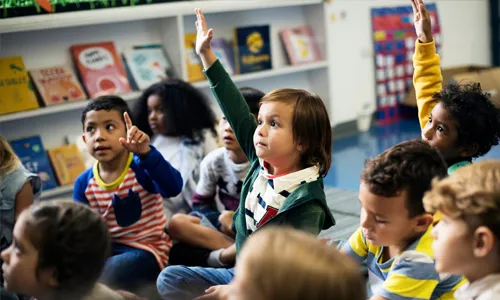
Preschool teachers are trained to observe age-appropriate milestones.
Early identification of:
- Speech delays
- Motor challenges
- Behavioral concerns
Allows for timely support, which is far more effective when started early rather than later in school years.
Is Preschool Necessary for Every Child?
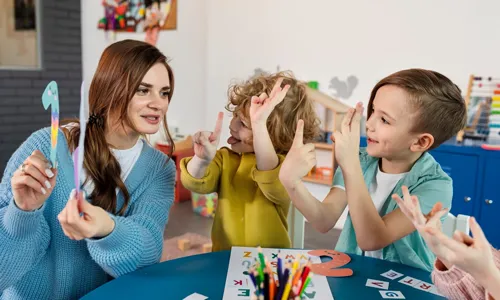
Every child develops at their own pace.
Preschool is not about competition or comparison.
It is about exposure, experience, and gentle preparation.
Some children benefit immensely from early social environments, while others may need slower transitions. The key is choosing what aligns with the child’s temperament.
Preschool Benefits Go Beyond Academics
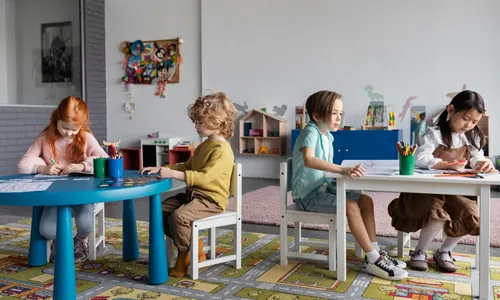
Preschool does not aim to replace home.
It complements it.
Children don’t just learn letters or numbers.
They learn confidence, adaptability, and trust.
Preschool is not about rushing childhood.
It is about widening it.
The emotional security of home combined with the structured exploration of preschool creates a balanced foundation for growth.
FAQs
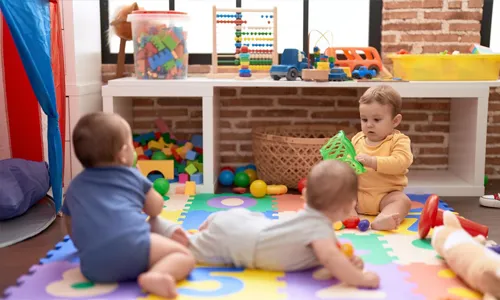
1. Is my child too young for preschool?
Preschool is designed for early developmental stages, not academic performance. If your child can follow simple instructions, express basic needs, and show curiosity about their surroundings, they are usually ready. Emotional readiness matters more than age alone.
2. What if my child cries or resists going to preschool?
Initial resistance is common and often short-lived. Crying does not mean harm. It reflects adjustment. Consistent routines, calm goodbyes, and reassurance usually help children settle within a few weeks.
3. Will preschool make my child less attached to me?
No. Healthy attachment is not weakened by preschool. In fact, secure attachments at home help children feel confident exploring new environments and returning to caregivers with trust.
4. Can preschool negatively affect my child’s personality?
Preschool does not change a child’s personality. It provides space for expression. Introverted children remain thoughtful, observant, and calm. Extroverted children remain energetic and expressive. The environment supports both.
5. What if my child is not speaking much yet?
Preschool often supports language development through natural exposure. Children learn by listening and observing before speaking. However, if speech delays are significant, early preschool observation can help guide timely support.
6. Is academic pressure a concern in preschool?
Quality preschools focus on play-based learning. Reading, writing, and numbers are introduced informally through songs, stories, and activities. There should be no pressure to perform or compete.
7. How long does it take for a child to adjust to preschool?
Most children adjust within two to four weeks. Some adapt sooner, others need more time. Regression in sleep or behavior during early weeks can happen and usually settles once routines feel familiar.
8. Can staying at home give the same benefits as preschool?
A nurturing home environment provides emotional security. Preschool adds structured social interaction and guided play. Both serve different roles. When combined thoughtfully, they support balanced development.
9. What signs show preschool is helping my child?
Positive signs include improved communication, increased independence, better emotional regulation, curiosity about routines, and comfort interacting with peers.
10. What should parents look for when choosing a preschool?
Look for small group sizes, trained caregivers, a calm environment, emphasis on play, hygiene standards, and open communication with parents. A preschool should feel safe, not rushed.
When introduced thoughtfully, preschool benefits extend far beyond classrooms, shaping how children relate to the world, to others, and to themselves.