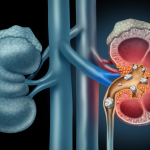

The immune system is designed to protect us. It identifies threats, attacks them, and remembers them. In autoimmune disease, the system loses clarity. It begins to treat parts of the body as foreign.
This is not random.
And it is not the body “malfunctioning” without reason.
Understanding the causes of autoimmune disease begins with understanding what pushes the immune system into confusion.
What Is an Autoimmune Disease?
An autoimmune disease occurs when the immune system mistakenly attacks the body’s own tissues.
Instead of targeting bacteria or viruses, it targets joints, skin, nerves, glands, or organs. Which tissue is affected depends on the condition.
There are more than 80 known autoimmune diseases, and many people live with symptoms long before a diagnosis is made.
What Triggers Autoimmune Diseases?

Autoimmune disease rarely has one single cause. It usually develops when genetic susceptibility meets environmental triggers.
Common triggers include:
- Chronic stress
- Repeated infections
- Hormonal changes
- Gut imbalance
- Poor sleep
- Nutrient deficiencies
- Environmental toxins
The immune system responds to stress the same way it responds to infection. When stress becomes chronic, immune regulation weakens.
This is often where problems begin.
The Role of Genetics
Genetics loads the gun. The environment pulls the trigger.
Having a family history does not guarantee disease, but it increases sensitivity. Many people with autoimmune disease report relatives with thyroid issues, arthritis, diabetes, or unexplained fatigue.
Genes influence how the immune system recognizes “self” versus “non-self.”
The Gut–Immune Connection
Nearly 70 percent of the immune system lives in the gut. When the gut lining becomes inflamed or permeable, immune cells are exposed to particles they were never meant to see. This can lead to immune confusion and misdirected attacks.
Digestive symptoms often appear years before an autoimmune diagnosis.
Signs and Symptoms to Watch For
Symptoms vary, but some patterns are common across conditions:
- Persistent fatigue
- Joint pain or stiffness
- Muscle aches
- Brain fog
- Digestive discomfort
- Skin rashes
- Hair loss
- Sensitivity to cold or heat
- Frequent infections
Symptoms often fluctuate. Good days and bad days are common.
Can Autoimmune Disease Be Cured?
At present, autoimmune diseases are managed, not cured.
Treatment focuses on:
- Reducing inflammation
- Modulating immune response
- Protecting affected organs
- Improving quality of life
Many people achieve long periods of remission with the right medical care and lifestyle support.
Can You Prevent Autoimmune Disease?
Prevention is not always possible, but risk can be reduced.
Supportive habits include:
- Managing chronic stress
- Prioritizing sleep
- Supporting gut health
- Eating whole, anti-inflammatory foods
- Treating infections early
- Avoiding unnecessary immune stressors
The immune system responds best to consistency, not extremes.
How to Avoid Worsening Autoimmune Symptoms

Once diagnosed, avoiding flare-ups becomes key.
Helpful strategies:
- Avoid overexertion
- Respect energy limits
- Identify food sensitivities
- Avoid smoking and excess alcohol
- Follow medical guidance consistently
Listening to early signals prevents bigger setbacks later.
Examples of Autoimmune Diseases
Autoimmune disease does not look the same in everyone. Some affect one organ. Others affect multiple systems. Below is a comprehensive list of 80 autoimmune conditions.
80 Autoimmune Diseases
| No. | Autoimmune Condition |
| 1 | Rheumatoid Arthritis |
| 2 | Systemic Lupus Erythematosus |
| 3 | Hashimoto’s Thyroiditis |
| 4 | Graves’ Disease |
| 5 | Type 1 Diabetes |
| 6 | Multiple Sclerosis |
| 7 | Psoriasis |
| 8 | Psoriatic Arthritis |
| 9 | Celiac Disease |
| 10 | Crohn’s Disease |
| 11 | Ulcerative Colitis |
| 12 | Sjögren’s Syndrome |
| 13 | Ankylosing Spondylitis |
| 14 | Addison’s Disease |
| 15 | Pernicious Anemia |
| 16 | Vitiligo |
| 17 | Myasthenia Gravis |
| 18 | Scleroderma |
| 19 | Polymyalgia Rheumatica |
| 20 | Dermatomyositis |
| 21 | Polymyositis |
| 22 | Hepatitis |
| 23 | Primary Biliary Cholangitis |
| 24 | Primary Sclerosing Cholangitis |
| 25 | Autoimmune Pancreatitis |
| 26 | Antiphospholipid Syndrome |
| 27 | Goodpasture’s Syndrome |
| 28 | Guillain-Barré Syndrome |
| 29 | Chronic Inflammatory Demyelinating Polyneuropathy |
| 30 | Alopecia Areata |
| 31 | Pemphigus Vulgaris |
| 32 | Bullous Pemphigoid |
| 33 | Behçet’s Disease |
| 34 | Reactive Arthritis |
| 35 | Juvenile Idiopathic Arthritis |
| 36 | Hemolytic Anemia |
| 37 | Immune Thrombocytopenic Purpura |
| 38 | Inner Ear Disease |
| 39 | Uveitis |
| 40 | Encephalitis |
| 41 | IgA Nephropathy |
| 42 | Membranous Nephropathy |
| 43 | Orchitis |
| 44 | Oophoritis |
| 45 | Gastritis |
| 46 | Hypophysitis |
| 47 | Retinopathy |
| 48 | Vasculitis |
| 49 | Granulomatosis with Polyangiitis |
| 50 | Microscopic Polyangiitis |
| 51 | Takayasu Arteritis |
| 52 | Giant Cell Arteritis |
| 53 | Relapsing Polychondritis |
| 54 | Neutropenia |
| 55 | Myocarditis |
| 56 | Pericarditis |
| 57 | Bronchiolitis |
| 58 | Interstitial Lung Disease |
| 59 | Hypoglycemia |
| 60 | Dysautonomia |
| 61 | Small Fiber Neuropathy |
| 62 | Cholangitis |
| 63 | Hepatobiliary Disease |
| 64 | Prostatitis |
| 65 | Enteropathy |
| 66 | Ocular Cicatricial Pemphigoid |
| 67 | Subepidermal Blistering Disease |
| 68 | Myelitis |
| 69 | Epilepsy |
| 70 | Cerebellar Ataxia |
| 71 | Hypotension |
| 72 | Endocrinopathy |
| 73 | Polyendocrine Syndrome Type 1 |
| 74 | Polyendocrine Syndrome Type 2 |
| 75 | Limbic Encephalitis |
| 76 | Chorea |
| 77 | Insulin Syndrome |
| 78 | Ovarian Failure |
| 79 | Sensorineural Hearing Loss |
| 80 | Connective Tissue Disease |
Frequently Asked Questions (FAQs)
What are the main causes of autoimmune disease?
Genetics, infections, stress, gut imbalance, and environmental triggers.
What triggers autoimmune diseases?
Stress, infections, hormonal shifts, and immune overload.
Can autoimmune disease be cured?
No cure yet, but many achieve remission.
Can autoimmune disease be prevented?
Risk can be reduced, but not always prevented.
How do autoimmune diseases start?
When immune tolerance breaks down, the body attacks itself.
Are autoimmune diseases lifelong?
Many are chronic, but symptoms can be managed.
Do autoimmune diseases run in families?
Yes, genetic risk is common.
Can lifestyle changes help autoimmune disease?
Yes. They significantly influence symptom severity.
Autoimmune disease is not the body failing. It is the immune system overwhelmed, misdirected, and trying to protect in the only way it knows. When we reduce the noise around it and support the body gently, the immune system often finds its balance again.
Listen closely. The body always explains itself if we slow down enough to hear it.