Physical activity and nutrition are essential for a healthy lifestyle if you have diabetes. It is pretty common for diabetic patients to worry about not being able to enjoy their favorite foods. What foods are good for diabetes? The list includes vegetables, fruits, grains, and dairy products. In this blog, we will discuss the benefits of baby corn for diabetes and weight loss, and the answers to the question, “Is baby corn good for health?”
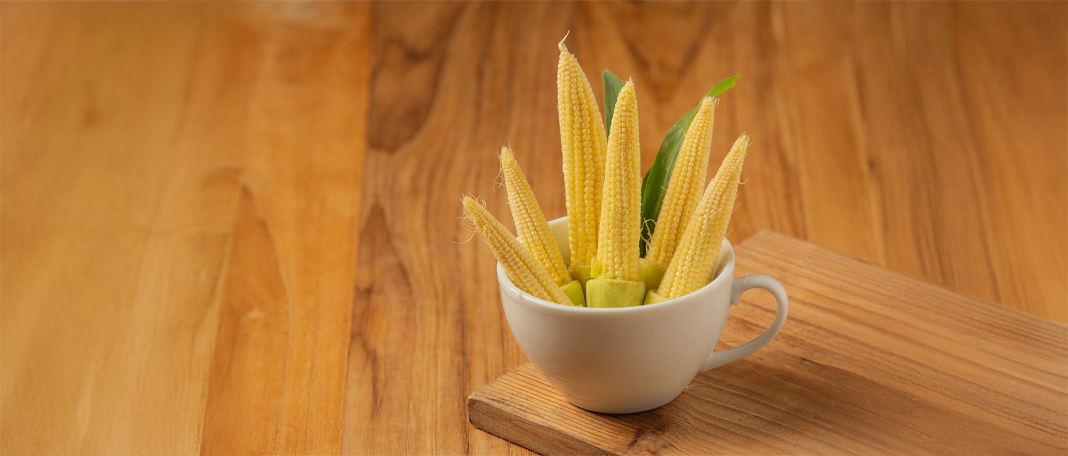
Baby corn, harvested from immature corn ears, is a miniature version of corn generally utilized in culinary dishes internationally. With a tender texture and moderate flavor, it’s rich in vital nutrients like vitamins A and C, fiber, and antioxidants.
Baby corn is valuable to your diet to prevent diabetes and reduce weight. You can add it to soups, salads, curries, and stews for better health.
Baby Corn Benefits
Incorporating baby corn into your diet can aid satiety, promote heart health, and provide important vitamins for overall well-being. So, the answer to the query, “Is baby corn healthy?” is “Yes, it is!” In the upcoming sections, let’s find out the reasons behind this answer.
Is Baby Corn Good for Diabetes?
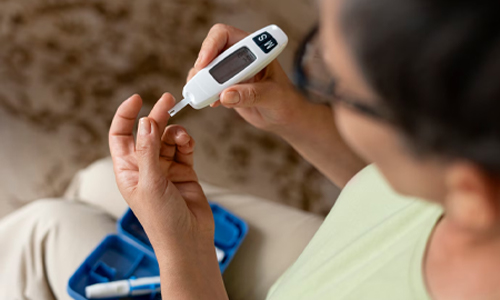
If you are diabetic, baby corn can be a smart addition to your diet. Let’s see how!
a. Low Glycemic Index (GI)
Foods with a low GI break down slowly and release sugar gradually, leading to a more stable rise in blood sugar levels. Baby corn belongs to this group of foods. Thus, blood sugar spikes and crashes can be prevented, promoting better blood sugar control.
b. High Fiber Content
The rich fiber content in baby corn slows down the digestion and absorption of glucose, further preventing blood sugar spikes. Imagine fiber as a traffic jam for sugar. It creates a gentle flow of sugar into the bloodstream, preventing a sudden surge. Fiber also helps with better bowel movement, which is crucial for diabetic patients.
c. Nutrient Density
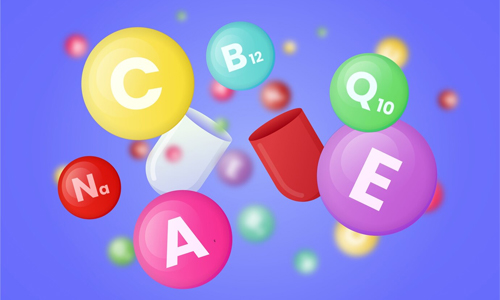
Baby corn packs a powerful punch of essential vitamins, minerals, and potassium:
-
- Vitamin C: A powerful antioxidant that helps manage inflammation, a contributing factor to the health of diabetic patients.
- Vitamin A: Plays a crucial role in maintaining healthy vision, which can gradually get affected in individuals with diabetes.
- Vitamin B6: Plays a significant role in metabolism, which is essential for people with diabetes.
- Potassium: Helps regulate blood pressure, another crucial factor in diabetes management.
Is Baby Corn Good for Weight Loss?

When it comes to weight loss, baby corn has several advantages. It’s time to take a look at them!
a. Low in Calories and Fat
A half-cup serving of baby corn contains only about 26 calories and negligible fat. This makes it a guilt-free addition to your meals, allowing you to feel satisfied without consuming excessive calories. Therefore, it is also a valuable addition to meal plans that focus on weight reduction.
b. Rich in Fiber
As stated earlier, baby corn boasts a good amount of dietary fiber, around 3.5 grams per half-cup serving. Fiber is known to promote satiety, keeping you feeling fuller for longer, and potentially reducing cravings, and snacking between meals.
Appetite Control

Baby corn prevents sudden sugar spikes and crashes that trigger hunger pangs. This is because baby corn has low GI (as mentioned earlier). This results in more stable blood sugar levels, which contribute to better appetite control and potentially aid in weight management.
Rich in Minerals
In addition to being a good source of vitamins, baby corn is rich in minerals like potassium, which helps regulate fluid balance and may indirectly aid weight management by reducing bloating.
In addition to all the above health benefits of baby corn for weight loss, it also offers versatility in cooking. Let’s see how!
Versatility in Cooking
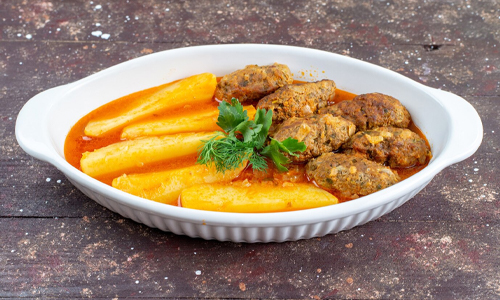
Baby corn can be a delightful addition to a diabetic diet. It can keep your meals both interesting and nutritious. Its mild flavor and crunchy texture make it a versatile ingredient for various dishes. You can add baby corn to salads, stir-fries, soups, and curries. You can even roast it to serve as a healthy evening snack.
This versatility allows you to add variety and nutrition to your meals while staying within your calorie goals.
Baby Corn vs. Regular Corn: Which Is Better for Diabetes and Weight Loss?
To understand which is better, first, you must know the differences between the two.
| Baby Corn | Regular Corn |
| Fewer calories than regular corn | More calories than baby corn |
| Also called young corn, baby sweetcorn, child corn, and cornlettes | Also called field corn or dent corn |
| Lower fat content | Higher fat content, compared to baby corn |
| Can help with weight loss | Can help with weight gain, especially when cooked with oil |
Healthy Recipes with Baby Corn for Diabetes and Weight Loss
1. Baby Corn Soup
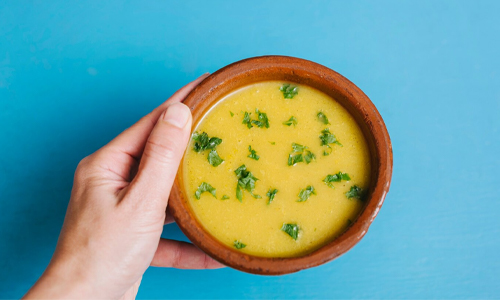
You can enjoy a healthy and delicious bowl of baby corn soup in the winter. You can also add other vegetables to this soup. A bowl of steaming hot soup will also be nutritious for your body.
2. Baby Corn Salad
You can start your day with a bowl of baby corn salad for breakfast. It is rich in fiber, which promotes a healthier diet. You can add onion, cucumber, capsicum, carrot, and other veggies to make a salad of your choice.
3. Chili Baby Corn
You can prepare chili baby corn or baby corn manchurian to try varieties of baby corn dishes. Adding chili flakes and veggies to it can notch up its delicious taste. You can also just fry baby corn and top it with tomatoes or sauce.
Fascinating Baby Corn Facts
- The baby corn ears are usually hand-picked by farmers when the corn silks appear from the ear tips.
- Baby corn is less profitable than regular corn.
- Many farms in Thailand are fully dedicated to growing this crop.
- It tastes awesome when cooked along with carrots, and snap peas!
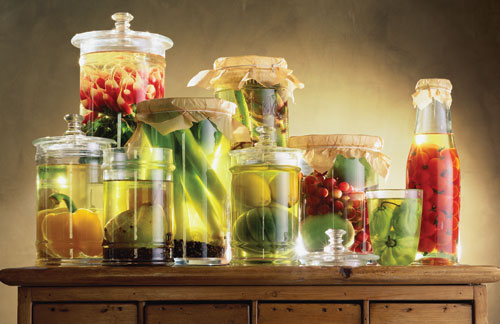
- It is not a travel-friendly food item and must be preserved in a refrigerated environment, or kept in jars.
Add Baby Corn to Make Your Meals Tastier and Healthier
We hope this blog has answered your question, “Is baby corn good for health?” There’s no doubt that baby corn makes your meals/snacks tastier and healthier. However, before you start adding it to your diet, make sure you consult your dietitian or healthcare provider to develop a diet plan that works for you!