
Good personal hygiene isn't just about looking presentable—it's a fundamental pillar of health that protects you from infections, boosts your immune system, and enhances your overall quality of life. In our interconnected world, maintaining proper hygiene habits has become more crucial than ever for preventing the spread of diseases and maintaining optimal health.
Research consistently shows that individuals who practice good hygiene habits experience fewer illnesses, have better social interactions, and enjoy improved mental health. Let's explore the essential daily hygiene practices that can transform your health and well-being.
Why Personal Hygiene Matters for Your Health
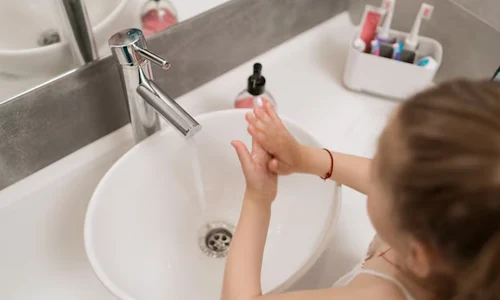
Personal hygiene serves as your first line of defense against harmful bacteria, viruses, and other pathogens. Our bodies naturally harbor millions of microorganisms, and while many are beneficial, others can cause serious health problems if allowed to multiply unchecked.
Poor hygiene habits can lead to skin infections, dental problems, gastrointestinal issues, and increased susceptibility to respiratory illnesses. Beyond physical health, good hygiene practices also contribute to mental well-being by boosting self-confidence and reducing anxiety in social situations.
1. Hand Washing: Your Most Important Defense
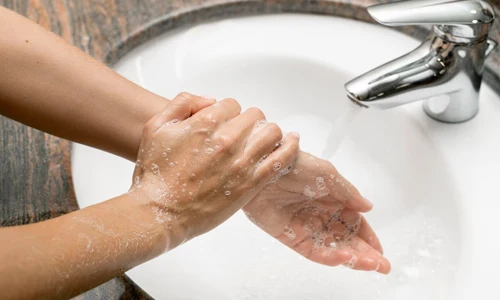
Hand washing remains the single most effective way to prevent the spread of infections. Your hands come into contact with countless surfaces throughout the day, picking up bacteria, viruses, and other contaminants.
Proper hand washing technique:
- Use warm water and soap
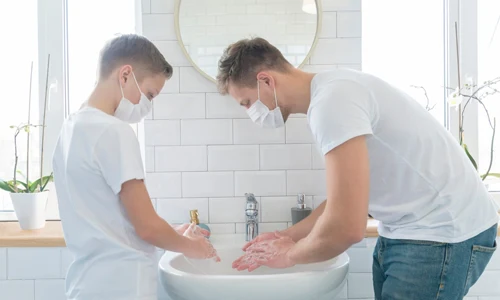
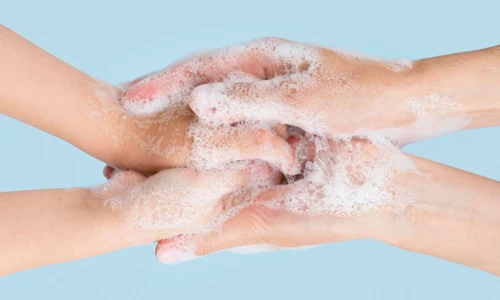
- Scrub for at least 20 seconds, including between fingers and under nails
- Rinse thoroughly and dry with a clean towel
- Wash your hands before eating, after using the restroom, after coughing or sneezing, and when returning home.
When to wash your hands:
- Before and after preparing food
- After touching animals or their waste
- After handling garbage
- After caring for someone who is sick
- Before and after treating wounds
2. Oral Hygiene: Protecting Your Smile and Overall Health
Poor oral hygiene doesn't just lead to bad breath and tooth decay—it's linked to serious health conditions, including heart disease, diabetes, and stroke. Bacteria from gum disease can enter your bloodstream and affect other organs.
Essential oral care routine:

- Brush teeth twice daily for two minutes using fluoride toothpaste
- Use proper brushing technique with gentle, circular motions
- Floss daily to remove plaque between teeth
- Use mouthwash to kill bacteria and freshen breath
- Replace your toothbrush every three months
- Schedule regular dental checkups every six months
Advanced oral care tips:
- Consider using an electric toothbrush for more effective plaque removal
- Brush your tongue to eliminate bacteria that cause bad breath
- Limit sugary and acidic foods that can erode tooth enamel
- Stay hydrated to maintain saliva production, which naturally cleanses your mouth
3. Daily Bathing and Showering

Regular bathing removes dead skin cells, excess oils, dirt, and bacteria that accumulate on your skin throughout the day. This practice helps prevent skin infections and body odor and maintains healthy skin barrier function.
Optimal bathing practices:
- Shower or bathe daily, or at a minimum every other day
- Use lukewarm water instead of hot water to prevent skin dryness
- Choose mild, pH-balanced cleansers appropriate for your skin type
- Focus on areas prone to bacterial growth: armpits, groin, and feet
- Moisturize your skin after bathing while it's still damp
Special considerations:
- People with dry or sensitive skin may benefit from less frequent washing
- Athletes or those who sweat heavily may need to shower twice daily
- Use separate towels for your body and face to prevent cross-contamination
4. Hair Care: More Than Just Appearance
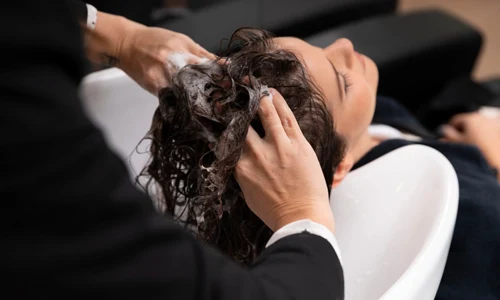
Clean hair isn't just about looks—it's about scalp health. Your scalp produces natural oils that can harbor bacteria and fungi if not properly managed. Regular hair washing removes excess oil, dead skin cells, and environmental pollutants.
Effective hair care routine:
- Wash hair 2-3 times per week for most hair types
- Use shampoo appropriate for your hair texture and scalp condition
- Focus shampooing on the scalp, not just the hair ends
- Use conditioner to protect hair from damage and maintain moisture
- Brush or comb hair daily to distribute natural oils and prevent tangles
Hair type considerations:
- Oily hair may require daily washing
- Dry or chemically-treated hair benefits from less frequent washing
- Those with scalp conditions should consult a dermatologist for specialized care
5. Nail Care: Small Details, Big Impact
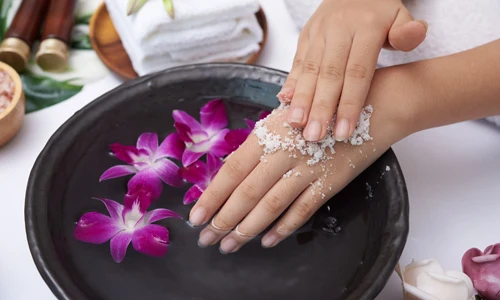
Your fingernails and toenails can harbor significant amounts of bacteria and fungi. Proper nail care prevents infections and reduces the risk of spreading germs to yourself and others.
Comprehensive nail care:
- Trim nails regularly, keeping them short and clean
- Clean under nails daily during hand washing
- File nails to prevent sharp edges that can harbor bacteria
- Avoid biting nails or picking at cuticles
- Keep feet clean and dry to prevent fungal infections
- Wear clean socks daily and choose breathable footwear
Warning signs to watch for:
- Persistent nail discoloration
- Thick, brittle, or crumbling nails
- Painful swelling around nails
- Persistent odor from feet or hands
6. Clothing and Laundry Hygiene

Clean clothing acts as a barrier between your skin and environmental contaminants while preventing the buildup of body oils, sweat, and bacteria that can cause skin irritation and odor.
Clothing hygiene best practices:
- Change underwear and socks daily
- Wash clothes after each wear, especially items that come into direct contact with skin
- Use appropriate water temperature and detergent for different fabric types
- Ensure clothes are completely dry before storing to prevent mold growth
- Replace worn-out undergarments that have lost their shape or effectiveness
Special attention areas:
- Workout clothes should be washed immediately after use
- Bedding should be changed weekly
- Towels should be washed every 3-4 uses and dried completely between uses
7. Feminine and Masculine Hygiene
Intimate hygiene requires special attention due to the sensitive nature of the genital areas and their susceptibility to infections when not properly cared for.
General intimate hygiene guidelines:
- Use mild, unscented cleansers specifically designed for intimate areas
- Clean from front to back to prevent bacterial contamination
- Wear breathable, cotton underwear
- Change underwear if it becomes damp from sweat or discharge
- Avoid douching, which can disrupt natural bacterial balance
For women specifically:
- Change menstrual products regularly
- Choose appropriate menstrual products for your flow and activity level
- Be aware of changes in discharge that might indicate infection
For men specifically:
- Practice proper cleaning of uncircumcised areas
- Be aware of any unusual discharge or odor
- Maintain good hygiene, especially during physical activity
8. Foot Care: Foundation of Health
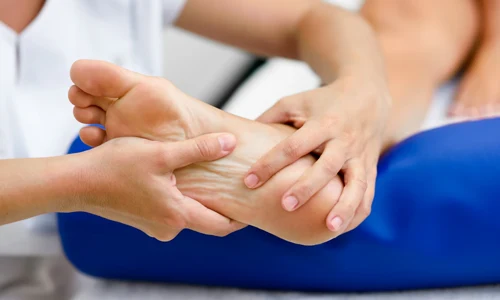
Your feet support your entire body weight and are enclosed in shoes for most of the day, creating a warm, moist environment perfect for bacterial and fungal growth. Proper foot care prevents infections and maintains overall foot comfort.
Comprehensive foot care routine:
- Wash feet daily with soap and water, paying attention to the spaces between toes
- Dry feet thoroughly, especially between toes
- Apply moisturizer to prevent dry, cracked skin
- Trim toenails straight across to prevent ingrown nails
- Wear clean, dry socks made from moisture-wicking materials
- Rotate shoes to allow them to dry completely between wears
Preventing common foot problems:
- Use antifungal powder if prone to athlete's foot
- Wear shower shoes in public facilities
- Choose properly fitting shoes that don't crowd toes
- Inspect feet regularly for cuts, sores, or changes in skin color
9. Sleep Hygiene: Rest for Optimal Health

Quality sleep is essential for immune function, and your sleep environment plays a crucial role in both sleep quality and hygiene. A clean sleep space reduces exposure to allergens and promotes better rest.
Sleep hygiene essentials:
- Change pillowcases twice weekly to prevent oil and bacteria buildup
- Wash sheets weekly in hot water to eliminate dust mites
- Shower before bed to remove the day's accumulation of dirt and pollutants
- Keep the bedroom clean and well-ventilated
- Replace pillows regularly, as they can harbor allergens and lose support
Creating a healthy sleep environment:
- Maintain optimal room temperature (60-67°F)
- Use hypoallergenic bedding if you have allergies
- Keep pets out of the bedroom if you have allergies
- Vacuum and dust the bedroom regularly
10. Environmental Hygiene: Your Personal Space

Your immediate environment has a significant impact on your personal hygiene and health. Maintaining clean living and working spaces reduces exposure to harmful bacteria, allergens, and toxins.
Key areas to focus on:
- Kitchen: Clean surfaces regularly, wash dishes promptly, store food properly
- Bathroom: Disinfect regularly, ensure proper ventilation, replace personal items as needed
- Bedroom: Keep clean and organized, wash bedding regularly, and maintain good air circulation
- Personal items: Clean phones, keyboards, and frequently touched surfaces daily
Daily environmental habits:
- Make your bed each morning to reduce dust mite accumulation
- Clean up spills immediately to prevent bacterial growth
- Take out trash regularly to prevent odors and pest attraction
- Maintain good ventilation to prevent moisture buildup
Common Hygiene Mistakes to Avoid
Even well-intentioned hygiene practices can sometimes do more harm than good. Here are common mistakes that can compromise your health:
Over-cleaning: Excessive washing can strip away protective natural oils and beneficial bacteria, leading to skin irritation and increased susceptibility to infections.
Using harsh products, such as antibacterial soaps and strong chemicals, can disrupt your skin's natural protective barrier and contribute to antibiotic resistance.
Neglecting hidden areas: Areas such as behind the ears, between the toes, and under the arms require special attention but are often overlooked.
Sharing personal items, such as toothbrushes, razors, and towels, can spread bacteria and infections between individuals.
Inconsistent routines: Sporadic hygiene habits are less effective than consistent daily practices.
Age-Specific Hygiene Considerations

Hygiene needs vary throughout life stages, and adapting your routine accordingly ensures optimal health at every age.
Children and adolescents: Need guidance in developing good habits, extra attention during puberty when hormone changes affect skin and body odor, and age-appropriate products that won't irritate sensitive skin.
Adults: Should maintain consistent routines, adapt practices based on lifestyle factors like exercise and work environment, and pay attention to changing skin needs with age.
Seniors: May need assistance with certain hygiene tasks, require gentler products for aging skin, and should focus on preventing infections that could be more serious due to weakened immune systems.
Building Sustainable Hygiene Habits
Creating lasting hygiene habits requires consistency and a gradual implementation approach. Start by focusing on one or two areas and gradually expand your routine as new habits become automatic.
Tips for success:
- Set specific times for hygiene activities to create a routine
- Keep necessary supplies easily accessible
- Use reminders until habits become automatic
- Adapt routines to fit your lifestyle and schedule
- Celebrate small victories to maintain motivation
Making hygiene convenient:
- Keep hand sanitizer in convenient locations
- Prepare hygiene supplies the night before
- Choose multi-purpose products when appropriate
- Create hygiene kits for travel or work
The Connection Between Hygiene and Mental Health
Good hygiene practices contribute significantly to mental well-being and social confidence. When you feel clean and well-groomed, you're more likely to engage positively with others and feel confident in social situations.
Research indicates that individuals who maintain good hygiene habits tend to experience lower levels of stress and anxiety, possess better self-esteem, and engage in more positive social interactions. The act of caring for yourself through hygiene routines can also serve as a form of self-care that promotes mental wellness.
Your Path to Better Health Through Hygiene
Personal hygiene is a cornerstone of good health that extends far beyond appearance. These ten essential habits work together to create a comprehensive approach to wellness that protects you from illness, boosts your confidence, and enhances your quality of life.
Remember that developing good hygiene habits is a gradual process. Start with the basics—hand washing, oral care, and daily bathing—then expand your routine to include the other practices discussed. Consistency is more important than perfection, and even small improvements in your hygiene routine can have significant impacts on your health.
By making personal hygiene a priority, you're investing in your long-term health and wellbeing. These habits will serve you throughout your life, helping you stay healthy, confident, and ready to face whatever challenges come your way.
Frequently Asked Questions About Personal Hygiene
How can I maintain personal hygiene after returning from work or public places?
After spending time in public spaces or at work, your body and clothes have been exposed to various contaminants. Here's what you should do immediately upon returning home:
Essential post-outing routine:
- Wash your hands thoroughly for 20 seconds before touching anything in your home
- Change into clean clothes, especially if you used public transportation
- Take a shower if you've been in crowded places, used public facilities, or sweated significantly
- Clean your phone, keys, and wallet with disinfectant wipes
- Put worn clothes directly into the laundry basket
- If you can't shower immediately, at least wash your face and hands, and change your shirt
Why this matters: Public spaces harbor countless germs, and your clothes and skin can carry these pathogens into your clean home environment. This routine acts as a "decontamination" process that protects both you and your family members.
Is it okay to hold in urine to avoid using dirty public toilets?
No, regularly holding in urine is not a good habit and can lead to serious health problems, even if public toilets seem unclean.
Health risks of holding urine:
- Urinary tract infections (UTIs) due to bacterial growth
- Bladder dysfunction and weakening of the bladder muscles
- Kidney problems if the habit becomes chronic
- Increased risk of bladder stones
- Potential for bladder distention and damage
Safe alternatives when facing dirty public toilets:
- Carry antibacterial wipes to clean the toilet seat
- Use a toilet seat cover or create one with toilet paper
- Hover over the seat without touching it (for women)
- Use hand sanitizer after washing hands if soap isn't available
- Look for cleaner alternatives like restaurants, hotels, or department stores
- Carry a small pack of tissues for personal use
Remember: The temporary discomfort of using a less-than-ideal toilet is far less dangerous than the long-term health consequences of regularly holding urine.
How can I instill good personal hygiene habits in my children?
Teaching children hygiene requires patience, consistency, and making it fun rather than a chore. Children learn best through routine and positive reinforcement.
Age-appropriate strategies:
Ages 2-5:
- Make hand washing fun with songs (sing "Happy Birthday" twice)
- Use colorful soaps or fun-shaped soap dispensers
- Create a hygiene chart with stickers for completed tasks
- Let them choose their own toothbrush and toothpaste flavor
- Read books about hygiene and health
6-10:
- Explain the "why" behind hygiene rules in simple terms
- Show them germs under a microscope if possible, or use glitter demonstrations
- Establish morning and evening routines that they can follow independently
- Praise good habits and gently correct mistakes
- Lead by example with your own hygiene practices
11+:
- Discuss body changes and increased hygiene needs during puberty
- Address sensitive topics like body odor and acne with empathy
- Provide quality personal care products suited to their changing needs
- Respect their growing need for privacy while ensuring standards are met
- Connect hygiene to social confidence and self-respect
Universal tips for all ages:
- Never shame a child for hygiene mistakes
- Make supplies easily accessible at their height
- Create positive associations with cleanliness
- Be patient as habits take time to develop
- Celebrate improvements and milestones
Why do I still get sick even though I practice good hygiene?
Good hygiene significantly reduces your risk of illness, but doesn't make you completely immune. Several factors contribute to this:
Hygiene limitations:
- You can't control hygiene in all environments you visit
- Some pathogens are airborne and can't be prevented by surface cleaning
- Immune system strength varies based on stress, sleep, and overall health
- Some people are more susceptible to certain types of infections
- Hygiene prevents many illnesses, but not all health issues are infection-related
Other factors affecting health:
- Genetics and underlying health conditions
- Nutrition and exercise habits
- Stress levels and mental health
- Environmental factors like air quality
- Age-related immune system changes
What good hygiene actually does: It reduces your overall "pathogen load" – the total number of harmful microorganisms your immune system must fight. Even if you still get sick occasionally, your illnesses are likely less severe and less frequent than they would be without good hygiene.
How often should I replace common hygiene items?
Many people use hygiene products far longer than recommended, which can actually compromise cleanliness and health.
Replacement timeline:
- Toothbrushes: Every 3 months or after being sick
- Washcloths: Daily use requires daily washing; replace when they start to smell, even after washing
- Loofahs/bath sponges: Every 3-4 weeks (they harbor bacteria in their fibers)
- Makeup sponges: After every use, if reusable, or use disposable ones
- Towels: Wash every 3-4 uses, replace when they stop absorbing water well
- Pillowcases: Change twice weekly; replace pillows every 1-2 years
- Razors: Disposable razors after 5-7 uses; cartridge refills monthly
- Nail files: Clean after each use, replace when they become too rough
Why replacement matters: Over time, hygiene tools become breeding grounds for bacteria and lose their effectiveness. Using old items can actually spread germs rather than remove them.
Can I use the same towel for my face and body?
While not immediately dangerous, using separate towels for your face and body is a better hygiene practice, especially if you have sensitive or acne-prone skin.
Why are separate towels better?
- Facial skin is more delicate and sensitive than body skin
- Body towels may harbor bacteria from areas like the feet and groin
- Cross-contamination can worsen acne or cause skin irritation
- Face towels need more frequent washing due to contact with sensitive areas
If you must use one towel:
- Always dry your face first, then your body
- Wash towels more frequently (after 2-3 uses instead of 3-4)
- Avoid using the same section of the towel for the face and the body
- Pay extra attention if you develop any skin issues
Is it better to shower in the morning or evening?
Both have benefits, and the best choice depends on your lifestyle, skin type, and personal preferences.
Morning shower benefits:
- Wakes you up and energizes you for the day
- Removes overnight oil and sweat buildup
- Better for people with oily hair who need daily washing
- Good for people who exercise in the morning
- Helps you feel fresh and confident for social interactions
Evening shower benefits:
- Removes day's accumulation of dirt, pollutants, and stress
- Better for sleep hygiene (clean body = clean bedding)
- Relaxing routine that can improve sleep quality
- More practical for people with long hair that takes time to dry
- Prevents bringing outdoor contaminants into bed
The ideal choice depends on:
- Your daily schedule, and when you have time
- Whether you exercise and when
- Your skin and hair type
- Whether you work in a dirty environment
- Your personal energy patterns
Pro tip: Some people benefit from a quick rinse in the morning and a full shower in the evening, especially during hot weather or high-activity periods of high activity.
Your hygiene routine is personal and should be adapted to your individual needs, lifestyle, and health conditions. When in doubt, consult with healthcare professionals who can provide personalized guidance based on your specific situation. With commitment and consistency, these essential hygiene habits will become second nature, supporting your health and enhancing your life for years to come.