

Bad breath can be a real confidence crusher. Whether you're heading into a work meeting, leaning in for a hug, or chatting over coffee, noticing (or being told about) foul breath can be embarrassing. But here’s the good news: most causes of bad breath are totally manageable once you know the "why" behind them.
So today, let’s break down the 5 most common reasons for bad breath, with simple explanations and practical tips to tackle each one.
1. Poor Oral Hygiene
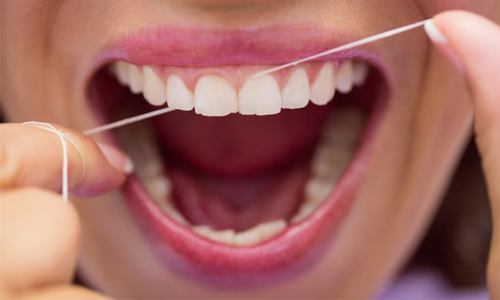
“It starts with the basics: brush, floss, repeat.”
We know you’ve heard it before, but it’s worth repeating—not brushing and flossing properly is the #1 cause of bad breath.
- Food particles linger: Leftover bits of food (especially between teeth) feed bacteria, which then produce smelly sulfur compounds.
- Tongue buildup: A coated tongue can harbor bacteria. Scraping or brushing your tongue daily helps a lot.
- Plaque = smell central: When plaque isn’t removed, it hardens into tartar, trapping odor-causing bacteria.
Fix it: Brush twice a day, floss once, and use a tongue scraper. Consider mouthwash, but don’t let it replace brushing.
2. Dry Mouth (Xerostomia)
“Saliva: your natural mouth freshener.”
Did you know that saliva actually helps clean your mouth? A dry mouth means less saliva, and that gives bacteria a chance to thrive.
- Morning breath is real: While you sleep, saliva production slows down—so even healthy mouths can stink in the morning.
- Medications matter: Common meds for allergies, anxiety, depression, or high blood pressure, diabetes can cause bad breath.
- Mouth breathing: Breathing through your mouth (especially at night) also dries things out.
Fix it: Stay hydrated. Try sugar-free gum or lozenges to stimulate saliva. If it’s medication-related, talk to your doctor.
3. Certain Foods and Drinks
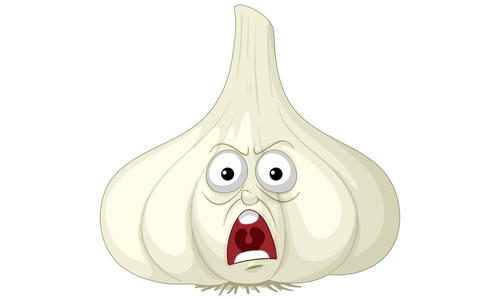
“Garlic is the usual suspect—but it’s not alone.”
Some foods don’t just sit in your mouth—they enter your bloodstream and exit through your lungs as you breathe.
- Garlic and onions: They contain sulfur compounds that linger in your body long after digestion.
- Coffee and alcohol: Both dry out the mouth and can leave a strong odor.
- High-protein or low-carb diets: These can lead to ketone breath, a specific type of bad breath.
Fix it: Rinse your mouth after strong-smelling meals. Chew parsley or mint. Keep water handy if you drink coffee or alcohol.
4. Underlying Health Conditions

“Sometimes, bad breath is your body’s way of waving a red flag.”
Chronic bad breath (aka halitosis) isn’t always about hygiene or food. It can be a sign of deeper issues.
- Gum disease: If your breath smells metallic or foul and you notice bleeding gums, see a dentist.
- Sinus infections or post-nasal drip: Mucus buildup can lead to odor.
- Acid reflux (GERD): Stomach acid backing up can cause a sour smell.
- Diabetes, liver, or kidney conditions: These can also cause distinct breath odors.
Fix it: If regular brushing doesn’t help, talk to a dentist or physician. Bad breath might be your body's way of saying, “Hey, check this out.”
5. Skipping Meals or Crash Dieting
“An empty stomach can create… an empty-smelling mouth?”
It sounds odd, but it’s true. Skipping meals—or extreme dieting—can cause bad breath.
- Less chewing = less saliva: When you skip meals, your mouth produces less saliva, which allows odor-causing bacteria to thrive.
- Fasting = ketone production: Low-carb or intermittent fasting diets can cause your body to release ketones, leading to a distinct fruity or acetone-like odor.
Fix it: Try not to skip meals. If you’re fasting for health or weight reasons, be extra diligent with oral hygiene and hydration.
Bad breath happens to the best of us—but it’s usually fixable with a few lifestyle tweaks and a little awareness. Whether it’s brushing better, staying hydrated, or being mindful of what you eat, small habits can make a big difference. And remember—if breath issues stick around despite your efforts, don’t hesitate to speak to a professional.