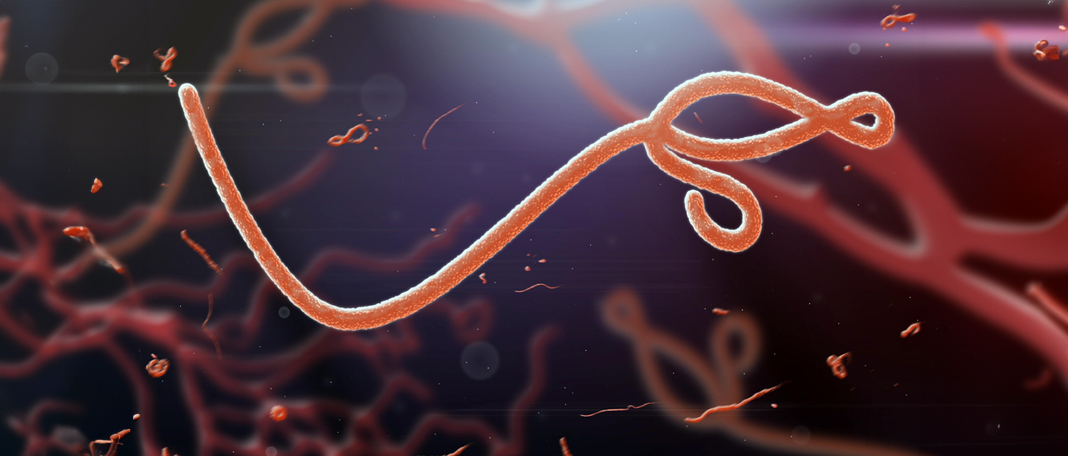
Imagine a virus so deadly that it can cause fatal bleeding, organ failure, and shock within days. This virus exists, and it’s called Ebola. Ebola Virus Disease (EVD) was first discovered in 1976 near the Ebola River in Central Africa. With no known cure and a history of high fatality rates, it’s essential to understand this dangerous disease. So, let’s see everything about the virus, from how it spreads to how it can be treated.
What is Ebola Virus?
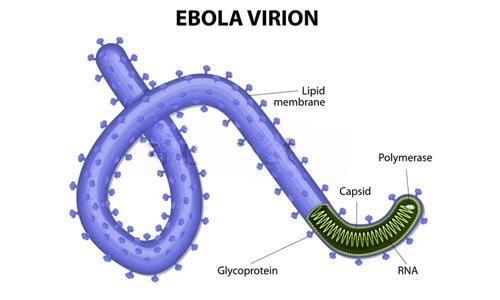
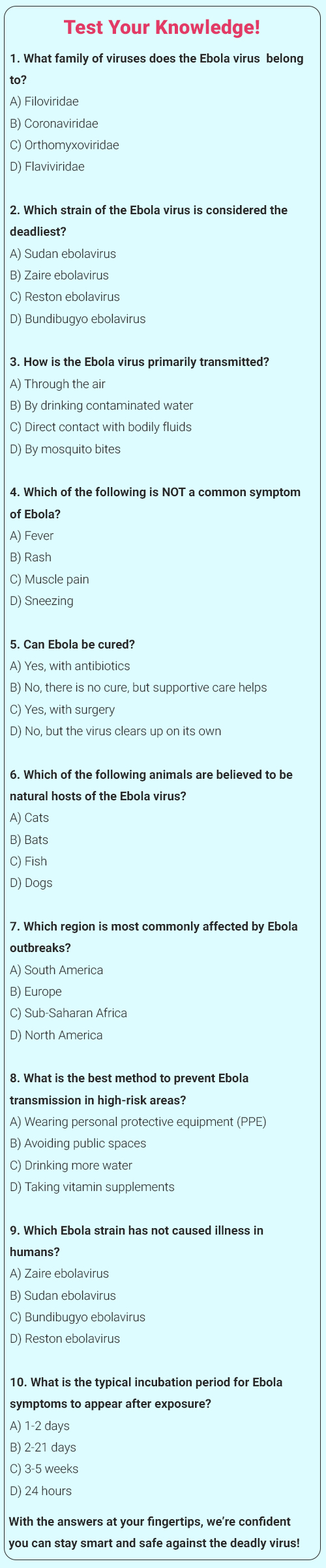
Ebola Virus Disease is a rare but severe illness caused by the Ebola virus, which belongs to a family of viruses known as Filoviridae. It leads to severe illness, often characterized by bleeding, organ failure, and, in many cases, death. The virus targets the immune system and internal organs, causing extensive damage with high mortality rates. The virus affects humans and primates (monkeys, gorillas, and chimpanzees) and leads to severe viral hemorrhagic fever.
Types of Ebola Virus
It isn't just one virus but has multiple strains. There are five known species of the virus, and four of them can infect humans:
1. Zaire ebolavirus
The most dangerous and deadliest strain, responsible for most major outbreaks.
2. Sudan ebolavirus
It is also highly fatal but with a slightly lower mortality rate than in Zaire.
3. Taï Forest ebolavirus
Found primarily in Africa, it is a rare strain with only one confirmed human case.
4. Bundibugyo ebolavirus
It was discovered in Uganda and associated with sporadic outbreaks. It also causes smaller outbreaks but with a moderate fatality rate.
5. Reston ebolavirus
Interestingly, this strain primarily affects animals and has not caused illness in humans so far.
Each of these species has its characteristics and lethality, but the Zaire strain is the one responsible for the largest outbreaks.
How is Ebola Transmitted?
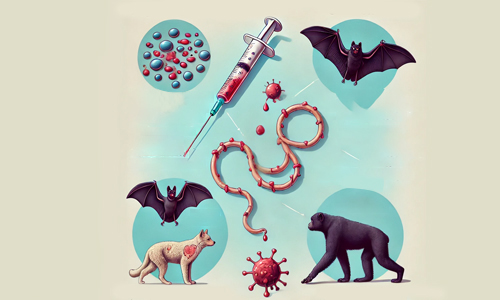
The transmission occurs through direct contact with:
- Blood or bodily fluids (saliva, sweat, urine, vomit) of someone who is infected or has died from this disease.
- Contaminated objects like needles or surfaces.
- The virus can jump from animals to humans, primarily through contact with bats or primates.
Healthcare workers and family members of infected individuals are particularly vulnerable.
Symptoms of Ebola
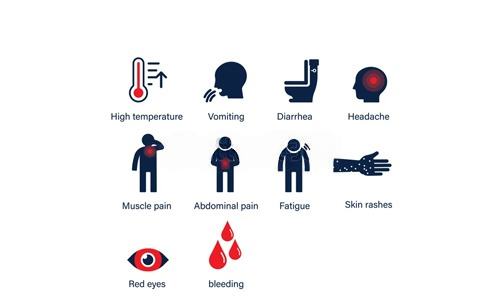
Once the virus enters the body, it begins to replicate rapidly and incubates for 2 to 21 days. But how do you know if someone has this disease? Here are some telltale symptoms:
Early symptoms include:
- Fever
- Fatigue
- Muscle pain
- Headaches
- Sore throat
As the disease progresses, it leads to more severe symptoms like:
- Vomiting and diarrhea
- Skin rash
- Internal and external bleeding
- Impaired kidney and liver function
The severity of these symptoms underscores the importance of early detection and treatment.
Diagnosis & Tests for Ebola Virus Disease
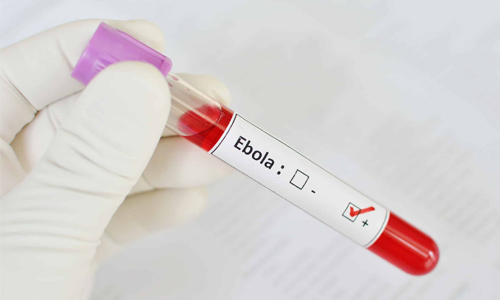
Diagnosing is challenging in the early stages due to its similarity to other diseases like malaria and typhoid. Diagnosis is typically done through:
- Blood tests to look for the presence of the virus RNA or antibodies.
- Polymerase Chain Reaction (PCR) test amplifies the viral genetic material for easy detection.
- ELISA (Enzyme-Linked Immunosorbent Assay) detects antibodies to confirm if a person has had this disease.
Timely diagnosis is crucial for isolating the patient and preventing the virus from spreading.
Treatments for Ebola
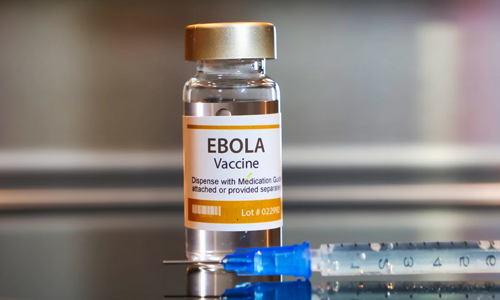
Currently, there's no guaranteed cure, but early medical care can improve survival chances. Treatments mainly focus on supportive care, such as:
- Hydration (to replace lost electrolytes), oxygen therapy (to maintain oxygen levels in the blood), and blood pressure management are essential.
- Drugs like Remdesivir and Inmazeb (a combination of three monoclonal antibodies) have shown promise in recent outbreaks.
- The Ervebo (rVSV-ZEBOV) vaccine has been approved and can prevent the Zaire strain.
Prevention & Control of Ebola Virus Disease
Preventing requires a combination of personal hygiene, community awareness, and healthcare intervention. Key prevention methods include:
- Avoid contact with the blood and bodily fluids of infected people or animals.
- Using protective gear (like gloves and face masks) when caring for an infected person.
- Isolating patients who are infected to prevent the virus from spreading.
- It can be transmitted through the body of a deceased person, so strict burial practices must be followed.
- Personal protective equipment (PPE) is essential for healthcare workers.
- Frequent handwashing with soap or using alcohol-based hand sanitizers.
Survival Rate of Ebola Virus Disease
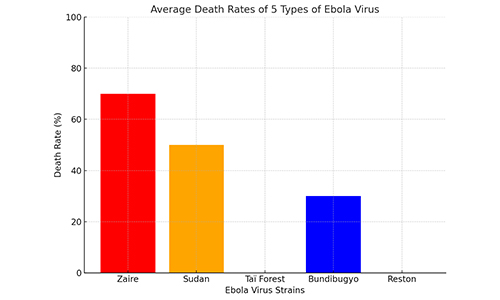
It can vary significantly, depending on the strain and access to medical care. For example, the Zaire strain has a mortality rate as high as 90%, while other strains, like Sudan, have lower fatality rates (around 50-60%). The Ervebo vaccine and experimental drugs have also helped to increase survival rates in recent outbreaks.
Key Myths and Facts About Ebola Virus Disease
- Myth: Ebola is highly contagious or spread through the air.
Fact: No – Ebola is only spread by direct contact with the bodily fluids (blood, saliva, vomit, etc.) of a person showing symptoms. It does not spread through casual airborne droplets. People cannot catch Ebola by being near or breathing the same air as an infected person; strict protective measures are only needed when fluids could be exchanged (e.g. caring for a patient or handling remains). - Myth: You can catch Ebola from someone who looks perfectly healthy.
Fact: Not true – Ebola cannot be passed by casual contact or through the air. A person must be sick with symptoms to be contagious. Until symptoms appear (fever, vomiting, etc.), an infected individual cannot spread Ebola. This means people without symptoms – even if infected – are not a risk to others under normal circumstances. - Myth: Ebola can be caught from casual contact (like shaking hands or touching objects).
Fact: Ebola requires direct contact with infected blood or body fluids of a sick person. It is not spread by simply touching a patient’s skin, shaking hands, or touching surfaces. Only if you touch an infected fluid (for example, rubbing your eyes after handling contaminated blood) could you get infected; normal social contact is safe if no fluids are exchanged. - Myth: Mosquitoes, flies, water or food can spread Ebola.Fact:There’s no evidence for these routes. Ebola is not spread by insects or by the food and water we commonly use. Standard food and water supplies are safe, and routine mosquitoes or flies do not carry the virus. Infection has only occurred through handling body fluids (or infected animals like bats/primates), not through insect bites or treated water or cooked food.
- Myth: Ebola symptoms appear immediately after exposure.
Fact: Symptoms usually take days to develop. The incubation period is 2–21 days (typically 8–10 days). During this time, an exposed person feels fine and cannot transmit the virus. Only when symptoms start (fever, pain, vomiting, etc.) does the person become contagious, so immediate illness is not how Ebola works. - Myth: Travel bans, strict quarantines or airport screenings will completely stop Ebola.
Fact: These measures help but aren’t foolproof. Travel restrictions can slow spread but cannot be 100% effective. Some infected people may pass initial screening (for example, if they are not yet symptomatic) and any fever or illness might be from many causes, so no system is perfect. The best protection is rapid detection and isolation of actual cases, not only blanket bans. - Myth: Ebola is a far worse threat than seasonal flu for most people.
Fact: In terms of everyday risk, this is false. Influenza causes far more cases, deaths and disability each year than Ebola does. Ebola outbreaks are dangerous locally, but globally the flu is a much bigger public health threat. Unlike Ebola, flu has a vaccine and infects millions annually, while Ebola remains rare (though deadly to those infected). - Myth: Ebola only happens in Africa and can’t reach other countries.
Fact: Ebola outbreaks have largely occurred in Africa, but it can appear elsewhere through travel. The first U.S. case in 2014 was a traveler from Liberia. This shows that if infected people travel before knowing they’re sick, the virus can arrive anywhere. With proper precautions and response, any country can protect itself against imported cases – it isn’t “just an African problem.”
Sources: Public health authorities and experts explain that Ebola’s spread is limited to symptomatic patients’ fluids, that casual or airborne transmission doesn’t occur, and clarify common myths (e.g. about flu vs. Ebola and survival rates). These fact-vs-myth summaries draw on official CDC, WHO and health department guidance to correct Ebola misinformation.
Additional Common Questions

1. Can Ebola be cured?
While there's no specific cure, vaccines, and experimental treatments have helped reduce mortality rates.
2. Can you get Ebola twice?
Survivors typically develop immunity to the strain they were infected with, but they can still contract a different strain.
3. Can Ebola be spread through the air?
No, it is not airborne. It spreads through direct contact with infected bodily fluids.
4. How is Ebola different from other viruses?
Its high fatality rate and hemorrhagic symptoms (bleeding) make it far more dangerous than common viruses like the flu or COVID-19.
Ebola Virus Disease may be one of the deadliest viral diseases, but with increased awareness, prevention strategies, and vaccines, there’s hope for controlling future outbreaks. While the survival rate can be daunting, early intervention, proper medical care, and following preventive measures make a huge difference.