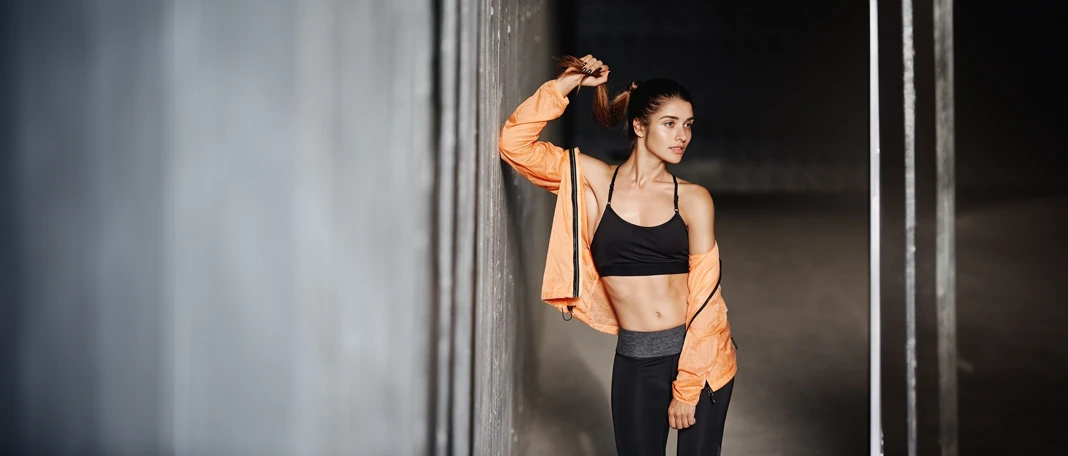
Starting a new fitness routine is exciting, but let's be honest - figuring out what to wear to the gym can feel overwhelming! Whether you're a complete beginner stepping into a gym for the first time or someone looking to upgrade their workout wardrobe, choosing the right gym clothes can make a huge difference in your comfort, performance, and confidence.
The good news? You don't need to spend a fortune or look like a fitness influencer to have an effective workout. With the right knowledge about gym apparel, you'll feel comfortable, move freely, and focus on what really matters - your health and fitness goals.
Let's dive into everything you need to know about selecting the best gym clothes for your workouts!
Why Your Gym Outfit Matters More Than You Think
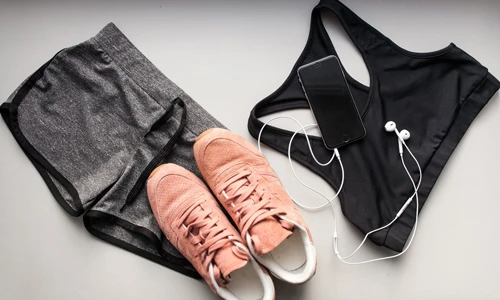
Before we get into the specifics, let's talk about why choosing the right workout clothes is actually important for your health and fitness success:
Performance Benefits
- Proper moisture-wicking keeps you dry and comfortable
- Good support prevents injury and discomfort
- Flexible fabrics allow full range of motion
- Appropriate footwear protects your joints and improves stability
Psychological Benefits
- Feeling good in your clothes boosts confidence
- Having dedicated workout clothes creates a "fitness mindset"
- Comfort allows you to focus on your workout, not wardrobe malfunctions
- Looking put-together can motivate you to show up consistently
8 Essential Tips: What to Wear to the Gym
1. Choose Moisture-Wicking Fabrics
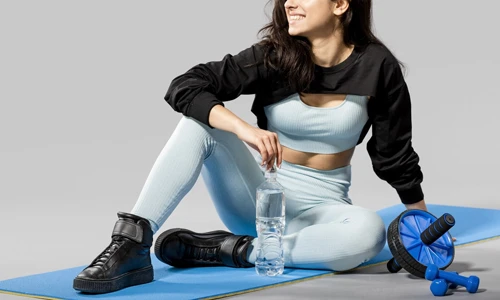
Why it matters: Cotton might feel soft, but it absorbs sweat and stays wet, making you uncomfortable and potentially causing chafing or skin irritation.
What to look for:
- Polyester blends
- Merino wool (great for temperature regulation)
- Nylon and spandex combinations
- Fabrics labeled "moisture-wicking" or "quick-dry"
Avoid: 100% cotton shirts and pants for intense workouts
Health benefit: Staying dry reduces the risk of fungal infections and skin irritation, especially in areas prone to chafing.
2. Invest in Proper Athletic Footwear
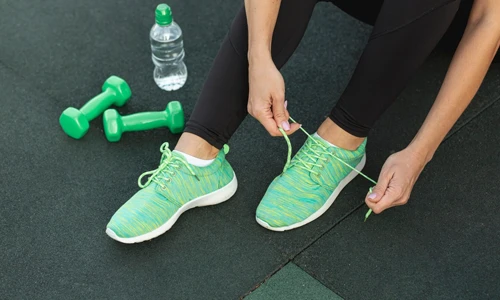
Why it matters: The wrong shoes can lead to injuries, joint pain, and poor workout form. Your feet are your foundation for almost every exercise!
For different activities:
- Cross-training shoes: Best for gym workouts, weightlifting, and varied activities
- Running shoes: Specifically for cardio and treadmill work
- Weightlifting shoes: Flat, stable soles for heavy lifting (optional but helpful)
Key features to look for:
- Proper arch support for your foot type
- Adequate heel cushioning
- Breathable materials
- Secure fit without being too tight
Replace your gym shoes every 300-500 miles or 6-8 months of regular use to maintain proper support and cushioning.
3. Get the Right Sports Bra Support (Non-Negotiable for Women)
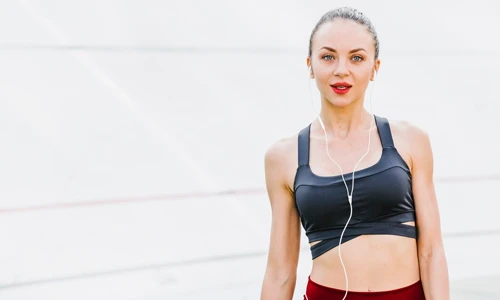
Why it's crucial: Inadequate breast support during exercise can lead to pain, discomfort, and even long-term tissue damage.
Support levels you need:
- Low support: Yoga, walking, light stretching
- Medium support: Cycling, hiking, weight training
- High support: Running, HIIT, jumping exercises
Features that matter:
- Wide, padded straps that don't dig in
- Moisture-wicking fabric
- Proper band fit (should be snug but not restrictive)
- Easy to put on and take off when sweaty
Fit check: You should be able to fit two fingers under the band, and there should be no spillage or gaps.
4. Select Flexible, Well-Fitted Bottoms
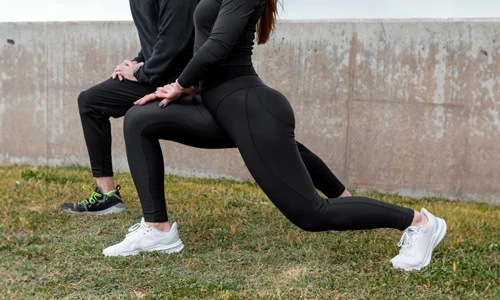
Why fit matters: Ill-fitting workout pants can restrict movement, cause chafing, or create embarrassing wardrobe malfunctions during exercises.
Best options for different body types:
- High-waisted leggings: Great support and coverage for most activities
- Compression shorts: Excellent for running and high-intensity workouts
- Loose athletic shorts: Perfect for weightlifting and less intense cardio
- Capri leggings: Good compromise between coverage and breathability
Features to prioritize:
- Four-way stretch fabric
- Flat seams to prevent chafing
- Secure waistband that won't roll down
- Side pockets for phone or keys (game-changer!)
5. Layer Smart for Temperature Control (Adapt to Your Workout)
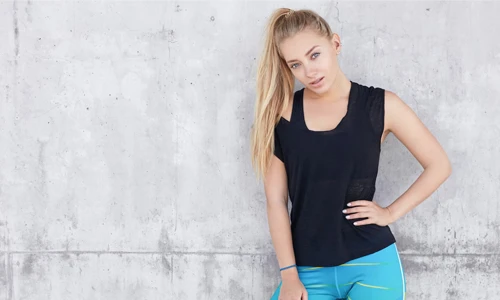
Why layering works: Your body temperature changes throughout your workout, and the gym environment might vary from the weather outside.
Smart layering strategy:
- Base layer: Moisture-wicking tank or t-shirt
- Mid layer: Light zip-up hoodie or cardigan for warm-up
- Outer layer: Light jacket for traveling to/from gym
Pro tip: Choose layers you can easily remove and tie around your waist or store in a gym bag.
Temperature considerations:
- Start slightly cool - you'll warm up quickly during exercise
- Avoid overdressing, which can lead to overheating and excessive sweating
- Consider the gym's typical temperature and ventilation
6. Don't Forget the Accessories (Small Things, Big Impact)
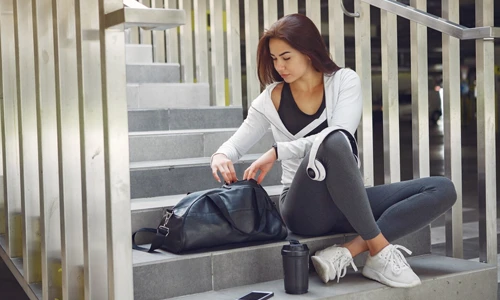
Essential accessories for better workouts:
For hygiene and comfort
- Absorbent headband or hair ties
- Small workout towel
- Antimicrobial socks (prevent foot odor and infections)
- Breathable underwear (seamless options prevent chafing)
For performance
- Supportive athletic gloves for weightlifting
- Water bottle to stay hydrated
- Fitness tracker or watch (if you use one)
- Gym bag with separate compartments for clean/dirty clothes
Health tip: Change out of sweaty clothes as soon as possible after your workout to prevent bacterial growth and skin issues.
7. Consider Your Workout Type (Different Activities, Different Needs)
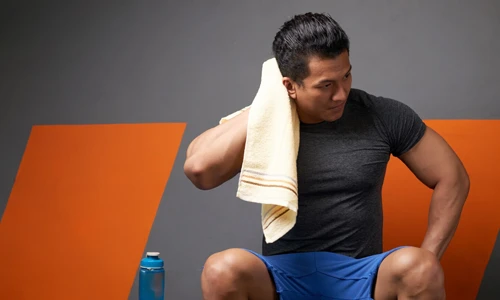
Cardio-focused workouts:
- Lightweight, breathable fabrics
- High-support sports bra
- Running shoes with good cushioning
- Shorter shorts or fitted leggings to prevent chafing
Strength training:
- Flat, stable shoes (or go barefoot for certain exercises)
- Clothes that allow full range of motion
- Gloves or wrist wraps if needed
- Avoid loose clothing that might get caught in equipment
Yoga or stretching:
- Super flexible, form-fitting clothes
- Non-slip socks or bare feet
- Low to medium support bra
- High-waisted bottoms that won't shift during poses
Group fitness classes:
- Moderate support level for varied movements
- Clothes you feel confident moving in
- Consider the specific class type (spin, Zumba, etc.)
8. Prioritize Hygiene and Fresh Clothes (Your Health Depends on It)
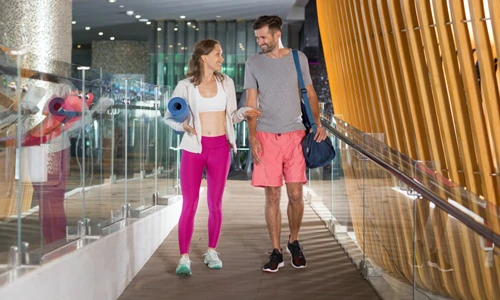
Why this matters for your health: Wearing dirty workout clothes or staying in sweaty gear increases your risk of skin infections, body acne, and unpleasant odors.
Hygiene best practices:
- Always wear clean clothes to the gym
- Bring a change of clothes for after your workout
- Wash gym clothes after every use (don't let them sit in your bag!)
- Choose antimicrobial fabrics when possible
- Shower as soon as possible after intense workouts
Fabric care tips:
- Wash workout clothes in cold water to preserve elasticity
- Avoid fabric softener (it can reduce moisture-wicking properties)
- Air dry when possible to extend garment life
- Replace worn-out athletic wear that's lost its shape or wicking ability
Best Gym Apparel: Budget-Friendly Options That Work
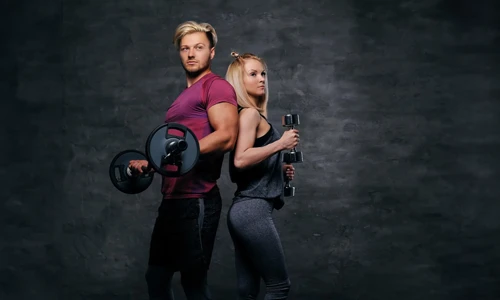
You don't need designer workout clothes to have an effective gym experience! Here are some budget-conscious approaches:
High-priority purchases:
- Good sports bra (invest here for comfort and health)
- Proper athletic shoes (protect your joints and prevent injury)
- One pair of quality leggings (versatile for most workouts)
Money-saving strategies:
- Shop end-of-season sales for gym clothes
- Check discount stores like TJ Maxx or Marshall's for name brands
- Look for multipacks of basic athletic shirts
- Consider online retailers with good return policies
What you can skimp on:
- Basic moisture-wicking t-shirts (many affordable options work well)
- Simple athletic shorts
- Basic accessories like headbands or hair ties
Best Gym Clothes for Different Body Types
For Apple Shapes
- Empire waist tops that flow over the midsection
- High-waisted bottoms for support and coverage
- V-neck or scoop neck tops to elongate the torso
For Pear Shapes
- Fitted tops that highlight the upper body
- A-line or straight-leg workout pants
- Bright or patterned tops with solid bottoms
For Athletic Builds
- Tops with feminine details like mesh panels or cut-outs
- Fitted clothes that show off your strong silhouette
- High-neck sports bras and crop tops
Universal Tips
- Choose clothes that make YOU feel confident and comfortable
- Fit matters more than size labels
- Comfort and functionality should always come first
Frequently Asked Questions
What should I wear to the gym as a beginner?
Start simple: moisture-wicking t-shirt, comfortable leggings or shorts, supportive sports bra, and proper athletic shoes. You don't need fancy gear - focus on comfort and functionality while you establish your routine.
Is it okay to wear regular clothes to the gym?
While not ideal, you can start with what you have. However, avoid 100% cotton shirts, jeans, or casual shoes. Even basic athletic wear from discount stores will be more comfortable and safer than regular street clothes.
How many gym outfits do I need?
Ideally, have 3-4 complete gym outfits so you're never stuck wearing dirty clothes. This allows you to work out consistently without doing laundry constantly.
Can I wear the same gym clothes multiple days in a row?
No, this isn't hygienic and can lead to skin problems and unpleasant odors. Always wear fresh clothes to the gym, especially underwear and sports bras.
What's the difference between expensive and cheap gym clothes?
More expensive gear often offers better moisture-wicking, durability, and fit. However, many affordable options work perfectly well for beginners and casual gym-goers. Invest more in items you'll use frequently.
Should I match my gym outfit?
Absolutely not necessary! Comfort and functionality matter much more than coordination. However, if wearing a matching set makes you feel more confident, go for it!
What should I avoid wearing to the gym?
Avoid: 100% cotton (gets soggy), jewelry that might get caught in equipment, perfume or strong scents (considerate to others), flip-flops or sandals, and clothes that are too loose or too tight.
How do I prevent chafing from gym clothes?
Choose seamless or flat-seam construction, apply anti-chafing balm to problem areas, ensure proper fit (not too tight or loose), and replace worn-out clothes that have lost their shape.
Your Gym Wardrobe Checklist: Start Here
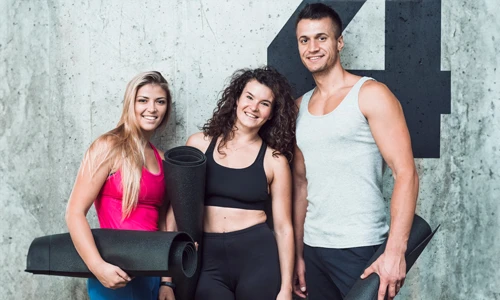
Essential items for every gym bag:
- 3-4 moisture-wicking shirts
- 2-3 pairs of workout bottoms
- 2-3 supportive sports bras
- 1 pair of quality athletic shoes
- Plenty of athletic socks and underwear
- Light layer for warm-up/cool-down
- Small towel for wiping sweat
Nice-to-have additions:
- Workout gloves for weightlifting
- Headband or hair accessories
- Compression socks for recovery
- Extra shirt for post-workout
Comfort + Confidence = Success
Here's the truth: the best gym clothes are the ones that make you feel comfortable, confident, and ready to move. Whether that's a matching set from a high-end brand or mix-and-match pieces from your local discount store, what matters most is how they make you feel.
Remember, everyone at the gym is focused on their own workout, not judging your outfit. The person next to you on the treadmill is thinking about their form, their goals, and their playlist - not whether your leggings are from Lululemon or Walmart.
Your fitness journey is about so much more than what you wear. But having comfortable, appropriate gym clothes removes one barrier between you and your health goals. When you feel good in what you're wearing, you can focus entirely on the incredible thing your body is capable of doing.
Start where you are, with what you have, and upgrade gradually. Your future self will thank you for every workout you show up to, regardless of what you're wearing.
Now stop overthinking your gym outfit and go crush those fitness goals! Your body is capable of amazing things, and the right clothes will help you discover just how strong and resilient you really are.