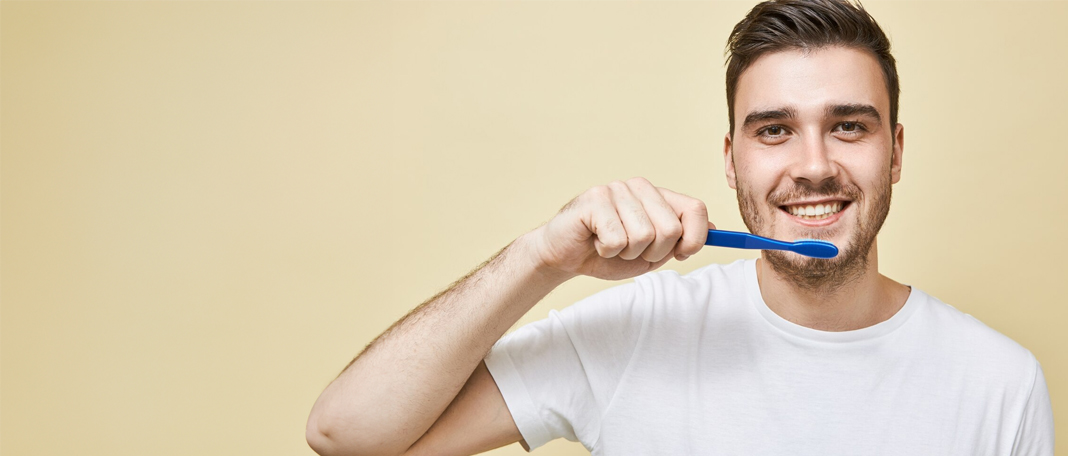
Have you ever walked out of the bathroom feeling confident that you brushed really well… only to later wonder why you still get cavities or sensitive teeth? Many of us think we’re doing a great job with brushing your teeth, but tiny everyday habits can unintentionally harm our oral health.
Let’s talk about the mistakes almost everyone makes. Don’t worry—this isn’t a lecture. It’s the kind of conversation you’d have with a friend who just learned life-changing dental tips and had to share!
1. Brushing Too Fast
Most people rush through brushing like it’s a chore. Two minutes can feel long, so we finish in 30 seconds.
Why it’s a mistake: Not giving teeth enough time means plaque remains untouched.
Quick fix: Play a 2-minute song while brushing or set a timer.
2. Brushing Too Hard
Some people think “harder means cleaner.” It doesn’t. Brushing aggressively can wear away enamel and injure gums.
Real example: If your toothbrush bristles look splayed after a short time, you might be brushing too forcefully.
3. Using the Wrong Toothbrush
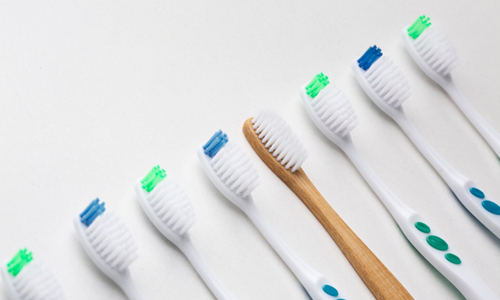
Most people don’t even think about toothbrush type. But it matters a lot.
Why it’s a mistake: Medium and hard bristles can damage enamel.
Quick fix: Choose a soft-bristle toothbrush that bends gently under pressure.
4. Not Replacing the Toothbrush Often
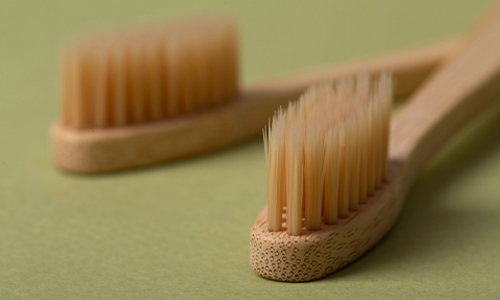
If you can’t remember when you last changed your toothbrush… that’s a sign.
Why it’s a mistake: Old brushes don’t clean effectively and may carry bacteria.
Quick fix: Replace every 3 months or sooner if bristles fray.
5. Skipping the Gums
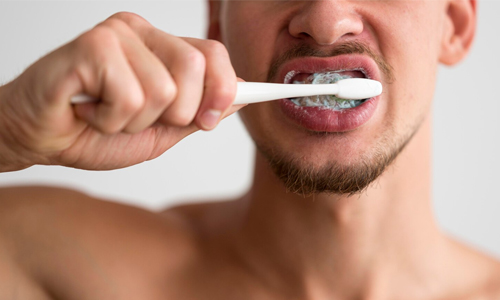
Brushing only the “fronts” of teeth is like washing dishes but ignoring corners.
Why it’s a mistake: Plaque collects along the gumline and causes gum disease.
Quick fix: Tilt your brush at a 45-degree angle toward your gums.
6. Rinsing Right After Brushing
Most people rinse immediately after brushing—they’re used to that “fresh” feeling. But that washes away fluoride.
Quick fix: Spit foam and avoid rinsing for at least 30 minutes.
7. Brushing Immediately After Eating Acidic Foods
Orange juice, soda, wine, tomatoes, or citrus can soften enamel temporarily.
Why it’s a mistake: Brushing too soon can wear enamel away.
Quick fix: Wait 30 minutes before brushing—or rinse with water first.
8. Forgetting to Clean the Tongue

Bad breath even after brushing? Plaque loves the tongue’s uneven surface.
Quick fix: Use a tongue scraper or gently brush your tongue every time.
9. Only Brushing Once a Day
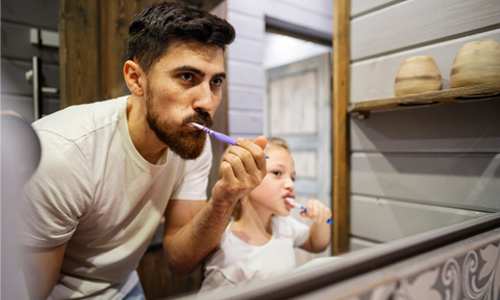
Life gets busy. We’ve all had nights where we fall asleep before brushing. But brushing only in the morning is not enough.
Quick fix: Keep a travel toothbrush at work or in your bag to build the habit.
10. Not Reaching Every Tooth
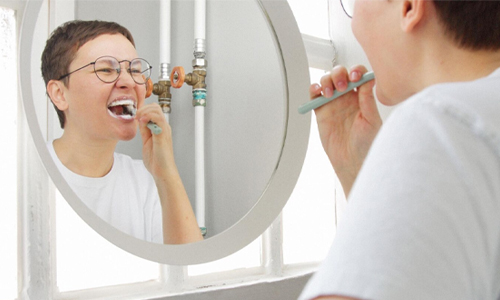
Most of us brush the front surfaces, but the backs of molars and inside surfaces often get ignored.
Quick fix: Divide your mouth into four quadrants and give each equal attention.
A Quick Recap You’ll Never Forget
Brushing your teeth isn’t just about removing food stuck after meals. It’s about:
- Protecting enamel
- Preventing gum disease
- Preventing cavities and sensitivity
- Keeping your smile healthy long-term
Sometimes, even when we proudly say “I brush my teeth for 5 minutes!” it still doesn’t mean we’re doing it right. It’s not about time—it’s about technique.
Bonus Tips
- Use short, gentle strokes, not horizontal scrubbing
- Don’t share toothbrushes—even with kids
- Electric toothbrushes can help if you struggle with technique
- Floss before brushing to help fluoride reach more areas
- If brushing your teeth hurts or causes bleeding, talk to your dentist
A few tiny improvements today = fewer cavities, fewer dental bills, and a happier smile tomorrow.
Everything You Need to Know About Brushing Your Teeth

1: How long should you brush your teeth?
Two full minutes, twice daily, ensures plaque removal and fluoride absorption.
2: How do I know if I’m using the right toothbrush?
Soft-bristle brushes are safest; if brushing hurts or causes bleeding, switch bristle type or size.
3: Is it okay to drink water after brushing teeth at night?
Plain water is fine, but avoid sweet or acidic drinks to protect enamel.
4: How long after brushing teeth can I use mouthwash?
Wait at least 30 minutes before using a mouthwash to avoid rinsing away fluoride.
5: Should you spit or rinse during brushing?
Spit, don’t rinse. Rinsing washes away fluoride.
6: Can I brush my teeth too long?
Brushing for over 3 minutes regularly may harm enamel and gums.
7: What can I drink after brushing my teeth at night?
Only water; anything else increases cavity risk while you sleep.
8: How do you brush teeth without spitting after a tooth extraction?
Gently wipe the foam with a tissue and avoid spitting to protect the blood clot.
9: How do I find the right toothbrush to avoid tooth-brushing mistakes?
Choose soft bristles, a comfortable handle, and a brush head that fits your mouth size.
10: How do I brush my teeth with braces on?
Brush at a 45° angle around brackets, gently cleaning above and below the wire. Spend extra time on the gumline and each tooth surface.
11: Do I need to remove aligners before brushing?
Yes. Always remove dental aligners before brushing to avoid damaging them and to clean teeth thoroughly.
12. Can I use an electric toothbrush with braces?
Absolutely. Many dentists recommend it, as it improves plaque removal and technique.