

As parents, we often worry about our kids' diet, hygiene, and sleep—but how often do we inspect their teeth closely? Tooth decay might seem like an issue for older adults, but in reality, early indicators of tooth decay can show up in toddlers, school-going children, and even babies.
Cavities don’t appear overnight. They sneak in slowly, quietly, and sometimes without pain until it’s too late. The good news? If caught early, tooth decay is entirely treatable and often reversible. But you need to know what signs to look for—and that’s exactly what we’re here to discuss.
So let’s break it down. What are the 5 early indicators of tooth decay, and how can you prevent a tiny spot from turning into a dental disaster?
1. White Spots or Chalky Patches on Teeth
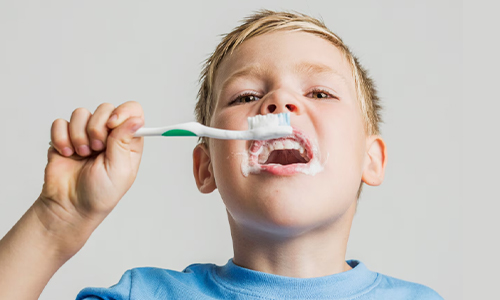
This is usually the first visible sign of early decay—and the easiest one to miss.
These small white or opaque spots, especially near the gum line, indicate decalcification, which is the loss of minerals from the enamel. It’s the very first stage of tooth decay and can often be reversed with better oral hygiene and fluoride treatments.
What You Can Do
- Start brushing with fluoride toothpaste (but only a pea-sized amount for kids under 6).
- Re-evaluate tooth brushing mistakes—are they brushing long enough or properly?
- Add dairy products and calcium-rich foods to their diet.
- Ask your dentist about fluoride varnish or dental sealants.
Tip: These spots are painless, so your child might not even notice them. Check their teeth in good lighting every couple of weeks.
2. Sensitivity to Cold or Sweet Foods

Does your child wince when biting into an ice cream cone or sip on a juice box? If yes, it might be more than just a "sensitive moment." Early cavity formation often results in mild sensitivity to cold, sweet, or acidic foods.
While tooth sensitivity isn’t always decay-related, in children, it’s one of the most early symptoms of tooth decay, especially if the pain comes and goes.
What You Can Do
- Switch to a sensitivity-friendly toothpaste recommended by your dentist.
- Limit sugary and acidic snacks.
- If the pain lingers, schedule an appointment soon—before you're Googling how to stop tooth decay from spreading at 2 AM.
3. Dark Spots or Discoloration
Contrary to common belief, not all cavities are brown or black from the beginning. Discoloration can range from light brown to greyish or yellow. These spots may darken as the decay progresses through enamel into dentin.
You may notice these on chewing surfaces, in between teeth, or close to the gums.
What You Can Do
- Look out for any visible color changes while brushing or flossing.
- Use plaque-disclosing tablets once a week—they highlight areas being missed during brushing.
- Keep an eye on snacks—sticky foods like raisins, gummies, and energy bars often worsen hidden decay.
4. Bad Breath or a Metallic Taste
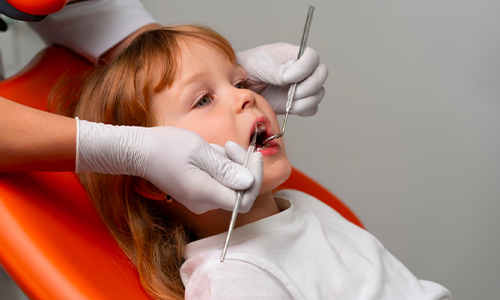
Has your little one had bad breath that just won’t go away? Tooth decay is one of the sneaky culprits. As bacteria multiply in cavities, they can cause persistent halitosis or a sour/metallic taste in the mouth.
Even if your child brushes regularly, decay between teeth or under the gumline can harbor smelly bacteria.
What You Can Do
- Floss daily to remove food particles between teeth.
- Get your child’s first dentist appointment around their first birthday or when the first tooth appears.
5. Toothache or Unexplained Irritability

This one’s a little tricky—especially with toddlers who can’t express pain clearly. A toothache might not always be loud and obvious. It might show up as crankiness, disrupted sleep, refusal to eat hard foods, or even ear pain.
In some cases, your child might hold their cheek or jaw, drool more than usual, or avoid brushing altogether.
What You Can Do
- Observe behavioral changes around meals or brushing time.
- If they complain of discomfort while eating something cold, consider it a red flag.
- Use a cold compress to soothe mild pain until you can see a dentist.
What Are the Stages of Tooth Decay?
Understanding how decay progresses can help you catch it before it becomes serious.
- Demineralization – White spots appear (reversible stage).
- Enamel Decay – Surface of the tooth starts breaking down.
- Dentin Decay – Bacteria reaches the softer inner layer.
- Pulp Damage – Pain begins as the nerve is affected.
- Abscess – Infection spreads, leading to swelling and severe pain.
Catching decay in early stages can mean avoiding drilling, root canals, or extractions later on.
Early Tooth Decay in Toddlers: What Parents Must Know
- Baby teeth are just as important as permanent ones. They hold space for adult teeth, aid in speech development, and support chewing. But they’re also thinner and more prone to decay.
- Early tooth decay in toddlers often begins with sugary milk bottles, juice in sippy cups, or skipping nighttime brushing.
What You Can Do
- Never put a baby to bed with a bottle (unless it’s water).
- Brush baby teeth twice a day with a soft brush.
- Make dental checkups a routine from age one.
- Limit snacks between meals and encourage rinsing with water after eating.
Can You Remove Tooth Decay Yourself?
You might come across DIY solutions like oil pulling, charcoal toothpaste, or baking soda scrubs online. While these might sound promising, you cannot remove tooth decay yourself once it has progressed beyond enamel demineralization.
Only a dental professional can clean out decayed areas and seal them with a filling. However, in very early stages of tooth decay, fluoride treatments and improved brushing habits can help stop or even reverse damage.
How to Stop Tooth Decay from Spreading
- Brush twice a day with fluoride toothpaste.
- Floss or use interdental brushes daily.
- Visit the dentist every 6 months.
- Choose snacks wisely—avoid sticky, sugary foods.
- Use fluoride rinses or varnishes if your dentist recommends them.
- Avoid tooth brushing mistakes—rushed brushing or skipping nighttime brushing is a big no!
Tooth Decay Treatment: What Are Your Options?
If your child does develop a cavity, don't panic. Treatment depends on the severity:
- Fluoride treatments for mild enamel damage.
- Dental fillings for early-stage cavities.
- Crowns for more advanced damage.
- Pulp therapy or extraction in case of infection or deep decay.
- Ask your dentist about modern, kid-friendly treatments like laser dentistry or SDF for sliver teeth in younger children.
FAQ: Early Indicators of Tooth Decay
1. What are the first signs of tooth decay in kids?
White spots near the gumline, sensitivity to cold or sweets, discoloration, bad breath, or complaints of tooth pain are usually the first signs.
2. Can cavities in baby teeth be reversed?
Yes, early enamel damage can sometimes be reversed with fluoride treatment, better hygiene, and dietary changes.
3. How soon should a child see the dentist?
Ideally, by their first birthday or when the first tooth erupts—whichever comes first.
4. What should I do if my toddler refuses to brush?
Try brushing together, use kid-friendly toothpaste, or play a song. Most importantly, be consistent and set a routine.
5. Are silver crowns for baby teeth safe?
Yes, they’re safe and often necessary for baby molars with large cavities.
6. Can tooth decay cause fever or illness?
If untreated, severe decay can lead to infections that cause fever and swelling. Seek immediate dental care if this happens.

Tooth decay in children is more common than asthma, but also more preventable. Spotting the early indicators of tooth decay can spare your child pain and save you costly dental bills.
By making brushing fun, limiting sugar, and scheduling regular checkups, you’re giving your child the best chance at a healthy, confident smile for life.