
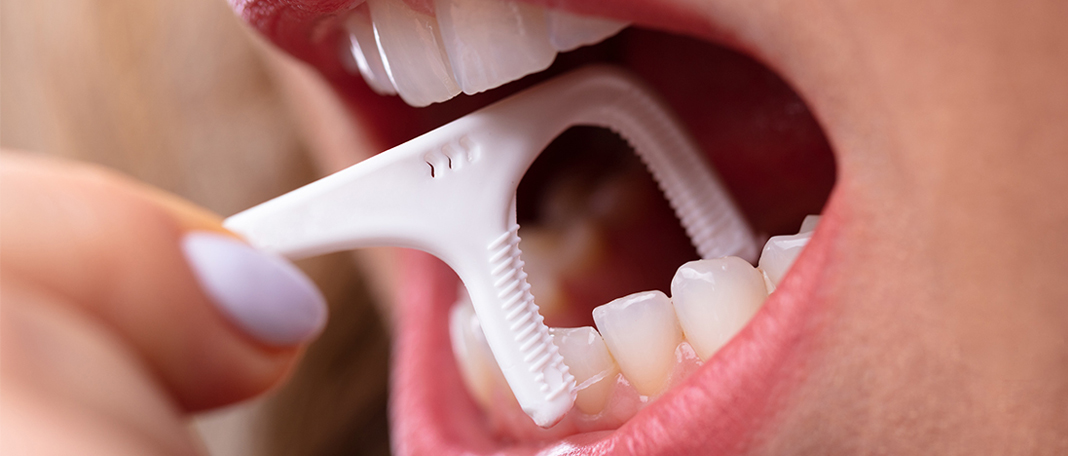
Floss daily and floss correctly because incorrect flossing is more dangerous than not flossing at all. Find how to floss like a dentist for healthy oral hygiene.
Do You Need to Floss Daily?
Most dentists and commercials want you to floss daily, brush your teeth twice a day, and use mouth wash after every meal. But do you actually need to do all these things for healthy oral hygiene?
Yes and no, you definitely need to brush twice daily but no longer than two minutes and appear zero pressure. Never use a mouthwash after brushing your teeth. Mouthwash is best used after consuming food with strong odors, food coloring, and those highly acidic. Similarly, there are a few details you should pay attention to while flossing too.
Of course, you should floss daily. There is no second thought on that but how should you floss daily for the best results? Find out below.
How to Remove Dental Plaque?
Food particles often get stuck in between your teeth. Though a toothpick and a brush do the job of scavenging them, residue will always be left behind. These prisoners of a tasty treat help in the development of plaque or tartar.
Plaque or tartar is a yellowish filament. Their build-up can lead to yellow teeth, cavities, chipping, and weak teeth. Flossing removes these food particles and inhibits plaque formation, preventing teeth color, texture, and health.
Western foods contribute to an increase in plaque development. They [provide a breeding ground for bacteria like Streptococcus mutans. These bacteria can erode teeth enamel, cause your gums inflammation, bad breath, mouth ulcers, and bone loss near the teeth.
Flossing is the best way to remove plaque. Here are a few commonly used flossing tools:
- String floss (You can choose among different flavors)
- Floss picks (Best for reaching corners)
- Air Floss (Consumes less time)
- Oral irrigators (Best for people with braces)
When Should You Floss?
The American Dental Association recommends you floss once every day. Dentist Mark Burhenne, the founder of Askthedentist.com, explained that bacteria take around 24 hours to establish colonies in your teeth, and flossing once every day is highly beneficial.
But let’s get real. There is the time nor the patience to floss every day. Therefore, he recommends his patients floss every day in areas where food often gets stuck. Depending on the teeth structure, people with crooked teeth, oral diseases, or mouth breathers should floss between every meal if possible.
Disadvantages of Flossing
A correct flossing technique is essential because flossing incorrectly is more damaging than not flossing at all. Here are a few things that indicate a wrong flossing technique:
- String floss can harm your gums and it is often difficult to reach your molars and premolars. These are hot spots for cavities.
- Bleeding gums can introduce harmful bacteria into your bloodstream directly.
- Water floss is expensive and takes time to master. You can hurt any existing cavities with this method.
- People with braces and caps can dislodge these dental aids easily and it can be painful.
- Vigorous or over-flossing can weaken gums, give you cuts that get painful when you eat spicy food.
Frequently Asked Questions
Do I really need to floss every day?
Yes — flossing reaches spaces between teeth where a toothbrush can’t, helping remove plaque and reduce gum disease risk.
Can I skip flossing if I brush well?
No — brushing misses tight contacts between teeth; flossing complements brushing by cleaning those hard-to-reach areas.
Does flossing hurt or cause gums to bleed?
Some bleeding is common when starting, but persistent bleeding may indicate gum disease; correct technique usually stops the bleeding.
What does flossing actually do?
It disrupts plaque between teeth and under the gum line, helping prevent gingivitis and calculus formation.
My teeth are very tight — can I floss?
Yes — use waxed or PTFE floss, or interdental brushes/flossers made for tight contacts to navigate between closely-spaced teeth.
If my gums bleed when I floss, should I stop?
No — it may mean your gums aren’t used to flossing or there’s inflammation; improve technique and see a dentist if bleeding persists.
Is the technique for flossing important?
Yes — use a gentle C-shape around each tooth, slide below the gumline, avoid snapping the floss, and use a clean segment each time.
It is best to floss daily before bed after brushing your teeth. Dentists recommend floss picks as the easiest and cheapest way to floss. You can use one floss pick for your entire mouth once.