Do you start your day with a steaming cup of coffee? If so, you’re part of a global community that consumes over 2.25 billion cups of coffee daily. Whether you're enjoying it to wake up or to get a boost of energy, it has woven itself into our daily lives. But have you ever wondered about the benefits of drinking coffee and whether it’s good for your health?
Let’s examine this beloved beverage's pros, cons, and everything in between.
Uses of Coffee

Unsurprisingly, it boosts energy, especially in the mornings or during that mid-afternoon slump. But the uses go beyond just being a pick-me-up. Here are some everyday uses:
1. Boosting Physical Performance
Research shows that it can improve physical endurance by 11-12% by increasing adrenaline levels.
2. Mental Focus and Alertness
It helps improve cognitive function, allowing you to focus better on tasks.
3. Social Drink
Whether grabbing coffee with friends or hosting a meeting, it has become a social staple. It’s often said that business deals are made over a cup of coffee!
Additionally, drinking coffee can protect your liver from diseases like cirrhosis and liver cancer, which is a great reason to incorporate it into your routine.
Health Benefits of Drinking Coffee

You may have heard conflicting advice over the years, but modern research highlights a range of health benefits.
1. Brain Health
It blocks adenosine, making you feel more alert. Studies show it can reduce the risk of Alzheimer’s and Parkinson’s disease by up to 65%.
2. Heart Health
Drinking 3-4 cups a day is associated with a 15-20% lower risk of heart disease.
3. Cancer Prevention
It has been linked to reducing the risk of certain cancers, including prostate cancer in men. Higher intake helps avoid prostate cancer, significantly reducing risk factors.
And if you're a fan of coffee for its skin benefits, remember this: it’s packed with antioxidants that fight inflammation and oxidative stress.
Pros and Cons of Coffee
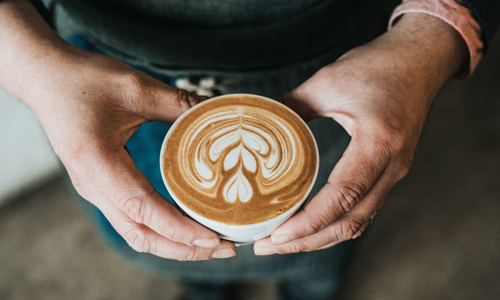
This refreshing drink can be a wonderful addition to your daily routine, but like all things, it comes with its advantages and disadvantages.
a. Pros
- Boosts Physical and Mental Energy
Thanks to caffeine, it helps you stay sharp and energized throughout the day.
- Rich in Nutrients
It contains essential vitamins like B2, B5, and manganese and antioxidants that help fight free radicals.
b. Cons
- Sleep Disruption
If consumed too late in the day, coffee can affect sleep and gray matter in the brain, causing insomnia. If you’re a night owl, you probably know it can interfere with sleep. Caffeine has a half-life of 3-5 hours, meaning drinking it in the afternoon could still affect your ability to fall asleep.
Personal Tip: I used to drink it late in the afternoon and always wondered why I struggled with sleep. After switching to morning-only, my sleep improved almost immediately!
- Dependency
You might need more to feel the same effects, leading to caffeine dependence.
Side Effects of Drinking Coffee

While it has many benefits, too much caffeine can result in unwanted side effects. Some of these include:
1. Anxiety
High caffeine intake can cause nervousness or jitters.
2. Digestive Discomfort
It is acidic and may trigger heartburn or upset stomach in some people.
3. Dehydration
Because it is a mild diuretic, it can increase the need to urinate.
Risks Associated with Coffee

Although moderate consumption is generally safe, some risks are involved if you overindulge. Here’s what to be aware of:
1. Increased Heart Rate
Too much caffeine can cause an increased heart rate or palpitations.
2. Bone Health
Overconsumption might interfere with calcium absorption, contributing to osteoporosis.
3. Insomnia
It can stay in your system for up to 6 hours, making it harder to sleep if consumed late in the day.
Precautions for Drinking Coffee

Some people should be cautious about their intake. For example:
1. Pregnant Women
It is recommended that pregnant women limit their consumption to under 200 mg of caffeine (about one cup) per day.
2. People with Heart Conditions
Those with certain heart conditions should consult their doctors before consuming it due to its stimulant effects.
Don’t fall for the outdated belief that it stunts growth—modern research has debunked the myth that coffee is associated with stunted growth.
Interactions of Coffee with Other Substances
It’s important to consider that it may interact with medications or supplements. Some notable interactions include:
1. Thyroid Medications
It can reduce the absorption of levothyroxine (thyroid medication), so it’s best to wait 30-60 minutes after taking your medication before drinking coffee.
2. Antibiotics
Certain antibiotics, such as ciprofloxacin, may interact with coffee by slowing the breakdown of caffeine, intensifying its effects.
If you're also a fan of energy drinks, you may wonder about Guarana vs. Caffeine from coffee. While guarana contains more caffeine, it’s processed differently in the body, so combining the two can intensify stimulation.
Myths About Coffee
It’s time to bust a few myths
a. Does Coffee Dehydrate You?
Contrary to popular belief, moderate consumption doesn’t cause dehydration. Drinking it can hydrate you, especially when consumed in moderation.
b. Coffee Causes Cancer
There’s no evidence that coffee causes cancer it may reduce the risk of certain types, including liver and colorectal cancers.
c. It Causes Heart Disease
There’s a widespread belief that coffee contributes to heart disease due to its caffeine content. However, research suggests that moderate consumption is linked to a lower risk of heart disease, particularly in people who drink 3-4 cups a day.
d. It is Addictive, Like Drugs
While it contains caffeine, which can lead to dependence, it’s not addictive in the same way as harmful drugs. Most people can reduce their intake gradually without severe withdrawal symptoms.
e. It Can Help You Sober Up
Have you ever heard someone say, “Drink coffee to sober up”? This is a myth. While coffee might make you feel more alert, it doesn’t speed up the body’s process of metabolizing alcohol.
f. Darker Roasts Contain More Caffeine
Many people believe that darker coffee roasts contain more caffeine. Lighter roasts often have slightly more caffeine, as the roasting process reduces caffeine content.
How Much Coffee is Safe?

The general recommendation is to limit coffee to 3-4 cups daily, which provides about 300-400 mg of caffeine. This amount has been linked to health benefits of drinking coffee like improved focus and reduced risk of certain diseases without causing significant side effects.
FAQs about the Health Benefits of Coffee
1. Can Coffee Help Reduce the Risk of Type 2 Diabetes?
Yes, studies show regular coffee consumption can reduce the risk of Type 2 diabetes by up to 25%. Both caffeinated and decaf offer this benefit.
2. Does Coffee Improve Physical Endurance?
Yes! Caffeine boosts adrenaline levels, enhancing endurance and strength, making it popular among athletes.
3. Can Coffee Improve Mental Health?
Yes, it is linked to a 20% lower risk of depression in those who drink 2-3 cups daily.
4. Does Coffee Protect Against Stroke?
Yes, moderate consumption can reduce stroke risk by 10-20%, especially in women.
5. Can Coffee Reduce the Risk of Parkinson’s Disease?
Yes, drinking it regularly can lower the risk of Parkinson’s by up to 60%.
6. Does Coffee Improve Gut Health?
Surprisingly, it has prebiotic properties, helping promote good gut bacteria and improving digestion over time.
7. Can Coffee Help Prevent Gallstones?
Yes, studies indicate that drinking 4 or more cups a day may reduce the risk of developing gallstones by 25%.
8. Can Coffee Help Protect Against Certain Eye Diseases?
Yes, it contains antioxidants like chlorogenic acid that may help protect the retina from oxidative stress and reduce the risk of eye diseases like age-related macular degeneration.
9. Does Coffee Help Reduce the Risk of Gout?
Some research suggests that regular coffee consumption can lower uric acid levels, reducing the risk of developing gout by up to 60% in men and 50% in women.
Is Drinking Coffee Good for Health?

Yes, drinking coffee can be good for your health when consumed in moderation. Studies show that it is rich in antioxidants, which help fight inflammation and can lower the risk of several diseases like Parkinson’s, Alzheimer’s, and liver disease. It may also improve brain function, mood, and physical performance.
Coffee is more than just a delicious beverage—it offers significant health benefits like improved brain function, liver protection, and even cancer prevention. However, moderation is essential to avoid side effects like sleep disruption and digestive issues. If you love it as much as I do, enjoy it responsibly and reap the rewards!
For more insights, don’t forget to read about the benefits of CBD in coffee and how it could help reduce caffeine jitters.