| 5 Health Benefits at a Glance | What the Science Says |
| Benefit 1: Skin Health | Anti-ageing, UV protection, collagen support, acne relief |
| Benefit 2: Heart Health | Lowers blood pressure, reduces cholesterol, protects arteries |
| Benefit 3: Weight Management | Boosts metabolism, reduces fat accumulation, controls appetite |
| Benefit 4: Immune System Boost | Rich in Vitamin C, xanthones, and antibacterial compounds |
| Benefit 5: Anti-Inflammatory Power | Xanthones fight chronic inflammation at the cellular level |
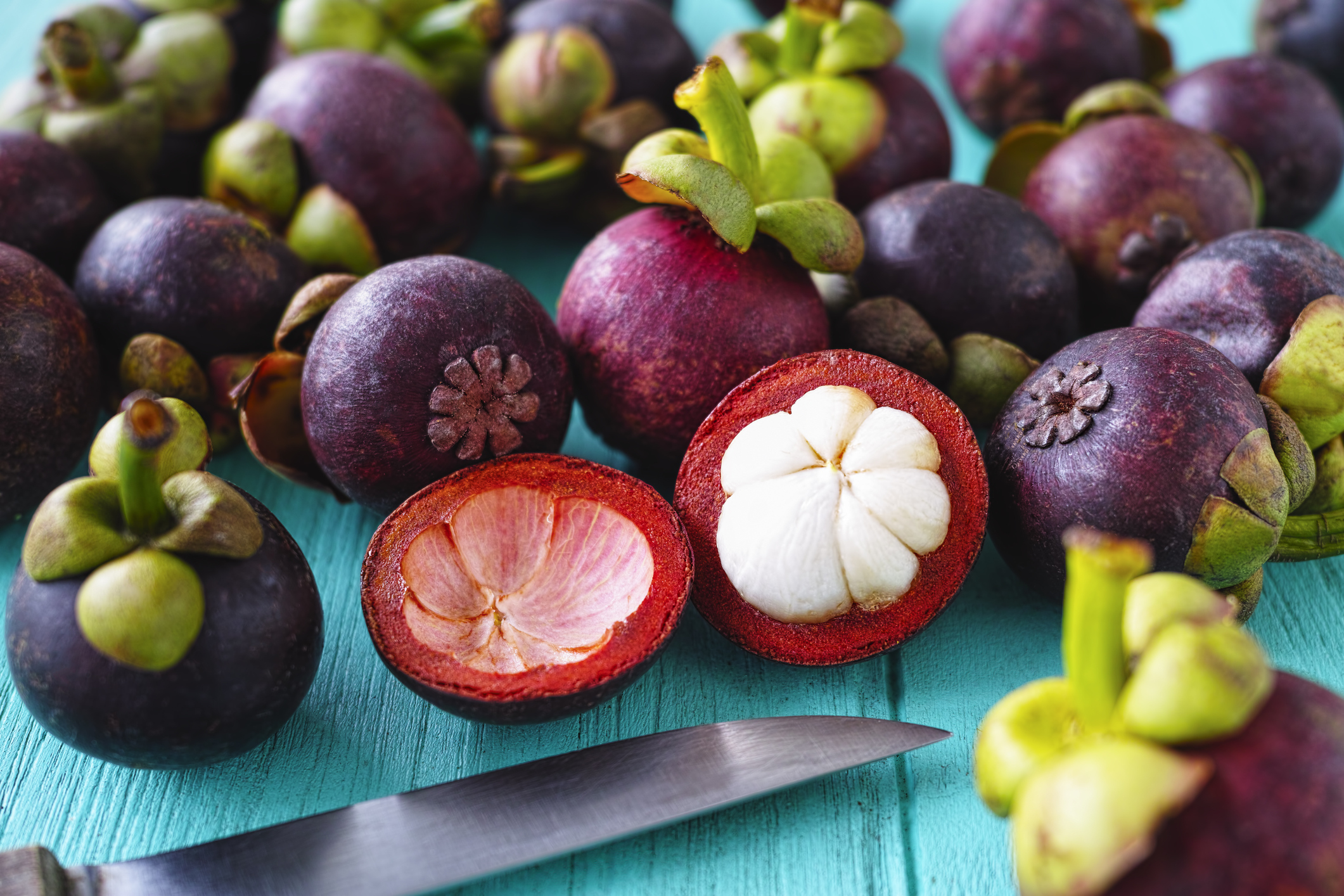
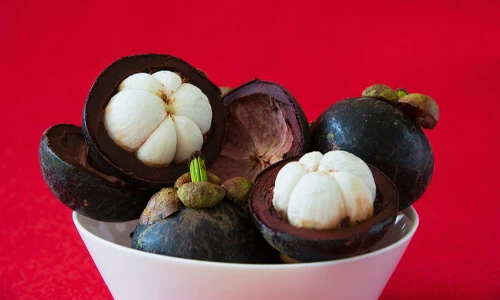
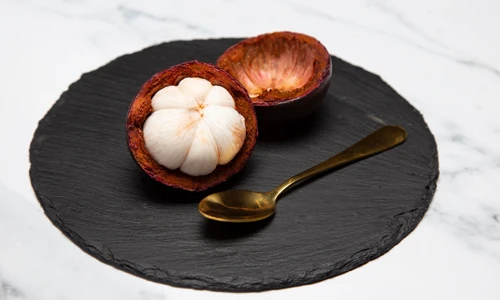
Deep in the tropical rainforests of Southeast Asia grows a fruit so revered that it was once reserved for royalty — a fruit so exceptional in flavour and healing power that it earned the name the Queen of Fruits. Mangosteen (Garcinia mangostana) is a small, deep-purple fruit with snow-white flesh inside, and while its exotic appearance may make it seem rare, the health benefits of mangosteen are very much within reach for anyone who seeks them.
For centuries, traditional medicine practitioners in Thailand, Malaysia, and Indonesia have used every part of the mangosteen tree — the rind, leaves, bark, and flesh — to treat wounds, infections, digestive ailments, and inflammation. Modern science is now catching up, and the findings are remarkable.
What makes mangosteen truly unique is a class of plant compounds found almost nowhere else in nature: xanthones. These potent polyphenolic antioxidants, particularly alpha-mangostin and gamma-mangostin, are responsible for many of the fruit's most extraordinary health properties. Combined with Vitamin C, B-complex vitamins, dietary fibre, potassium, magnesium, and manganese, mangosteen is a true nutritional powerhouse.
In this blog, we break down the 5 most scientifically compelling health benefits of mangosteen — for your skin, your heart, your weight, your immune system, and your body's battle against chronic inflammation.
Mangosteen Nutrition Facts
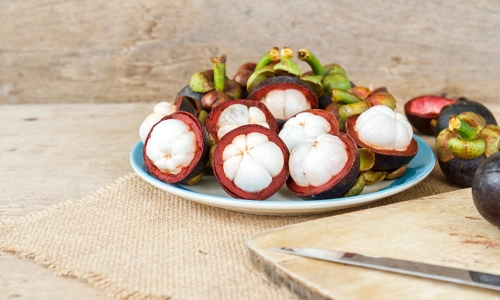
Before we explore the benefits, here is what a 100g serving of fresh mangosteen delivers:
| Nutrient | Amount per 100g | % Daily Value (approx.) | Key Role |
| Calories | 73 kcal | ~3.5% | Energy |
| Carbohydrates | 17.9g | ~6% | Energy and fibre |
| Dietary Fibre | 1.8g | ~6–7% | Digestion, heart health, satiety |
| Protein | 0.41g | <1% | Cell repair |
| Fat | 0.58g | <1% | Minimal — great for weight management |
| Vitamin C | 5.7mg | ~6–7% | Immunity, collagen, antioxidant |
| Folate (Vitamin B9) | 31mcg | ~8% | Cell health, red blood cell production |
| Potassium | 48mg | ~1% | Blood pressure, heart rhythm |
| Manganese | 0.1mg | ~4–5% | Bone health, enzyme function |
| Magnesium | 13mg | ~3% | Muscle, nerve, and heart function |
| Xanthones (unique compounds) | 40+ types identified | — | Anti-inflammatory, antioxidant, antimicrobial |
Note: The xanthone content — particularly alpha-mangostin — is concentrated in the rind (pericarp), not just the flesh. This is why mangosteen rind extracts, supplements, and powders are widely used in health products.
#1 Mangosteen for Skin Health
Of all the ways mangosteen benefits the body, its effects on the skin are among the most studied — and most visible. Whether consumed as food or applied topically, mangosteen offers a multi-pronged approach to healthier, younger-looking skin.
1. It Fights Skin Ageing at the Cellular Level
Free radicals — unstable molecules produced by sun exposure, pollution, stress, and poor diet — are one of the primary drivers of premature skin ageing. They break down collagen, damage cell membranes, and accelerate the formation of wrinkles and fine lines.
The xanthones in mangosteen are among nature's most potent free radical scavengers. A study published in the International Journal of Molecular Medicine demonstrated that alpha-mangostin could reduce UV-induced skin damage, wrinkles, and skin thickening in animal models.
Additionally, xanthones inhibit the accumulation of pentosidine — a compound that cross-links collagen fibres and reduces their elasticity and moisture-holding capacity — effectively helping the skin stay firmer and more hydrated.
2. Mangosteen and Skin Moisture & Elasticity
A clinical study conducted in Japan found that oral administration of 100mg of water extract of mangosteen pericarp reduced levels of advanced glycation end products (AGEs) in the skin while improving skin moisture content and elasticity. AGEs accumulate in the skin with age and are a major contributor to the visible signs of ageing — think of them as a form of internal caramelisation of skin proteins. Mangosteen's compounds help break this process down.
3. Acne and Skin Infections
Mangosteen has well-documented antibacterial and antifungal properties, attributed primarily to its xanthone content. Alpha-mangostin has demonstrated inhibitory activity against Staphylococcus aureus and Propionibacterium acnes — the bacteria most commonly associated with acne. This makes mangosteen extracts and topical preparations a compelling natural option for acne-prone skin.
4. Psoriasis and Inflammatory Skin Conditions
In an animal study, isogarcinol — a compound extracted from mangosteen — showed significant immunosuppressive activity relevant to conditions like psoriasis, where the immune system mistakenly attacks skin cells. While human studies remain limited, the preliminary data is promising for mangosteen as a complementary approach to managing inflammatory skin conditions.
Skin Health Summary
- Protects against UV-induced skin damage and premature wrinkles
- Improves skin moisture content and elasticity (human study, Japan)
- Antibacterial activity against acne-causing bacteria
- Potential supportive role in inflammatory skin conditions like psoriasis
- Vitamin C stimulates collagen synthesis for firmer, more resilient skin
#2 Mangosteen for Heart Health
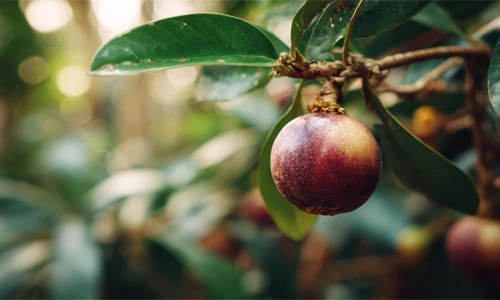
Cardiovascular disease remains the leading cause of death globally. What you eat has a profound impact on your heart — and the health benefits of mangosteen for the cardiovascular system are backed by a growing body of evidence.
1. Blood Pressure Regulation
Mangosteen is a natural source of potassium — a mineral essential for regulating blood pressure by counteracting the effects of sodium and relaxing blood vessel walls. Beyond this, mangosteen's vasodilatory action (widening of blood vessels) promotes better blood flow throughout the body, reducing the strain on the heart.
A randomised, double-blind, placebo-controlled trial published in the Journal of Hypertension found that daily consumption of mangosteen extract was associated with a meaningful reduction in systolic blood pressure over approximately three months — a clinically significant finding for hypertension management.
2. Cholesterol and Triglyceride Management
Elevated LDL cholesterol and triglycerides are two of the most significant modifiable risk factors for heart disease. Mangosteen addresses both. Its dietary fibre content reduces cholesterol absorption in the gut, while its antioxidants prevent the oxidation of LDL cholesterol — the step that makes it dangerous and capable of forming arterial plaques.
Animal studies have shown that mangosteen extract can significantly reduce total cholesterol and triglyceride levels. The antiatherosclerotic properties of mangosteen xanthones — documented in preliminary research cited by Memorial Sloan Kettering Cancer Center — suggest they may actively protect against arterial plaque formation.
3. Cardioprotective Xanthone Activity
A study conducted at the University of Madras on the cardioprotective effects of alpha-mangostin found that this xanthone derivative demonstrated direct protective effects on cardiac tissue. By neutralising the free radicals that can damage heart cells and reducing systemic inflammation — a major driver of coronary artery disease — the xanthones in mangosteen contribute to a healthier cardiac environment.
4. Protection Against Atherosclerosis
Atherosclerosis — the hardening and narrowing of arteries due to plaque buildup — is one of the primary mechanisms through which heart attacks and strokes occur. The antioxidant and anti-inflammatory activity of mangosteen xanthones help keep arterial walls flexible, reduce inflammatory responses in vessel walls, and inhibit the oxidative processes that initiate plaque formation.
Heart Health Summary
- Reduces systolic blood pressure (randomised controlled trial evidence)
- Lowers LDL cholesterol and triglycerides via fibre and antioxidant action
- Cardioprotective alpha-mangostin protects cardiac tissue from oxidative damage
- Antiatherosclerotic properties may protect arterial walls from plaque buildup
- Potassium supports healthy heart rhythm and blood pressure regulation
#3 Mangosteen for Weight Management
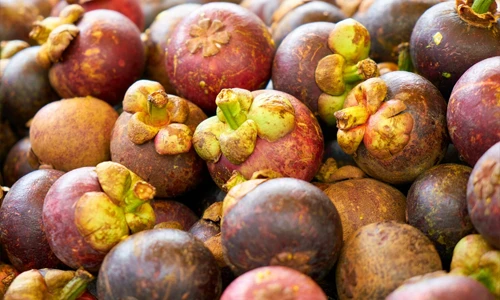
In a world saturated with weight loss promises, mangosteen stands out for having genuine, science-supported mechanisms that support healthy weight management — not as a miracle cure, but as a meaningful dietary ally.
1. Low in Calories, High in Nutrition
At just 73 calories per 100g, mangosteen is a nutrient-dense, low-energy-density food — exactly the type of food that weight management research identifies as beneficial for healthy eating. Despite its low caloric load, it provides fibre, vitamins, and minerals that keep the body nourished and functioning optimally, reducing the likelihood of nutritional deficiencies that can trigger cravings.
2. Fibre Promotes Fullness and Reduces Appetite
A single cup (196g) of mangosteen provides approximately 12.5% of the daily recommended intake of dietary fibre. Fibre is one of the most evidence-based tools for weight management: it slows gastric emptying, promotes satiety (the feeling of fullness), and reduces overall calorie intake by curbing appetite between meals. The pectin fibres in mangosteen also slow carbohydrate absorption, reducing blood sugar spikes that drive hunger and fat storage.
3. Xanthones and Fat Metabolism
This is where mangosteen becomes particularly interesting for weight management. A study published in the Journal of Medicinal Food found that mice on a high-fat diet who received supplemental doses of mangosteen extract gained significantly less weight than those who did not receive the supplement. The researchers identified that mangosteen extract activates AMPK (AMP-activated protein kinase) — a key metabolic enzyme that promotes fat burning and inhibits fat storage, particularly liver fat accumulation.
4. Blood Sugar and Insulin Resistance
Uncontrolled blood sugar and insulin resistance are two of the biggest barriers to weight loss. In a 26-week prospective randomised controlled pilot study published in Nutrients, obese female patients who took 400mg of mangosteen supplement daily showed significantly reduced insulin resistance compared to the control group. By improving how the body responds to insulin, mangosteen helps the body use glucose more efficiently — reducing the metabolic conditions that promote fat storage.
Weight Management Summary
- Only 73 kcal per 100g — low calorie density with high nutritional value
- Fibre promotes satiety and reduces appetite between meals
- Xanthones activate fat-burning AMPK enzyme pathway (animal study evidence)
- Reduces insulin resistance in obese patients (randomised controlled trial, 26 weeks)
- Pectin fibres slow carbohydrate absorption, reducing fat-storing glucose spikes
# 4 Mangosteen for Immune Health
Your immune system is your body's first and most sophisticated line of defence. It requires a constant supply of specific nutrients to function optimally — and mangosteen delivers several of the most important ones in a single fruit.
1. Vitamin C: The Immunity Essential
Mangosteen provides approximately 6–12% of the recommended daily intake of Vitamin C per 100g. Vitamin C is perhaps the most well-established immune-supporting nutrient known to science — it stimulates the production and activity of white blood cells (leukocytes), serves as a powerful antioxidant that protects immune cells from oxidative damage during active immune responses, and supports the skin and mucosal barriers that form the body's first physical line of defence.
2. Xanthones as Immune Modulators
Beyond Vitamin C, the xanthones in mangosteen demonstrate direct immune-supporting activity. In a 30-day randomised, double-blind, placebo-controlled trial published in the Journal of Medicinal Food, 59 healthy adults who took a mangosteen-containing supplement experienced a significant increase in healthy immune cell numbers (lymphocytes), alongside reduced markers of systemic inflammation, compared to those taking a placebo. This is one of the most direct pieces of human clinical evidence for mangosteen's immune benefits.
3. Natural Antibacterial and Antifungal Properties
The antibacterial and antifungal properties of mangosteen xanthones — including inhibitory effects against Staphylococcus aureus, Mycobacterium tuberculosis, and various fungi — represent a direct immune-supporting mechanism. A Brazilian study found that mangosteen extract demonstrated both antimicrobial and anti-tumour abilities, suggesting potential therapeutic value in treating infectious diseases. These properties were well-recognised in traditional medicine long before laboratory analysis confirmed them.
4. Gut Health and the Gut-Immune Axis
Approximately 70–80% of the immune system is located in the gut. Mangosteen's fibre content feeds beneficial gut bacteria (prebiotics), supporting a healthy microbiome that is directly linked to immune resilience. Additionally, mangosteen's antioxidants have been shown to support liver function and digestive enzyme production — further strengthening the body's internal defence infrastructure.
5. B Vitamins for Immune Resilience
Mangosteen provides a range of B-complex vitamins including folate (B9), thiamine (B1), and niacin (B3). Vitamin B1 in particular has been identified as supporting immune resilience under stress conditions — helping the body maintain its defensive capacity even during physically or emotionally demanding periods.
Immune Health Summary
- Vitamin C stimulates white blood cell production and protects immune cells
- 30-day RCT showed significantly increased immune cell numbers vs placebo
- Antibacterial properties against S. aureus, TB-causing mycobacteria, and fungi
- Fibre supports the gut microbiome — home to 70–80% of the immune system
- B vitamins strengthen immune resilience under stress
#4 Mangosteen as an Anti-Inflammatory
Chronic inflammation is now widely recognised by medical researchers as the underlying mechanism behind most of today's most prevalent and deadly diseases — including type 2 diabetes, cardiovascular disease, Alzheimer's disease, arthritis, and certain cancers. The health benefits of mangosteen in this area may be its most profound contribution to long-term wellness.
1. Xanthones: Nature's Most Potent Anti-Inflammatory Compounds
Mangosteen contains over 40 identified xanthone compounds, with alpha-mangostin and gamma-mangostin being the most studied. These molecules work by inhibiting multiple inflammatory pathways simultaneously — including COX-2 (the same pathway targeted by common anti-inflammatory drugs like ibuprofen) and the production of pro-inflammatory cytokines such as TNF-α, IL-1, and IL-6.
Research published by Memorial Sloan Kettering Cancer Center confirms that xanthones from mangosteen exhibit anti-inflammatory, anti-asthmatic, and antiangiogenic properties — making them relevant to a wide spectrum of inflammatory conditions.
2. Cancer Cell Inhibition — What the Research Shows
Multiple test-tube studies have demonstrated that xanthones can inhibit cancer cell growth, including in breast, stomach, and lung tissue. Animal studies have shown that these compounds may slow the progression of colon and breast cancer. Population studies consistently show that diets rich in antioxidant-dense fruits like mangosteen are associated with reduced cancer incidence.
Important: These studies are primarily in vitro (cell studies) or animal studies. There is currently insufficient human clinical trial data to claim that mangosteen prevents or treats cancer in people. The anti-cancer potential is promising but not yet conclusively proven in human trials.
3. Diabetes and Blood Sugar Inflammation
Free radical activity can damage pancreatic beta cells — the cells responsible for producing insulin. This damage contributes to the development of type 2 diabetes. The xanthones and antioxidants in mangosteen counter this by neutralising the free radicals that initiate beta cell damage. Additionally, mangosteen's fibre and xanthone content improve insulin sensitivity, reducing the chronic low-grade inflammation associated with metabolic syndrome and pre-diabetic states.
4. Joint and Musculoskeletal Inflammation
Arthritis, sciatica, and other inflammatory joint conditions cause significant daily suffering for millions of people. The anti-inflammatory xanthones in mangosteen — particularly alpha-mangostin's demonstrated COX-2 inhibition — offer a natural complementary approach to managing the pain and swelling associated with these conditions. Traditional medicine in Southeast Asia has long used mangosteen rind preparations for joint pain and fever for exactly this reason.
5. Brain Health and Neuroinflammation
Emerging research is beginning to map the neuroprotective effects of mangosteen. Studies have shown that mangosteen pericarp extract may protect against neuroinflammation — inflammation of brain tissue that is implicated in neurodegenerative diseases including Alzheimer's and Parkinson's. A study in animal models demonstrated antidepressant-like and pro-cognitive effects from mangosteen supplementation, suggesting potential applications in mood and cognitive health as well.
Anti-Inflammatory Summary
- Over 40 xanthone compounds — nature's most concentrated anti-inflammatory polyphenols
- Inhibits COX-2 and multiple pro-inflammatory cytokine pathways simultaneously
- Xanthones inhibit cancer cell growth in breast, stomach, and lung tissue (in vitro)
- Protects pancreatic beta cells — reducing diabetes-linked inflammation
- Natural support for arthritis, joint pain, and sciatica (traditional + lab evidence)
- Emerging neuroprotective effects relevant to Alzheimer's and cognitive decline
How to Get Your Mangosteen: Comparing All Available Forms
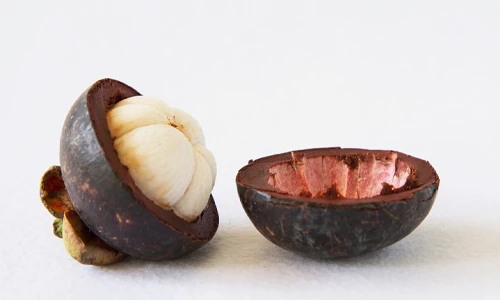
Fresh mangosteen can be difficult to source outside of Southeast Asia, but fortunately several alternatives make it accessible globally.
| Form | Availability | Key Benefits | Xanthone Potency | Best For |
| Fresh fruit | Seasonal; Asian grocery stores | Whole nutrition — fibre, vitamins, taste | Moderate (peel not consumed) | Nutrition + enjoyment |
| Dried / freeze-dried | Health food stores, online | Concentrated flavour; longer shelf life | Moderate | Snacking, travel |
| Mangosteen juice | Widely available (health stores) | Convenient; concentrated xanthones | High (includes pericarp extract) | Daily supplementation |
| Powder / pericarp flour | Health food stores, online | Add to smoothies, yoghurt, recipes | High (rind included) | Flexible daily use |
| Capsules / supplements | Pharmacy, online | Standardised dose; precise intake | Very high | Targeted health goals |
| Topical extracts / skincare | Beauty and wellness brands | Direct skin application | High | Skin health, anti-ageing |
Always read supplement labels: Look for products that specify alpha-mangostin or xanthone content. The healthiest forms of mangosteen include the rind (pericarp), which is where the majority of xanthones are concentrated.
Side Effects and Who Should Be Careful
Mangosteen is generally safe when consumed as food in normal dietary amounts. However, there are some important considerations:
- Blood thinning: Mangosteen has mild anticoagulant properties. If you take blood-thinning medications such as warfarin, or have a bleeding disorder, consult your doctor before consuming large amounts or taking supplements.
- Blood sugar medication: Mangosteen can lower blood sugar levels. People on insulin or diabetes medication should monitor their blood glucose levels closely.
- Pregnancy and breastfeeding: There is insufficient safety data on high-dose mangosteen supplements during pregnancy or breastfeeding. Consuming fresh fruit in moderate amounts is generally considered safe, but supplements should be avoided without medical advice.
- Allergic reactions: Rare, but possible — as with any fruit. If you experience itching, rash, or respiratory symptoms after consuming mangosteen, stop use and consult a doctor.
- Excessive supplement use: While the fruit itself is very well tolerated, concentrated xanthone supplements in very high doses may have effects not yet fully characterised by research. Stick to recommended dosages.
How to Eat Mangosteen: Tips and Simple Ideas
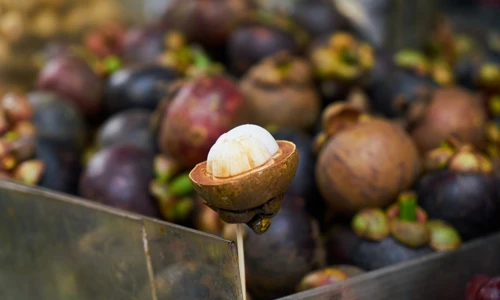
How to Open a Fresh Mangosteen
- Hold the fruit with the crown (stem end) pointing down.
- Score the rind around the middle with a sharp knife — be careful not to cut through the flesh inside.
- Twist and lift the top half of the rind away to reveal the white, segmented flesh.
- The flesh segments pull apart easily. Avoid the seeds — they are bitter.
- The purple rind is not usually eaten fresh due to its intense bitterness, but can be dried and powdered.
Easy Ways to Enjoy Mangosteen

- Fresh: Eat the segments straight as a dessert or snack.
- Smoothie: Blend with mango, pineapple, and coconut water for a tropical immunity boost.
- Fruit salad: Pair with dragon fruit, lychee, and papaya for a Southeast Asian-inspired bowl.
- Mangosteen juice: Mix with sparkling water and a squeeze of lime for a refreshing health drink.
- Dessert: Use as a topping for plain yoghurt, chia pudding, or panna cotta.
- Powder: Add 1 teaspoon of mangosteen pericarp powder to your morning smoothie or porridge.
Frequently Asked Questions
1: What are the main health benefits of mangosteen?
The five primary health benefits of mangosteen are: support for radiant skin health, cardiovascular protection, weight management, immune system strengthening, and powerful anti-inflammatory effects — all largely driven by its unique xanthone compounds and rich nutritional profile.
2: How many mangosteens should I eat per day?
There is no fixed recommended daily amount for fresh mangosteen. Most nutrition frameworks recommend 2–3 servings of fruit daily, and 1–3 fresh mangosteens comfortably fits within this. For supplements, follow the manufacturer's dosage or consult a healthcare professional.
3: Is mangosteen good for weight loss?
Yes — mangosteen supports weight loss through multiple mechanisms: it is low in calories, high in dietary fibre that promotes fullness, contains xanthones that activate fat-burning metabolic pathways, and has been shown in a clinical study to reduce insulin resistance in obese patients. It is best used as part of a balanced, calorie-controlled diet rather than as a standalone supplement.
4: Can mangosteen improve skin health?
Yes. Both consumed and applied topically, mangosteen has demonstrated anti-ageing, UV-protective, antibacterial, and skin-elasticity-improving effects in scientific studies. Its Vitamin C content supports collagen synthesis, while its xanthones protect skin cells from free radical damage.
5: Is fresh mangosteen better than supplements?
Fresh mangosteen provides whole nutrition — fibre, vitamins, minerals, and xanthones together. Supplements (particularly pericarp-based) provide a far higher concentrated dose of xanthones, which may be more appropriate for targeted therapeutic goals. Ideally, fresh fruit provides daily nutritional value, while supplements may be appropriate for specific health interventions under medical guidance.
6: Where can I buy mangosteen?
Fresh mangosteen is available in Asian grocery stores, specialist fruit markets, and sometimes in larger supermarkets during import seasons. Mangosteen juice, powder, and supplements are widely available in health food stores, pharmacies, and online retailers. Always choose certified organic options where possible.
7: Are there any side effects of mangosteen?
Mangosteen fruit consumed in normal amounts is safe for most people. The main cautions relate to its blood-thinning properties (relevant if on anticoagulants), blood sugar-lowering effects (relevant for diabetics on medication), and the lack of safety data for concentrated supplements during pregnancy. Always consult your doctor if you have existing health conditions or take regular medications.
Is Mangosteen Worth Adding to Your Diet?
The evidence is clear: the health benefits of mangosteen are not just folklore. Backed by test-tube studies, animal research, and a growing number of human clinical trials, this exceptional fruit has earned its place as one of the most nutrient-rich, bioactive fruits available to us.
From the collagen-boosting, acne-fighting effects on your skin, to the blood pressure-lowering and arterial-protecting benefits for your heart, to the fat-burning, insulin-sensitising properties that support weight management — and topped off by some of nature's most potent anti-inflammatory compounds — mangosteen is the rare food that genuinely deserves the title superfruit.
You do not need to eat it every day to benefit. Even incorporating fresh mangosteen seasonally, adding mangosteen powder to your smoothies, or choosing a quality supplement can meaningfully contribute to your long-term health goals.
Medical Disclaimer
This article is for informational and educational purposes only. It does not constitute medical advice. Always consult a qualified healthcare professional before making changes to your diet or starting any supplement, especially if you have a medical condition or take prescription medications.