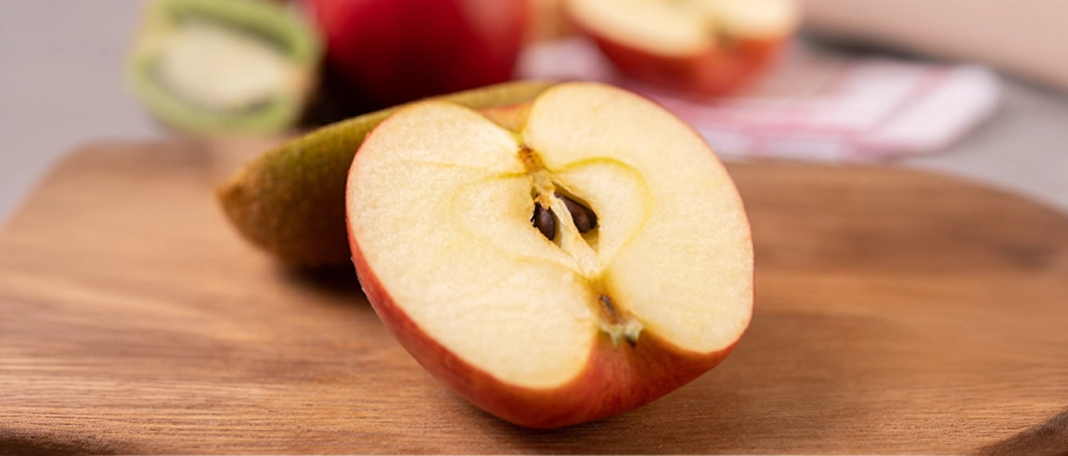
- Yes — apple seeds do contain a toxic compound called amygdalin, which can release cyanide when digested.
- No — accidentally swallowing a few seeds is not dangerous. Your body can process small amounts harmlessly.
- You would need to chew and swallow between 83 and 500 seeds in one sitting to reach a potentially toxic dose.
- Whole, unbroken seeds pass through the digestive system without releasing any cyanide at all.
You have probably heard it at some point — a friend warning you not to eat the apple core, or a cautionary tale about apple seeds being deadly. The claim sounds alarming, and it is not entirely wrong. Apple seeds do contain a naturally occurring toxic compound. But the full picture is far more nuanced than the headline suggests.
In this article, we break down exactly what makes apple seeds potentially harmful, how much would actually be dangerous, what symptoms to watch for, and whether you need to worry about it in everyday life.
The Science: Why Apple Seeds Can Be Toxic
What Is Amygdalin?
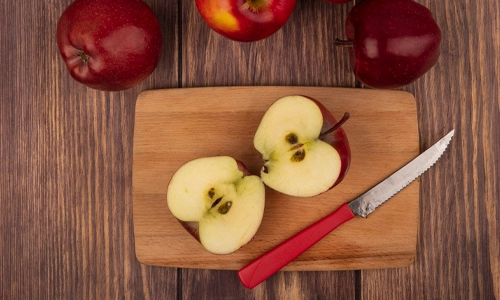
Apple seeds contain a naturally occurring chemical compound called amygdalin — a cyanogenic glycoside made up of sugar and cyanide molecules bonded together. In its intact form, amygdalin is relatively harmless. The problem begins when the seed is crushed or chewed. When the seed's cell walls are broken, amygdalin comes into contact with digestive enzymes. This triggers a chemical reaction that breaks the compound apart, releasing hydrogen cyanide (HCN) — the same highly toxic gas used as a chemical weapon in World War I.
How Does Cyanide Cause Harm?
Hydrogen cyanide works by binding to cytochrome c oxidase, the terminal enzyme in the mitochondrial electron transport chain. In plain terms: it shuts down the cell's ability to use oxygen. The body is essentially suffocated at the cellular level, even with oxygen present in the bloodstream. The central nervous system and heart are particularly vulnerable, as they depend heavily on continuous oxygen supply. Cyanide poisoning at high doses is rapid and severe — symptoms can appear within minutes and, without treatment, lead to organ failure and death.
How Much Cyanide Is in an Apple Seed?
This is where context matters enormously. Here is what the data shows:
| Measurement | Value | Source/Note |
| Amygdalin per apple seed | ~0.6 mg | Royal Botanic Gardens, Kew |
| Cyanide released per seed (if chewed) | ~0.01–0.06 mg | Varies by apple variety |
| Seeds per average apple | 5–10 seeds | Anatomical average |
| Lethal cyanide dose (humans) | 50–300 mg | ~1–3 mg per kg body weight |
| Seeds to reach toxic threshold | 83–500 seeds | 2018 research analysis |
| Seeds for a 70 kg (154 lb) adult | ~143 crushed seeds | Based on 1 mg/kg body weight |
| Apples needed (at 8 seeds each) | ~17–60 apples | All seeds crushed/chewed |
To put that in perspective: the average person eating an apple — even if they occasionally swallow a seed or two — is nowhere near a dangerous level. A 70-kilogram adult would need to carefully chew and swallow the seeds of approximately 17 to 60 apples in a single sitting to approach a potentially toxic dose.
Amygdalin Content Varies by Apple Variety
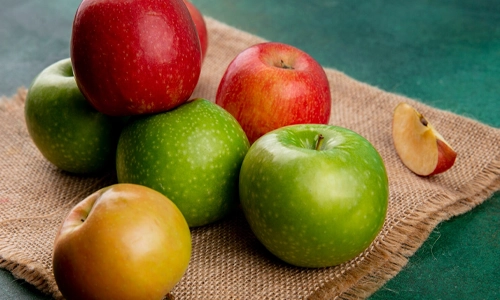
Not all apple seeds are equal. A 2015 study analyzing seeds from multiple apple varieties found meaningful differences in amygdalin concentration:
| Amygdalin Level | Apple Varieties |
| Highest amygdalin content | Cox's Orange Pippin, Golden Delicious, Granny Smith |
| Moderate amygdalin content | Gala, Fuji, Red Delicious |
| Lowest amygdalin content | Braeburn, Egremont Russet |
While these differences exist, they do not change the practical reality: you would need to consume an extraordinary number of seeds from any variety to be at risk.
When Are Apple Seeds Actually Dangerous?
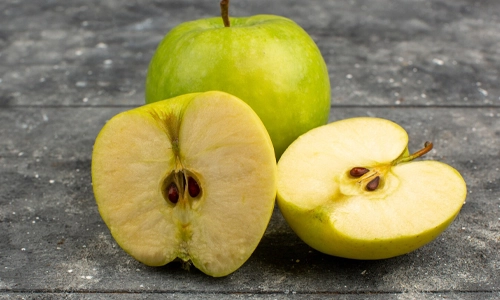
Three Conditions for Risk
- The seeds must be CHEWED or CRUSHED — whole seeds pass through the gut without releasing cyanide.
- A LARGE QUANTITY must be consumed — dozens to hundreds of crushed seeds at once.
- The body's detox threshold must be EXCEEDED — the liver can safely neutralize small amounts of cyanide via an enzyme called rhodanese.
If any one of these three conditions is not met, the seeds are effectively harmless. This is why millions of people accidentally swallow apple seeds every day with no ill effects.
What Happens to Whole, Unbroken Seeds?
A whole apple seed has a tough, protective outer coat that is resistant to digestive enzymes. If swallowed intact, it passes through the entire digestive system and is excreted without ever releasing amygdalin. The toxic potential is locked away inside — and only released through crushing or chewing.
Symptoms of Cyanide Poisoning from Apple Seeds
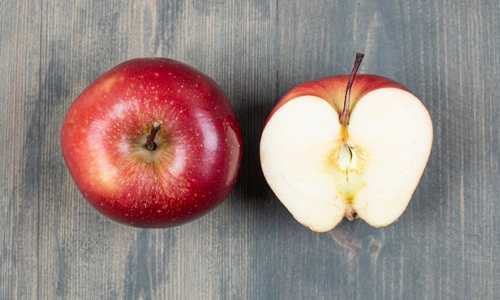
In the extremely rare scenario of consuming a large quantity of crushed apple seeds, symptoms of cyanide poisoning would emerge in stages:
| Stage | Symptoms | Approximate Timing |
| Mild / Early | Headache, dizziness, nausea, vomiting, anxiety | Within 20–60 minutes |
| Moderate | Rapid heart rate, confusion, shortness of breath, weakness | 30–90 minutes |
| Severe | Low blood pressure, seizures, loss of consciousness, blue skin (cyanosis) | 60–120 minutes |
| Critical / Fatal | Respiratory failure, cardiac arrest, organ shutdown | Without treatment: hours |
⚠️ Emergency Notice
If you suspect cyanide poisoning from any source — call emergency services (112 or your local emergency number) immediately. Do not wait for all symptoms to develop. Antidotes (hydroxocobalamin, sodium thiosulfate) are most effective when administered early.
Real-World Risk: Should You Actually Be Worried?
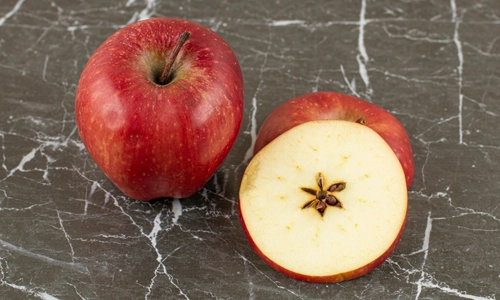
The honest answer is: no, not in typical circumstances. Here is a reality check:
- Accidentally swallowing 1–3 whole apple seeds while eating an apple? No risk whatsoever.
- Occasionally biting through an apple seed while eating? The trace amount of cyanide released is well within the body's safe processing capacity.
- Intentionally chewing and consuming seeds from a handful of apples? Potentially uncomfortable, but unlikely to reach toxic levels in a healthy adult.
- Regularly consuming large amounts of crushed apple seeds over time? This is where caution is warranted, particularly due to potential chronic low-level cyanide exposure.
Who Should Be More Careful?
While the risk is low for healthy adults, certain groups deserve extra caution:
| Population | Reason for Extra Caution | Recommendation |
| Young children | Lower body weight = lower toxic threshold | Remove seeds before giving apples to children |
| Pets (dogs, cats) | Much lower body weight; faster cyanide absorption | Never give apple cores to pets |
| Pregnant women | Animal studies show CN- transfers to fetus via placenta | Avoid consuming seeds routinely |
| People with liver conditions | Liver processes cyanide via rhodanese enzyme; impaired function = reduced clearance | Consult doctor; avoid seed-containing juices |
| People on certain medications | Some drugs can impair sulfur metabolism needed to neutralize cyanide | Speak to a healthcare professional |
What About Apple Juice and Smoothies?

This is a surprisingly important question — and one many health-conscious people overlook.
Commercial Apple Juice

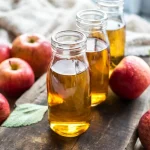
Standard commercially pressed apple juice is produced by pressing apples without crushing the seeds, which means the seeds' cell walls remain largely intact. A 2015 study found amygdalin content in commercially available apple juice to be very low — between 0.001 and 0.04 mg per milliliter — well below any level of concern. Pasteurization further reduces this, as cyanide has a low boiling point and is partially destroyed by heat treatment.
Smoothies with Whole Apples

The risk is higher — though still low — when whole apples, including seeds, are blended at high speed in smoothies. A 2018 study analyzing popular commercially available smoothies found that products made with whole crushed apples did contain detectable levels of cyanide, while pasteurized products did not. The amounts detected were still far below acutely toxic levels, but researchers suggest that frequent daily consumption of seed-inclusive whole-apple smoothies could contribute to low-level chronic cyanide exposure over time.
The practical recommendation: remove apple seeds before blending, particularly if making smoothies for children, pregnant women, or people who consume them multiple times per day.
How Does Apple Seed Toxicity Compare to Other Common Foods?
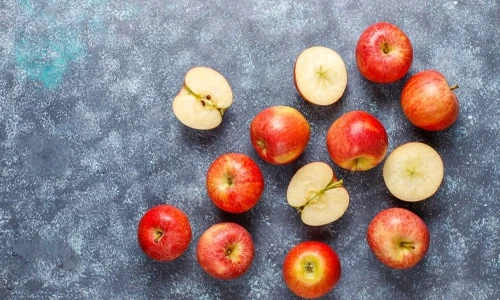
Apple seeds are not the only everyday food that harbors cyanogenic compounds. Context helps:
| Food | Compound | HCN per Serving (approx.) | Risk Level |
| Apple seeds (5 seeds, chewed) | Amygdalin | ~0.05–0.3 mg HCN | Very Low |
| Apricot kernels (1–2 kernels) | Amygdalin | ~0.5–2.0 mg HCN | Low–Moderate |
| Bitter almonds (10 kernels) | Amygdalin | ~40–60 mg HCN | HIGH — potentially lethal |
| Cassava (raw, 100g) | Linamarin | ~10–400 mg HCN | High if unprocessed |
| Sweet almonds (store-bought) | Trace amygdalin | ~0.05 mg HCN | Negligible |
| Cherry pits (1 pit, crushed) | Amygdalin | ~0.17 mg HCN | Very Low |
| Flaxseeds (1 tablespoon, raw) | Linamarin | ~5–10 mg HCN | Low–Moderate |
Key insight: Bitter almonds and raw cassava pose far greater real-world cyanide risks than apple seeds. Apple seeds rank among the lowest-risk sources of dietary cyanogenic compounds.
Your Body's Natural Defense Against Cyanide
The human body is not defenseless against cyanide. It has a dedicated enzymatic pathway to neutralize it:
- Rhodanese (thiosulfate sulfurtransferase): A liver enzyme that converts cyanide into thiocyanate — a far less toxic compound that is safely excreted in urine.
- A healthy adult can safely process up to approximately 3.5 mg of cyanide per day through this pathway without any adverse effects.
- Since five chewed apple seeds yield roughly 0.05–0.3 mg of cyanide, a single apple's worth of seeds is cleared easily and rapidly.
This detoxification system is why occasional, accidental seed ingestion has never caused documented harm in healthy individuals.
Have Apple Seeds Ever Actually Killed Someone?
Documented cases of death or serious poisoning from apple seeds alone are extraordinarily rare — effectively nonexistent in the medical literature under normal eating circumstances. The compound amygdalin is far more commonly associated with poisoning cases involving apricot kernels and bitter almonds, which contain significantly higher concentrations.
There are, however, documented cases of harm from intentional high-dose consumption of amygdalin supplements (marketed historically as "Laetrile" or "Vitamin B17") — a practice that is both dangerous and medically unsubstantiated. These supplements concentrate amygdalin far beyond what any natural food source provides.
Important Note on Laetrile / 'Vitamin B17'
Amygdalin has been sold as a supposed cancer cure under names like Laetrile or Vitamin B17. It is NOT a recognized vitamin, has NO proven anti-cancer efficacy in humans, and has caused deaths from cyanide poisoning. The FDA banned its interstate sale in the United States. Do not consume amygdalin supplements.
Practical Takeaways: What You Should Actually Do
✅ Safe — No Action Needed
- Accidentally swallowing 1–5 whole apple seeds while eating an apple
- Occasionally biting through a seed during normal apple eating
- Drinking standard pasteurized commercial apple juice
- Eating apple-based products where seeds are not crushed into the product
⚠️ Use Caution
- Blending whole apples (with seeds) into daily smoothies — remove seeds first
- Giving apple cores to young children or pets — always remove seeds
- Cold-pressing apples at home with seeds included in juicing
- Any supplement claiming to contain amygdalin, Laetrile, or Vitamin B17
Frequently Asked Questions
Q1: What happens if a child swallows an apple seed?
If the seed is swallowed whole and not chewed, it will pass through the digestive system harmlessly. If a young child chews a seed, the trace amount of cyanide released is still well below any toxic threshold. That said, as a precaution, it is good practice to remove seeds from apples given to small children — both because of the marginal chemical risk and the minor choking risk.
Q2: Can my dog eat apple seeds?
No. While a single seed is unlikely to cause serious harm to a medium or large dog, pets have significantly lower body weight, meaning the toxic threshold is reached with far fewer seeds. Apple seeds, along with the core, should always be removed before giving apples to dogs or other pets.
Q3: Is apple cider vinegar made from apple seeds?
No. Apple cider vinegar is made from fermented apple juice or crushed apple flesh, not from the seeds. It does not contain amygdalin and poses no cyanide-related risk.
Q4: Does cooking or baking destroy amygdalin in apple seeds?
Heat can partially reduce amygdalin content. Cyanide has a low boiling point (25.6°C / 78°F), so cooking, pasteurization, and baking all reduce — though do not always eliminate — the cyanide potential of crushed seeds. For practical cooking purposes such as baking a pie, the trace amounts present in a few seeds are of no concern.
Q5: Is it true that apple seeds contain Vitamin B17?
This is a myth. Amygdalin is not a vitamin, was never classified as such by any recognized nutritional authority, and the term 'Vitamin B17' was a marketing label used to sell amygdalin supplements as a cancer treatment. There is no scientific evidence supporting it as a cancer cure, and concentrated amygdalin supplements have caused cyanide-related deaths.
Q6: How many apple seeds would it take to kill an adult?
Based on available research, a 70-kilogram adult would need to chew and consume approximately 143 to 500 crushed apple seeds — the seeds from roughly 17 to 60 apples — in a single sitting to approach a potentially lethal cyanide dose. This is virtually impossible under normal eating conditions.
Are apple seeds poisonous?
Technically, yes — they contain amygdalin, which releases hydrogen cyanide when crushed and digested. But in the real world, the risk is so small under normal eating circumstances that it is not worth concern for healthy adults.
The poison, as always, is in the dose. Your body is well equipped to neutralize the tiny amounts of cyanide that might come from an accidentally swallowed seed. The threshold for real harm is far beyond what anyone would consume by eating apples normally.
The only meaningful precautions: remove seeds from apples given to children and pets, skip the seeds when blending whole-apple smoothies daily, and give a wide berth to any supplement marketing amygdalin as a health remedy.
Enjoy your apples — core and all, if you like. Just let the seeds slide.
Medical Disclaimer
This article is for informational and educational purposes only and does not constitute medical advice. If you or someone you know has consumed a large quantity of apple seeds or is showing signs of poisoning, contact emergency services immediately.