

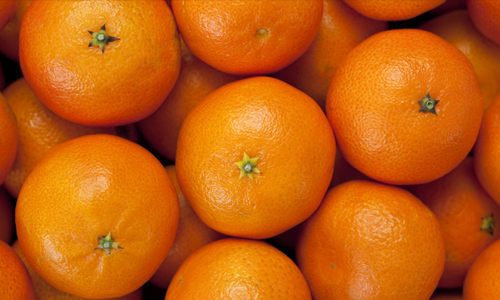
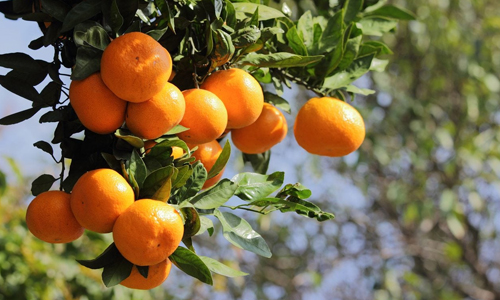
Tangerines are mandarins, the second largest cultivated citrus fruit among oranges. They are sweeter than oranges. This wonderful fruit is named after its place of origin in Tangier, Morocco. The fruit and its peel can be taken as food and have many health benefits for the body.
They are a bit smaller and less round in shape, so peeling them is even easier. Tangerines can be taken as a snack, juice, smoothie, or salad dressing.
Types of Tangerines
- Clementines
- Tangelos
- Temples
Surprising Health Benefits of Tangerines
1. Supports Immune System

The antioxidants present in the fruit help boost the function of immune cells and fight oxidative damage. It also helps promote the death of harmful microbes.
The vitamin C in tangerines may also help protect your immune system from viruses and bacteria by influencing the development and function of T cells, a type of white blood cell.
Whether you eat them whole or squeeze the juice onto your food, don’t forget to add this tangy fruit to your regular diet.
2. Promotes Skin Health

Tangerines are high in vitamin C, which keeps the body producing collagen, a protein that keeps the skin looking young and healthy. Vitamin C may also prevent and treat skin damage from the sun.
The rich citric acid present in this fruit helps curb acne on the skin and has an excellent exfoliating property that removes dead cells from the surface of the skin and revitalizes with moisture and freshness.
Potassium is a regenerator. It helps speed the cell renewal process, thus promoting rapid cell growth. Followed by exfoliation, the regeneration of new cells in a super quick manner helps the skin look youthful.
3. Eye Health

Are you facing problems with your eyesight? Try to include tangerines in your diet regularly and note the difference. Tangerines contain vitamin C and vitamin A in abundance, which are super-beneficial for eye health.
a. Vitamin C
Vitamin C is an antioxidant that helps prevent or delay cataracts and age-related macular degeneration (AMD). It also helps the body form and maintain connective tissue, including collagen in the cornea.
b. Vitamin A
A fat-soluble vitamin that helps maintain healthy retina and cornea function. A lack of vitamin A can lead to xerophthalmia, a condition that makes it difficult to see in low light.
4. Heart Health
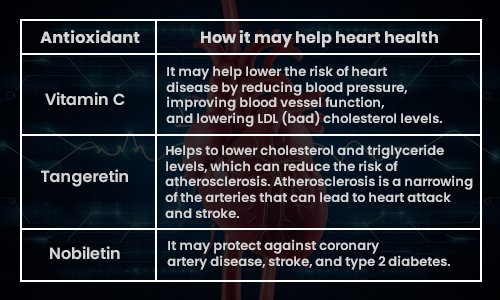
Tangerines may help support heart health due to the antioxidants they contain, such as vitamin C, nobiletin, and tangeretin:
5. Brain Health

The vitamin C and nobiletin present in tangerine protects against chronic brain diseases like the following:
- Alzheimer’s disease
- Parkinson's disease
- Schizophrenia
Tangerine peels contain flavonoids like naringin, hesperidin, tangerine, and nobiletin, which may have brain-protective properties. Moreover, citrus PMFs like nobiletin and tangeretin may help improve cognitive function by modulating pathological features like oxidative stress, neuroinflammation, and Aβ/tau pathology.
6. Aids in Weight Loss

Tangerines also help in weight loss. These tiny fruits are high in fiber and low in calories, making them a perfect weight loss diet. The fiber content present in it reduces the appetite and makes you feel full for a longer period.
They provide insoluble fiber - the kind that doesn’t ferment in the intestine, such as cellulose and lignin.
The relatively low calorie and carbohydrate count makes tangerines a delicious and healthy addition to any diet.
7. Anti-cancer properties

Several studies state that some of the phenolic compounds in tangerines may offer various types of protection from cancer. The antioxidants and vitamin C present in the fruit have cancer-fighting properties and prevent tumor growth and spread. They also promote wound healing properties after surgery.
It also increases the effectiveness of chemotherapy. The flavonoids present in citrus fruits are associated with reduced risks of some cancers like gastric, breast, colon, and lung cancer.
8. Bone Health
Tangerines are also a rich supplement of calcium and magnesium, which are important for the growth and maintenance of bones. In general, a diet higher in these minerals leads to greater bone density.
a. Helps control diabetes
Are you looking for a diabetes-friendly treat that can help keep your blood sugar within a healthy range? We got you covered. Tangerines and similar citrus fruits are rich in vitamin C and fiber. They have been found to help improve blood sugar levels in people with Type 2 Diabetes.
This may be due to nobiletin, a flavonoid found in the fruit that helps protect against the build-up of plaque in the arteries.
Tangerine Fruit Nutrition Facts
One medium tangerine (approximately 88 grams) contains about:
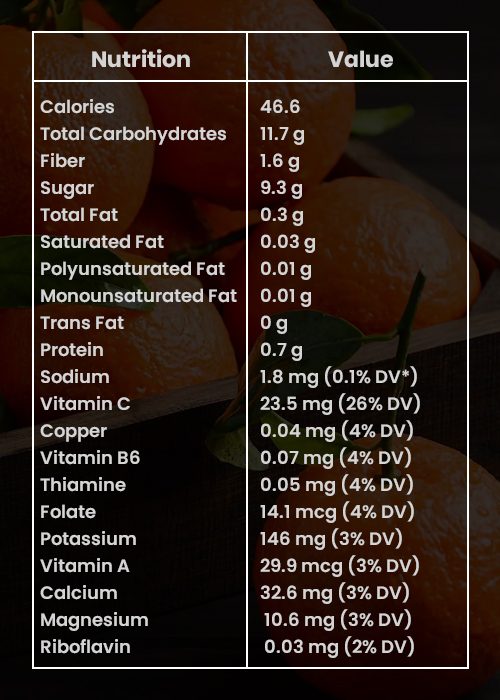
*Daily Value: Percentages are based on a diet of 2,000 calories a day.
Tangerine Vs Orange

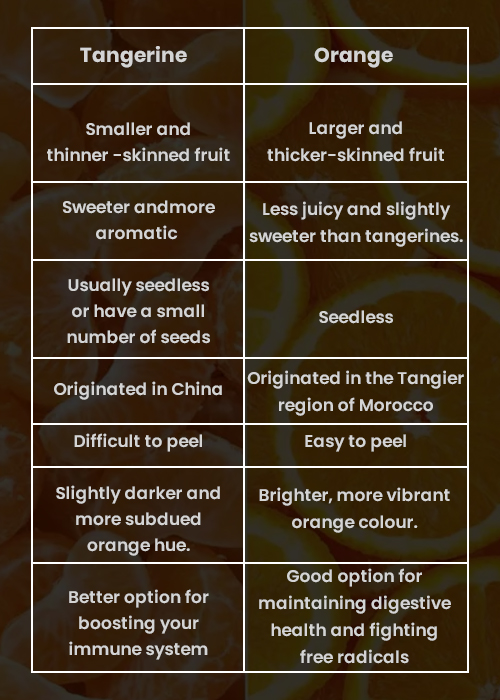
Despite their differences, both oranges and tangerines are incredibly healthy. They both contain high levels of vitamin C and potassium, as well as a variety of other minerals, such as dietary fiber and are highly nutritious for the human body.
Wondering what to do with left orange peels? Read this What To Do With Orange Peels to know how.
Side Effects of Tangerines
Tangerines provide a significant amount of dietary fiber and excessive intake could impact the speed at which the liver metabolizes medication.
People with citrus allergy should avoid intake as it may cause itching, tingling, redness, or even burns when the skin is touched. It might also cause digestive and respiratory problems.
Tangerines contain a large amount of sugar and consuming a lot of them can affect the blood sugar level. It is highly recommended that one consumes 5 servings per day, one tangerine equating to one serving.
How Many Tangerines Should Be Consumed in a Day?
You can eat tangerines every day. If consumed in moderation, tangerines will only benefit you. They are low-calorie superfoods and rich in vitamins, particularly vitamin C.
The general rule says 3 tangerines a day would be sufficient to eliminate toxins, boost immunity, and elevate mood. Eat tangerines in the morning and afternoon till five o'clock in the evening, but avoid eating them on an empty stomach.
Tip: Don’t forget to check whether it contains any chemicals that are harmful to your health.
Everything You Must Know About Tangerines
1. Are tangerines healthier than oranges?
Tangerines and oranges are both rich in vitamin C and antioxidants. While tangerines are slightly sweeter and easier to peel, oranges contain slightly more fiber. Both are excellent for boosting immunity and skin health.
2. How many tangerines can you safely eat per day?
Experts recommend limiting tangerine intake to 2 to 3 per day. While they’re low in calories and high in nutrients, excessive consumption may raise your blood sugar levels or interfere with medication metabolism due to high fiber and flavonoid content.
3. Do tangerines help with weight loss?
Yes! Tangerines are high in fiber and low in calories, which can help control appetite and promote fullness. They also contain insoluble fiber, aiding digestion and supporting a healthy metabolism.
4. Can tangerines improve skin health?
Tangerines are packed with vitamin C, which boosts collagen production, promotes skin repair, and helps reduce acne and sun damage. The citric acid in tangerines also acts as a natural exfoliant.
5. Is it safe to eat tangerine peels?
Tangerine peels are edible and contain flavonoids like nobiletin and hesperidin, which have anti-inflammatory and brain-protective properties. Make sure they’re washed thoroughly and free of pesticide residue before consuming.
6. Are tangerines good for people with diabetes?
In moderation, yes. Tangerines have a low glycemic index and contain nobiletin, which may reduce insulin resistance and support blood sugar control in people with Type 2 Diabetes.
7. Can tangerines boost brain health?
Definitely. Compounds like nobiletin and tangeretin found in tangerines may help protect against Alzheimer’s, Parkinson’s, and cognitive decline by reducing oxidative stress and inflammation.
8. What is the difference between tangerines, clementines, and tangelos?
- Tangerines are slightly tart and easy to peel.
- Clementines are seedless, sweeter, and great for kids.
- Tangelos are a cross between tangerines and pomelos or grapefruits, known for their juiciness.
9. What are the side effects of eating too many tangerines?
Overeating tangerines may cause digestive issues, interfere with certain medications, and spike blood sugar levels. People with citrus allergies should avoid them.
10. Can tangerines help fight cancer?
Studies suggest that the antioxidants and flavonoids in tangerines, especially nobiletin, may help prevent the growth of gastric, colon, breast, and lung cancer cells by reducing oxidative stress.
11. When is the best time to eat tangerines?
Morning to late afternoon is ideal. Avoid consuming them on an empty stomach or late at night due to their acidity and sugar content.
12. Are tangerines good for kids?
Absolutely. Their small size, easy peel, and sweet taste make tangerines a kid-friendly fruit. They’re a great source of vitamin C, potassium, and fiber, helping to support immunity and digestion in children.
13. What minerals are in tangerines?
Tangerines are rich in potassium, magnesium, and calcium, all of which support heart, bone, and muscle health.
14. Do tangerines help detox the body?
Yes. Their antioxidant properties, high vitamin C, and fiber content help flush out toxins, support liver function, and keep your digestive system clean.
15. What are the most important tangerine health benefits?
The key tangerine health benefits include boosting immunity with high vitamin C, improving skin health by supporting collagen production, aiding digestion through dietary fiber, promoting heart health via flavonoids like nobiletin, supporting eye health, and providing powerful antioxidants that protect cells from oxidative damage.
Final Note
Tangerines are low in fat and calories, making them an excellent alternative to other citrus fruits. So, the next time you see those little orange-like fruits all over the place during winter, remember, they are not just tasty but good for you too. Why not add them to your diet?