

If you're here, chances are you're dealing with the discomfort of sciatic pain, or you know someone who is. It can be debilitating, but the good news is that several home remedies for sciatica pain can help alleviate the discomfort. Let's dive into the details and explore how you can find relief right from the comfort of your home.
Understanding the Sciatic Nerve
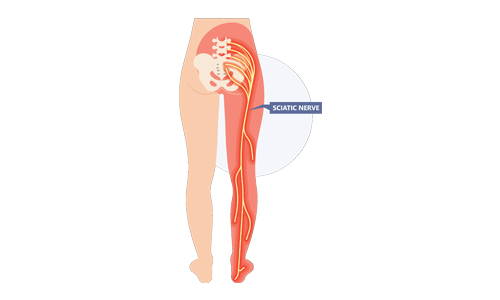
First, let’s understand the basics. The sciatic nerve is the longest and largest nerve in the body, running from the lower back through the hips and buttocks and down each leg. It controls the muscles in the back of your knee and lower leg and provides sensation to the back of your thigh, part of your lower leg, and the sole of your foot.
What is Sciatica?
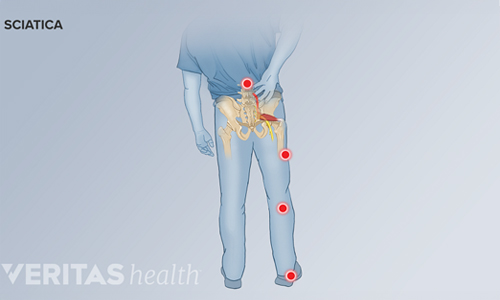
It refers to pain that radiates along the path of the sciatic nerve. This pain typically affects only one side of the body. It’s often caused by a herniated disk, bone spurs on the spine, or narrowing of the spine (spinal stenosis) compressing part of the nerve. Approximately 40% of people will experience it at some point in their lives, making it a common ailment. It can be classified into two main types:
- Acute Sciatica: Short-term and often resolves within a few weeks with home treatment.
- Chronic Sciatica: Lasts longer and may require more intensive treatment.
In many cases, it can improve with time and self-care measures. However, chronic cases might require more intensive treatment.
Common Causes of Sciatica
It is often caused by compression of the sciatic nerve. Understanding the specific causes can help in managing and preventing this painful condition. Here are the common causes:
1. Herniated Disk
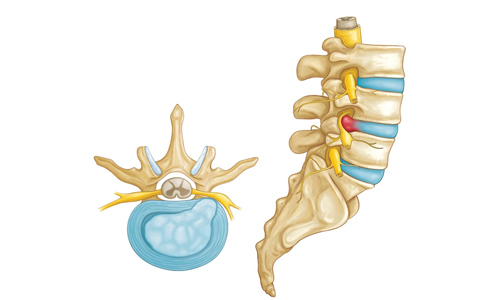
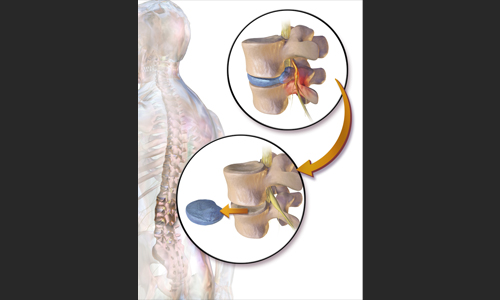
A herniated disk, also known as a slipped or ruptured disk, is one of the most common causes. The disks in our spine act as cushions between the vertebrae, providing flexibility and shock absorption. When a disk herniates, its inner gel-like core protrudes through the outer shell, pressing on nearby nerves, including the sciatic nerve. This can cause significant pain, numbness, and weakness along the nerve pathway.
How Does It Happen?
- As we age, the disks lose water content and become less flexible, making them more prone to tearing or rupturing with even minor strains or twists.
- A sudden impact or twist, such as a fall or lifting something heavy improperly, can cause a disk to herniate.
2. Bone Spurs
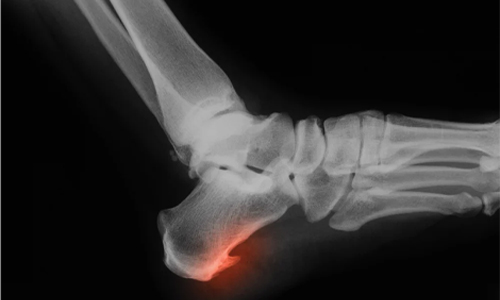
Bone spurs, also known as osteophytes, are bony projections that develop along the edges of bones. These spurs can form on the vertebrae due to arthritis or other degenerative conditions. When bone spurs develop near the spine, they can compress the sciatic nerve.
Why Do They Form?
- Osteoarthritis causes the cartilage between joints to wear down, leading to bone-on-bone friction. In response, the body may form bone spurs to protect the joints, but these can sometimes pinch the nerves.
- Like herniated disks, bone spurs are more common in older adults due to the natural wear and tear of the spine.
3. Spinal Stenosis
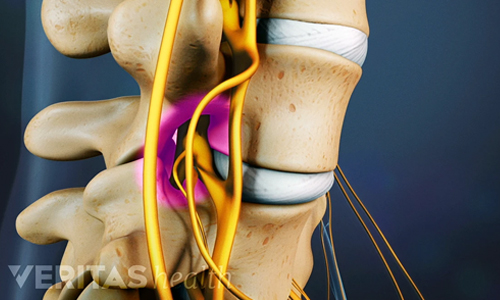
Spinal stenosis is a condition where the spaces within your spine narrow, putting pressure on the nerves that travel through the spine. This narrowing can occur in any part of the spine but is most common in the lower back (lumbar spinal stenosis).
Contributing Factors:
- Degenerative changes, such as thickened ligaments and bone spurs, contribute to the narrowing.
- Some people are born with a naturally narrow spinal canal, increasing their risk of developing spinal stenosis.
4. Lower Back Injury

Injuries to the lower back can cause direct damage to the spine or the sciatic nerve. Such injuries can result from:
- A sudden fall can cause herniation of the spinal disks or fractures that impinge on the sciatic nerve.
- The impact from a car accident can lead to spinal injuries that compress the sciatic nerve.
- High-impact sports or activities that involve heavy lifting or twisting can result in lower back injuries leading to sciatica.
Whether it's due to a herniated disk, bone spurs, spinal stenosis, aging, or injury, knowing the root cause can help guide the most effective treatment and prevention strategies.

Diagnosis of Sciatica

Diagnosing the pain usually involves a physical exam and a review of your medical history. Your doctor may:
- Perform tests to check muscle strength and reflexes.
- Ask you to perform activities like walking on your toes or heels, which can indicate the problem.
- Recommend imaging tests like X-rays, MRIs, or CT scans to get a detailed view of the spine and sciatic nerve.
Immediate Relief for Sciatica Pain Using Home Remedies
This pain can be relentless, but there are several home remedies you can try to find relief. Let's explore some of the most effective ones that can help manage the pain.
1. Hot and Cold Therapy

Alternating between hot and cold packs can provide significant relief from this pain.
How to Use:
- Apply a cold pack to the painful area for 15-20 minutes several times a day during the first few days. This helps reduce inflammation and numb the area.
- After a few days, switch to a heating pad or warm compress. This can help improve blood flow, relax tight muscles, and promote healing.
2. Drink Turmeric Milk

Turmeric is renowned for its anti-inflammatory properties due to its active compound, curcumin. You can incorporate turmeric into your diet or take it as a supplement.
How to Use: Add 1 teaspoon of turmeric powder to a cup of milk. Heat it and add a little honey to taste. Drink this daily.
Results: Regular consumption can help reduce inflammation and alleviate pain.
3. Try Garlic Milk
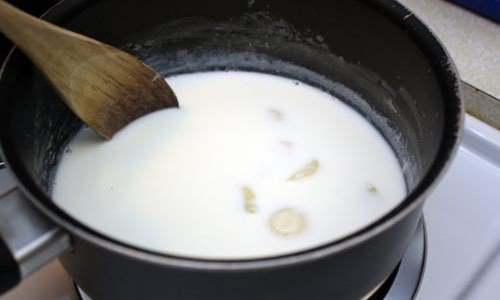
Not happy with turmeric milk? Try garlic instead. Garlic is another powerful anti-inflammatory agent that can help with your pain.
How to Use: Crush 2-3 garlic cloves and add them to a cup of milk. Boil the mixture and let it cool slightly before drinking. Consume this daily.
Results: Garlic milk can help reduce nerve pain and inflammation over time.
4. Apply Fenugreek Paste

Fenugreek seeds have anti-inflammatory properties that can be beneficial for sciatica.
How to Use: Grind a handful of fenugreek seeds to a fine powder. Boil the powder with milk to make a paste. Apply this paste to the affected area and leave it on for a couple of hours before washing it off.
Results: Regular application can help reduce inflammation and provide pain relief.
5. Sip Ginger Tea

Ginger has natural anti-inflammatory and analgesic properties that can help soothe your pain.
How to Use: Add a few slices of fresh ginger to a cup of boiling water. Let it steep for 10 minutes. Strain and drink this ginger tea 2-3 times a day.
Results: Drinking ginger tea regularly can help reduce inflammation and ease pain.
6. Take Epsom Salt Bath

An Epsom salt bath can help relax muscles and reduce inflammation.
How to Use: Add 2 cups of Epsom salt to a warm bath and soak in it for 20 minutes. Do this 2-3 times a week.
Results: Epsom salt baths can help relieve muscle tension and provide overall relaxation, which is beneficial for the pain.
7. Massage Therapy
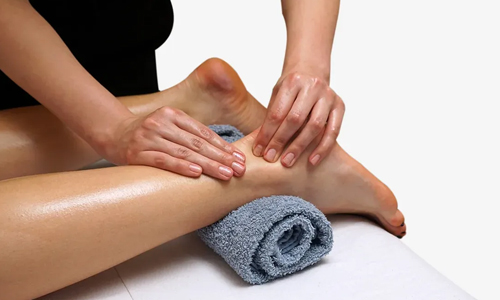
Regular massages can help reduce muscle tension and promote relaxation. Focus on the lower back, buttocks, and legs. You can also use essential oils like peppermint or lavender to enhance the massage’s soothing effects.
How to Use: Use a handheld massager and focus on the areas where you feel the most pain.
Results: Massages can help improve blood circulation, reduce muscle stiffness, and alleviate pain.
8. Apply Capsaicin Cream

Capsaicin, the active component in chilli peppers, can help relieve pain by depleting a neurotransmitter called substance P, which transmits pain signals.
How to Use: Apply a capsaicin cream to the affected area 3-4 times a day. Be sure to wash your hands thoroughly after application to avoid irritation.
Results: Regular use can help reduce pain over time.
Home Exercises to Alleviate Sciatica Pain
In addition to the stretches mentioned earlier, these simple exercises can help strengthen your back and reduce your pain easily at home:
1. Knee to Chest Stretch
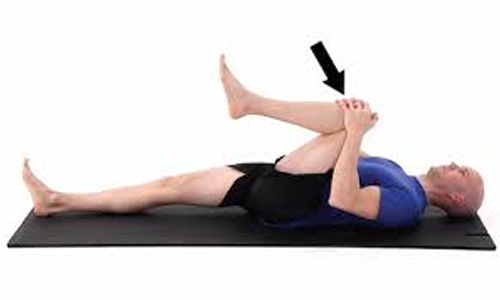
Lie on your back with your knees bent and feet flat on the floor. Bring one knee to your chest and hold for 30 seconds. Repeat with the other leg.
2. Cat-Cow Stretch
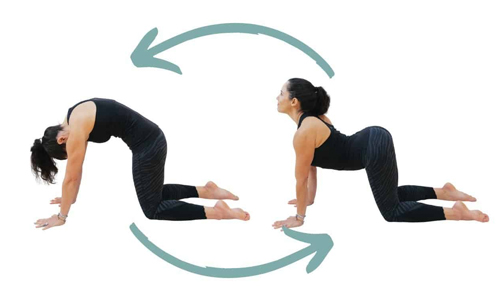
Get on your hands and knees. Arch your back towards the ceiling (cat), then dip it towards the floor (cow). Repeat 10 times.
3. Pelvic Tilts

Lie on your back with your knees bent and feet flat on the floor. Tighten your abdominal muscles and push your lower back into the floor. Hold for 5 seconds and repeat 10 times.
Treatment Options
If you don't see any improvements from the home remedies or exercises mentioned above, it's essential to consult your healthcare provider promptly to begin a more comprehensive treatment plan. Your healthcare provider may suggest several methods to help relieve sciatica pain, including:
1. Medications

- Over-the-counter medications like Ibuprofen, Naproxen, and Aspirin are often the first line of defense against the pain.
- If it is caused by muscle spasms, muscle relaxants like Cyclobenzaprine and Methocarbamol can help. These medications work by reducing muscle tension, which can alleviate pressure on the sciatic nerve.
- In addition to over-the-counter options, stronger anti-inflammatory medications may be prescribed to help reduce inflammation.
- For severe pain, your doctor may prescribe stronger pain medications.
These are typically used for a short period due to the risk of side effects and dependency.
2. Physical Therapy

Physical therapy plays a crucial role in both the treatment and prevention of sciatica. A physical therapist can design a tailored exercise program to address the underlying causes of your pain.
Posture Improvement
Proper posture can help reduce pressure on the sciatic nerve. Your therapist will teach you how to maintain a neutral spine position, whether sitting, standing, or sleeping.
Strengthening Exercises
Exercises like bridges will support your back, especially the core muscles and help alleviate and prevent sciatica.
Flexibility Exercises
Stretches like hamstring and piriformis can increase the flexibility in the lower back and legs and help reduce sciatic nerve tension.
3. Steroid Injections

For some people, oral medications and physical therapy might not be enough. In such cases, corticosteroid injections can be an effective option. These injections help reduce inflammation around the irritated sciatic nerve and provide pain relief.
4. Surgery
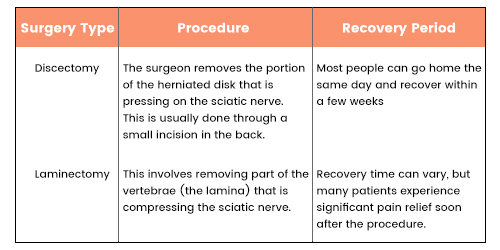
In severe cases where other treatments have failed, surgery may be necessary to relieve pressure on the sciatic nerve. Here is the detailed table representing the surgery type, its procedure, and recovery period.
When to Consider Surgery?
- Severe pain for more than 6-12 weeks.
- Significant weakness or loss of bladder or bowel control.
- If pain severely limits your daily activities despite other treatments.
While there’s no one-size-fits-all answer, combining several treatments often provides the best results. Some people find relief through physical therapy and exercises, while others may need medications or injections.
Conclusion
Sciatica pain can be challenging, but with the right approach, you can manage and alleviate the discomfort. Remember, everyone's body responds differently, so it might take some time to find which home remedies for sciatica pain work best for you.
Pro Tip: Keep a pain diary to track which remedies provide the most relief. This can help you and your healthcare provider tailor a treatment plan specifically for your needs.
We hope you found this guide helpful! Have you tried any of these home remedies or exercises for sciatic pain? Share your experiences and tips in the comments below – your story might help someone else find relief.
Stay healthy and take care!