Apple cider vinegar — commonly known as ACV — is one of the oldest and most talked-about natural remedies in the world. From ancient Greece to modern wellness influencers, this amber-colored liquid has stood the test of time. But beyond the hype, what does science actually say about its health benefits?
In this comprehensive guide, we explore everything you need to know about apple cider vinegar — what it is, how it is made, its wide-ranging health benefits, how to use it safely, who should avoid it, and the best brands to choose from. Whether you are a first-timer curious about ACV or a long-time user looking to deepen your understanding, this is the only guide you will need.
What Is Apple Cider Vinegar?

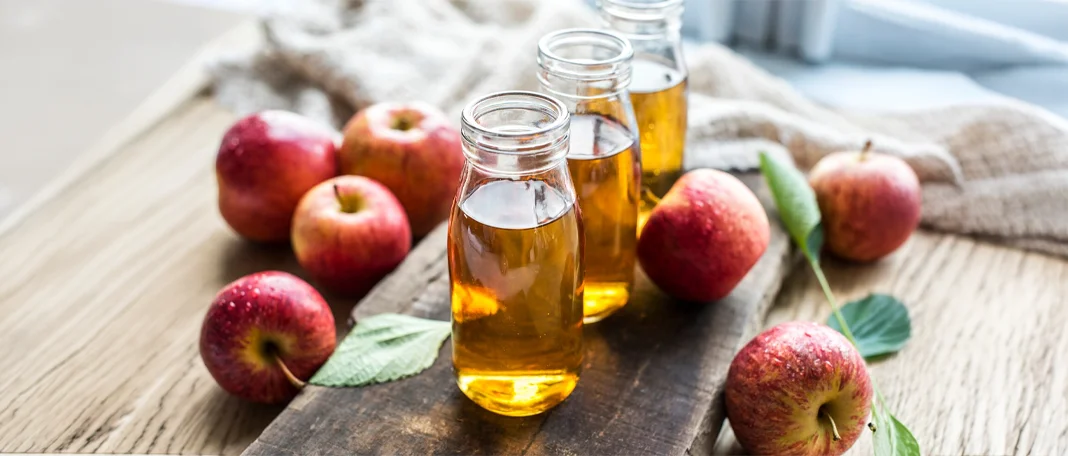
Apple cider vinegar is a type of vinegar made from fermented apple juice. It has a sharp, tangy taste and a distinctive amber hue. The two main components that make ACV unique are acetic acid — its primary active compound — and "the mother," a colony of beneficial bacteria, enzymes, and proteins visible as a cloudy sediment in unfiltered ACV.
ACV has been used for centuries not just as a food condiment but as a health tonic, cleaning agent, and natural preservative. Today, it is widely recognized as a functional food with several science-backed benefits.
How Is Apple Cider Vinegar Made?

The production of ACV is a two-step fermentation process:
- Step 1 — Alcoholic Fermentation: Crushed apples are exposed to yeast, which converts the natural sugars in apple juice into alcohol, producing hard apple cider.
- Step 2 — Acetic Acid Fermentation: Bacteria (Acetobacter) are introduced to the cider, converting the alcohol into acetic acid. This is what gives vinegar its signature sharp smell and taste.
Unfiltered, raw ACV retains "the mother" — a web-like substance rich in probiotics and enzymes. Filtered ACV is clear and milder but lacks these beneficial components. For health purposes, most experts recommend choosing raw, unfiltered ACV with the mother.
Nutritional Profile of Apple Cider Vinegar
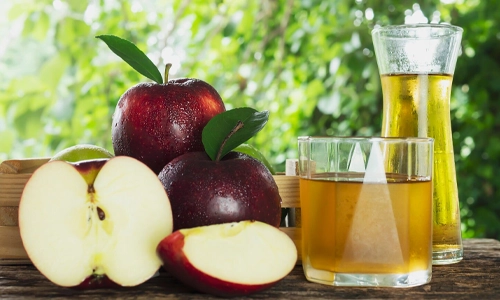
ACV is not a nutrient powerhouse in the traditional sense — a tablespoon contains very few calories — but its bioactive compounds are what matter:
- Acetic acid (the primary active compound)
- Probiotics and enzymes (in raw, unfiltered ACV)
- Polyphenols and antioxidants from apples
- Potassium, magnesium, and phosphorus in trace amounts
- Amino acids
The real magic lies in how these compounds interact with the body at a cellular and metabolic level.
Apple Cider Vinegar for Weight Loss

One of the most widely searched topics around ACV is its role in weight management. The evidence, while not overwhelming, is promising.
How ACV Supports Weight Loss
- Appetite Suppression: Acetic acid has been shown to increase feelings of fullness (satiety), helping you eat fewer calories throughout the day.
- Blood Sugar Regulation: ACV can slow the rate at which food empties from the stomach, leading to more gradual glucose absorption and reduced blood sugar spikes — a key driver of cravings and fat storage.
- Metabolic Boost: Some animal studies suggest acetic acid may increase fat burning and reduce fat storage, particularly in the liver and belly area.
- Reduced Insulin Levels: Lower post-meal insulin levels support a fat-burning metabolic state rather than fat storage.
How to Drink Apple Cider Vinegar for Weight Loss

The most commonly recommended approach is:
- Mix 1–2 tablespoons of raw ACV in a large glass (8–12 oz) of warm or room-temperature water.
- Drink it 20–30 minutes before meals, ideally before lunch or dinner.
- Start with 1 teaspoon per day and gradually increase to avoid digestive discomfort.
- Do not exceed 2 tablespoons per day.
Always dilute ACV before drinking — never drink it straight. Its high acidity can erode tooth enamel and irritate the esophagus. Using a straw helps minimize contact with your teeth.
Apple Cider Vinegar and Blood Sugar Control
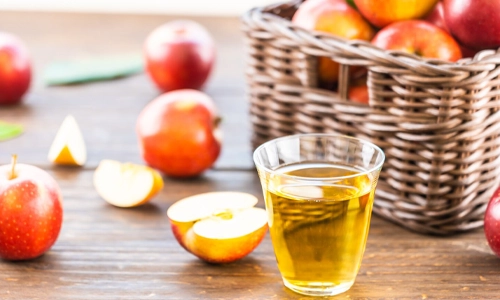
This is one of the most studied and well-supported benefits of ACV. Multiple human studies have shown that consuming ACV before or with a high-carbohydrate meal can significantly reduce post-meal blood sugar levels.
- A study published in the journal Diabetes Care found that consuming ACV before a high-carb meal reduced blood sugar spikes by up to 34% in people with insulin resistance.
- ACV appears to inhibit certain digestive enzymes that break down starch, slowing the conversion of carbohydrates into glucose.
- It may also improve insulin sensitivity, particularly in people with type 2 diabetes or prediabetes.
- If you are on diabetes medication or insulin, consult your doctor before adding ACV to your routine, as it can amplify the blood-sugar-lowering effects of medication.
Apple Cider Vinegar for Heart Health
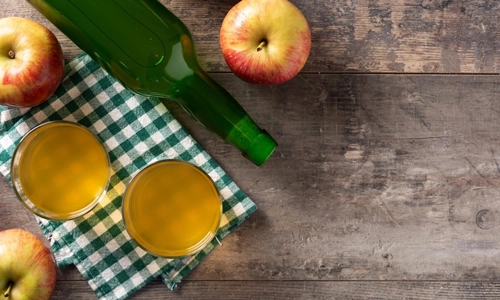
Cardiovascular disease remains the leading cause of death globally. While ACV is not a substitute for heart medication or a healthy lifestyle, it offers several cardioprotective benefits.
Key Cardiovascular Benefits
- Lower LDL Cholesterol: Animal studies have shown that acetic acid can lower total cholesterol and triglyceride levels, two major risk factors for heart disease.
- Blood Pressure Reduction: ACV may inhibit an enzyme (renin) responsible for raising blood pressure. Regular consumption has been associated with modest blood pressure reductions in some studies.
- Anti-Inflammatory Action: Chronic inflammation is a root cause of arterial damage. The polyphenols in ACV help reduce oxidative stress and systemic inflammation.
- Triglyceride Reduction: Elevated triglycerides are a key marker of cardiovascular risk. ACV has demonstrated the ability to reduce triglyceride levels in both animal and some human studies.
While promising, most robust heart-health studies on ACV have been conducted in animals. Human clinical trials are limited, and ACV should be viewed as a complementary tool — not a standalone treatment.
Apple Cider Vinegar and Gut Health
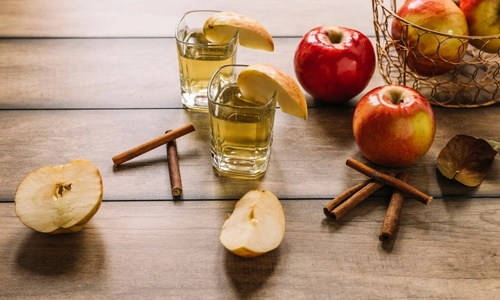
A healthy gut is the foundation of overall health — from immunity to mental wellbeing. ACV supports digestive health in several ways:
- Probiotic Content: Raw, unfiltered ACV contains live cultures (from the mother) that contribute to a healthy gut microbiome.
- Improved Digestion: ACV stimulates the production of digestive enzymes and hydrochloric acid in the stomach, improving the breakdown of proteins and fats.
- Relief from Bloating and Gas: By supporting stomach acid production, ACV can help with sluggish digestion, particularly in people with low stomach acid (hypochlorhydria).
- Acid Reflux: Contrary to intuition, some people report that a small amount of ACV before meals actually reduces acid reflux symptoms — potentially because it helps signal the lower esophageal sphincter to close properly. However, this is anecdotal; for many people, acidic foods worsen reflux.
Note: If you have active gastric ulcers or a sensitive digestive tract, ACV may aggravate your symptoms. Always start with a very small dose and listen to your body.
Apple Cider Vinegar for Skin Health

ACV has become a staple in natural skincare, and for good reason. Its antimicrobial and pH-balancing properties make it useful for a range of skin concerns.
How ACV Benefits the Skin
- Acne and Breakouts: Acetic acid has natural antibacterial properties and can help kill acne-causing bacteria (Propionibacterium acnes). The malic acid in ACV also acts as a gentle exfoliant, unclogging pores.
- pH Balance: Healthy skin is slightly acidic (pH 4.5–5.5). ACV, being naturally acidic, can help restore this balance when used as a toner.
- Eczema and Dry Skin: Some people find that diluted ACV soothes the itching associated with eczema and dry skin conditions due to its anti-inflammatory properties.
- Dark Spots and Hyperpigmentation: Malic acid is a natural AHA that can gently fade post-inflammatory hyperpigmentation with consistent use.
- Dandruff: Applied to the scalp, ACV can help reduce dandruff-causing fungal overgrowth and restore scalp pH.
How to Use ACV on Skin
Always dilute ACV for topical use — a 1:3 ratio (one part ACV to three parts water) is a safe starting point. Apply with a cotton pad, leave for a few minutes, then rinse. Patch-test first. Never apply undiluted ACV directly to sensitive or broken skin.
Apple Cider Vinegar and Immune Health
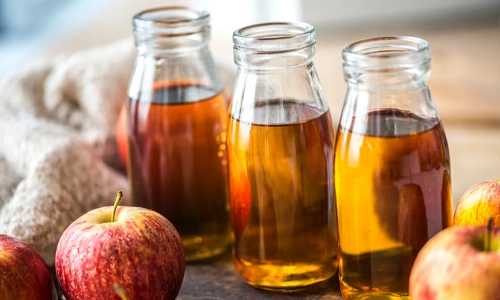
While ACV is not an immune booster in the clinical sense, several of its properties contribute to a healthier immune response:
- Antimicrobial Properties: Acetic acid has been shown to kill or inhibit a wide range of pathogens, including E. coli, Salmonella, and Staphylococcus aureus.
- Antioxidant Activity: The polyphenols in ACV help neutralize free radicals that can damage immune cells.
- Gut-Immune Axis: Since approximately 70–80% of the immune system is located in the gut, ACV's probiotic content and digestive support indirectly bolster immunity.
- Lymphatic Support: ACV is traditionally believed to support lymphatic flow and the removal of toxins, although formal clinical research on this is limited.
Apple Cider Vinegar and Bone Health

Bone health may not be the first thing that comes to mind with ACV, but there is a growing body of interest in its mineral absorption-enhancing properties.
- Improved Calcium Absorption: The acetic acid in ACV may help acidify the digestive environment, improving the absorption of calcium and other bone-building minerals — particularly important for people who produce insufficient stomach acid.
- Mineral Content: ACV contains trace amounts of potassium and magnesium, both essential for maintaining bone density and muscle function.
- Alkalizing Effect: Once metabolized, ACV has an alkalizing effect on the body. While this is debated, some proponents suggest it helps maintain the body's acid-base balance, reducing the need to leach calcium from bones as a buffering agent.
It is important to note that long-term excessive ACV consumption may actually decrease potassium levels and potentially affect bone density. Moderation is key.
ACV for Detoxification and Liver Health

The liver is the body's primary detoxification organ, and there is some evidence suggesting ACV may support its function:
- Liver Fat Reduction: Studies in obese rats found that acetic acid reduced the accumulation of fat in the liver, a condition known as non-alcoholic fatty liver disease (NAFLD).
- Antioxidant Protection: ACV's polyphenols may help protect liver cells from oxidative damage caused by environmental toxins and poor diet.
- Lymphatic Cleansing: Anecdotal reports suggest ACV helps the lymphatic system eliminate metabolic waste, though this requires more clinical study.
ACV should not replace medical treatment for liver conditions. If you have liver disease, consult your physician before use.
Apple Cider Vinegar for Energy and Fatigue

Feeling sluggish? ACV may offer a natural energy lift through several mechanisms:
- Lactic Acid Clearance: Intense exercise produces lactic acid, which contributes to muscle fatigue. The amino acids and potassium in ACV may help buffer lactic acid buildup.
- Blood Sugar Stability: Energy crashes are often linked to post-meal blood sugar spikes and drops. By stabilizing glucose levels, ACV helps maintain more consistent energy throughout the day.
- Electrolyte Support: Potassium in ACV supports proper muscle function and energy metabolism.
How to Cook with Apple Cider Vinegar: Recipes & Ideas

Beyond health tonics, ACV is a versatile culinary ingredient that adds brightness, depth, and complexity to a wide range of dishes.
Easy ACV Recipes to Try
1. ACV Morning Tonic
- 1 tablespoon raw ACV
- 1 cup warm water
- 1 teaspoon raw honey
- 1/4 teaspoon cinnamon
- Pinch of cayenne pepper (optional)
Mix all ingredients and drink on an empty stomach, 20 minutes before breakfast.
2. Apple Cider Vinegar Salad Dressing
- 2 tablespoons AC
- 3 tablespoons extra-virgin olive oil
- 1 teaspoon Dijon mustard
- 1 teaspoon raw honey
- Salt, pepper, and herbs to taste
Whisk together and drizzle over salads, grain bowls, or roasted vegetables.
3. ACV Marinade for Chicken
- 3 tablespoons ACV
- 2 tablespoons olive oil
- 2 minced garlic cloves
- 1 tablespoon soy sauce
- 1 teaspoon paprika
Marinate chicken for 2–4 hours before grilling or baking. The ACV tenderizes the meat and adds a subtle tang.
4. ACV Coleslaw
Replace half or all of the mayonnaise in traditional coleslaw with a mixture of ACV, olive oil, and a touch of honey for a lighter, tangier version.
5. Shrub (Drinking Vinegar)
Shrubs are fruit-infused ACV syrups mixed with sparkling water to create a sophisticated non-alcoholic drink. Combine equal parts berries, sugar, and ACV. Infuse for 24 hours, strain, and mix with sparkling water.
Apple Cider Vinegar: Liquid, Pills, Gummies & Capsules
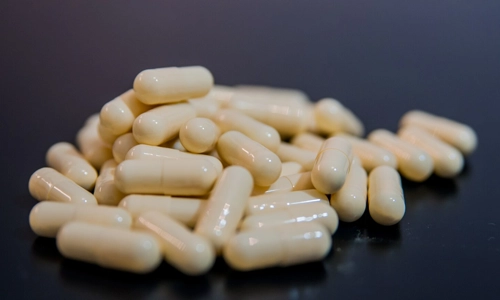
Not everyone enjoys the taste of liquid ACV. Fortunately, there are several alternative forms that deliver similar benefits.
Do We Get Apple Cider Vinegar Pills?
Yes, apple cider vinegar pills are widely available. They contain dehydrated ACV in compressed tablet form. They are odorless, convenient, and travel-friendly. However, the concentration of acetic acid per dose can vary significantly between brands, and there is less research on pills compared to liquid ACV. Always check the milligrams per serving and ensure it includes the mother or standardized acetic acid content.
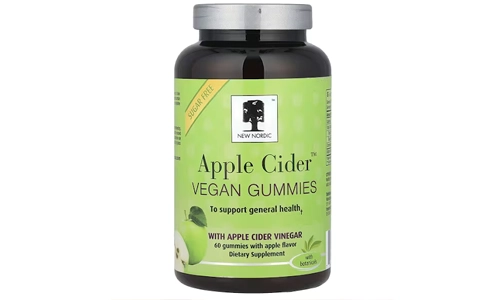
Apple Cider Vinegar Gummies
ACV gummies have exploded in popularity as a more palatable way to consume ACV — especially among those who dislike the sourness of liquid vinegar. Most gummies provide 500–1000mg of ACV equivalent per serving, alongside added vitamins like B12 and folate, and sweeteners to mask the vinegar taste. They are a great entry point for beginners, though they tend to contain added sugars and may have lower bioavailability than liquid ACV. Brands like Goli, Bragg, and Nature's Truth are popular options.
ACV Capsules
ACV capsules are similar to pills but in a gelatin or vegetarian capsule shell, making them easier to swallow. They often provide a more precise dose and are free from added sugars. Look for capsules that specify acetic acid content and whether they include the mother culture. ACV capsules are an excellent choice for people on blood sugar management protocols who want a consistent daily dose without the digestive disruption that liquid ACV can sometimes cause.
Comparing ACV Forms
| Form | Pros | Cons | Best For |
| Liquid ACV | Highest potency, includes mother | Strong taste, can damage teeth/esophagus | Most health benefits |
| Pills/Tablets | Convenient, tasteless | Variable quality, no mother | Travel and convenience |
| Gummies | Tasty, fun to take | Added sugars, lower potency | Beginners, taste-sensitive |
| Capsules | Precise dose, easy to swallow | Costs more, no mother usually | Blood sugar management |
Which Brand of Apple Cider Vinegar Is Best?

When it comes to choosing the right ACV, quality matters enormously. Here are the top picks across categories:
Who Makes the Best Apple Cider Vinegar?
- Bragg Organic Raw Apple Cider Vinegar — The gold standard. USDA organic, raw, unfiltered, with the mother. Bragg has been producing ACV since 1912 and remains the most trusted brand globally. Ideal for drinking, cooking, and topical use.
- Fairchild Organic Apple Cider Vinegar — Another excellent raw, unfiltered option made from whole-pressed apples (not just juice), resulting in higher polyphenol content.
- Dynamic Health Organic ACV with Mother — A more affordable but high-quality option. Certified organic and raw.
- Vermont Village Organic Apple Cider Vinegar — Cold-pressed, raw, and available in convenient pouches and bottles. A premium artisanal option.
- Goli Apple Cider Vinegar Gummies — The best-selling ACV gummy on the market, made with organic ACV and enriched with B vitamins. Great for those who cannot tolerate liquid ACV.
- NOW Supplements Apple Cider Vinegar Capsules — A reputable supplement brand offering standardized ACV capsules with 450mg per serving.
What to Look for When Buying ACV
- Raw and unfiltered (contains the mother)
- USDA Certified Organic
- Stored in glass (not plastic) to prevent chemical leaching
- No added sugars, preservatives, or artificial flavors
- Clearly labeled acetic acid percentage (standard: 5%)
How to Use Apple Cider Vinegar: A Complete Guide

When to Take Apple Cider Vinegar
- For blood sugar management: 1–2 tablespoons diluted in water, taken just before meals (especially high-carb meals).
- For weight loss: 20–30 minutes before your largest meal of the day.
- For digestion: 15–20 minutes before meals.
- For energy: In the morning, mixed into your first glass of water.
- For sleep and gut rest: Some people take diluted ACV in the evening before bed, though morning use is more common.
- Consistency matters more than timing. Choose a routine you can maintain daily.
How to Drink Apple Cider Vinegar Safely
- Always dilute: 1–2 tablespoons in at least 8 oz of water.
- Use a straw to minimize contact with tooth enamel.
- Rinse your mouth with plain water after drinking.
- Do not brush your teeth for at least 30 minutes after drinking ACV.
- Start low, go slow: begin with 1 teaspoon and increase gradually.
- Maximum recommended dose: 2 tablespoons (30ml) per day.
What Are the Side Effects of Apple Cider Vinegar?

While ACV is generally safe when used appropriately, excessive or improper use can cause problems:
- Tooth Enamel Erosion: Undiluted ACV or frequent unprotected exposure can erode dental enamel. Always dilute and use a straw.
- Esophageal Damage: Drinking undiluted ACV can cause chemical burns in the throat and esophagus.
- Digestive Discomfort: Nausea, indigestion, or diarrhea can occur, especially at high doses or in people with sensitive stomachs.
- Low Potassium (Hypokalemia): Long-term high-dose ACV consumption has been linked to reduced potassium levels, which can affect heart and muscle function.
- Drug Interactions: ACV can interact with diuretics, insulin, and certain heart medications. Consult your doctor if you take any prescription medication.
- Delayed Gastric Emptying: In people with gastroparesis (a condition where the stomach empties too slowly), ACV can worsen symptoms.
- Skin Burns: Undiluted topical application can cause chemical burns, especially on sensitive skin.
Who Should Not Take Apple Cider Vinegar?

ACV is not suitable for everyone. The following groups should avoid or strictly limit its use, and always consult a healthcare provider first:
- People with gastroparesis or esophageal motility disorders
- Those with active stomach ulcers or gastroesophageal reflux disease (GERD)
- People on insulin or diabetes medications (risk of dangerous hypoglycemia)
- People taking diuretics, laxatives, or digoxin (drug interactions risk)
- Individuals with chronic kidney disease (ACV affects acid-base balance)
- Pregnant and breastfeeding women (insufficient safety data)
- Children under 12 years of age
- People with low potassium levels (hypokalemia)
- Anyone post-surgery or with active internal injuries
If you are on any prescription medications or have a diagnosed health condition, always speak with your doctor before beginning an ACV regimen.
Frequently Asked Questions (FAQ)
1: What is apple cider vinegar good for?
ACV is most widely used for blood sugar regulation, weight management, improved digestion, skin health, heart health, and antimicrobial purposes. It is also used in cooking as a flavor enhancer and natural preservative.
2: How is apple cider vinegar made?
ACV is produced through a two-step fermentation process. First, crushed apples are fermented with yeast to produce alcohol. Then, bacteria convert the alcohol into acetic acid, the primary active compound in vinegar.
3: When should I take apple cider vinegar?
Most experts recommend taking ACV 20–30 minutes before meals for digestive and blood sugar benefits. Morning consumption on an empty stomach is popular for weight management and energy, but any consistent time works as long as it is always diluted.
4: How do I drink apple cider vinegar?
Dilute 1–2 tablespoons in a glass of water (at least 8 oz). You can add honey, lemon, or cinnamon to improve the taste. Use a straw, and rinse your mouth afterward. Never drink it straight.
5: Which brand of apple cider vinegar is best?
Bragg Organic Raw ACV is the most widely recommended brand for health purposes. It is organic, raw, unfiltered, and contains the mother. For gummies, Goli is the most popular; for capsules, NOW Supplements is a trusted option.
6: Do ACV pills or capsules work as well as liquid ACV?
ACV capsules and pills are a convenient alternative, though the research is primarily based on liquid ACV. Pills and capsules lack the live cultures found in raw liquid ACV and have varying concentrations of acetic acid. They are a good substitute for those who dislike the taste but may not be equally potent.
7: Are ACV gummies effective?
ACV gummies are a palatable option, especially for beginners. They typically contain 500–1000mg of ACV equivalent per serving, which is lower than drinking 1–2 tablespoons of liquid ACV. While not as potent, they still offer some benefits, particularly for those who cannot tolerate the liquid form.
8: Who should not take apple cider vinegar?
People with gastroparesis, GERD, stomach ulcers, chronic kidney disease, or those taking insulin, diuretics, or digoxin should avoid ACV or consult a doctor first. Pregnant and breastfeeding women and young children should also avoid regular ACV use.
9: What are the side effects of apple cider vinegar?
Potential side effects include tooth enamel erosion, throat irritation, digestive discomfort, low potassium levels, and drug interactions. These are almost entirely avoidable by always diluting ACV, using a straw, limiting intake to 2 tablespoons per day, and consulting a physician if on medications.
10: How should I use ACV on my skin?
Mix one part ACV with three parts water and apply with a cotton pad as a toner. Always patch-test first, leave on for a few minutes, then rinse. Never apply undiluted ACV to your face. For scalp use, dilute further and apply before shampooing.
Is Apple Cider Vinegar Worth It?
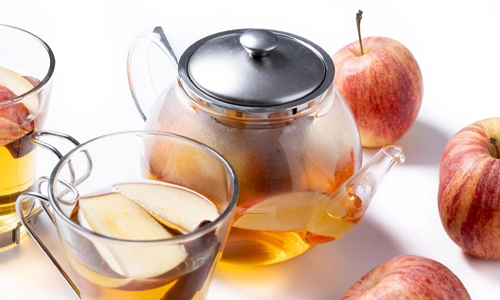
Apple cider vinegar is not a miracle cure — but it is a remarkably versatile, science-supported natural health tool. When used correctly, it can meaningfully support blood sugar balance, weight management, gut health, skin health, heart health, and more. The key is using it consistently, safely, and in the right amounts.
Whether you choose liquid ACV in your morning water, apple cider vinegar gummies on the go, or ACV capsules as part of your supplement stack, what matters most is quality, consistency, and balance. Choose organic, raw, and unfiltered products, dilute properly, and listen to your body.
If you are dealing with specific health conditions, always consult with a healthcare professional before adding ACV to your routine. Used wisely, it can be one of the simplest, most cost-effective additions to a healthy lifestyle.