| Health Benefits of Dates at a Glance | Key Takeaway |
| Digestive Health | 7g fibre per serving; clinical studies confirm improved bowel regularity |
| Heart Health | Lowers cholesterol & blood pressure; high potassium (696mg per 100g) |
| Brain Health | Antioxidants reduce neuro-inflammation; may protect against cognitive decline |
| Bone & Blood Health | Rich in calcium, magnesium, phosphorus, copper, and iron (11% DV) |
| Energy & Metabolism | Natural sugars + B vitamins = sustained energy with no crash; GI ~42 |
| Pregnancy Support | RCT evidence: eating dates in final weeks reduces need for labor induction |
| Blood Sugar Control | Low GI (~42); fibre slows glucose absorption; safe for most diabetics |
| Antioxidant & Immune Power | Flavonoids, carotenoids, phenolic acids — among the highest in dried fruits |
There are foods that have been eaten for centuries. And then there are foods that have been eaten for millennia — revered by civilisations, prescribed by physicians, and celebrated across cultures as something more than just sustenance. Dates are one of those foods.
Cultivated for over 6,000 years across the Middle East and North Africa, the date palm (Phoenix dactylifera) has been called the Tree of Life — and for good reason. Every part of it has been used for food, shelter, medicine, and ceremony. The fruit it bears is one of the most nutrient-dense, energy-rich, and medicinally studied fruits on earth.

Yet for many people in the West, dates are still an afterthought — a sticky snack associated with Ramadan or Christmas fruit platters. That is a missed opportunity. Modern nutritional science has confirmed what traditional healers knew for centuries: the health benefits of dates are wide-ranging, deeply evidence-based, and relevant to almost every major aspect of long-term health.
In this comprehensive guide, we break down exactly what dates contain, what the science says about their benefits, the best varieties to choose from, how many to eat, and who should be careful. Whether you have never tried a date or eat them every day, this is the complete resource you need.
What Are Dates? A Brief Introduction

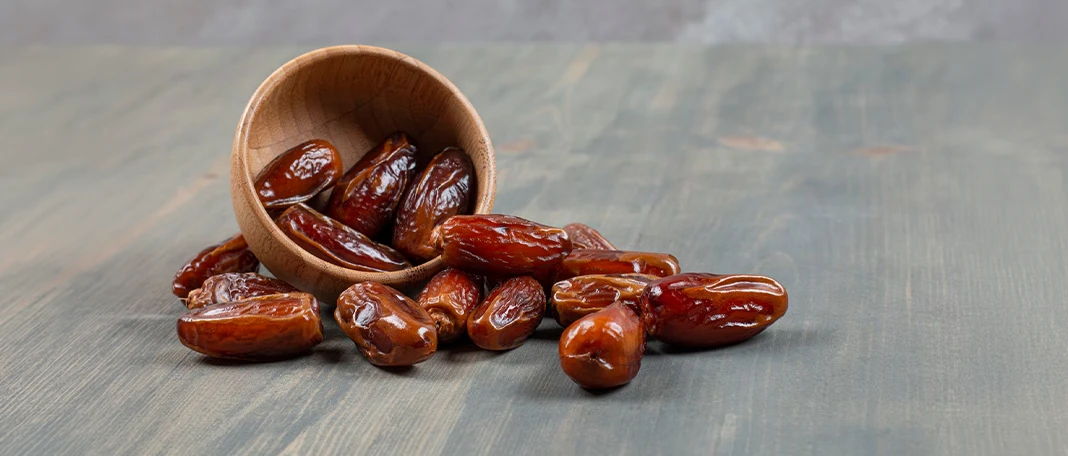
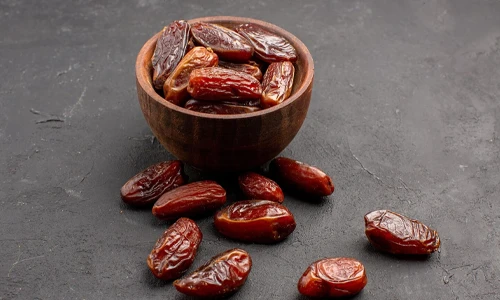
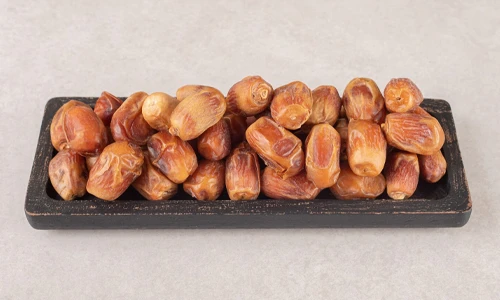
Dates are the fruit of the date palm tree, grown primarily across the Middle East, North Africa, and South Asia. Depending on variety, they are oval-cylindrical in shape and range in size from 3 to 7 cm. When ripe, they range in color from golden-yellow to amber to a deep, almost mahogany brown-black.
Dates are most commonly consumed in their dried form — which concentrates their sugars, calories, and nutrients. Fresh dates are also available and have a slightly lower calorie content. The flesh is soft to chewy, with a rich caramel-like sweetness and subtle notes of honey, toffee, or even vanilla depending on the variety.
Over 200 varieties of dates are cultivated worldwide. The most widely available and studied include Medjool, Deglet Noor, Ajwa, Sukkari, Safawi, and Barhi — each with its own nutritional profile, texture, and traditional use.
Dates Nutrition Facts: What's Inside?
Before exploring the health benefits of dates, it is important to understand what makes them nutritionally extraordinary. A 100g serving of dried Medjool dates contains:
| Nutrient | Amount per 100g | % Daily Value (approx.) | Primary Health Role |
| Calories | 277–282 kcal | ~14% | Energy dense — use in moderation |
| Carbohydrates | 75g | ~27% | Rapid and sustained energy |
| Natural Sugars | 63–66g | — | Glucose + fructose — low GI (~42) |
| Dietary Fibre | 6.7–7g | ~25% | Digestion, cholesterol, blood sugar |
| Protein | 1.8–2.5g | ~4% | Cell repair, enzyme function |
| Fat | 0.15–0.4g | <1% | Essentially fat-free |
| Potassium | 696mg | ~20–23% | Heart rhythm, blood pressure, strokes |
| Magnesium | 54mg | ~13–15% | Bone health, heart, muscle, nerve |
| Copper | 0.36mg | ~40% | Red blood cell production, iron absorption |
| Manganese | 0.30mg | ~14% | Antioxidant enzymes, bone health |
| Iron | 0.90mg | ~10–11% | Red blood cells, energy, anaemia prevention |
| Calcium | 64mg | ~6% | Bones, teeth, muscle contraction |
| Phosphorus | 62mg | ~9% | Bone mineralisation, energy metabolism |
| Vitamin B6 (Pyridoxine) | 0.249mg | ~17% | Brain health, metabolism, immunity |
| Folate (Vitamin B9) | 15mcg | ~4% | Cell division, pregnancy, red blood cells |
| Vitamin K | 2.7mcg | ~3% | Blood clotting, bone metabolism |
| Vitamin A | 149 IU | ~5% | Vision, skin, immune function |
| Selenium | trace | — | Cancer protection, immune function |
| Fluorine | trace | — | Tooth decay protection |
| Glycemic Index (GI) | ~42 | — | LOW — minimal blood sugar spike |
Notable: Dates contain 40% of the daily recommended value of copper per 100g — among the highest of any fruit. Their potassium content (696mg) is nearly twice that of a banana (358mg per 100g). And at a GI of approximately 42, they are classified as a low-glycemic food despite their sweetness.
Digestive Health
If there is one health benefit of dates that has the clearest, most direct scientific evidence, it is its impact on digestive health. Dates are one of the richest sources of dietary fibre available in a whole-food, natural form — and fibre is the foundation of healthy digestion.
How Much Fibre Do Dates Contain?

A single 100g serving of dried dates provides approximately 6.7–7 grams of dietary fibre — roughly 25% of the recommended daily intake in a single serving. To put that in context, Cleveland Clinic's registered dietitian Gillian Culbertson notes that this is the same amount of fibre as a cup of cooked whole wheat pasta or just under half a cup of lentils.
Both soluble and insoluble fibre are present. Insoluble fibre adds bulk to stool and speeds intestinal transit, preventing constipation. Soluble fibre (including pectin) forms a gel in the gut, slowing digestion and supporting healthy cholesterol and blood sugar levels.
What the Clinical Research Shows
The evidence for dates improving digestive health is not just theoretical:
- A study published in the British Journal of Nutrition found that individuals who ate 7 dates daily for three weeks saw significant improvements in stool frequency and bowel movement regularity compared to when they did not eat dates.
- An animal study conducted at the University of Tunis El Manar confirmed that date pulp extract and palm sap improve gastrointestinal transit activity — supporting smooth and regular bowel movements.
- Research published in Nutrients (2018) found that dates' fibre and plant compounds help improve digestion and slow sugar absorption, contributing to gut microbiome health.
Dates and the Gut Microbiome
Beyond their laxative effect, dates function as a prebiotic — feeding the beneficial bacteria in the gut. Dates contain amino acids, nicotine, and dietary fibre that promote the growth of healthy gut bacteria while inhibiting the growth of harmful strains. A healthy gut microbiome is now understood to influence everything from immunity to mental health to metabolic function. It also supports liver health by boosting digestive enzyme production and reducing oxidative stress in the hepatic cells — further supporting the body's overall detoxification system.
Digestive Health Key Facts
- 6.7–7g of dietary fibre per 100g — 25% of daily recommended intake
- Clinical RCT: 7 dates daily for 3 weeks significantly improved stool frequency (British Journal of Nutrition)
- Both soluble and insoluble fibre present — addressing constipation and cholesterol simultaneously
- Prebiotic properties support a healthy gut microbiome
- Supports liver enzyme production and detoxification
Heart Health
Cardiovascular disease accounts for approximately 17.9 million deaths per year globally — making it the world's number one cause of death. Diet is one of the most powerful levers available for reducing that risk. The health benefits of dates for heart health operate through multiple distinct mechanisms.
Potassium: The Heart Mineral in Dates
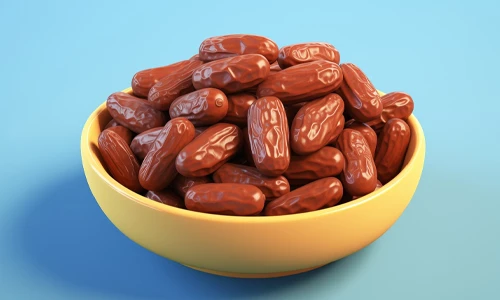
Dates contain 696mg of potassium per 100g — nearly twice the amount found in a banana, and approximately 20–23% of the adult daily recommended intake. Potassium is critical for cardiovascular health because it:
- Counteracts the blood-pressure-raising effects of sodium by promoting its excretion through the kidneys.
- Helps regulate heart rate and ensures the electrical signals that control heartbeats remain stable.
- Reduces the risk of stroke — research consistently links higher potassium intake with significantly lower stroke risk. NutritionFacts.org cites studies showing potassium-rich diets associated with meaningfully lower stroke incidence.
- Relaxes blood vessel walls, reducing peripheral resistance and lowering blood pressure.
WebMD notes that Medjool dates contain "twice that of bananas" in potassium, which "helps control heart rate, breathing, and muscle function."
Dates and Cholesterol
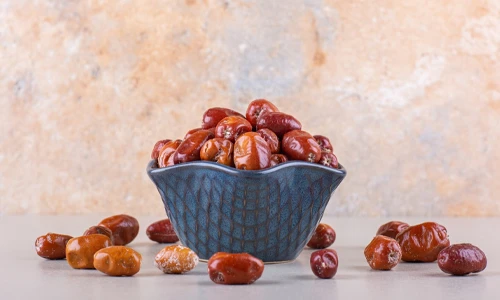
The soluble fibre in dates reduces LDL cholesterol absorption in the gut by binding to bile acids and removing them from the body. This mechanism is well-documented and is the same one exploited by cholesterol-lowering medications. The practical evidence for dates is also building:
- A 2024 meta-analysis and systematic review concluded that dates may lower total cholesterol and triglycerides and improve HDL (good) cholesterol levels.
- A 2025 study found dates reduced total cholesterol in subjects, though had no effect on LDL and HDL in that particular trial.
- A study published in the Journal of Agricultural and Food Chemistry found that participants who consumed 100g of dates daily for four weeks showed improvements in triglyceride levels and markers of oxidative stress without significant blood sugar spikes.
Antioxidants and Arterial Protection
Dates are rich in carotenoid and phenolic acid antioxidants — both of which have been studied for their protective effects on cardiovascular health. These compounds inhibit the oxidation of LDL cholesterol (the step that makes it dangerous and capable of forming arterial plaques), reduce systemic inflammation in vessel walls, and maintain endothelial function — the health of the inner lining of blood vessels.
Magnesium, present at 54mg per 100g (13–15% DV), also contributes by relaxing blood vessel walls and supporting healthy heart rhythm and blood pressure.
Heart Health Key Facts
- 696mg potassium per 100g — nearly 2× more than a banana; ~20–23% of daily recommended intake
- 2024 meta-analysis: dates lower total cholesterol and triglycerides, and improve HDL cholesterol
- Soluble fibre binds bile acids in the gut, reducing LDL cholesterol absorption
- Carotenoids and phenolic acids protect arterial walls from oxidative damage
- Magnesium supports healthy blood pressure and heart rhythm
- Potassium-rich diets strongly associated with reduced stroke risk (multiple studies)
Brain Health
The connection between diet and brain health is one of the most exciting frontiers in modern neuroscience. Among the many foods being studied for their neuroprotective potential, dates are emerging as a compelling candidate — particularly for older adults concerned about cognitive decline.
Antioxidants Against Neuroinflammation
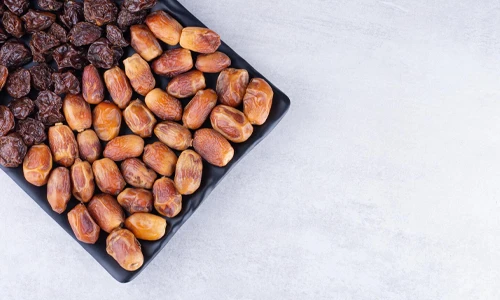
The brain is exceptionally vulnerable to oxidative stress and inflammation. It consumes a disproportionate amount of the body's oxygen — approximately 20% despite being only 2% of body weight — making it highly exposed to free radical damage. Chronic neuroinflammation is now understood to be a key driver of conditions including Alzheimer's disease, Parkinson's disease, and age-related cognitive decline.
Dates contain a concentrated array of polyphenolic antioxidants — flavonoids, carotenoids, and phenolic acids — that cross the blood-brain barrier and help neutralise free radicals in brain tissue. Animal studies using date extracts have shown meaningful reductions in inflammatory markers in brain tissue, including interleukin-6 (IL-6) and TNF-α.
Vitamin B6 and Brain Function

Dates provide 17% of the daily recommended intake of Vitamin B6 per 100g — one of the highest concentrations of any fruit. Vitamin B6 (pyridoxine) is critical for brain health because:
- It is required for the synthesis of key neurotransmitters including serotonin, dopamine, GABA, and norepinephrine — the chemical messengers that regulate mood, focus, memory, and sleep.
- It supports the metabolism of homocysteine — elevated homocysteine is a well-established risk factor for cognitive decline and dementia.
- It plays a central role in the production of myelin — the protective sheath around nerve fibres that enables fast, accurate nerve signal transmission.
WebMD notes that the antioxidants in dates "may help protect your nerves and brain health and keep inflammation down" and that dates can help maintain potassium levels to "support healthy nerve function."
Memory, Mood and Anti-Depressant Effects

Research published in Metabolic Brain Disease found antidepressant-like and pro-cognitive effects from date palm extract in animal models of depression. In a study using the Flinders Sensitive Line rat model (a recognised genetic animal model of depression), date palm fruit demonstrated reduced depressive behaviour and improved cognitive performance.
While human trials in this area are limited, the neurochemical mechanisms are well-supported: B6-dependent neurotransmitter synthesis, flavonoid-mediated reduction of neuroinflammation, and the mood-stabilising effects of stable blood glucose from the low-GI natural sugars in dates all contribute to a more resilient, better-functioning brain.
Brain Health Key Facts
- 17% of daily Vitamin B6 per 100g — critical for neurotransmitter synthesis (serotonin, dopamine, GABA)
- Animal studies show date extracts reduce neuroinflammatory markers IL-6 and TNF-α in brain tissue
- Antidepressant-like and pro-cognitive effects demonstrated in genetic animal depression model (Metabolic Brain Disease)
- Reduces homocysteine metabolism — elevated homocysteine is linked to dementia risk
- Flavonoids cross the blood-brain barrier to directly protect neurons from oxidative damage
Bone & Blood Health
Bone disease is silent until it becomes painful. Osteoporosis affects an estimated 500 million people worldwide, and iron-deficiency anaemia is the most common nutritional deficiency globally — affecting 1.62 billion people according to the World Health Organization. The health benefits of dates for both bone integrity and blood health are particularly meaningful given how widespread these conditions are.
Dates for Bone Health
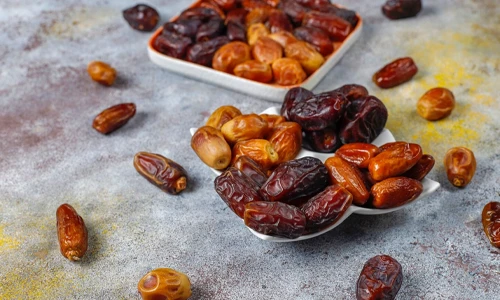
Dates contain a remarkably comprehensive mineral profile for bone health — several minerals work synergistically to build and maintain bone density:
| Mineral | Amount per 100g | % DV | Role in Bone Health |
| Calcium | 64mg | ~6% | Structural component of bone matrix; muscle contraction |
| Phosphorus | 62mg | ~9% | Bone mineralisation alongside calcium |
| Magnesium | 54mg | ~13–15% | Regulates calcium absorption; key in bone cell activity |
| Copper | 0.36mg | ~40% | Collagen synthesis; maintains bone and connective tissue structure |
| Manganese | 0.30mg | ~14% | Activates enzymes needed for bone formation |
| Selenium | trace | — | Antioxidant protection for bone cells |
| Fluorine | trace | — | Protects bone mineral density and tooth enamel |
Healthline confirms that dates contain "several minerals, including phosphorus, calcium, and magnesium. All of these have been studied for their potential to prevent bone-related conditions like osteoporosis." The synergistic effect of multiple bone minerals in one food is more valuable than isolated supplementation.
Dates for Anaemia and Blood Health
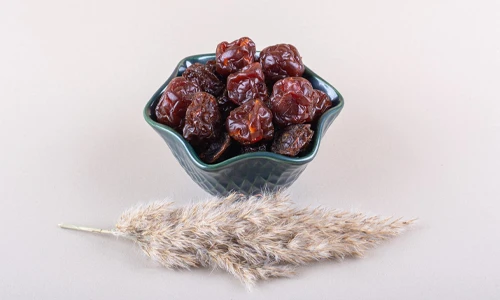
Iron-deficiency anemia causes chronic fatigue, weakness, impaired concentration, and reduced immunity. Dates provide approximately 0.90mg of iron per 100g — approximately 10–11% of the daily recommended value. While this alone would not treat severe anaemia, dates also provide copper (40% DV) which is required for iron absorption, and Vitamin C which enhances non-haem iron uptake. This makes dates a particularly intelligent dietary choice for iron intake compared to iron-only supplements.
Dates also contain Vitamin K (2.7mcg per 100g) — essential for blood clotting and also for the bone protein osteocalcin, which binds calcium into the bone matrix. Additionally, folate supports the production of new red blood cells, reducing the risk of megaloblastic anaemia.
Tooth Health
A lesser-known benefit: dates contain fluorine, which has been shown to protect against tooth decay by strengthening enamel and inhibiting the bacterial processes that cause cavities. Research cited in the scientific literature confirms that the fluorine content of date fruit provides protective dental benefits — which is noteworthy given that dates are sweet and might otherwise be assumed harmful to teeth.
Bone & Blood Health Key Facts
- Multiple bone minerals in one food: calcium, phosphorus, magnesium, copper, manganese, selenium, fluorine
- Copper content is exceptional — 40% of daily recommended value per 100g
- Iron (11% DV) + copper (40% DV) together optimise iron absorption for anaemia prevention
- Vitamin K supports bone protein osteocalcin and healthy blood clotting
- Fluorine content protects tooth enamel from decay — despite the sweetness of dates
Natural Energy & Metabolism
We live in an era of energy drinks, caffeine dependence, and sugar crashes. Dates offer something increasingly rare: a natural, nutrient-rich source of energy that fuels the body steadily without the spike-and-crash cycle of processed sweets or caffeinated beverages.
Natural Sugars with a Low Glycemic Index

Dates are approximately 63–70% natural sugars — primarily glucose and fructose. Despite this high sugar content, dates have a glycemic index (GI) of approximately 42, which classifies them as a LOW glycemic food. The reason is their fibre content: dietary fibre slows gastric emptying and the absorption of sugars into the bloodstream, blunting the blood glucose spike that would otherwise occur.
A landmark study published in the Journal of Agricultural and Food Chemistry (2009) found that participants who consumed 100 grams of dates daily for four weeks showed no significant changes in blood sugar levels, alongside improvements in triglycerides and oxidative stress markers. Research in the Annals of Saudi Medicine also confirmed the low glycemic impact of multiple date varieties despite their natural sugar content.
B Vitamins: The Metabolic Engine
Energy metabolism — the biochemical process of converting food into usable cellular energy — depends critically on B vitamins as cofactors. Dates are a meaningful source of:
- Vitamin B6 (17% DV): Supports protein and fat metabolism; essential for glucose metabolism.
- Folate / B9 (4% DV): Required for DNA synthesis and red blood cell production — both essential for sustained energy.
- Thiamine / B1 (trace): Supports carbohydrate conversion into energy; strengthens immune resilience under stress.
- Niacin / B3 (trace): Required for the cellular respiration reactions that produce ATP — the body's energy currency.
- Pantothenic acid / B5 (trace): Essential for coenzyme A synthesis — a core component of the energy production cycle.
Together, these B vitamins ensure that the carbohydrates in dates are efficiently converted into sustained cellular energy rather than stored as fat — making dates a genuinely superior energy food to processed snacks.
Dates for Athletes and Active People

Because of their rapid and sustained energy profile, dates are increasingly popular among athletes as a pre-workout or mid-exercise fuel source. The glucose in dates is rapidly absorbed for immediate energy, while the fructose and fibre provide a slower-release secondary wave — a natural version of what sports gels attempt to replicate chemically. Unlike sports gels, dates also deliver potassium, magnesium, and B vitamins that support electrolyte balance and muscle function during exercise.
Dates as a Natural Sugar Substitute
One of the most practical everyday applications of dates is as a natural substitute for refined sugar in cooking and baking. Date paste — made by blending pitted dates with water at a 1:1 ratio — can replace white sugar directly in most recipes. The result delivers the same sweetness with the added benefit of fibre, antioxidants, and minerals, and without the blood sugar spike of refined sucrose. Cleveland Clinic's registered dietitian states: "You'll miss none of the sweetness while gaining antioxidants and fibre."
Energy & Metabolism Key Facts
- Glycemic Index ~42 — classified as LOW despite 63–70% natural sugar content
- 4-week study: 100g dates daily caused NO significant blood sugar increase (Journal of Agricultural and Food Chemistry)
- Five B vitamins ensure efficient carbohydrate-to-energy conversion
- Glucose + fructose + fibre = rapid AND sustained energy — ideal pre-workout fuel
- Date paste replaces refined sugar 1:1 in recipes — with added fibre and antioxidants
Pregnancy & Women's Health
The health benefits of dates for pregnant women represent one of the most specific and well-researched areas of date science. Multiple clinical trials have investigated the effect of date consumption in the final weeks of pregnancy — and the results are impressive.
Dates and Labor: The Clinical Evidence

A series of randomised controlled trials has examined whether consuming dates in the final 4 weeks of pregnancy influences labor outcomes. The consistent findings across these studies are:
- Women who consumed 6–7 dates per day in the final month of pregnancy had significantly higher cervical dilation on admission to hospital.
- They were significantly more likely to go into spontaneous labor without the need for medical induction.
- Active labor was notably shorter in the date-consuming group compared to the control group.
- The intact membranes (amniotic sac) were significantly more likely to be preserved at the onset of labor.
The mechanisms are thought to relate to several components: oxytocin-like effects that improve uterine sensitivity to oxytocin (the hormone that drives contractions); tannins, which facilitate contractions; and the natural sugars and calories that sustain energy levels throughout labor.
Important note: These benefits apply to dates consumed in the FINAL weeks of pregnancy (weeks 36 onwards), not throughout. If experiencing preterm contractions, dates should be avoided. Always consult a doctor or midwife.
Folate for Foetal Development
Folate (Vitamin B9) is among the most critical nutrients during pregnancy — particularly in the first trimester. It is essential for proper neural tube development in the foetus, and deficiency is directly linked to serious birth defects including spina bifida. While dates are not a primary source of folate, they contribute meaningful amounts alongside other folate-rich foods and are a safe, natural addition to a pregnancy diet.
Iron for Maternal Health
Iron requirements during pregnancy nearly double due to the demands of increasing blood volume and fetal development. Anaemia is one of the most common complications of pregnancy globally. Dates' iron content (0.90mg/100g, ~11% DV), combined with their copper content that enhances iron absorption, makes them a valuable dietary ally for expectant mothers trying to meet increased iron requirements through whole foods.
Pregnancy Health Key Facts
- Multiple RCTs: dates in final 4 weeks of pregnancy significantly reduced need for labor induction
- Date consumers had higher cervical dilation and shorter active labor duration
- Tannins and oxytocin-like compounds support natural uterine contractions
- Folate supports foetal neural tube development — critical in first trimester
- Iron (11% DV) + copper (40% DV) together support maternal blood health and anaemia prevention
Caution: avoid if experiencing preterm contractions; always consult healthcare provider
Blood Sugar & Diabetes Management
Many people assume that because dates are sweet, they must be off-limits for anyone managing blood sugar. Science tells a more nuanced and encouraging story.
Low Glycemic Index Despite High Sugar Content

With a glycemic index of approximately 42 — well below the threshold of 55 that classifies a food as 'low GI' — dates cause a significantly more moderate rise in blood glucose than most processed sweets, white bread (GI ~75), or even ripe bananas (GI ~62). This is due to the fibre content slowing sugar absorption, and the high fructose content (fructose has a much lower GI than glucose).
Clinical Studies in Diabetic Patients
A systematic review and meta-analysis published in 2024 investigated the effects of date fruit on dyslipidaemia (abnormal cholesterol/lipid levels) among patients with Type 2 diabetes. It concluded that date fruit consumption is associated with good glycaemic control among patients with diabetes, and that 2–3 servings per day are beneficial for healthy people as well as those with diabetes.
An earlier study confirmed that dates do not significantly affect acute glycaemia in patients with type 2 diabetes — a finding consistent across multiple varieties tested.
The phytoestrogen content of dates has also been studied for its potential to improve HbA1C and fasting blood glucose in diabetic patients compared to equivalent portions of other low-phytoestrogen dried fruits.
Bottom line for people with diabetes: Most research suggests that 1–3 dates per day is safe for people with well-managed type 2 diabetes. However, individual responses vary, and anyone on insulin or blood sugar-lowering medication should monitor their glucose after eating dates and consult their healthcare provider.
Types of Dates: Which Variety Is Best for You?
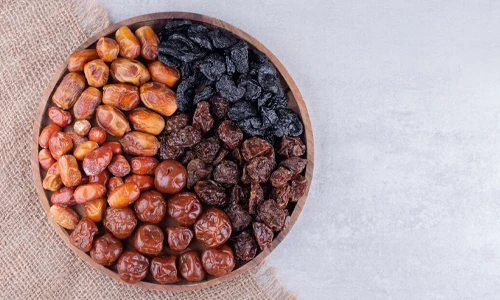
With over 200 cultivated varieties of dates in the world, choosing the right type depends on your taste preferences, health goals, and availability. Here is a comparison of the most widely available varieties:
| Variety | Origin | Texture & Taste | Nutritional Highlights | Best For |
| Medjool | Morocco / USA | Large, soft, caramel-like; very sweet | Highest potassium (696mg), Vitamin B6; lowest seed-to-flesh ratio | Snacking, smoothies, natural sweetener — considered the 'King of Dates' |
| Deglet Noor | Algeria / Tunisia | Firm, semi-dry; delicately sweet with nutty undertone | High fibre; good source of Vitamin A and B vitamins | Baking, cooking, trail mixes; great for blood sugar management |
| Ajwa | Saudi Arabia (Madinah) | Small, dark, soft; mildly sweet with earthy notes | Highest antioxidant activity; highest iron content; most studied medicinally | Antioxidant health, cardiovascular support, traditional/religious use |
| Sukkari | Saudi Arabia | Golden, very sweet, slightly crisp when fresh | High in natural sugars; good source of B2 (riboflavin) for energy | Instant energy; fresh eating |
| Barhi | Iraq / USA (California) | Small, creamy; butterscotch flavour; eaten fresh | High in natural sugars; consumed at fresh (khalal) stage | Fresh eating; unique dessert experience |
| Safawi | Saudi Arabia | Dark, moist, rich flavour; balanced sweetness | Similar profile to Ajwa; good antimicrobial properties | Heart health, immune support |
| Mabroom | Saudi Arabia | Chewy, fibrous; less sweet | High fibre content; good for those reducing sugar intake | Digestive health; weight-conscious eating |
The healthiest dates? Ajwa dates are most consistently cited in the medical literature for their antioxidant and cardiovascular benefits. Medjool are the most nutritionally well-rounded and widely available. The 'best' variety ultimately depends on your specific health priority — all provide significant nutritional value.
How Many Dates Should You Eat Per Day?

This is one of the most commonly asked questions — and the answer depends on your health status, calorie needs, and goals.
| Person / Goal | Recommended Daily Intake | Key Consideration |
| Healthy adult (general health) | 2–4 dates (approximately 50–100g) | Safe daily amount; covers ~25% DV fibre and significant mineral intake |
| Weight management | 2–3 dates maximum | High in calories (277kcal/100g); use as dessert replacement, not extra snack |
| Athletes / active people | 3–6 dates pre/post workout | Excellent natural energy source; pair with protein for recovery |
| Pregnancy (weeks 36+) | 6–7 dates per day | Based on RCT evidence for labor support; consult midwife first |
| Type 2 diabetes | 1–3 dates maximum | Monitor blood glucose; choose Deglet Noor or Mabroom (lower sugar) |
| Anaemia / iron deficiency | 3–5 dates daily | Iron + copper combination; pair with Vitamin C foods for best absorption |
| Constipation / gut health | 4–7 dates daily (with water) | Increase gradually to avoid initial bloating as fibre intake increases |
| Children (school-age) | 1–2 dates as a snack | Excellent alternative to processed sweets; high energy for active kids |
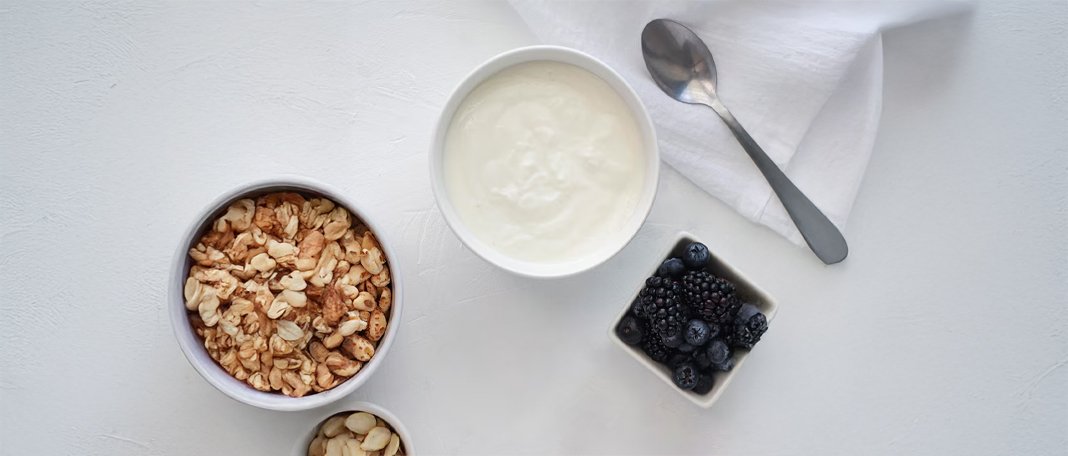
General recommendation: Most nutrition experts and doctors suggest 2–4 dates per day for healthy adults as an ideal balance of health benefits without excessive calorie or sugar intake. Pair them with nuts, yoghurt, or seeds to moderate sugar absorption and increase satiety.
When Is the Best Time to Eat Dates?
| Time of Day | Why It Works | Best Pairing |
| Morning (on an empty stomach) | Fibre promotes satiety, reducing overeating at breakfast; B vitamins kickstart metabolism | With warm water or black coffee; or with oats/yoghurt |
| Pre-workout (30–60 min before) | Fast-acting glucose + slow-release fructose provides layered energy during exercise | With a handful of almonds or peanut butter for protein |
| Post-workout | Replenishes glycogen stores; potassium and magnesium support muscle recovery | With a protein shake or Greek yoghurt |
| Mid-afternoon (3–4pm) | Natural sweetness satisfies cravings; low GI prevents energy crash | With walnuts or pistachios — adds healthy fat and protein |
| Breaking a fast (Ramadan / Intermittent Fasting) | Traditional use; quick energy and electrolyte restoration after fasting period | With water; followed by a balanced meal |
| Before bed | Not ideal — high sugar near bedtime may affect sleep quality for some | If needed: pair with protein/fat to slow absorption |
How to Eat and Cook with Dates
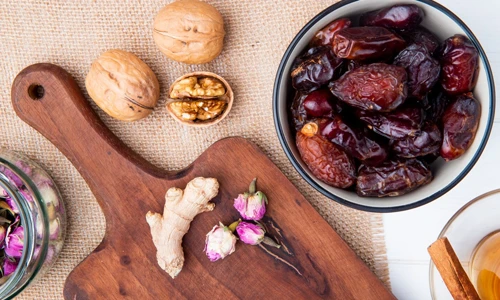
- Plain as a snack: Bite in, remove the pit, and enjoy. Medjool dates need nothing added.
- Stuffed: Remove the pit and fill with almond butter, walnut pieces, cream cheese, or dark chocolate for a naturally sweet treat.
- In smoothies: Blend 2–3 pitted dates into any smoothie for natural sweetness without added sugar.
- As a natural sweetener: Blend pitted dates with water to make date paste and replace refined sugar 1:1 in any recipe.
- In energy balls: Blend dates with oats, nut butter, and seeds. Roll into balls and refrigerate. A zero-bake, nutrient-dense snack.
- In salads: Chopped dates add sweetness to grain bowls, spinach salads, or Moroccan-inspired dishes with chickpeas, orange, and cumin.
- In savoury cooking: Dates pair beautifully with lamb, chicken tagine, or roasted root vegetables — a classic Middle Eastern flavour combination.
- In baking: Chopped or pureed dates work brilliantly in banana bread, muffins, and flapjacks as a partial or complete sugar substitute.
- Date syrup: Boil dates in water, strain, and reduce the liquid to a syrup — a traditional Middle Eastern condiment used on flatbreads and porridge.
Side Effects and Who Should Be Careful

Dates are safe for most people when consumed in reasonable quantities. However, some individuals should exercise caution:
- High calorie content: At 277–282kcal per 100g, eating dates excessively can contribute to calorie surplus and weight gain. Moderation is key — particularly for those on calorie-controlled diets.
- High natural sugar: While the GI is low, the total sugar load is high. People with poorly controlled diabetes or insulin resistance should start with 1–2 dates and monitor blood glucose response.
- Digestive sensitivity: Dates are high in fibre and contain compounds called FODMAPs (fermentable carbohydrates). People with IBS, diarrhoea, or acid reflux may experience bloating or digestive discomfort, particularly if consuming large quantities. Introduce gradually.
- Kidney disease: The high potassium content in dates may be problematic for people with advanced kidney disease or those on potassium-restricted diets. Consult a nephrologist or dietitian.
- Preterm labor: Some evidence suggests dates can stimulate uterine contractions. Pregnant women with any risk of preterm labor should avoid dates in quantity.
- Sulphite allergy: Some commercially packaged dates are treated with sulphites as preservatives. People with sulphite sensitivity should choose organic, sulphite-free varieties.
- Drug interactions: The Vitamin K content may interact with anticoagulant medications such as warfarin. Consult your doctor if you are on blood thinners.
- Dental health: Despite the fluorine content that partially protects teeth, dates are sticky and high in sugar. Brushing or rinsing after eating dates is recommended to prevent cavities.
Dates vs Other Natural Sweeteners: A Comparison
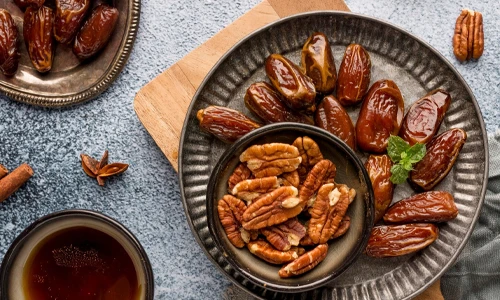
How do dates stack up against other commonly used natural sweeteners?
| Sweetener | Calories per 100g | GI | Fibre | Key Minerals | Verdict |
| Dates (Medjool) | 277 kcal | ~42 | 6.7–7g | Potassium, copper, magnesium, iron | Best overall: nutrition + sweetness + low GI |
| Raw honey | 304 kcal | ~58 | 0g | Trace amounts | Good antimicrobial; no fibre; higher GI |
| Maple syrup | 260 kcal | ~54 | 0g | Manganese, zinc | Moderate GI; no fibre; minimal minerals |
| Coconut sugar | 375 kcal | ~54 | 0g | Trace potassium, iron | Similar to white sugar nutritionally; overrated |
| White sugar | 387 kcal | ~65 | 0g | None | Empty calories; high GI; no nutritional value |
| Agave syrup | 310 kcal | ~15 | 0g | None | Very low GI but very high fructose — liver burden |
| Raisins | 299 kcal | ~64 | 3.7g | Iron, potassium | Less fibre; higher GI than dates |
| Figs (dried) | 249 kcal | ~61 | 9.8g | Calcium, potassium | Highest fibre; higher GI than dates |
Verdict: Dates are the most nutritionally comprehensive natural sweetener available — offering low GI, high fibre, significant minerals, and antioxidants that no other common sweetener can match as a complete package.
Frequently Asked Questions
Q1: What are the main health benefits of dates?
The primary scientifically-supported health benefits of dates include improved digestive health, cardiovascular protection (lower cholesterol and blood pressure), enhanced brain function, stronger bones, natural energy without blood sugar spikes, support for pregnancy and labor outcomes, and blood sugar regulation. These benefits stem from dates' exceptional mineral density, fibre content, B vitamins, and polyphenolic antioxidants.
Q2: Are dates good for diabetics?
Yes, in moderation. Dates have a low glycemic index of approximately 42, meaning they cause a more gradual rise in blood sugar than most sweet foods. Multiple studies confirm that consuming 2–3 dates per day does not significantly spike blood glucose in healthy adults or those with well-managed type 2 diabetes. However, individual responses vary — people on diabetes medication or insulin should monitor blood glucose after eating dates and consult their healthcare provider.
Q3: How many dates should I eat per day?
For a healthy adult, 2–4 dates per day (approximately 50–100g) is the most widely recommended range. This provides meaningful nutritional benefits — including roughly 25% of your daily fibre requirement — without adding excessive calories or sugar. Athletes may consume more around training. Pregnant women (from week 36) may consume 6–7 dates per day based on clinical trial dosages.
Q4: Are dates fattening?
Dates are calorie-dense at approximately 277–282kcal per 100g, so they can contribute to weight gain if consumed excessively or in addition to — rather than instead of — other high-calorie foods. However, their high fibre content promotes satiety, their low GI prevents insulin-driven fat storage, and they are an excellent replacement for processed sweets and desserts. Used as a replacement rather than an addition, dates can fit well into a weight-management diet.
Q5: What is the difference between Medjool and Deglet Noor dates?
Medjool dates are large, soft, and intensely sweet with a caramel-like flavour — often eaten as a fresh snack or natural sweetener. They are higher in calories but also highest in potassium and Vitamin B6. Deglet Noor dates are smaller, firmer, slightly less sweet, with a nutty flavour — better suited for cooking and baking. They have a slightly lower sugar content and higher fibre ratio, making them a better choice for blood sugar management.
Q6: Can dates help with constipation?
Yes — this is one of the best-evidenced benefits. A clinical study published in the British Journal of Nutrition found that people who ate 7 dates daily for three weeks had significantly improved stool frequency and bowel movement regularity. The insoluble fibre in dates adds bulk to stool, while the soluble fibre and prebiotic compounds support healthy gut bacteria. Drinking adequate water alongside dates is important to maximise this effect.
Q7: Are dates safe during pregnancy?
Yes, dates are safe and beneficial during pregnancy when consumed in normal dietary amounts. Multiple randomised controlled trials demonstrate that consuming 6–7 dates per day from week 36 of pregnancy significantly reduces the need for medical labor induction and produces more favourable delivery outcomes. Dates also provide folate, iron, and copper — all essential for maternal and foetal health. Women with preterm labor risk should consult their doctor before increasing date intake.
Q8: What is the best time to eat dates?
Morning on an empty stomach is popular for digestive and metabolic benefits. Pre-workout (30–60 minutes before exercise) is ideal for natural energy. Mid-afternoon works well as a sweet snack replacement. During fasting periods (Ramadan or intermittent fasting), dates are the traditional food for breaking the fast due to their rapid energy restoration. Eating dates immediately before bed is less ideal due to their high sugar content.
Should You Add Dates to Your Diet?

The health benefits of dates are not a modern discovery — they are a modern confirmation of what six millennia of human wisdom already knew. From the fibre that keeps your gut moving and your cholesterol in check, to the potassium that protects your heart, the Vitamin B6 that feeds your brain, the minerals that build your bones, and the low-GI natural sugars that fuel your day — dates deliver a remarkable breadth of evidence-based health value in a small, sweet, portable package.
Perhaps most importantly, dates are one of those rare superfoods that do not demand sacrifice.
- They are not bitter, hard to find, or expensive.
- Tastes like caramel and honey.
- Replace refined sugar.
- They fuel your workout and sweeten your breakfast.
- They give something to your body every time you eat them.
Two to four dates a day. That is all it takes to meaningfully upgrade your nutrition. Your digestion, your heart, your brain, your bones — they will all notice the difference.
The Tree of Life has been feeding humanity for 6,000 years. It is still one of the best things you can eat.