
Vitamin D deficiency is a condition where the body does not have sufficient levels of vitamin. People can get Vitamin D through food and by exposure to sunlight. Sometimes the symptoms might be subtle and difficult to identify and without doctor checkups, it is hard to rectify and treat the deficiency. Vitamin D deficiency can take a hit on people with dark skin and people above the age of 65. This can cause a serious health problem as it is harmful to bones and muscles.
What Causes Vitamin D Deficiency
Vitamin D deficiency can lead to rickets in children, and osteoporosis, fractures, and osteopenia in adults. It's also associated with an increased risk of certain cancers, autoimmune diseases, hypertension, and infectious diseases. Here are some of the factors that can cause this deficiency:
- Not being exposed to enough sunlight, especially in the winter seasons, can cause this deficiency.
- People with darker skin tones need more time in the sun to produce Vitamin D.
- Not having a proper diet with enough vitamin D can also cause the deficiency.
- Some of the medicines you take can at, times make it harder for your body to absorb Vitamin D.
- If there are any health conditions like kidney or liver disease, cystic fibrosis, Crohn’s disease, or celiac disease, it becomes hard for the body to absorb vitamin D.
- As people start to age, the ability of their skin to produce vitamin D decreases.
- Obesity and family history can also be a cause as the fat cells prevent the body from using vitamin D. A family history of the deficiency or childhood rickets could also be a cause.
Symptoms Of Vitamin D Deficiency

When your Vitamin D levels are low, it becomes hard for the body to absorb calcium and phosphorus. This increases the risk of bone fractures, muscle pain, and falls in older people as their bones weaken. Here are some symptoms of Vitamin D deficiency
- Feeling fatigued
- Having a poor sleep cycle
- Vitamin D deficiency can cause bone pain or achiness
- It also leads to depression or feelings of sadness
- Hair loss
- Having a sense of muscle weakness
- Would have a loss of appetite
- Getting sick more frequently would also be a symptom
- Causing one to have pale skin
Ways to Treat Vitamin D Deficiency
1. Make a doctor's appointment

When you start to see the above-mentioned symptoms in your body then its time for you to pay a visit to the doctor.
2. Take Supplements

When you have Vitamin D deficiency, intake of supplements can increase the vitamin count in your body. Consumption of
- Vitamin D2 (ergocalciferol) is a plant-derived supplement that requires a prescription.
- Vitamin D3 (cholecalciferol) is an animal-derived supplement that helps you maintain bone strength.
- Calcidiol is a form of vitamin D3 that may be prescribed for people with malabsorption conditions.
- Calcitriol is a medication that may be prescribed if vitamin D2 and D3 don't work.
- Try taking a multivitamin that contains vitamin D.
3. Get Exposed to Sunlight

Make sure your body receives the proper amount of, sunlight as moderate exposure on the face, arms, and legs can help your body produce vitamin D. During the spring and summer seasons, 8 to 10 minutes of sun exposure at noon time can produce the needed amount of Vitamin D.
4. Eating Healthy
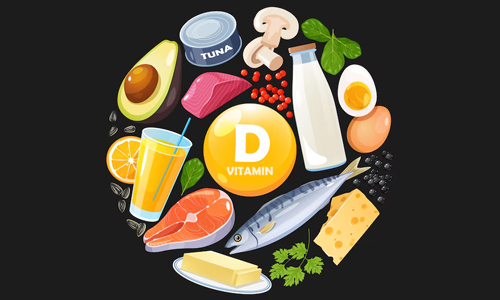
Healthy food can also contribute to the increase of vitamin D in your body. You can consume foods like egg yolks, red meat, liver, and fruits like bananas and figs. Ensure your breakfast intake is also loaded with vitamin D with foods like cereals, plant milks, and fat spreads. Taking oily fish like salmon, sardines, herring, and mackerel also contributes to increasing the vitamin D in your body.
Time Taken to Recover from Vitamin D Deficiency
Vitamin D deficiency is a treatable condition. If diagnosed and treated well with recommendations, you can cure this in weeks or months. When you are consistent with medication, or you take the needed steps to treat it, it becomes easy to eliminate the symptoms or long-term problems. When the severity of the deficiency increases, it takes more time to recover as it slows down the process. And having underlying health conditions can also lead to delayed results. So, understanding the level of your vitamin D and treating it well is very important for recovery.
It occurs when you do not care enough for your health. But it is better to cure it before it comes. Ensure you start eating healthy, take supplements and medications, and get enough sunlight to prevent this. Vitamin D deficiency is curable when you take the necessary actions.