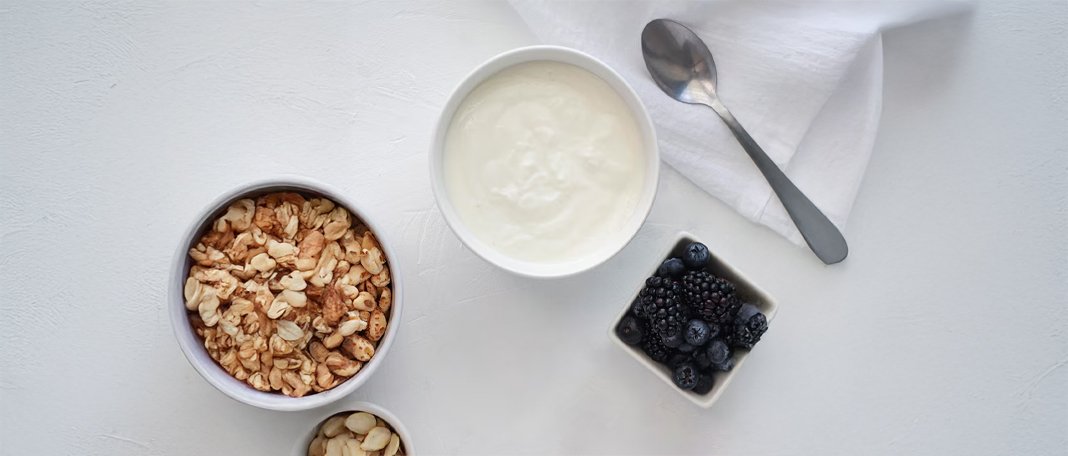

Long before pharmacies lined street corners and prescription pads became routine, healing started in the kitchen. Cultures across the world relied on herbs, roots, grains, and fermented foods not just for survival, but for treatment. Today, modern science is quietly circling back to that wisdom. Clinical research now confirms what traditional medicine systems have long believed: food is medicine when chosen intentionally.
In the U.S., where chronic diseases like heart disease, type 2 diabetes, autoimmune conditions, and digestive disorders dominate healthcare conversations, diet-related inflammation sits at the center of the problem. The encouraging news is that the same plate contributing to disease can also become a powerful tool for prevention and healing.
This article explores how food functions as medicine, the science behind it, and a comprehensive, evidence-backed list of foods and the conditions they help support. Think of this as a practical guide, not a restrictive rulebook.
What Does “Food Is Medicine” Really Mean?
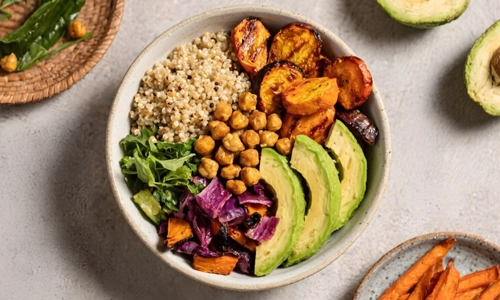
The idea that food is medicine does not suggest replacing prescribed drugs overnight or ignoring medical advice. Instead, it recognizes food as a foundational therapy that influences nearly every biological system.
From a scientific perspective, food impacts:
- Inflammation pathways
- Gut microbiome diversity
- Hormone regulation
- Blood sugar control
- Immune system signaling
- Brain chemistry and neurotransmitters
From traditional systems like Ayurveda and Traditional Chinese Medicine (TCM), foods are classified by energetic properties, digestion strength, and balance within the body. Modern nutrition bridges both views, focusing on bioactive compounds like polyphenols, flavonoids, omega-3 fatty acids, fiber, and antioxidants.
How Food Acts Like Medicine Inside the Body

1. Reducing Chronic Inflammation
Low-grade chronic inflammation is linked to heart disease, diabetes, cancer, arthritis, depression, and Alzheimer’s disease. Anti-inflammatory foods help calm this internal stress response.
2. Supporting the Gut-Brain-Immune Axis
Nearly 70 percent of the immune system resides in the gut. What you eat shapes gut bacteria, which then influence immunity, mood, and metabolic health.
3. Regulating Blood Sugar and Insulin
Certain foods slow glucose absorption, improve insulin sensitivity, and prevent spikes that contribute to diabetes and fatigue.
4. Providing Therapeutic Compounds
Foods contain natural compounds that act similarly to medications, though more gently. Examples include:
- Curcumin (anti-inflammatory)
- Allicin (antimicrobial)
- Anthocyanins (vascular protection)
- Sulforaphane (detoxification support)
Food as Medicine: A Comprehensive List of Foods and What They Help Treat
Anti-Inflammatory and Immune-Supporting Foods
| Food | Key Compounds | Supports | How It Helps |
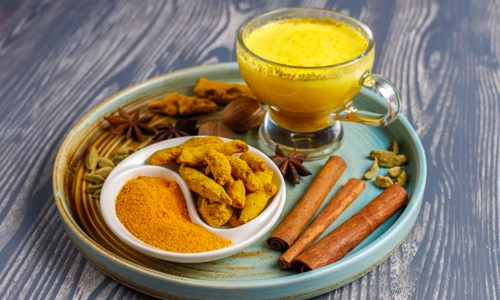
| Turmeric | Curcumin | Arthritis, inflammation | Blocks inflammatory pathways |
| Ginger | Gingerols | Nausea, digestion | Improves gut motility |
| Garlic | Allicin | Immunity, infections | Antibacterial and antiviral |
| Blueberries | Anthocyanins | Brain, heart health | Reduces oxidative stress |
| Green Tea | EGCG | Cancer prevention, metabolism | Cellular protection |
Foods That Support Heart Health
| Food | Primary Benefit | Conditions Supported |
| Oats | Soluble fiber | High cholesterol |
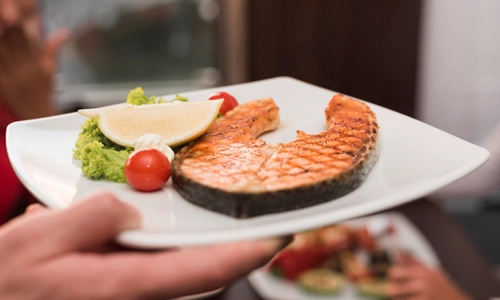
| Fatty fish (salmon, sardines) | Omega-3 fats | Heart disease, inflammation |
| Olive oil (extra virgin) | Polyphenols | Hypertension |
| Nuts (walnuts, almonds) | Healthy fats | Cardiovascular protection |
| Avocados | Potassium | Blood pressure balance |
Foods That Help Balance Blood Sugar

| Food | Why It Works | Helps With |
| Beans and lentils | Slow-digesting carbs | Type 2 diabetes |
| Cinnamon | Improves insulin sensitivity | Blood sugar control |
| Leafy greens | Magnesium-rich | Insulin regulation |
| Apple cider vinegar | Slows glucose absorption | Post-meal sugar spikes |
Foods That Support Gut Health and Digestion

| Food | Function | Conditions Supported |
| Yogurt (plain) | Probiotics | IBS, gut imbalance |
| Kefir | Diverse bacteria | Digestive health |
| Sauerkraut | Fermented fiber | Gut inflammation |
| Bone broth | Collagen | Leaky gut support |
| Oats | Prebiotic fiber | Microbiome diversity |
Brain and Mental Health Supporting Foods

| Food | Key Nutrients | Supports |
| Fatty fish | DHA | Memory, cognition |
| Dark chocolate | Flavonoids | Mood, focus |
| Eggs | Choline | Brain development |
| Leafy greens | Folate | Depression prevention |
| Berries | Antioxidants | Cognitive aging |
Foods Used Traditionally for Healing
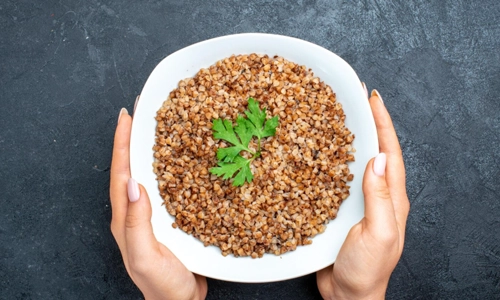
| Food | Traditional Use | Modern Evidence |
| Honey | Wound healing | Antimicrobial action |
| Turmeric | Joint pain | Anti-inflammatory trials |
| Fenugreek | Blood sugar | Glycemic control |
| Ashwagandha | Stress | Cortisol reduction |
Food Synergy: Why Combinations Matter
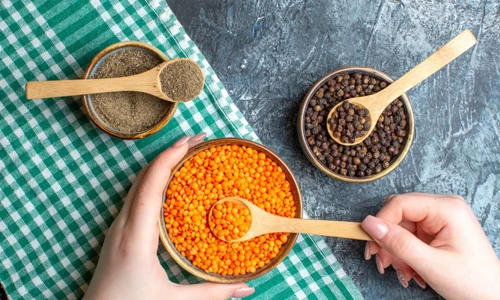
Some nutrients work better together. Pairing foods correctly increases absorption and effectiveness.
| Combination | Benefit |
| Turmeric + black pepper | Boosts curcumin absorption |
| Iron-rich foods + vitamin C | Improves iron uptake |
| Healthy fats + vegetables | Enhances vitamin absorption |
Food Is Medicine Across Life Stages
Food affects the body differently depending on age, hormonal status, and metabolic demands. Viewing food as medicine becomes even more powerful when nutrition is aligned with each life stage.
Children: Building the Foundation for Lifelong Health

In childhood, food functions less as treatment and more as biological programming. Early dietary patterns influence immune development, brain growth, metabolic flexibility, and even future disease risk.
Key areas where food acts as medicine for children:
- Immune system development: Children who consume fiber-rich foods, fruits, vegetables, and fermented foods develop a more diverse gut microbiome, which lowers the risk of allergies, asthma, and recurrent infections.
- Brain and cognitive development: Omega-3 fatty acids, iron, zinc, iodine, and choline are critical for attention, learning, and memory formation.
- Metabolic health: Excess sugar and ultra-processed foods in childhood are strongly associated with insulin resistance and obesity later in life.
| Nutrient-Rich Foods | Why They Matter | Health Outcomes |
| Eggs | Choline for brain growth | Learning, memory |
| Fatty fish | DHA | Cognitive development |
| Yogurt & kefir | Probiotics | Immunity, digestion |
| Fruits & vegetables | Antioxidants | Disease prevention |
| Whole grains | Fiber | Gut health |
Using food as medicine in childhood does not mean restriction. It means repeated exposure to real foods, balanced meals, and minimizing ultra-processed snacks that displace nutrients.
Women: Hormones, Fertility, and Menopause

Women experience unique nutritional needs due to hormonal fluctuations across the menstrual cycle, pregnancy, perimenopause, and menopause. Food plays a direct role in hormone production, detoxification, and balance.
Hormonal Balance
Hormones such as estrogen, progesterone, and cortisol are influenced by liver function, gut health, and blood sugar stability. Diets high in fiber support estrogen metabolism, while excessive sugar disrupts insulin and cortisol regulation.
Menopause Support
During menopause, declining estrogen affects bone density, cardiovascular health, and fat distribution. Nutrient-dense diets help ease symptoms and reduce long-term disease risk.
| Foods That Act as Medicine for Women | Primary Benefit |
| Leafy greens | Estrogen detox, bone health |
| Flaxseeds | Lignans for hormone balance |
| Fatty fish | Inflammation, heart health |
| Fermented foods | Gut-hormone connection |
| Calcium-rich foods | Bone protection |
Traditional medicine systems often emphasized warming, grounding foods for women, a concept now supported by research linking blood sugar stability to hormonal health.
Men: Metabolism, Muscle, and Cardiovascular Health

Men tend to develop cardiovascular disease earlier than women and are more prone to muscle loss with aging if protein intake is inadequate. Food as medicine for men focuses on metabolic health, inflammation control, and heart protection.
Key nutritional priorities include:
- Adequate protein for muscle maintenance
- Omega-3 fatty acids for heart health
- Zinc and magnesium for testosterone balance
- Fiber for cholesterol regulation
| Foods That Support Men’s Health | Key Role |
| Lean proteins | Muscle preservation |
| Nuts & seeds | Heart health |
| Tomatoes | Prostate support |
| Whole grains | Metabolic health |
| Olive oil | Anti-inflammatory |
Using food as medicine for men reduces reliance on medications later in life and supports long-term vitality.
Older Adults: Preserving Strength, Cognition, and Independence

Aging changes digestion, appetite, and nutrient absorption. Older adults are at higher risk of malnutrition despite adequate calorie intake. Here, food becomes medicine by preserving function rather than treating disease.
Important focus areas:
- Protein intake to prevent muscle loss
- B vitamins for cognitive health
- Calcium and vitamin D for bone strength
- Antioxidants to reduce oxidative stress
| Foods for Healthy Aging | Supports |
| Fish & eggs | Muscle and brain |
| Berries | Cognitive protection |
| Leafy greens | Bone health |
| Beans | Fiber and protein |
| Olive oil | Longevity |
Consistent, nutrient-dense meals help older adults maintain independence and quality of life.
American Diet Reality Check
Understanding why food is medicine requires an honest look at the modern American diet and how it contributes to disease.
Ultra-Processed Foods: The Core Problem

Ultra-processed foods dominate grocery shelves and restaurant menus in the U.S. These foods are engineered for convenience and hyper-palatability, not health.
Common characteristics include:
- Refined carbohydrates
- Industrial seed oils
- Artificial flavors and preservatives
- Minimal fiber and micronutrients
Research consistently links ultra-processed food intake to obesity, heart disease, type 2 diabetes, depression, and early mortality. These foods disrupt appetite regulation, increase inflammation, and negatively alter the gut microbiome.
Sugar Consumption in the United States

The average American consumes far more added sugar than recommended. Excess sugar contributes to insulin resistance, fatty liver disease, and chronic inflammation.
| Sugar Impact | Health Effect |
| Blood sugar spikes | Energy crashes |
| Insulin overload | Diabetes risk |
| Liver fat accumulation | Metabolic disease |
| Inflammation | Chronic illness |
Reducing added sugar is one of the most effective food-as-medicine strategies available.
The Fiber Gap in the U.S.
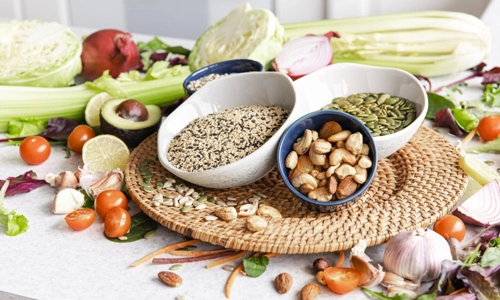
Most Americans consume less than half of the recommended daily fiber intake. Fiber feeds beneficial gut bacteria, regulates blood sugar, and lowers cholesterol.
Low fiber intake is associated with:
- Constipation and gut disorders
- Poor blood sugar control
- Increased inflammation
- Higher cardiovascular risk
Whole plant foods act as medicine by restoring this critical dietary component.
Why Chronic Disease Is Rising
Chronic disease rates continue to rise despite medical advancements. Diet plays a central role.
Key contributors include:
- Ultra-processed food dominance
- Excess sugar and refined carbs
- Low fiber and micronutrient intake
- Sedentary lifestyles
- Chronic stress
Food is medicine because it addresses these root causes rather than managing symptoms alone.
Whole Foods vs Supplements: What Works Better?
While supplements can be helpful in deficiencies, whole foods offer:
- Better bioavailability
- Fiber and co-nutrients
- Lower risk of overdosing
- Long-term safety
Food is medicine when it is eaten consistently, in whole form, and within a balanced dietary pattern.
Practical Ways to Use Food as Medicine Daily
- Swap sugary cereal for oatmeal with berries
- Add fermented foods to one meal daily
- Cook with olive oil instead of refined oils
- Include leafy greens at least once a day
- Use herbs and spices intentionally
FAQs
Can food really replace medicine?
Food supports prevention and management but should complement, not replace, prescribed treatment unless advised by a healthcare provider.
Is food as medicine scientifically proven?
Yes. Thousands of clinical studies link dietary patterns to disease prevention and improved outcomes.
Which diet best represents food as medicine?
Mediterranean, DASH, and traditional whole-food diets consistently show therapeutic benefits.
Does organic food work better medicinally?
Organic foods may reduce pesticide exposure but nutrient content varies. Quality and variety matter more.
Can food help autoimmune diseases?
Anti-inflammatory diets can reduce symptom severity in some autoimmune conditions.
How long does it take to see benefits?
Some benefits appear within weeks, while chronic disease improvements may take months.
Is fasting part of food as medicine?
Intermittent fasting shows promise but should be individualized.
Are plant-based diets more medicinal?
Plant-forward diets reduce inflammation, but balanced inclusion of quality protein is key.
Can children benefit from food as medicine?
Yes. Early nutrition shapes immunity, metabolism, and brain health.
What is the biggest mistake people make?
Expecting quick fixes instead of long-term consistency.
Healing Starts on the Plate
Food is medicine, not because it promises miracles, but because it works quietly, daily, and cumulatively. When meals are built with intention, they become tools for resilience, prevention, and recovery. In a healthcare system overwhelmed by chronic illness, the most accessible form of care may already be sitting in your kitchen.
Eating well is not about perfection. It is about choosing nourishment, one plate at a time.