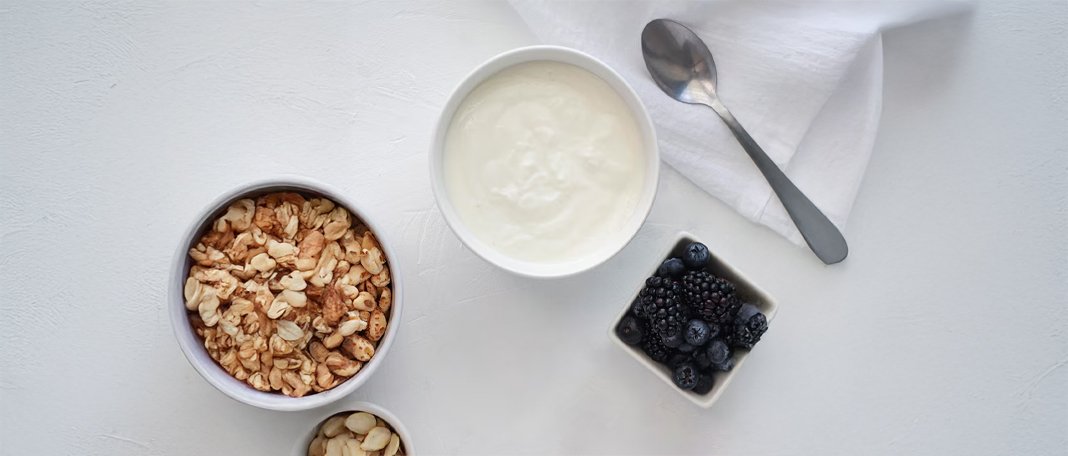

There is a reason watermelon consistently ranks as one of America's most beloved fruits. According to the USDA Economic Research Service, Americans consume an average of 13–16 pounds of watermelon per person each year, making it the most consumed melon in the United States. Globally, over 100 million metric tons are produced annually, with China, Turkey, and the US leading production.
But watermelon benefits go far beyond its sweet, refreshing taste. This fruit is a nutritional powerhouse packed with lycopene, citrulline, vitamins A and C, and is 92% water. Science backs watermelon as a functional food — one that actively supports your heart, skin, muscles, digestion, and more.
Whether you eat it fresh, blend it into juice, or snack on the seeds, watermelon delivers. This guide covers the full picture: nutrition value of watermelon, health benefits backed by research, benefits for women and men specifically, and answers to the most common questions people ask about this fruit.
Context
Best Way to Eat No. 1 selling melon in the United States
What Diseases Can Watermelon Prevent?
What Are the Main Watermelon Benefits?
Watermelon benefits include hydration, heart support, skin health, muscle recovery, digestion support, and antioxidant protection. It contains water, vitamin C, vitamin A, potassium, magnesium, lycopene, and citrulline. However, watermelon should be eaten as part of a balanced diet and not treated as a cure for any disease.
Medical Disclaimer
This article is for educational purposes only and should not replace medical advice. If you have diabetes, kidney disease, high potassium levels, digestive issues, or any chronic health condition, speak with a healthcare professional before making major dietary changes.
Nutrition Value of Watermelon (Per 1 Cup / ~154g)
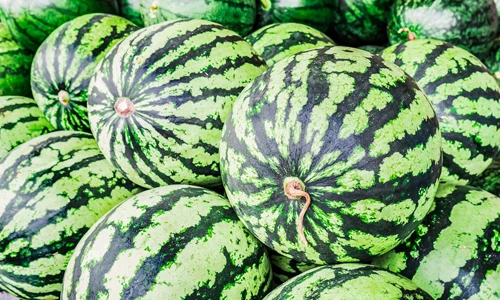
Here is a complete breakdown of the watermelon nutrition value based on USDA data:
| Nutrient | Amount (per cup, ~154g) | % Daily Value |
| Calories | 46 | ~2% |
| Total Carbohydrates | 11.5 g | 4% |
| Sugars | 9.4 g | — |
| Dietary Fiber | 0.6 g | 2% |
| Protein | 0.9 g | ~2% |
| Total Fat | 0.2 g | <1% |
| Vitamin C | 12.3 mg | 14% |
| Vitamin A | 865 IU | 17% |
| Vitamin B6 | 0.07 mg | 4% |
| Potassium | 170 mg | 4% |
| Magnesium | 15 mg | 4% |
| Lycopene | 6,890 mcg | — |
| Citrulline | ~150–250 mg | — |
| Water Content | 139 g (92%) | — |
Source: USDA FoodData Central, FDC ID 167765
One cup delivers all of this nutrition for just 46 calories — making it one of the most nutrient-dense, low-calorie foods you can eat. The glycemic load (GL) of watermelon is only about 5 per serving, despite its higher glycemic index (GI) of 72–76, because the actual sugar per serving remains low.
Watermelon Vitamins: What's Inside Every Slice

| Vitamin C | A potent antioxidant that supports immune function, collagen production, and skin health. One cup provides about 14% of your daily recommended intake. |
| Vitamin A | Supports eye health, immune defense, and cell growth. Watermelon delivers vitamin A through beta-carotene, the same compound that gives it its red-pink color. |
| Vitamin B6 | Supports brain health, neurotransmitter production, and metabolism. Watermelon provides a modest 4% DV per cup. |
| Vitamin B1 (Thiamine) | Supports energy metabolism and nerve function. |
| Pantothenic Acid (Vitamin B5) | Aids in converting food into energy and supports adrenal function. |
| Lycopene | Not technically a vitamin, but this powerful carotenoid antioxidant is one of watermelon's most significant nutritional assets. Watermelon contains more lycopene than raw tomatoes — up to 6,890 mcg per cup versus around 3,165 mcg in a comparable serving of raw tomatoes. |
Watermelon Benefits for Women

Watermelon offers several benefits that are especially relevant for women:
- Collagen support: Vitamin C is essential for collagen synthesis. Adequate collagen keeps skin firm, supports joint health, and contributes to hair strength — all of particular concern as women age.
- Pregnancy nutrition: Watermelon seeds contain folate, which reduces the risk of neural tube defects. The flesh provides hydration and gentle relief from morning nausea. Iron in the seeds also supports blood production during pregnancy.
- Bone health: Lycopene has been linked to improved bone density. Women face higher risk of osteoporosis post-menopause, making lycopene-rich foods particularly beneficial.
- Weight management: Low-calorie, high-satiety watermelon supports healthy weight management, which is tied to reduced risk of breast cancer, PCOS, and metabolic syndrome.
- UTI prevention: Watermelon's diuretic effect helps flush bacteria from the urinary tract, potentially reducing UTI frequency.
- Hormonal balance: Vitamin B6 supports serotonin and dopamine levels, which influence mood fluctuations tied to PMS and perimenopause.
Watermelon Benefits for Men

Men have specific reasons to make watermelon a regular part of their diet:
- Prostate health: Lycopene has been extensively studied for its protective role in prostate health. A meta-analysis published in Cancer Epidemiology, Biomarkers & Prevention found that high lycopene intake was associated with a 10–20% reduced risk of prostate cancer.
- Sexual health: Citrulline's conversion to nitric oxide supports blood vessel dilation, which improves blood flow throughout the body — including to reproductive organs. Texas A&M researchers coined the phrase 'nature's Viagra' in reference to watermelon's citrulline content.
- Muscle recovery: The citrulline in watermelon juice has been clinically shown to reduce post-exercise muscle soreness and improve workout recovery times.
- Heart disease prevention: Men are at statistically higher risk of cardiovascular disease at earlier ages. Watermelon's lycopene, potassium, and citrulline all contribute to cardiovascular protection.
- Hydration during physical activity: Athletes and active men benefit from watermelon's electrolyte content (potassium, magnesium) and its ability to replace lost fluids efficiently.
How Popular Is Watermelon in the US?
Watermelon is the No. 1 selling melon in the United States. Here are some key statistics:
- Americans eat approximately 15 pounds of watermelon per person per year, according to USDA data.
- The US produces around 2–3 billion pounds of watermelon annually, with Florida, Georgia, Texas, California, and Indiana leading production.
- Watermelon makes up about 65% of all melon consumption in the US.
- The peak consumption season is June through August, with July 4th weekend being the single biggest watermelon consumption event in the country.
- Seedless varieties now represent about 85–90% of all US watermelon sales.
- The global watermelon market was valued at over $9 billion USD in 2023 and continues to grow, reflecting increasing consumer interest in healthy, hydrating foods.
How Much Watermelon Should You Eat Per Day?
For most healthy adults, 1 to 2 cups of watermelon per day can fit into a balanced diet. This portion provides hydration, vitamins, and antioxidants without adding excessive sugar. People with diabetes, kidney disease, or fluid restrictions may need a smaller portion based on medical guidance.
20 Proven Watermelon Benefits You Should Know

1. Keeps You Hydrated
At 92% water content, watermelon is one of the most hydrating foods you can eat. The American College of Sports Medicine notes that eating high-water-content foods like watermelon contributes meaningfully to daily fluid intake, which supports every organ system in the body.
2. Supports Heart Health
Lycopene in watermelon has been associated with reduced cardiovascular risk. A 2017 review published in Nutrients found that lycopene intake was inversely associated with the risk of cardiovascular disease. Citrulline, another key compound in watermelon, helps the body produce nitric oxide, which relaxes blood vessels and may lower blood pressure. A study in the American Journal of Hypertension found that watermelon extract supplementation reduced aortic blood pressure in obese adults with prehypertension.
3. Reduces Inflammation and Oxidative Stress
Chronic inflammation underlies many serious diseases, including cancer, diabetes, and heart disease. Watermelon's combination of lycopene, vitamin C, and cucurbitacin E offers anti-inflammatory effects. Research published in the Journal of Nutritional Biochemistry noted that lycopene may inhibit inflammatory markers, including IL-6 and TNF-alpha.
4. May Help Prevent Certain Cancers
Lycopene has received considerable attention for its potential role in cancer prevention. Studies suggest that higher lycopene intake is associated with a lower risk of prostate cancer in particular. The American Cancer Society acknowledges the promising research, though notes that more clinical trials are needed. The antioxidant action of vitamin C in watermelon also combats free radical damage that contributes to cancer cell formation.
5. Supports Muscle Recovery and Reduces Soreness
L-citrulline, the amino acid found abundantly in watermelon, has garnered attention among athletes. A 2013 study in the Journal of Agricultural and Food Chemistry found that athletes who drank watermelon juice before exercise experienced significantly less muscle soreness 24 hours later compared to those who consumed a placebo. Citrulline is converted to arginine in the body, which supports better blood flow to muscles during exercise.
6. Benefits Eye Health
Watermelon contains lycopene and beta-carotene, both of which help protect the eyes from age-related damage. Research published in Ophthalmology suggests that lycopene may help reduce the risk of age-related macular degeneration (AMD). Vitamin A from watermelon also supports the production of rhodopsin, the pigment that helps you see in low light.
7. Aids Digestion
While watermelon is not exceptionally high in fiber, it contains a small amount of dietary fiber that helps support gut motility. More importantly, its high water content helps prevent constipation and keeps the digestive tract moving efficiently. Many people report that watermelon feels easy to digest because of its water-to-fiber ratio.
8. Helps Regulate Blood Pressure
Watermelon provides potassium and magnesium — two minerals that play an important role in regulating blood pressure. Potassium helps the kidneys excrete excess sodium, while magnesium supports vascular relaxation. Combined with citrulline's ability to boost nitric oxide, watermelon has real potential as a blood pressure-friendly food.
9. Supports Weight Management
Watermelon's extremely low calorie density (only 30 calories per 100g) combined with its high water and fiber content, makes it very filling. A 2019 study in Nutrients found that eating watermelon instead of low-fat cookies as a snack led to greater feelings of satiety and reduced hunger over four weeks, while also supporting reductions in body weight and body mass index (BMI).
10. Improves Skin Health
The skin benefits of watermelon come largely from vitamin C and lycopene. Vitamin C is essential for collagen synthesis — the protein that keeps skin firm, smooth, and youthful. Lycopene acts as a natural photoprotective agent: a study in the British Journal of Dermatology found that individuals with higher lycopene intake showed greater protection against UV-induced skin damage. Watermelon also contains small amounts of beta-carotene, which adds to its skin-brightening properties.
11. Supports Hair Health
Vitamin A in watermelon supports sebum production, which keeps your scalp moisturized and promotes healthy hair growth. Vitamin C supports the absorption of iron, a mineral essential for strong hair. Citrulline also improves circulation, including blood flow to the scalp — which may encourage hair follicle health.
12. May Improve Sexual Health (Especially for Men)
Citrulline's conversion to arginine and then to nitric oxide has drawn comparisons to the mechanism behind certain erectile dysfunction medications. While watermelon is not a substitute for medical treatment, a 2008 study by Texas A&M University researchers suggested that watermelon may act as a mild natural relaxant for blood vessels.
13. Supports Kidney Health
Watermelon's high water content and mild diuretic properties help flush toxins from the kidneys. It has been used in some traditional practices to support kidney stone prevention by keeping urine diluted. However, individuals with chronic kidney disease (CKD) should monitor potassium intake and consult a healthcare provider, as large quantities of watermelon could be inappropriate for their condition.
14. Good for Bone Health
Lycopene has been associated with bone health. Some research suggests it may help reduce oxidative stress in bone cells and support bone mineral density. Additionally, watermelon contains small amounts of calcium and magnesium, both of which contribute to skeletal strength.
15. Helps Manage Diabetes (In Moderation)
Despite its sweetness, watermelon has a low glycemic load of about 5 per serving. This means it does not cause a rapid spike in blood sugar when eaten in moderate portions. The fiber, water, and citrulline content also help slow glucose absorption. The American Diabetes Association lists fruits, including watermelon, as part of a healthy diabetic diet when portions are managed.
16. Reduces Asthma Risk
High vitamin C intake has been associated with a reduced risk of asthma. A study in the American Journal of Respiratory and Critical Care Medicine found that people with adequate vitamin C levels experienced fewer asthma episodes. Watermelon, as a source of vitamin C, contributes to this protective effect.
17. Supports Mental Health and Mood
Vitamin B6 in watermelon plays a crucial role in serotonin and dopamine synthesis — the neurotransmitters that regulate mood and stress response. Proper hydration (supported by watermelon's high water content) also correlates with better cognitive performance and mood stability, according to research in the Journal of Nutrition.
18. Supports Immune Function
Vitamin C, vitamin A, and lycopene together deliver a triple punch for immune defense. Vitamin C boosts white blood cell production, vitamin A supports mucosal barriers (your body's first line of defense), and lycopene reduces chronic inflammatory load that can suppress immunity.
19. Fights Free Radicals
The combination of lycopene, vitamin C, and cucurbitacin E gives watermelon a strong antioxidant profile. Free radicals accelerate cellular aging and contribute to disease development. By neutralizing them, watermelons' antioxidants may help protect against chronic disease and premature aging.
20. Promotes Better Sleep (When Eaten at Night)
Watermelon is low in calories and contains magnesium and vitamin B6, both of which support relaxation and neurotransmitter function that promotes better sleep. Its high water content also helps keep the body hydrated overnight. While eating heavily before bed is generally discouraged, a moderate serving of watermelon at night is unlikely to disrupt sleep and may even support it.
Is Eating Watermelon at Night Bad for You?

This is one of the most searched questions about watermelon — and the answer is: generally no, not for most healthy adults. Watermelon is low in calories (46 per cup) and high in water, so it is a far lighter nighttime choice than most snacks. Some concerns center around its sugar content, but the glycemic load per serving is low, meaning it does not produce a dramatic blood sugar spike.
The main consideration for nighttime consumption is that watermelon is mildly diuretic. Eating a large amount close to bedtime could increase nighttime bathroom trips. A small to moderate portion one to two hours before bed is perfectly fine for most people.
What Is the Best Way to Eat Watermelon?

Watermelon is incredibly versatile. Here are the most popular and nutritious ways to enjoy it:
- Fresh slices or cubes: The simplest way. Retains all nutrients, fiber, and water content intact.
- Watermelon juice benefits: Juicing extracts liquid citrulline and lycopene efficiently. Research on watermelon juice specifically has shown benefits for blood pressure and muscle recovery. Cold-pressed is preferable to minimize heat exposure.
- Blended smoothies: Combine with mint, lime, and a handful of greens for a nutrient-dense drink.
- Frozen chunks: Freeze cubed watermelon for a refreshing, low-calorie dessert alternative.
- Watermelon fruit salads: Pair with feta, cucumber, and arugula for a savory twist.
- Grilled watermelon: Grilling caramelizes the sugars and concentrates flavor without significantly affecting lycopene content.
A tip for maximum nutrition: choose a fully ripe, deep-red watermelon. Research published in the Journal of Agricultural and Food Chemistry found that fully ripe watermelons contained significantly more beta-carotene and lycopene than less-ripe ones.
Watermelon Rind Benefits: Don't Throw It Away
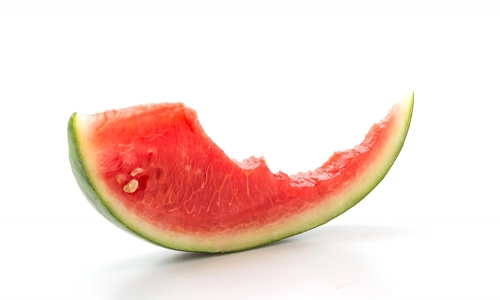
Most Americans discard the white-green rind — but watermelon rind benefits are real and worth knowing. The rind contains:
- Citrulline: Concentrated in the rind — even more so than the red flesh. This amino acid supports nitric oxide production, blood flow, and muscle recovery.
- Fiber: The rind's tougher texture means higher fiber content, supporting gut health and regularity.
- Vitamin C: Present in meaningful amounts in the rind.
- Chlorophyll: The green outer rind contains chlorophyll, which has anti-inflammatory and detoxifying properties.
You can eat watermelon rind by pickling it (a traditional Southern US practice), stir-frying it, blending it into smoothies, or simply eating it along with the flesh. The rind is entirely edible and far more nutritious than it gets credit for.
Watermelon Seed Benefits: Why You Should Start Swallowing Them
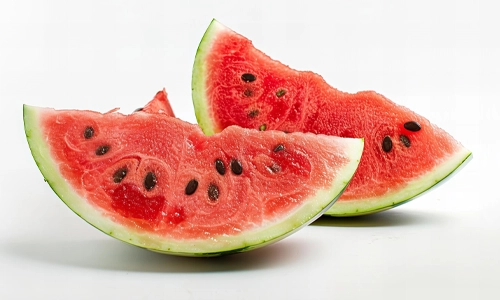
Watermelon seeds are often spit out without a second thought — but benefits of eating watermelon seeds are well-documented. Per 100g, watermelon seeds contain:
- Protein: About 28g of protein — one of the highest protein densities of any seed.
- Magnesium: Critical for over 300 enzymatic reactions in the body.
- Iron: Supports red blood cell production and oxygen transport.
- Zinc: Boosts immune function and supports wound healing.
- Folate: Essential for DNA synthesis and particularly important during pregnancy.
- Omega-6 fatty acids: Supports brain health and inflammation regulation.
- B vitamins: Including niacin and thiamine.
Watermelon seeds are safe to swallow and will not grow in your stomach — that is a complete myth. For maximum nutrient absorption, consider lightly roasting them before eating. Roasted watermelon seeds are growing in popularity as a snack, especially in Middle Eastern and West African cuisines where they have been eaten for centuries.
Types of Watermelon: Which One Should You Choose?
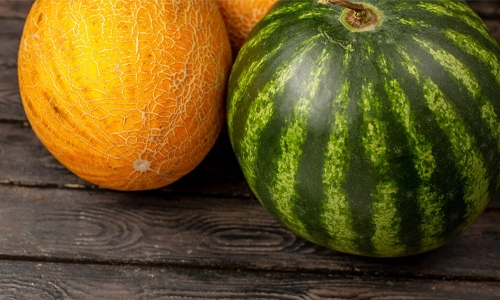
There are over 1,200 varieties of watermelon grown worldwide. In the US, you will most commonly encounter these main types:
- Picnic watermelons: The classic large, oblong or round melons like Charleston Gray and Black Diamond. These are the most common at grocery stores and have deep-red flesh with high lycopene content.
- Seedless watermelons: Developed in the 1990s, these now account for over 85% of US watermelon sales. They are just as nutritious as seeded varieties.
- Icebox watermelons: Small, round melons like Sugar Baby — perfect for individuals or small families. Same nutritional profile, just more convenient.
- Yellow and orange watermelons: Varieties like Yellow Crimson and Orangeglo have yellow or orange flesh. They contain less lycopene but higher amounts of beta-carotene and a different antioxidant profile.
- Mini watermelons: Typically 3–7 pounds, ideal for single servings. Popular in farmers' markets.
- Heirloom varieties: Like Moon and Stars and Orangeglo — favored by gardeners for unique flavors and nutritional diversity.
From a health standpoint, red-fleshed varieties tend to deliver the highest lycopene content. Yellow-fleshed varieties offer a different antioxidant profile with more beta-carotene. Both are excellent choices.
What Watermelon Cannot Do
Watermelon is healthy, but it cannot cure diseases, replace medication, or prevent illness on its own. Its nutrients may support heart health, hydration, inflammation balance, and overall wellness, but these benefits work best alongside a balanced diet, regular exercise, sleep, and medical care when needed.
What Disease Can Watermelon Help Prevent?

Watermelon is not a cure for any disease, but research strongly associates regular consumption with reduced risk of several conditions:
- Cardiovascular disease: Lycopene, citrulline, potassium, and vitamin C all contribute to heart health.
- Prostate cancer: Higher lycopene intake is linked to reduced risk in multiple epidemiological studies.
- Hypertension (high blood pressure): Citrulline-derived nitric oxide relaxes blood vessels; potassium regulates sodium balance.
- Type 2 diabetes: Low glycemic load and anti-inflammatory properties support blood sugar management.
- Age-related macular degeneration (AMD): Lycopene and beta-carotene protect eye tissue from oxidative damage.
- Asthma: Vitamin C intake is associated with lower asthma risk and reduced severity.
- Obesity and metabolic syndrome: High satiety, low calorie density, and weight management support.
- Kidney stones: High water content promotes urine dilution, which reduces crystallization risk.
- Muscle degeneration: Antioxidants combat oxidative stress in muscle tissue.
It is important to note that no single food cures or definitively prevents disease. Watermelon works best as part of a balanced, varied diet rich in whole fruits and vegetables.
Frequently Asked Questions About Watermelon Benefits
Why is watermelon good for you?
Watermelon is good for you because it delivers vitamins A, C, and B6, lycopene, citrulline, potassium, and magnesium — all for only 46 calories per cup. These nutrients support heart health, immune function, skin quality, muscle recovery, and hydration. Its 92% water content makes it one of the most hydrating whole foods available.
What are the top watermelon benefits for the body?
The top watermelon benefits include improved heart health, better hydration, reduced inflammation, lower blood pressure, improved skin and hair, muscle recovery support, eye health protection, and digestive support. The lycopene content also associates watermelon with reduced cancer risk, particularly prostate cancer.
Is watermelon high in sugar?
Watermelon contains about 9.4g of natural sugar per cup. However, its glycemic load per serving is only around 5, which is considered low. This means it does not cause a rapid blood sugar spike when eaten in normal portions. The high water content dilutes the sugar concentration per mouthful.
Can diabetics eat watermelon?
Yes, most people with diabetes can eat watermelon in moderation. While its glycemic index is relatively high (72–76), the glycemic load per serving is low at around 5. Sticking to one to one-and-a-half cups at a time and pairing it with protein or healthy fat can further moderate its effect on blood sugar.
What are the skin benefits of watermelon?
Watermelon benefits for skin include collagen support from vitamin C, UV protection from lycopene, and hydration from its high water content. Lycopene helps protect against sun damage, while vitamin C supports skin firmness and brightness. Topically, watermelon extract is used in skincare for its soothing and antioxidant properties.
What are the benefits of eating watermelon seeds?
Watermelon seeds are rich in protein (about 28g per 100g), magnesium, iron, zinc, folate, and B vitamins. Benefits of eating watermelon seeds include improved immune function, better blood production, stronger bones, and support for metabolic health. They are completely safe to eat and are best enjoyed lightly roasted.
Is it okay to eat watermelon at night?
Eating watermelon at night is generally fine in moderate portions. It is low in calories and easy to digest. However, its mild diuretic effect may increase bathroom trips if you eat a large amount right before bed. A small serving one to two hours before sleeping is a smart, light, and hydrating bedtime snack.
What are the watermelon rind benefits?
Watermelon rind contains concentrated citrulline, dietary fiber, vitamin C, and chlorophyll. Eating the rind supports nitric oxide production, gut health, and anti-inflammatory function. It is edible and can be pickled, stir-fried, blended into smoothies, or eaten raw. Most of the citrulline in watermelon is actually in the rind, not the red flesh.
What are watermelon juice benefits?
Watermelon juice benefits include rapid hydration, enhanced citrulline absorption for blood pressure and muscle recovery, a dose of lycopene and vitamin C, and electrolyte replenishment. Studies show that drinking watermelon juice before exercise reduces next-day muscle soreness. It is also lower in calories than most fruit juices.
What are the benefits of watermelon for women?
For women, watermelon benefits include collagen support for skin health, folate for pregnancy, lycopene for bone density, and B6 for mood regulation during PMS and menopause. It is also a low-calorie, hydrating food that supports weight management and may reduce UTI frequency through its diuretic effect.
What are the benefits of watermelon for men?
Watermelon benefits for men include lycopene for prostate health, citrulline for improved blood flow and sexual health, muscle recovery support after exercise, and cardiovascular protection. Multiple studies link high lycopene intake to significantly reduced prostate cancer risk in men.
What is the best time of day to eat watermelon?
Watermelon is most beneficial when eaten in the morning or as a midday snack because its natural sugars provide clean, sustained energy and its water content supports daytime hydration. It is also a great pre- or post-workout option. Eating it in the evening is fine in moderate amounts, as it is low in calories and light on digestion.
What is the best way to eat watermelon?
The best way to eat watermelon is fresh and fully ripe to maximize lycopene and beta-carotene content. You can eat it in slices, cubed, blended into juice, frozen as a snack, or grilled for a savory-sweet twist. Including the rind and seeds maximizes nutritional value. Pair it with a protein source to slow sugar absorption.
Does watermelon help with weight loss?
Yes. Watermelon supports weight loss because it is low in calories (46 per cup), high in water, and very filling. A clinical study published in Nutrients found that people who ate watermelon as a snack reported greater satiety than those who ate low-fat cookies, and they lost more weight over four weeks.
Is watermelon good for the kidneys?
Watermelon's high water content helps flush the kidneys and may reduce the risk of kidney stones by keeping urine diluted. However, people with chronic kidney disease (CKD) should monitor their potassium intake and speak with a healthcare provider before eating large amounts.
What vitamins does watermelon have?
Watermelon contains vitamin C, vitamin A (from beta-carotene), vitamin B6, vitamin B1 (thiamine), vitamin B5 (pantothenic acid), and biotin. It is also a rich source of lycopene, an antioxidant carotenoid, and citrulline, an amino acid with multiple health benefits.
How much watermelon should you eat per day?
Most nutritionists recommend one to two cups (about 150–300g) of watermelon per day as part of a varied diet. This amount delivers meaningful nutrition without excess sugar. If you are managing blood sugar or following a low-carb diet, stick to one cup and combine it with protein or fat.
What disease can watermelon cure?
No, watermelon cannot cure any disease. It contains nutrients like lycopene, vitamin C, potassium, and citrulline that may support overall health, but it should not replace medical treatment or a balanced diet.
Can you eat watermelon if you have high blood pressure?
Yes. Watermelon is actually beneficial for people with high blood pressure. Citrulline supports nitric oxide production, which relaxes blood vessels. Potassium helps the kidneys excrete sodium. A 2012 study in the American Journal of Hypertension specifically found that watermelon extract reduced blood pressure in adults with prehypertension.
Is yellow watermelon as healthy as red watermelon?
Yellow watermelon is very healthy but has a different antioxidant profile. It contains less lycopene than red watermelon but is higher in beta-carotene, which benefits eye and skin health. Both types deliver similar levels of vitamins, minerals, and citrulline, so the choice is largely a matter of preference.
How do you pick a ripe watermelon?
Look for a watermelon that feels heavy for its size. Check for a creamy yellow field spot on the underside where it rested on the ground — this indicates ripeness. A ripe watermelon also produces a hollow thump when tapped. Avoid watermelons with white or very pale field spots, which indicate underripeness.
Is watermelon good for your gut?
Yes. Watermelon contains dietary fiber and high water content, both of which support gut motility and prevent constipation. It also contains small amounts of prebiotics that feed beneficial gut bacteria. Its anti-inflammatory lycopene content may also help reduce gut inflammation, though more research in this area is ongoing.
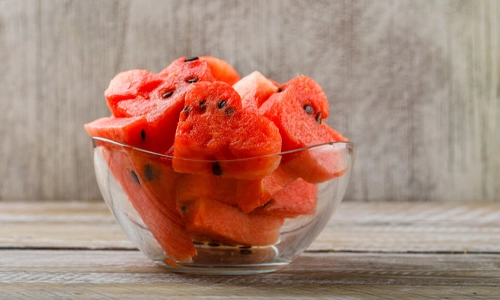
Watermelon is far more than a summer treat. It is a scientifically backed, nutrient-rich fruit that supports your heart, skin, muscles, kidneys, eyes, and immune system — all for a fraction of your daily caloric budget. From the juice to the rind to the seeds, virtually every part of the watermelon offers something valuable.
Whether you eat it fresh, drink it as juice, snack on the seeds, or pickle the rind, you are making a genuinely healthy choice. The key is consistency. Add watermelon to your regular fruit rotation and let its lycopene, citrulline, and vitamin content do their work over time.
Always consult a healthcare professional before making significant changes to your diet, especially if you manage a chronic health condition.