
Crunchy, tangy, and bursting with flavor, pickles have been a staple in cuisines worldwide for centuries. Beyond being a zesty side dish, pickles offer genuine health perks backed by science. Here’s why adding pickles to your plate can be a good idea — in moderation.
Nutrition Facts (per 100 g of common cucumber dill pickles)
| Nutrient | Amount* |
| Calories | 11–20 kcal |
| Carbohydrates | 2–3 g |
| Protein | 0.3–1 g |
| Fat | 0.1 g |
| Fiber | 1–2 g |
| Sodium | 700–900 mg (≈30–40% DV) |
| Potassium | 40–60 mg |
| Vitamin K | 15–20 mcg (≈15% DV) |
| Vitamin A | 150 IU (≈3% DV) |
| Calcium | 15–20 mg |
*Values vary by brand and recipe (fermented vs. vinegar pickles).
1. Supports Healthy Digestion
Fermented pickles (such as traditional dill or kimchi-style) are rich in probiotics — beneficial bacteria that can balance your gut microbiome. A healthy gut aids digestion, reduces bloating, and boosts immunity.
2. Packed with Antioxidants
Cucumbers and other vegetables retain antioxidants like vitamin C and beta-carotene even after pickling. Antioxidants help fight free radicals, protecting your cells from damage and supporting healthy skin.
3. Natural Source of Electrolytes
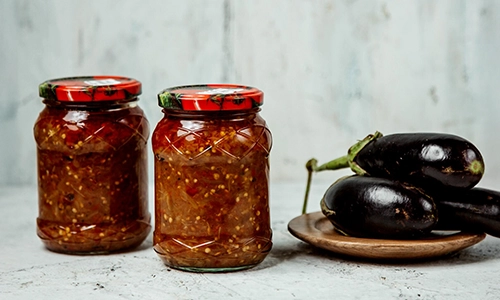
Pickle brine contains sodium and potassium — electrolytes that help maintain fluid balance. Athletes sometimes drink small amounts of pickle juice to combat cramps and speed up post-workout recovery.
4. Boosts Blood Sugar Control
Some studies suggest that vinegar-based pickles may help improve insulin sensitivity and keep post-meal blood sugar spikes lower, especially in people with prediabetes.
5. Low-Calorie Flavor Booster
A typical dill pickle spear has just 4–5 calories but adds a big flavor punch. This makes pickles a smart choice for adding zest to meals without piling on extra calories.
6. Source of Vitamins and Minerals
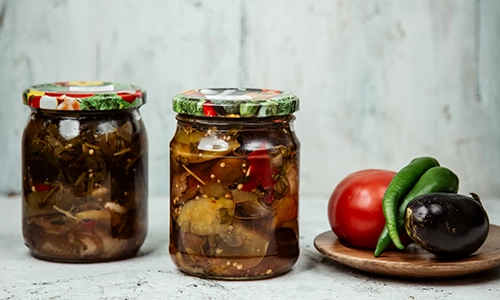
Depending on the vegetable used, pickles can provide small amounts of vitamins K, A, and essential minerals like calcium and iron, supporting bone health and overall nutrition.
7. May Support Weight Management
Because they’re crunchy, tangy, and low in calories, pickles can satisfy salty cravings. This can help people stick to healthier eating plans without feeling deprived.
FAQs About Pickles
What are the main health benefits of pickles?
They support gut health, provide antioxidants, electrolytes, and vitamins, and can be a low-calorie snack.
Are all pickles probiotic?
No. Only naturally fermented pickles contain live probiotics; vinegar-pickled varieties usually do not.
Can eating too many pickles be harmful?
Yes. High sodium levels can increase blood pressure, so moderation is key.
Do pickles help with muscle cramps?
Some athletes use pickle juice to replenish electrolytes and relieve cramps, but evidence is mixed.
Are pickles suitable for people with diabetes?
Vinegar-based pickles may help with blood sugar control, but check labels for added sugars and consult a doctor.
Which type of pickle is healthiest?
Naturally fermented pickles without added sugar or excessive salt offer the most benefits.
Bonus Tip: Choose Wisely
Not all pickles are equal. Look for low-sodium options and naturally fermented varieties without added sugars or artificial dyes to maximize health benefits.