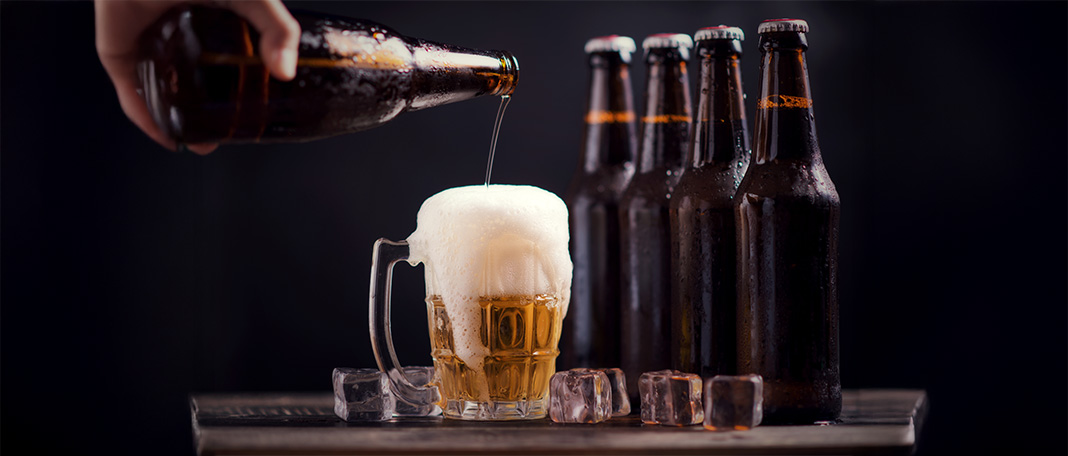
Most of us enjoy a cold beer on a weekend, but what if that same beer could do more than just quench your thirst? It turns out beer is a surprisingly versatile ingredient. In the kitchen, it can infuse sauces and tenderize meats; in your medicine cabinet or bathroom, it can become a beauty booster for hair and skin. This blog explores the many uses of beer – from cooking hacks to DIY beauty treatments – with a light, fun tone and real scientific facts. Let’s raise a glass (and not drown it) to these clever beer tips!
Cooking and Culinary Uses of Beer
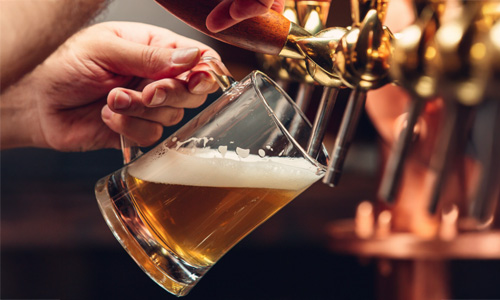
Ever wondered what chefs do with leftover beer? Beyond drinking it, beer can add real flavor and texture in the kitchen. For example, you can deglaze a pan with beer just like wine. A light lager brightens a pan sauce with crisp, hoppy notes, while a stout or ale adds deeper, earthy richness. The next time you braise chicken, pork, or beef, try swapping in beer for the usual stock or wine – the beer’s acidity and enzymes will tenderize the meat and keep it moist. In fact, marinating meat in beer overnight can break down tough proteins, and some research even shows beer marinades suppress harmful compounds when grilling.
Beer’s natural carbonation makes it ideal in batters and breads. The bubbles evaporate during cooking, giving fried foods or quick breads an extra-crispy, airy texture. Think beer-battered fish, onion rings, tempura vegetables or even fluffy beer bread. If you ever have a half-open beer, pour it into a sealed ice tray and freeze it – these beer ice cubes are perfect for future cooking (they won’t explode), adding flavor to stews or sauces.
1. Marinades & Braises

Beer’s mild acidity and enzymes tenderize meat. Soak chicken or steak in beer to keep it juicy and flavorful.
2. Sauces & Stews
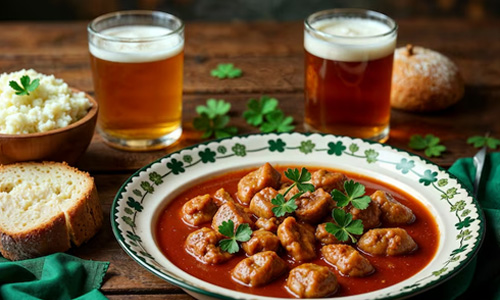
Deglaze with beer instead of wine for a malty twist. Belgian coq au vin, for example, sometimes calls for ale instead of wine.
3. Batter & Baking
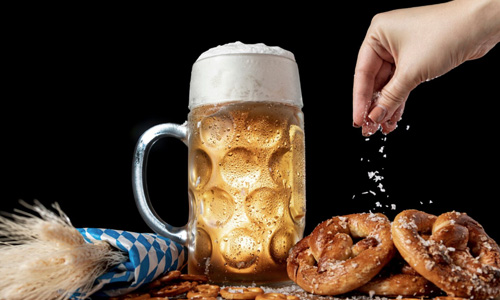
Use beer in pancake, waffle or fry batter for light, crispy results. You can even mix beer into bread dough – the yeast in beer makes it rise with a rich malt flavor.
Whether you’re grilling, baking, or stewing, don’t be shy about cooking with beer. It’s an easy way to add depth to your dishes and use up that half-pint in the fridge. Just remember: cooking mostly burns off the alcohol, so enjoy the taste benefits without overdoing it.
Health Benefits of Moderate Beer Consumption
“Yes, beer has health benefits – in moderation.” Sounds like a cliché, but science backs it up (up to a point). Studies show that moderate beer intake (typically defined as about 1 drink per day for women, 2 for men) can be associated with certain health perks – especially when compared to none or heavy drinking. Here are a few examples:
4. Heart Health

Like wine, moderate beer drinkers tend to have lower rates of cardiovascular disease. One review notes that any alcohol in moderation – whether beer, wine or liquor – is linked to lower heart disease risk. Beer contains antioxidants (from hops and barley) that are similar in total amount to those in wine. These compounds may help protect blood vessels.
5. Bone Strength

Beer is a good source of dietary silicon, which helps form healthy bone tissue. In the Framingham study, men who drank about 1–2 beers per day had ~3–4% higher hip bone density than nondrinkers. (That might not sound like much, but it’s similar to a year or two of bone aging.) The effect was largely attributed to silicon in beer. So moderate beer may support bone density in both men and postmenopausal women.
6. Kidney Stones

Several large studies have found that beer drinkers have a much lower risk of kidney stones than nondrinkers. In fact, one analysis of U.S. health data (NHANES) found that moderate beer intake cut the odds of stones by about 40%–70% depending on the amount, while liquor had no effect. Beer’s hydration effect and its ethanol-induced diuresis probably help flush out minerals that form stones.
7. Nutrition (B‑Vitamins, etc.)

Beer isn’t a “health drink,” but from a nutrient standpoint it’s not just empty alcohol. According to nutrition experts, a beer has more protein and B-vitamins than an equivalent serving of wine. It also has minerals like calcium, potassium and magnesium. These aren’t huge amounts (you shouldn’t drink beer for vitamins), but they do mean that a moderate ale or lager brings some nutrients other than alcohol into your body.
Of course, the flip side is important: Alcohol is a double-edged sword. The very alcohol in beer can harm the liver, blood pressure, and more if you drink too much. All of the above studies emphasize moderation. Drinking more than 2–3 beers a day negates benefits and causes risks. So if you enjoy beer, cheers – just keep it to a glass or two now and then, and balance it with water and good food.
Beer for Hair: Myth or Magic?

Now let’s get a bit wild – what about your hair? You’ve probably seen posts about beer rinses for shiny, voluminous locks. In theory, beer’s proteins and vitamins might coat the hair and add body. Some DIY beauty bloggers swear by it, claiming a bit of stale ale can make hair “fuller and shinier” thanks to its B-vitamins and yeast proteins.
However, real-world science is skeptical. Dermatologists caution that there’s no clinical proof beer cures hair woes. One expert points out that beer’s alcohol content can actually irritate the scalp, and the beneficial ingredients (like malt and hops proteins) are present in very low concentration. In other words, a beer rinse is unlikely to hurt (unless you’re allergic), but don’t expect a miracle.
What is true is that beer contains some nutrients important for hair health. For example, beer has trace amounts of calcium, iron, protein and selenium – all of which play roles in hair growth and strength. (Of course, you get those from your diet anyway, not shampoo.) If you do want to try a beer hair rinse, here’s a popular method: let a can of beer go flat, rinse your clean hair with it, massage it in, leave 5–15 minutes, then rinse out. People often add stuff like apple cider vinegar or oils to balance the pH. It’s a fun at-home experiment – just rinse well afterwards. And if you have sensitive skin or dyed hair, be cautious, as alcohol can be drying.
Why Beer Shampoo Works Better Than You Think
Beer shampoo has been gaining renewed attention in the natural hair care community, and for good reason. Beer is rich in B vitamins, proteins, and natural sugars that nourish the hair shaft, helping to repair damage and reduce frizz. The malt and hops act as natural conditioning agents that coat each strand, leaving hair noticeably smoother and more manageable. Unlike many commercial shampoos loaded with sulfates and silicones, a simple beer-based wash cleanses gently while maintaining the scalp's natural pH balance.
Is Beer Good for Your Hair? The Science Says Yes
If you've ever wondered is beer good for your hair, the answer is a resounding yes — when used correctly. The silicon content in beer strengthens hair follicles and may help reduce breakage over time, while the carbonation adds instant body and bounce. For best results, let a can of flat beer sit overnight, then use it as a final rinse after your regular wash. You'll notice the difference after just a few uses — fuller, shinier hair without the need for expensive salon treatments.
Pro tip: Many commercial shampoos actually include “beer extract” or brewer’s yeast as an ingredient, harnessing those B‑vitamins and proteins in a gentler base. So if you’re curious about beer’s hair lore, a store-bought beer-based shampoo may be a safer bet than straight liquid hops!
Beer for Skin: Masks and Pampering
What about your skin? Beer (or its components) has shown up in spa treatments around the world. A good example is the old “beer bath” or “beer pedicure” – soaking feet or skin in beer for softening. The logic: brewer’s yeast in beer is rich in B-vitamins and enzymes that might nourish skin, while the alcohol offers antiseptic action. One source notes that a warm beer foot soak can help soften calluses (yeast removes dead skin and alcohol kills germs).
Beer can also be a base for DIY face masks. People mix beer with ingredients like clay, honey, or avocado, claiming it clears acne and tightens pores. Indeed, the hops and yeast contribute antioxidants and vitamins (like niacin) which could soothe inflammation. A published review even highlights beer’s hops compounds (kaempferol, xanthohumol, etc.) as having anti-inflammatory and antioxidant effects.
In practice, dermatologists say beer masks aren’t proven. The Hindustan Times wellness article warns: “beer does contain some beneficial components for skin… but its alcohol content can actually irritate sensitive skin”. In other words, your face might get a dose of hydration from the mask ingredients (like honey or aloe mixed with beer), but it could also get dried out or pH‑imbalanced from the beer itself. If you try it, do a patch test and keep it short.
That said, there’s no harm in a bit of beer pampering now and then. Here are some lighthearted options:
8. DIY Face Mask

Mix 1–2 tablespoons of beer with clay or yogurt and honey. Apply briefly, then rinse. The yeast and vitamins may leave skin temporarily refreshed (but rinse well!).
9. Hair & Body Scrubs
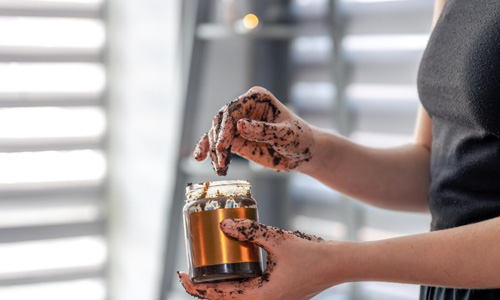
Combine beer with coffee grounds or sugar for an exfoliating scrub – the caffeine and yeast team up to invigorate skin.
10. Beer Pedicure/Foot Soak
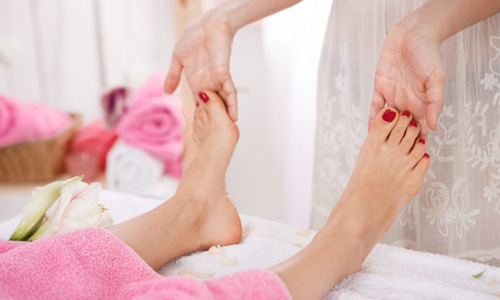
A basin of warm beer (or even beer diluted in water) can soften feet. The yeast helps break down rough skin and the beer’s alcohol disinfects. Just rinse off with soap afterward to remove stickiness.
All in all, beer can add a fun twist to your beauty routine, but it’s not a replacement for science-backed skincare. Think of it as a novelty mask – unlikely to cause harm (unless you’re allergic), but also not a beauty panacea.
Beer in the Home and Garden: Weird (and Useful!) Hacks
Beer isn’t just for kitchen and bathroom – it can even help around the house and garden. Here are a few surprisingly handy tricks:
11. Clean Wood & Copper

Poured onto wood or copper, flat beer acts like a mild polish. Wipe stale beer on a wooden table to restore shine, or let it sit on tarnished copper for a few minutes before buffing. (Remember to test a small area first.)
12. Remove Rust & Stains

The acids and carbonation in old beer can break down rust and stains. Soak rusty tools or pots in beer to loosen rust. It’s even used on carpets – a little beer on a fresh stain can lift it (just follow with soap and water).
13. Slug & Pest Trap

Gardeners have long known that slugs, snails and certain insects can’t resist beer. Bury a shallow container in the garden and fill it with beer; snails will crawl in and drown. Likewise, a small dish of beer can trap fruit flies or ants indoors. (For a “pesticide,” mix flat beer with a bit of yeast and salt and spray on plants – it’s a homebrew insect repellent.)
14. Fertilize Lawns

Believe it or not, beer’s sugars can give grass a boost. Some gardeners gently spray brewed beer on bare lawn patches – the sugars feed soil microbes and the yeast acts like a mild fungicide, helping grass grow back. (Dilute 1 part beer to 2 parts water to avoid attracting pests.)
15. Beer Can Chicken
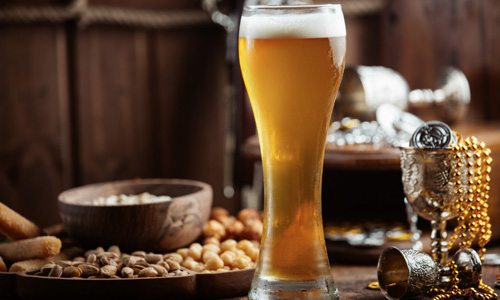
Heard of the classic beer can chicken? Standing a whole chicken over an open can of beer while grilling keeps the meat super juicy. As the beer steams, it bastes the inside of the bird. (It’s mostly for fun, but it does add subtle flavor.)
These DIY hacks are fun to try but remember: stale beer is still sticky and can attract critters if left out. Always rinse surfaces after cleaning with beer and be mindful of the smell.
Precautions and Smart Tips
Beer is versatile, but let’s be clear about the cautions. First, if you’re using beer on skin or hair, remember it contains alcohol. For folks with very dry or sensitive skin, even diluted beer can sting or cause redness. Always do a patch test. And since beer can be messy (sticky when it dries), avoid pouring it on light carpets or fabrics without following up with a regular cleaner.
Second, drinking beer should be done responsibly. Even though moderate beer use has benefits, bingeing is harmful. The experts we cited all stress moderate limits. Pregnant women or anyone with liver issues should skip alcohol altogether. And remember that “light beer” still has alcohol – its advantage is fewer calories, not 0 alcohol.
Finally, don’t be afraid to experiment a little. If you enjoy beer in your diet, let it play a role in cooking and self-care too. But always listen to your body and adjust (for example, dilute strong beer masks with water, or switch to non‑alcoholic beer for hair rinses if scalp irritation is a concern).
FAQs about Beer and Its Uses
Can I really use beer in recipes as a substitute for wine or stock?
Beer often works well in soups, stews, sauces, and marinades. For example, add a stout to beef stew for a rich flavor, or use lager to steam clams or mussels. Beer’s carbonation and acidity tenderize meat and bring malty notes. Just remember to reduce (boil down) the beer a bit to cook off the alcohol, leaving behind flavor.
Are beer hair rinses and masks actually effective?
Many people claim that beer rinses add shine because the beer’s proteins coat the hair. In practice, there’s no clinical proof of dramatic effects. However, rinsing hair with flat beer might give it a little body and shine (probably because of the residual sugars and oils), much like diluted apple cider vinegar rinses do. It won’t grow your hair faster, but it’s a fun natural rinse to try occasionally. Always rinse well afterwards.
What skin benefits does beer offer, if any?
Beer’s yeast and hops have antioxidants (like quercetin) and B-vitamins that could theoretically soothe or protect skin. Some people make face masks by mixing beer with clay or honey, aiming to tighten pores and add glow. Dermatologists advise caution: the alcohol in beer can dry or irritate skin. For a gentler option, use a non-alcoholic beer in your mask, or just enjoy beer-infused commercial products. Think of it as an occasional spa treat, not a medical treatment.
I heard beer can cause acne or skin irritation. Is that true?
Purely drinking beer in moderation is unlikely to cause acne; in fact, its B-vitamins might help skin. The bigger concern is topical use: undiluted beer on the face might irritate if your skin is sensitive. The HT article we cited explicitly says beer can irritate sensitive skin and disrupt pH. So if you try a beer face mask, watch for any burning or redness, and don’t leave it on too long.
How should I store beer if I want to use it for cooking or beauty?
Keep it covered in the fridge and use it within a few days. If it goes flat, it’s actually fine (and even preferable) for recipes and rinses. You can also freeze beer in ice cube trays (no lid!) for long-term use in cooking. Just be sure to label the cubes so guests don’t mistake them for water!
Isn’t this just gimmicks? Should I believe beer can do all this?
Beer isn’t a magic potion, but it has real components (yeast, barley, hops, alcohol, water) that can be useful. Think of these uses as creative hacks rather than cures. Many of them have simple chemistry behind them (acidic beer tenderizes meat; beer’s yeast is essentially nutrition; alcohol disinfects). If you stay realistic – for example, using beer alongside a normal diet and skincare, not as a replacement – you’ll have fun experimenting without unrealistic expectations.
Beer’s primary use will always be to enjoy responsibly with friends or a meal. But once in a while, that spare brew can moonlight as a cooking ingredient, a beauty DIY component, or even a household helper. Who knew your favorite lager had so many uses beyond the pint glass?