

Chewing gum isn’t just something we reach for after garlic bread or to stay awake during long meetings. It turns out, that little stick of gum might be doing more good than you think! From helping your teeth to giving your brain a boost, chewing gum—especially the sugar-free kind—has several surprising health perks. Let’s break down what really happens when you pop a piece of gum and why it might be worth keeping a pack in your bag.
What is a Chewing Gum?
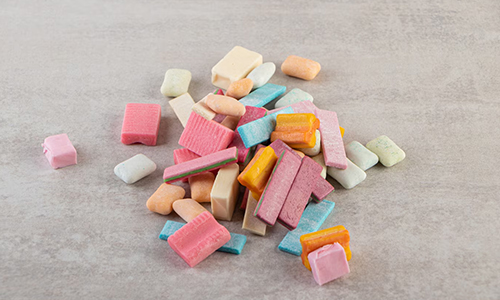
Chewing gum isn’t just for blowing bubbles (though that’s fun too!). This tasty treat is a soft, flavored mixture made for chewing, not swallowing. The base of the gum provides a satisfying chew, while sweeteners and flavorings keep your taste buds happy. Sometimes, softeners or bulking agents are added for texture.
History of Gum

Chewing gum isn’t a new invention! It turns out humans have been enjoying this chewy pleasure for centuries, with roots stretching far back in history.
Ancient Origins
The earliest evidence of gum-like substances dates back thousands of years. In northern Europe, people chewed birch bark tar, possibly for medicinal purposes like easing toothaches.
The Rise of Modern Gum
Fast forward to the 19th century, chicle found its way to the United States. While initially intended as a rubber substitute, Thomas Adams, an entrepreneur, discovered its potential as a chewing gum base. In 1871, he introduced “Adams New York Chewing Gum,” marking the birth of modern chewing gum.
Chewing Gum Today

Chewing gum, a popular global treat, offers a variety of flavors and textures, including sugar-free and bubble gum, and can also help freshen breath, manage cravings, and boost alertness.
Ingredients in Chewing Gum

Gum Base
This is the foundation of the gum, providing a chewy texture. Traditionally, chicle, a natural latex from the sapodilla tree, was used. Today, most gum bases are synthetic, made from food-grade elastomers (think stretchy materials) or waxes.
Sweeteners
Sugars like sucrose (table sugar) or high-fructose corn syrup were common in the past. However, sugar-free gums are increasingly popular and use sugar alcohols like sorbitol or xylitol. These offer sweetness without contributing to tooth decay.
Softeners/Plasticizers
These keep the gum from becoming hard and brittle, ensuring a pleasant chewing experience. They allow the gum to maintain its flexibility and elasticity.
Flavors
Artificial or natural flavors give chewing gum its distinct taste. Mint is a classic, but there’s a huge variety available, from fruity to spicy.
Colors
Food coloring adds visual appeal to chewing gum. It can make the gum more visually interesting and can sometimes tie in with the flavor.
Coating
Often a hard or powdered polyol coating provides a smooth texture and additional flavor. This coating can also help to slow down the release of flavor from the gum.
Benefits of Chewing Gum (Sugar-free)

Chewing sugar-free gum after meals can help neutralize plaque acids and increase saliva flow. This can potentially reduce tooth decay by creating a less hospitable environment for cavity-causing bacteria.
1. Boost Memory
A study indicates that regular chewing sugar-free gum boosts brain blood flow to the hippocampus and oxygen levels, thereby enhancing brain cell activity and memory skills, according to a recent research study.
2. Reduces Stress
Another research study has found that chewing gum can be a great stress-buster, as it boosts the oxygen flow to the brain and decreases the production of the stress hormone known as cortisol, in the blood, thus reducing stress.
3. Relieves Anxiety
Just like how chewing gum can reduce stress, the same action of chewing gum boosting oxygen flow to the brain can also reduce anxiety. So, chewing gum before an interview or an important meeting can help calm your nerves.
4. Aids Weight Loss
Chewing gum whenever you get hunger pangs can kill the untimely hunger pangs and prevent you from binge eating, thus helping you stick to your healthy diet and lose weight! Ensure that the gum you choose is sugar-free and low in calories.
5. Treats Nausea
If you are someone who is prone to travel sickness or if you are suffering from nausea induced by indigestion, chewing minty gum can help reduce this sensation, as chewing on gum can produce more saliva, which in turn reduces the acid produced in the stomach, thus treating nausea.
6. Treats Constipation
Chewing gum can be used to treat constipation temporarily because the extra saliva produced can lubricate your intestines and make bowel movement smoother. However, constipation is a condition that requires medical attention.
7. Reduces Acidity
Again, due to the extra saliva that is produced while chewing gum, which can reduce the digestive acids produced in the stomach, it can also treat acidity temporarily and acidity must be checked by a professional.
8. Makes You More Alert
Each time you are feeling tired and lethargic at work, chewing gum could help make you more alert and energetic because it increases the blood flow and oxygen to your brain.
9. Whitens teeth
There are varieties of chewing gum that whiten and brighten the surface of your teeth. Also, chomping on sugarless chewing gum 20 minutes after meals can prevent tooth decay, cavities, and gingivitis.
Is it Safe to Consume Chewing Gum?
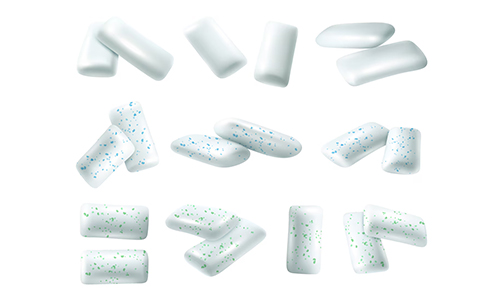
Absolutely, the ingredients in chewing gum are safe for consumption in the intended way – chewing and discarding. Here’s a breakdown:
Regulation
Chewing gum ingredients are regulated by food safety authorities like the FDA (US) to ensure they meet safety standards.
Individual Ingredients
Most gum base components, sweeteners (especially sugar alcohols in sugar-free gum), softeners, flavors, and colors are approved for use in food products.
Sugar vs. Sugar-Free
While sugar itself isn’t harmful, excessive sugar intake can contribute to dental problems. Sugar-free gum avoids this concern.
How to Choose Chewing Gum

Chewing gum selection depends on personal preference and needs. Choose sugar-free, mint or fruity flavors, and check for gum with xylitol for potential dental benefits.
Selecting the perfect pack of chewing gum depends on your priorities! Here’s a guide to picking the gum that best suits your needs:
For Freshening Breath
- Sugar-Free Option: Look for gum sweetened with xylitol. This sugar alcohol not only avoids sugar spikes but also neutralizes plaque acids, potentially reducing tooth decay and freshening breath.
- Flavored Option: Mint or spearmint flavors are classic breath fresheners, leaving a cool, minty sensation.
For Oral Health Benefits
- Sugar-Free is Key: Opt for sugar-free gum sweetened with xylitol. Chewing it for 20 minutes after eating can stimulate saliva flow, which helps wash away food particles and neutralize plaque acids.
For Long-Lasting Flavor
- Sugar Alcohols: Sugar alcohols like sorbitol may provide a longer-lasting flavor experience compared to xylitol. However, be mindful of potential digestive discomfort for some people with high intake.
- Coating: Look for gum with a hard candy or polyol coating. This can slow down the flavor release, extending your chewing enjoyment.
Side Effects of Chewing Gum

While chewing gum generally is safe, there can be some potential side effects to be aware of, especially with excessive chewing. Here’s a breakdown:
Jaw Problems
Chewing gum too frequently can strain your jaw muscles, leading to pain, discomfort, and temporomandibular joint (TMJ) problems.
Headaches
Some research suggests a link between excessive gum chewing and headaches, particularly in migraine sufferers.
Digestive Issues
Sugar alcohols used in sugar-free gum can cause bloating, gas, and diarrhea in some people, especially with high intake.
Tooth Damage (Sugar-Sweetened Gum)
Frequent chewing of gum with sugar can contribute to tooth decay due to the constant presence of sugar in your mouth.
Frequently Asked Questions Related to Chewing Gum

1. What are the overall benefits of chewing gum?
Chewing gum can freshen breath, improve focus, stimulate saliva production, support oral health, and even aid digestion. Sugar-free gum in particular has added dental benefits.
2. What are the benefits of sugar-free chewing gum?
Sugar-free chewing gum helps reduce the risk of cavities by neutralizing acid in the mouth, improves concentration, and reduces snack cravings without added calories.
3. What are the benefits of chewing gum for the face?
Regular chewing may tone facial muscles slightly, but it won’t drastically change your appearance. It can enhance blood flow to facial tissues, helping with a fresher look.
4. Are there benefits of chewing gum for jawline definition?
Some people believe chewing gum defines the jawline, but the effect is minimal. It does work certain jaw muscles, which might help with a firmer feel—but don’t expect dramatic results.
5. What are the benefits of chewing gum for the brain?
Studies show chewing gum can increase alertness, reduce stress, and improve short-term memory by enhancing blood flow to the brain.
6. What are the benefits of chewing gum for your teeth?
Chewing sugar-free gum after meals helps clean teeth by increasing saliva flow, reducing plaque, and strengthening enamel.
7. Is chewing gum bad for your stomach?
Excessive chewing can lead to bloating, gas, or jaw discomfort. Gum with artificial sweeteners may also upset sensitive stomachs if consumed too often.
8. Does chewing gum reduce face fat?
Not significantly. While gum can engage facial muscles, it doesn’t burn enough calories to reduce fat. It’s no substitute for a balanced diet and exercise.
9. Can I chew gum while working out?
Yes, but it’s not always recommended. It could become a choking hazard during intense movement, and hydration should be prioritized instead.
10. What happens if I chew gum every day?
Chewing one or two pieces of sugar-free gum daily is usually safe and can support oral health and mental focus. Overdoing it, though, may cause jaw pain or digestive issues.
11. Are there any mental benefits of chewing gum?
Yes! Chewing gum can reduce anxiety, improve concentration, and even enhance test performance in students or workers during stressful periods.
12. What happens if I accidentally swallow a chewing gum?
Don’t worry—it won’t stay in your stomach for seven years! It passes through your digestive system like any other indigestible item, usually without harm.
13. Can kids have chewing gum?
Only if they’re old enough to understand not to swallow it. Typically, gum is safe for kids over the age of 5–6, but opt for sugar-free varieties and supervise usage.
So next time you’re looking for a breath freshener, a focus booster, or just a tasty chew, consider a stick of sugar-free gum! Just remember to chew in moderation and avoid swallowing it.