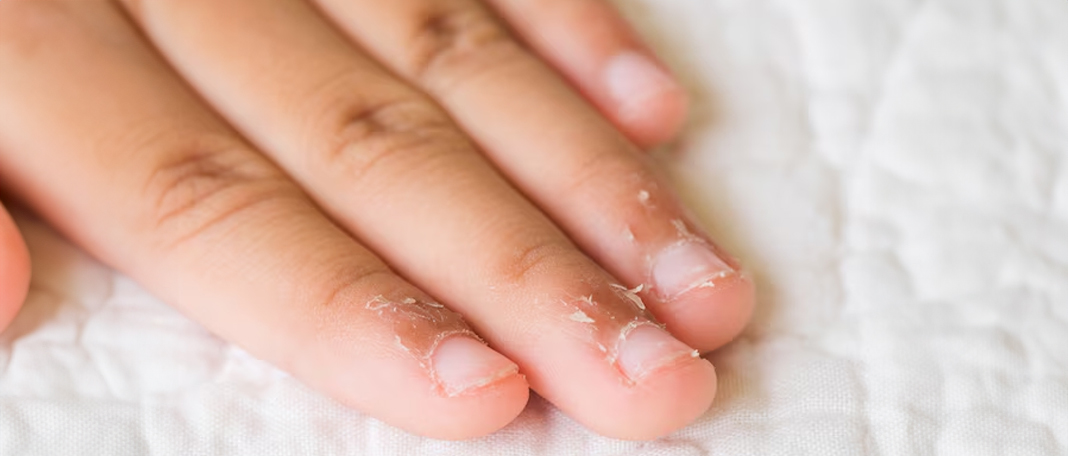
Have you noticed your cuticles peeling? What will you do in that case? It will tempt you to pick at them or cut them. But doing this will worsen the issue. One of the perfect ways is to find a natural home remedy for peeling cuticles. It will benefit you in several ways.
So, I’ve listed the top ten effective remedies in this blog. Read them carefully and treat your peeling cuticles at your home.
Why Are My Cuticles Peeling?
Peeling cuticles can be caused by various factors, ranging from environmental conditions to health issues. Here are some common reasons why your cuticles might be peeling:
1. Lack of Moisture
When your skin, including your cuticles, becomes dry, it can start to peel. This can be due to insufficient hydration, exposure to dry air, or not using enough moisturizing products.
2. Environmental Factors
Cold weather, low humidity, and excessive exposure to wind can strip moisture from your skin, leading to dryness and peeling.
3. Frequent Use of Soap and Water
Frequent washing with soap can strip your skin of its natural oils, leading to dryness and irritation.
4. Hand Sanitizers
Alcohol-based hand sanitizers can be particularly drying and can cause cuticles to peel if used excessively.
5. Vitamin Deficiencies
Lack of essential vitamins and minerals, such as vitamins A, B, C, E, and biotin, can affect the health of your skin and nails.
6. Eczema and Psoriasis
These conditions can cause dryness, scaling, and peeling of the skin, including the cuticles.
7. Fungal or Bacterial Infections
Infections around the nail bed can cause the cuticles to become damaged and peel.
8. Hand Lotions and Creams
Certain ingredients in hand lotions and creams can cause allergic reactions or contact dermatitis, leading to peeling cuticles.
9. Nail Biting and Picking
These habits are often linked to stress and can damage the cuticles, leading to peeling.
10. Thyroid Disorders
Conditions like hypothyroidism can affect skin and nail health, leading to dryness and peeling cuticles.
11. Diabetes
Poor circulation and high blood sugar levels associated with diabetes can lead to dry skin and cuticle problems.
How To Treat Peeling Cuticles?
Here’s a guide on how to treat peeling cuticles:
1. Moisturize Regularly
- Use Cuticle Oil: Apply cuticle oil daily to keep your cuticles hydrated. Oils like jojoba, almond, or vitamin E oil are excellent choices.
- Hand Cream: Use a rich hand cream several times a day, especially after washing your hands, to lock in moisture.
2. Hydrate from the Inside Out
- Drink Water: Ensure you are drinking plenty of water throughout the day to keep your skin hydrated from the inside.
- Healthy Diet: Consume a diet rich in vitamins and minerals, including vitamins A, C, E, and biotin, to promote healthy skin and nails.
3. Gentle Nail Care
- Avoid Cutting Cuticles: Instead of cutting, gently push back your cuticles using a wooden or rubber cuticle pusher after softening them in warm water.
- File Properly: File your nails in one direction to prevent splitting and peeling. Avoid using metal files, which can be too harsh.
4. Protect Your Hands
- Wear Gloves: Use gloves when doing household chores, especially when using cleaning products or washing dishes, to protect your hands from harsh chemicals and excessive water exposure.
- Avoid Harsh Chemicals: Choose mild, moisturizing hand soaps and avoid using acetone-based nail polish removers frequently.
5. Regular Treatments
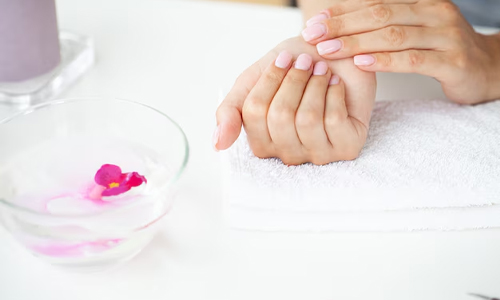
- Warm Oil Soak: Soak your fingers in warm olive oil or coconut oil for about 10-15 minutes to deeply moisturize and nourish the cuticles.
- Aloe Vera: Apply fresh aloe vera gel to your cuticles to soothe and heal them. Leave it on for 15-20 minutes before rinsing off.
6. Avoid Picking or Biting
- Stop Nail Biting: If you have a habit of biting your nails or picking at your cuticles, make a conscious effort to stop, as this can cause further damage.
7. Use Healing Ingredients
- Honey: Apply raw honey to your cuticles and leave it on for about 30 minutes before rinsing off. Honey is a natural humectant and has antibacterial properties.
- Shea Butter: Apply a small amount of shea butter to your cuticles and massage it in. Shea butter is rich in fatty acids and vitamins, which help to moisturize and heal the skin.
8. Antibacterial Care
- Antibiotic Ointment: If your cuticles are cracked and at risk of infection, apply a thin layer of antibiotic ointment to protect and heal them.
9. Professional Care
- Manicurist: If your cuticles are severely damaged, consider visiting a professional manicurist who can provide specialized care and advice.
- Dermatologist: For persistent issues, consult a dermatologist to rule out underlying conditions such as eczema or fungal infections.
10 Home Remedies for Peeling Cuticles
1. Olive Oil

Olive oil has been used a great deal in the past in the Mediterranean regions as a remedy for various ailments. Olive oil is packed with vitamins A and E, which are essential for skin health. It has moisturizing properties that help to soften and repair the cuticles.
How to use: Warm a tablespoon of olive oil in the microwave for a few seconds. Massage the warm oil into your cuticles and nails for about 5-10 minutes. For best results, do this daily before bedtime and wear cotton gloves overnight to allow the oil to deeply penetrate.
2. Coconut Oil
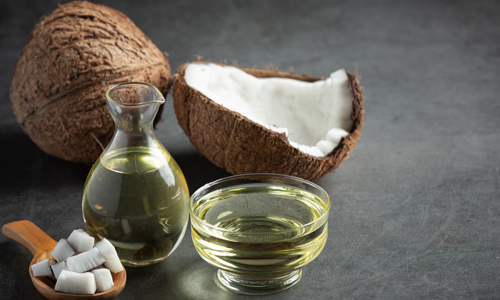
Coconut oil is one of the essential oils for skin and Health. It is famous for its healing properties as it has natural emollients and antibacterial and anti-inflammatory properties. It helps to moisturize the cuticles and protect them from infections.
How to use: Take a small amount of coconut oil and rub it between your fingers to warm it up. Apply it generously to your cuticles and nails, massaging it in circular motions. Repeat this process 2-3 times a day, especially after washing your hands.
3. Aloe Vera
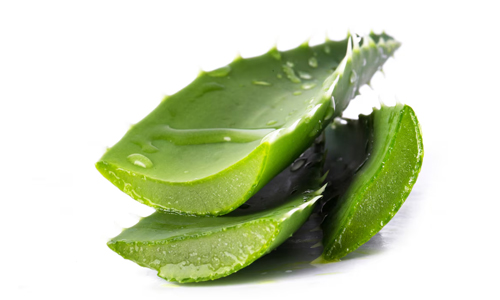
Aloe vera has soothing and healing properties due to its rich content of vitamins, enzymes, and amino acids. It helps to reduce inflammation and keep your Skin Supple and moist even in winter.
How to use: Extract fresh aloe vera gel from the leaf and apply it directly to your cuticles. Leave it on for 15-20 minutes before rinsing with lukewarm water. Repeat this treatment twice daily.
4. Honey
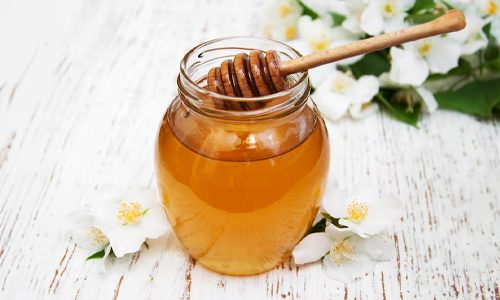
Honey is truly a gift of god. It not only is great to eat but also has healing properties as it has natural humectant, meaning it attracts and retains moisture. It also has antibacterial properties that not only help soothing and moisturize the area but it will also prevent any infection from arising.
How to use: Apply a thin layer of raw honey to your cuticles and leave it on for about 30 minutes. Rinse off with warm water and gently pat dry. Do this once a day to keep your cuticles well-hydrated.
5. Vitamin E Oil
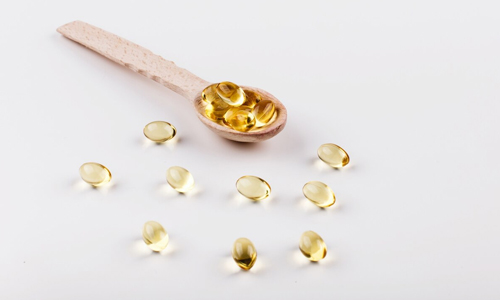
Vitamin E is a powerful antioxidant that helps to repair damaged skin cells and promotes new cell growth. It is highly moisturizing and can heal cracked and peeling cuticles.
How to use: Puncture a vitamin E capsule and squeeze out the oil. Massage the oil into your cuticles and nails before bedtime. For added benefits, mix it with a few drops of olive or coconut oil. Use this remedy daily.
Related: Vitamin E oil – All you need to know
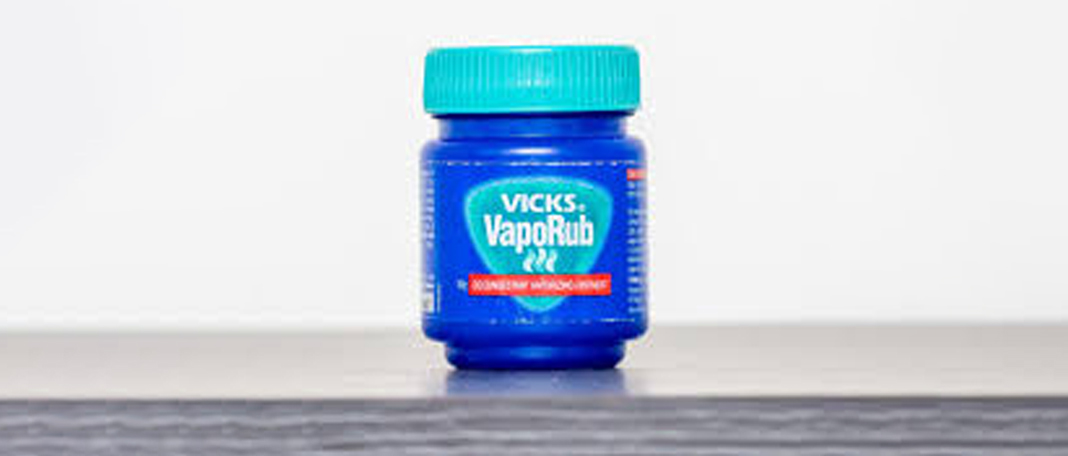
6. Petroleum Jelly
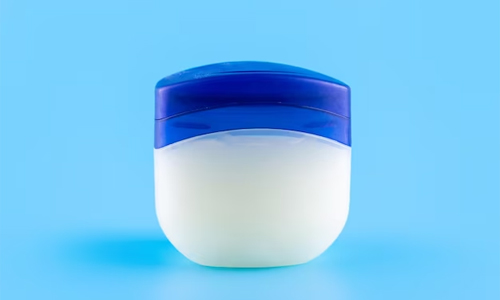
Petroleum jelly creates a protective barrier on the skin that locks in moisture and prevents further drying. It helps to heal and protect the cuticles from environmental damage.
How to use: Apply a generous amount of petroleum jelly to your cuticles before going to bed. Cover your hands with cotton gloves to prevent the jelly from rubbing off and to enhance absorption. Repeat this nightly.
Related: 10 Amazing Uses of Petroleum Jelly
7. Epsom Salt Soak
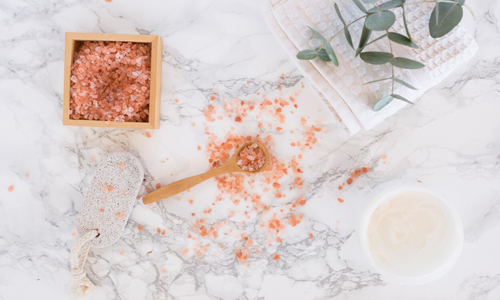
Epsom salt helps to soften the skin and exfoliate dead cells. It also has anti-inflammatory properties that can reduce swelling and soothe irritated cuticles.
How to use: Dissolve a tablespoon of Epsom salt in a bowl of warm water. Soak your hands in the solution for 10-15 minutes. After soaking, gently pat your hands dry and apply a moisturizer. Do this 2-3 times a week.
8. Lemon Juice and Honey Mixture

As everyone knows the health benefits of lemon are surplus as it is rich in vitamin C and acts as a natural exfoliant to remove dead skin cells. Honey adds moisture and helps to repair and protect the skin.
How to use: Mix equal parts lemon juice and honey (about one teaspoon each). Apply the mixture to your cuticles and leave it on for 10-15 minutes. Rinse off with warm water and moisturize your cuticles afterward. Use this remedy twice a week.
9. Shea Butter
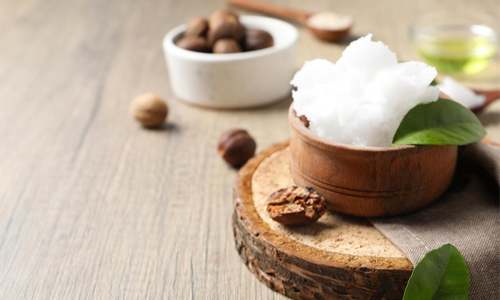
Shea butter is rich in fatty acids and vitamins A and E, which help to deeply moisturize and nourish the skin. It also has anti-inflammatory properties that can reduce irritation.
How to use: Apply a small amount of shea butter to your cuticles and massage it in until fully absorbed. For best results, use unrefined shea butter. Repeat this treatment daily, especially before bedtime.
10. Hydrating Hand Cream
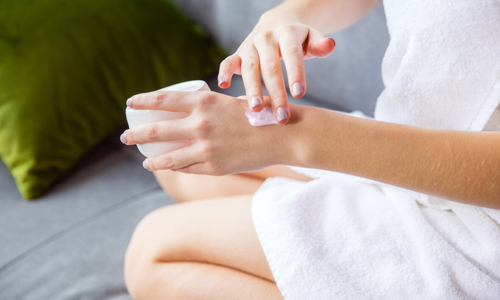
Hydrating hand creams often contain ingredients like glycerin, shea butter, and urea, which are excellent for retaining moisture and healing dry skin.
How to use: Apply a generous amount of hand cream to your hands and cuticles several times a day, particularly after washing your hands. Look for creams that are fragrance-free and designed for sensitive skin.
Preventive Measures
- Use hand creams and cuticle oils to keep your cuticles hydrated.
- Protect your hands from harsh chemicals and cold weather by wearing gloves.
- Ensure you have a balanced diet rich in vitamins and minerals.
- Limit the use of soap and hand sanitizers, and opt for gentle, moisturizing formulas.
- Push back your cuticles gently and avoid cutting them.
FAQs About Peeling Cuticles
1. What vitamin deficiency causes peeling cuticles?
Peeling cuticles are often linked to deficiencies in Vitamin B7 (Biotin), Vitamin E, or Vitamin C. These nutrients support skin health, and lacking them can make your cuticles dry, brittle, and more prone to peeling.
2. Why are my cuticles peeling and bleeding?
This could be due to dryness, frequent hand washing, harsh soaps, or over-picking. If your cuticles are bleeding, they may be cracked or infected. It’s best to moisturize regularly and avoid pulling at the skin.
3. Is cuticle peeling painful?
Yes, it can be. Especially when the skin tears too deep or becomes inflamed. Using a cuticle oil or thick hand cream can reduce pain and speed up healing.
4. What to do if cuticles peel after a manicure?
If your cuticles peel post-manicure, it may be from over-trimming or chemical exposure. Soothe the area with aloe vera gel or vitamin E oil and avoid further manicures until the skin heals.
5. What is a quick remedy for peeling cuticles?
Apply coconut oil or petroleum jelly to the cuticles and wear gloves overnight. It hydrates the skin and helps repair quickly.
6. What causes dry and peeling cuticles?
Common causes include frequent handwashing, cold weather, dehydration, and using alcohol-based sanitizers. Even stress or nutrient deficiencies can worsen the condition.
7. How to fix peeling cuticles immediately?
Use a hydrating cuticle balm or oil, avoid picking at the skin, and keep your hands protected with gloves during chores. Staying hydrated and eating skin-friendly foods also helps.
8. How long do cuticles take to heal?
With proper care, mildly peeling cuticles heal within 3–7 days. More severe damage might take a couple of weeks. Consistency in moisturizing is key.
9. Is removing cuticles bad?
Yes, cuticles protect your nail bed from infections. Trimming them too much or pushing them back aggressively can damage the skin and make it easier for bacteria to enter.
10. What should I do when my cuticles start peeling?
Start by moisturizing often, avoid harsh chemicals, and don’t bite or pull at the peeling skin. If it’s persistent, a dermatologist can rule out any underlying condition.
11. Is the cuticle just dead skin?
Yes, the cuticle is made up of dead skin cells, but it serves an important role in protecting new nails as they grow from the nail root.
If peeling cuticles persist despite these measures, it may be a good idea to consult a dermatologist to rule out any underlying health issues or skin conditions.