
Mullein leaf, known for its towering stalks and vibrant yellow flowers, has been used for centuries for its impressive health benefits. From ancient herbal remedies to modern wellness trends, it has remained a trusted friend to those seeking natural healing. Let's dive into the wonders of this remarkable plant and explore how you can incorporate it into your wellness routine.
What is Mullein Leaf?
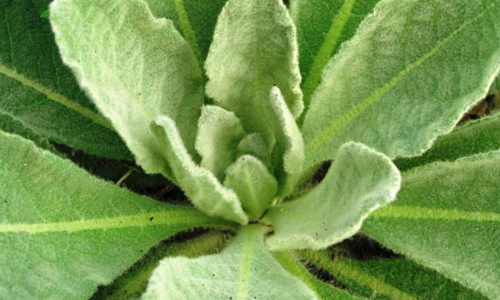
Scientifically known as Verbascum thapsus, It is a biennial plant that thrives in temperate climates. It has large, velvety leaves and a tall flowering stalk that can reach up to six feet in height. Traditionally, it has been used in herbal medicine for its soothing and healing properties.
Where Can We Get Mullein Leaf?
You can find mullein leaves growing wild in fields, roadsides, and open meadows across North America. For those who prefer a more convenient option, dried mullein leaf is readily available at health food stores, herbal shops, and online retailers.
Benefits of Mullein Leaf
Mullein leaf has been celebrated for centuries for its wide array of health benefits. Whether used in traditional medicine or modern herbal practices, it offers natural remedies that can improve overall health and well-being. Here are the specific benefits of this remarkable plant.
1. Respiratory Health

One of the most well-known benefits of mullein leaf is its ability to support respiratory health. The leaf contains compounds that act as expectorants, helping to expel mucus from the lungs and airways. This makes it particularly useful for conditions such as:
- Bronchitis: It can help clear bronchial congestion, reduce inflammation, and soothe irritated tissues.
- Asthma: Its anti-inflammatory properties can help reduce the frequency and severity of asthma attacks.
- Coughs and Colds: It can ease the symptoms of common colds, soothing sore throats and reducing coughs.
2. Anti-inflammatory Properties

This leaf contains saponins and other compounds that exhibit strong anti-inflammatory effects. These properties make it beneficial for:
- Arthritis and Joint Pain: Regular use of these leaves can help reduce inflammation in the joints, alleviating pain and improving mobility.
- Inflammatory Skin Conditions: Topical applications of mullein leaf can soothe conditions such as eczema, psoriasis, and dermatitis.
3. Antibacterial and Antiviral

This leaf has been shown to possess natural antibacterial and antiviral properties, which can help the body combat infections. It’s particularly useful for:
- Bacterial Infections: It can help fight off bacterial infections in the respiratory tract and skin.
- Viral Infections: Its antiviral properties can aid in reducing the severity and duration of viral illnesses, including the flu and herpes simplex virus.
4. Pain Relief

The analgesic properties of mullein leaf make it an effective natural remedy for pain relief. It can be used to:
- Soothe Skin Irritations: Apply mullein oil or salve to burns, cuts, and scrapes to reduce pain and promote healing.
- Alleviate Earaches: A few drops of warm mullein oil in the ear can help reduce pain and inflammation associated with ear infections.
5. Digestive Health

It can also benefit the digestive system. It helps to:
- Relieve Stomach Cramps: Its anti-inflammatory and soothing properties can ease gastrointestinal discomfort and cramping.
- Support Gut Health: Mullein leaves tea can promote healthy digestion and may help in treating conditions such as diarrhea and constipation.
6. Sleep Aid

It has mild sedative properties that can help improve sleep quality. Drinking a cup of mullein tea before bedtime can promote relaxation and help with insomnia.
7. Immune Support

Regular use of herbal mullein can help boost the immune system. Its combination of antibacterial, antiviral, and anti-inflammatory properties strengthens the body’s natural defenses, helping to ward off illnesses and infections.
How to Incorporate Mullein Leaf into Your Routine?
To enjoy the benefits of mullein leaf, consider the following methods of use:
- Mullein Leaf Tea
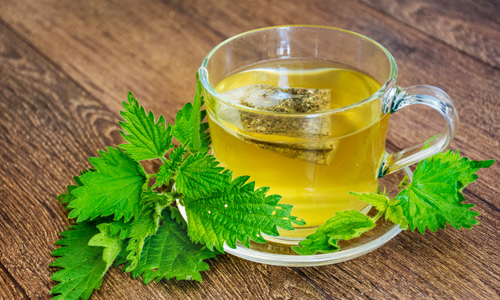
Steep 1-2 teaspoons of dried leaf in hot water for 10-15 minutes. Strain and drink to support respiratory and digestive health.
2. Mullein Tincture
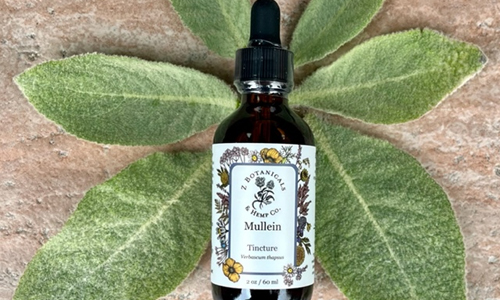
Mullein leaf tinctures are concentrated extracts that can be added to water or juice. However, it is better to use as directed by the manufacturer to take advantage of its concentrated benefits.
3. Topical Application
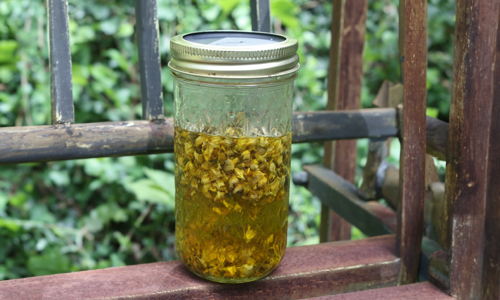
Infuse the leaf in oil to create a soothing salve for skin issues or earaches.
4. Steam Inhalation

Inhale the steam from the mullein leaf to relieve respiratory congestion.
Potential Risks of Mullein Leaf
While it is generally safe for most people, it's important to be aware of potential risks:
- Allergic Reactions: Some individuals may experience skin irritation or allergic reactions when using them topically.
- Pregnancy and Breastfeeding: It's advisable to consult a healthcare provider before using mullein leaf if you are pregnant or breastfeeding.
- Drug Interactions: It may interact with certain medications, so consult your doctor if you are on prescription drugs.
Interesting Facts About Mullein Leaf
- Ancient Uses: Mullein leaf has been used for over 2,000 years, with references in ancient Roman and Greek texts describing its medicinal properties.
- Natural Torch: Historically, mullein leaves were dipped in fat or wax and used as natural torches because of their thick, woolly texture.
- Nicknames: Mullein is also known by several other names, including "Velvet Plant," "Beggar's Blanket," and "Hedge Taper."
- Native American Remedies: Native Americans used mullein leaf extensively for its healing properties, particularly to treat respiratory ailments and skin conditions.
- Soothing Smoke: Some cultures have smoked dried mullein leaves to relieve respiratory issues, making use of its soothing effects on the lungs.
- Fairy Tale Legend: In European folklore, mullein was believed to ward off evil spirits and witches, and it was often hung in homes for protection.
- Soft Leaves: The large, velvety leaves of the mullein plant were sometimes used as makeshift bandages for wounds and sores due to their soft texture.
- Versatile Growth: Mullein is a hardy plant that can thrive in a variety of environments, from sunny meadows to rocky hillsides and even disturbed soils.
- Invasive Potential: While beneficial, mullein can be invasive in some regions, spreading rapidly and outcompeting native plants if not controlled.
- Pollinator Friendly: Mullein flowers are a favorite among bees and other pollinators, making them a valuable plant for maintaining biodiversity in garden ecosystems.
Conclusion
It is a powerful ally in natural health, offering a range of benefits from respiratory support to anti-inflammatory effects. By understanding how to use mullein leaf safely and effectively, you can tap into its healing potential and enhance your overall wellness. Whether you're new to herbal remedies or a seasoned enthusiast, it is a fantastic addition to your health toolkit.