
Ever caught yourself staring at your reflection, wondering when your teeth lost their sparkle? You’re not alone. Whether it’s years of sipping coffee, enjoying your favorite pasta sauce, or just the natural aging process, tooth discoloration happens to the best of us. But here’s the good news—you don’t need expensive treatments, or harsh chemicals to naturally whiten discolored teeth. There are plenty of natural ways to brighten your smile, and today, we’re diving into the why, the how, and the best ways to prevent your teeth from turning yellow in the first place.
Let’s break it down, step by step, and get you closer to that bright, confident smile.
What Is Discolored Teeth?
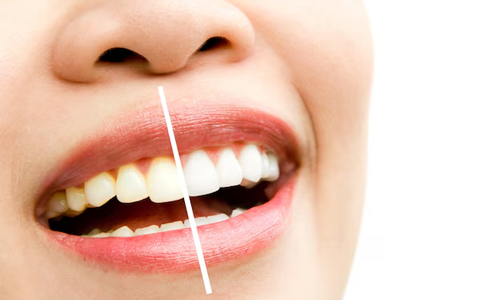
Tooth discoloration isn’t just about stains; it’s a deeper issue that can have multiple causes. Before we jump into whitening solutions, let’s first understand the different types of discoloration:
1. Extrinsic Stains (Surface Stains)
These are the most common stains caused by food, drinks, and lifestyle choices. Coffee, tea, red wine, smoking, and even dark-colored berries can contribute to these stains. They affect the enamel (the outer layer of the tooth), making teeth look dull or yellow.
2. Intrinsic Stains (Deep Stains)
These stains occur inside the tooth and are usually harder to remove. They can result from medication, excessive fluoride exposure, trauma, or even genetics. Unlike extrinsic stains, which can be managed with regular cleaning, intrinsic stains often require a longer-term approach.
3. Age-Related Discoloration
As we get older, our enamel naturally wears down, exposing more of the dentin underneath. Dentin is naturally yellowish, so even if you have perfect oral hygiene, your teeth may start looking darker over time.
Now that you know why teeth lose their shine, let’s explore how to bring it back.
How to Naturally Whiten Your Teeth?
If you’ve ever searched for teeth whitening solutions, you’ve probably come across countless products promising overnight results. The reality? True whitening takes time and consistency. Here are some tried-and-true natural methods to help you brighten your smile:
1. Baking Soda and Hydrogen Peroxide Paste
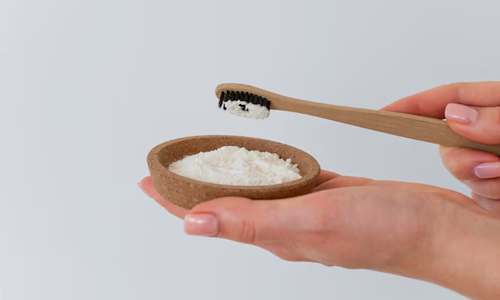
Baking soda is a mild abrasive that helps remove surface stains, while hydrogen peroxide acts as a natural bleaching agent.
How to Use It?
- Mix one teaspoon of baking soda with two teaspoons of hydrogen peroxide to form a paste.
- Brush gently for one minute, then rinse thoroughly.
- Use this remedy 2-3 times a week to avoid damaging enamel.
2. Oil Pulling with Coconut Oil

Oil pulling has been around for centuries and is believed to reduce bacteria, and plaque buildup that contribute to yellow teeth.
How to Do It?
- Take a tablespoon of coconut oil and swish it in your mouth for 15-20 minutes.
- Spit it out (don’t swallow it!) and rinse your mouth with warm water.
- Follow with regular brushing.
3. Apple Cider Vinegar Rinse
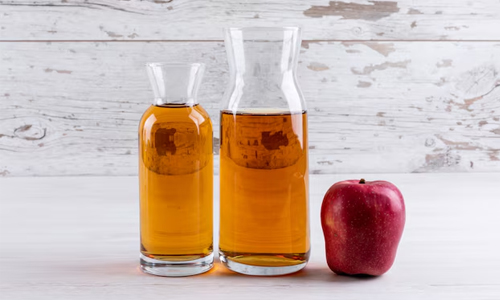
Apple cider vinegar contains acetic acid, which has natural bleaching properties. However, because it’s acidic, it should be used sparingly.
How to Use It?
- Dilute one teaspoon of apple cider vinegar with a cup of water.
- Swish it in your mouth for about 30 seconds, then rinse thoroughly with water.
- Limit usage to 1-2 times a week to prevent enamel erosion.
4. Eating Crunchy Fruits and Vegetables

Certain fruits and veggies act like natural toothbrushes, helping remove surface stains while promoting saliva production.
Best Options
- Apples
- Carrots
- Celery
- Strawberries (contain malic acid, which naturally whitens teeth)
5. Activated Charcoal Powder
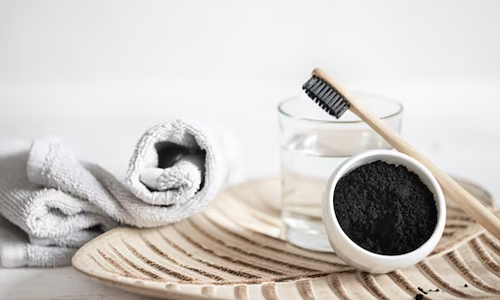
Activated charcoal binds to toxins and stains, helping to lift discoloration from teeth.
How to Use It?
- Dip your toothbrush in activated charcoal powder and brush gently.
- Rinse well and follow with normal brushing.
- Use it once or twice a week to avoid excessive abrasion.
Why Do Teeth Turn Yellow?
Tooth discoloration doesn’t happen overnight—it’s usually the result of gradual staining and enamel erosion. Some of the biggest culprits are given below.
- Diet Choices – Coffee, tea, red wine, sodas, and dark sauces contribute to staining.
- Smoking & Tobacco Use – Nicotine and tar cause deep, long-lasting stains.
- Poor Oral Hygiene – Skipping flossing or brushing lets plaque accumulate, making teeth look dull.
- Aging – As enamel wears down, the naturally yellow dentin becomes more visible.
- Medications & Fluoride Overexposure – Some antibiotics and excess fluoride can cause deep stains.
Best Practices to Prevent Discoloration

Prevention is key to maintaining a bright smile. Here’s how you can keep those stains at bay!
- Brush and Floss Daily – Brushing twice a day and flossing once a day prevents plaque buildup.
- Use a Straw for Dark Beverages – This helps limit direct contact between staining liquids and your teeth.
- Rinse After Eating or Drinking Staining Foods – Swishing with water after meals can reduce staining.
- Schedule Regular Dental Cleanings – Professional cleanings remove stubborn plaque and surface stains.
- Quit Smoking – This one speaks for itself.
Can Chewing Gum Help Whiten Teeth?
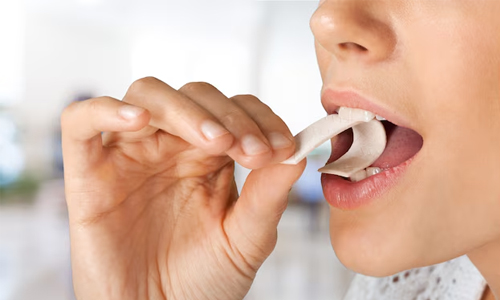
The idea of chewing gum as a teeth-whitening hack sounds too good to be true, right? Surprisingly, some sugar-free chewing gums can actually help maintain a brighter smile—but don’t expect them to replace your toothbrush anytime soon.
How Chewing Gum Can Help Whiten Teeth?
Stimulates Saliva Production
- Saliva is the mouth’s natural cleaning agent. It helps wash away food particles and neutralize acids that can lead to stains and decay.
- Chewing gum increases saliva flow, which helps keep your teeth clean throughout the day.
Prevents Staining from Food and Drinks
- If you’re drinking coffee, tea, or red wine, chewing sugar-free gum afterward can help minimize staining by reducing leftover residue on your teeth.
Contains Whitening Agents
- Some chewing gums contain mild abrasives or active ingredients like baking soda that help remove surface stains over time.
- Xylitol, a common ingredient in sugar-free gum, helps prevent plaque buildup, which contributes to a whiter smile.
Reduces Acid Erosion
- Acidic foods and drinks weaken enamel, making teeth more prone to staining. Chewing gum after meals neutralizes acid levels in your mouth, helping to protect your teeth.
Whitening your teeth naturally isn’t about magic tricks or instant results—it’s about small, sustainable changes that help you maintain a brighter, healthier smile over time. By choosing the right foods, maintaining good oral hygiene, and using natural remedies in moderation, you can achieve noticeable improvements without resorting to harsh chemicals.
At the end of the day, a white smile is great, but a healthy smile is even better. Keep up with your oral care routine, and have a wide smile.
Teeth Whitening Riddles: Can You Solve Them?
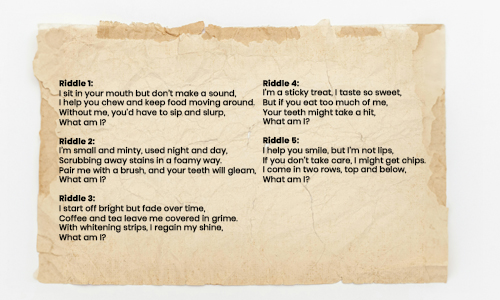
Think you know everything about keeping your teeth white and bright? Put your knowledge to the test with these fun riddles!