

Baking doesn't have to mean compromising your health goals. Whether you're managing dietary restrictions, looking to boost nutrition, or simply want to create more wholesome treats, the right ingredient swaps can transform any recipe into a healthier version without sacrificing taste or texture.
This comprehensive guide will walk you through every healthy baking substitution you need to know, from basic flour swaps to creative alternatives for eggs, sugar, and even food coloring. You'll discover how to make informed choices that align with your health goals while still enjoying the baked goods you love.
Why Choose Healthy Baking Substitutions?
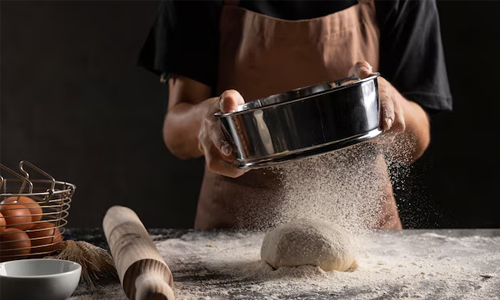
Modern baking has evolved beyond traditional ingredients. Research shows that traditional ingredients providing carbohydrates, proteins, and fats may be successfully replaced by other, healthier substances, without nutritional quality loss. These substitutions offer several benefits:
- Enhanced Nutrition: Add vitamins, minerals, fiber, and antioxidants to your baked goods
- Reduced Calories: Lower the caloric density without compromising satisfaction
- Better Blood Sugar Management: Choose ingredients that have a gentler impact on blood glucose
- Allergen-Friendly Options: Accommodate various dietary restrictions and sensitivities
- Improved Digestibility: Incorporate easier-to-digest alternatives
Essential Flour Alternatives
Whole Grain Options
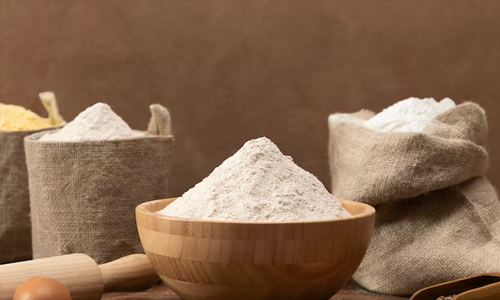
Whole Wheat Flour
The simplest swap is replacing white flour with whole wheat flour. Start by replacing half of the white flour in a recipe with 100% whole wheat flour, as white flour is overly refined and stripped of nutrients. Whole wheat flour adds fiber, B vitamins, and minerals while providing a slightly nutty flavor.
Oat Flour
Made by grinding rolled oats, this gluten-free option adds beta-glucan fiber, which supports heart health. It works excellently in muffins, pancakes, and cookies, providing a mild, sweet taste.
Almond Flour
Rich in protein, healthy fats, and vitamin E, almond flour is perfect for low-carb and gluten-free baking. It creates moist, dense textures ideal for cakes and quick breads.
Specialty Flours
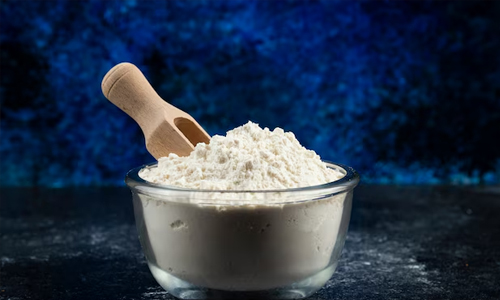
Coconut Flour
Highly absorbent and naturally sweet, coconut flour is packed with fiber. Use about 1/4 the amount of coconut flour as you would regular flour, and increase liquid ingredients accordingly.
Buckwheat Flour
Despite its name, buckwheat is gluten-free and rich in protein and minerals. It has an earthy flavor that works well in pancakes and rustic breads.
Chickpea Flour
Also known as besan, this protein-rich flour adds a subtle nutty flavor and works well in savory baked goods or as a binding agent.
Smart Sugar Substitutions
Natural Sweeteners
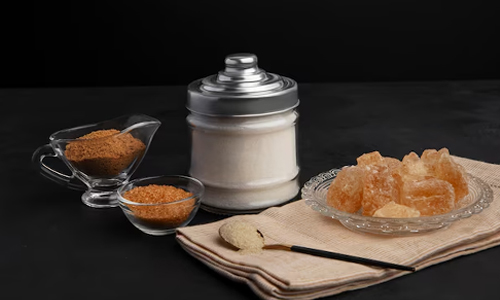
Replace nutrition-less white sugar with 100% pure maple syrup to boost the health factor of your baked treats. Maple syrup provides added minerals and has a less dramatic effect on blood sugar when compared to regular, more refined sugars.
Date Paste
Blend soaked dates with water to create a caramel-like sweetener rich in fiber, potassium, and antioxidants. It works beautifully in brownies and dense cakes.
Applesauce
Unsweetened applesauce is an excellent choice for replacing oil and butter in recipes like quick breads, gingerbread and muffins. You can replace 50% of the fat in recipes without a noticeable difference in taste and texture.
Mashed Bananas
Overripe bananas add natural sweetness, moisture, and potassium. They work particularly well in muffins and quick breads.
Low-Calorie Options
Stevia
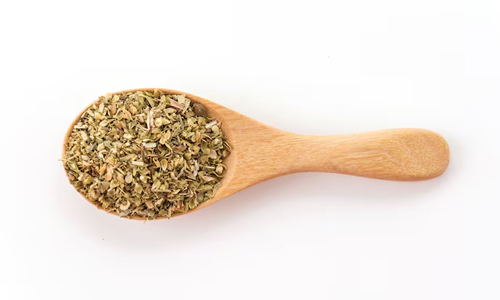
A natural, zero-calorie sweetener that's much sweeter than sugar. Use sparingly and combine with other ingredients to maintain texture.
Monk Fruit Sweetener
Another zero-calorie option that measures cup-for-cup like sugar in many blends, making it easy to substitute.
Erythritol
A sugar alcohol that provides sweetness with minimal calories and doesn't spike blood sugar levels.
Healthy Fat Replacements
Plant-Based Options
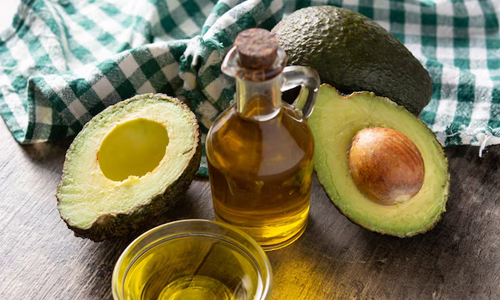
Avocado
Mashed ripe avocado can replace butter in many recipes, adding healthy monounsaturated fats and a creamy texture. It works especially well in chocolate baked goods where the mild flavor is masked.
Greek Yogurt
Plain, unsweetened Greek yogurt adds protein and probiotics while reducing fat content. It creates moist, tender baked goods.
Nut Butters
Natural almond, peanut, or cashew butter can replace some of the fat in recipes while adding protein and healthy fats.
Fruit Purees
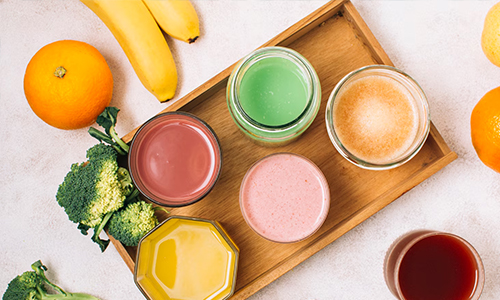
Pumpkin Puree
Rich in beta-carotene and fiber, pumpkin puree works well in spiced baked goods and adds natural moisture.
Sweet Potato Puree
Similar to pumpkin, sweet potato puree adds vitamins A and C while providing natural sweetness and beautiful color.
Egg Alternatives for Every Need
Vegan Options
Flax Seeds
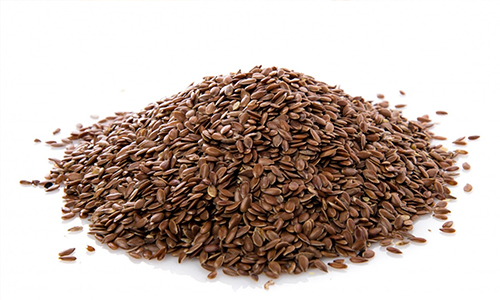
Mix 1 tablespoon ground flaxseed with 3 tablespoons water per egg. This adds omega-3 fatty acids and fiber while providing binding properties.
Chia Seeds
Chia seeds create a gel-like consistency that works well as an egg replacement and adds protein and fiber.
Aquafaba
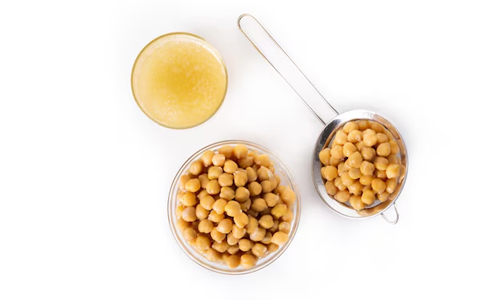
The liquid from canned chickpeas can be whipped like egg whites, making it perfect for meringues and light, airy baked goods.
Natural Food Coloring Alternatives
Skip artificial dyes and embrace natural color options that add both beauty and nutrition to your baked goods.
Red and Pink Colors
Beet juice, pomegranate juice, crushed strawberries, raspberries, or hibiscus powder work well for red or pink coloring. For the most vibrant color, beet powder is your best bet and works exceptionally well in cake batter and dense baked goods.
Orange Hues
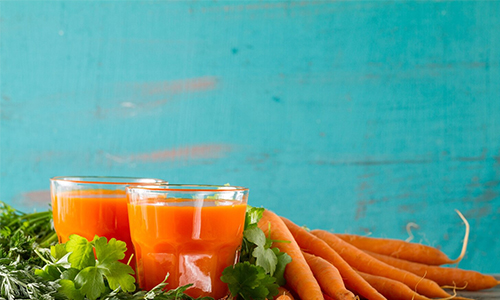
Carrot juice, paprika, or pumpkin puree create beautiful orange tones while adding nutrients like beta-carotene.
Green Coloring
Spirulina powder is a natural food coloring derived from blue-green algae. Packed with essential nutrients like protein, vitamins, and minerals, it provides appealing shades of green and blue. Matcha powder and spinach puree are also excellent options.
Yellow Colors
Turmeric powder creates vibrant yellow hues and adds anti-inflammatory compounds. Saffron provides a more delicate yellow color with a unique flavor.
Blue and Purple
Butterfly pea flower tea creates stunning blue colors, while purple cabbage juice or blueberry powder provides beautiful purple tones.
Sodium Reduction Strategies
Flavor Enhancers
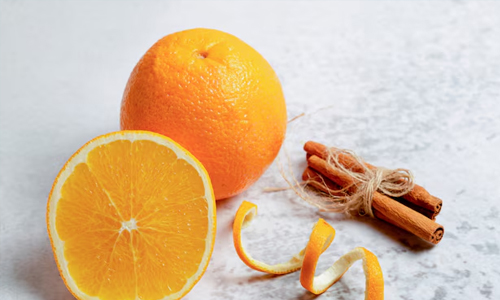
- Herbs and Spices: Increase flavor without added sodium using basil, oregano, cinnamon, or vanilla
- Citrus Zest: Lemon, lime, or orange zest adds bright flavors that enhance taste perception
- Vinegar: Small amounts of apple cider or balsamic vinegar can enhance flavors in sweet baked goods
Salt Alternatives
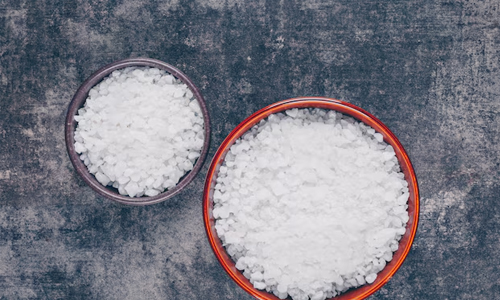
- Potassium Chloride: Available in salt substitutes, though use sparingly as it can have a metallic taste
- Herb Salts: Blend herbs with a small amount of sea salt for maximum flavor impact
- Nutritional Yeast: Adds a savory, slightly cheesy flavor to baked goods
Pro Tips for Successful Substitutions
Try one substitution at a time per recipe, and perhaps only substitute half of the original ingredient initially, to see what works for your particular taste and texture preferences.
Understand Ingredient Functions
Each ingredient serves a purpose in baking:
- Flour: Provides structure
- Sugar: Adds sweetness, moisture, and helps with browning
- Fat: Creates tenderness and moisture
- Eggs: Bind ingredients and add structure
- Leavening: Creates lift and texture
Adjust Liquid Ratios
When using fruit purees or other moist substitutes, you may need to reduce other liquid ingredients to maintain proper texture.
Test and Adjust
Keep notes on your substitutions so you can refine your recipes over time. What works in one recipe might need adjustment in another.
Recipe Conversion Guidelines
For Muffins and Quick Breads

These are the most forgiving for substitutions. You can typically replace up to 50% of the flour with alternatives and substitute fats with fruit purees successfully.
For Cookies

Structure is important, so start with smaller substitution ratios. Nut flours work particularly well in cookie recipes.
For Cakes
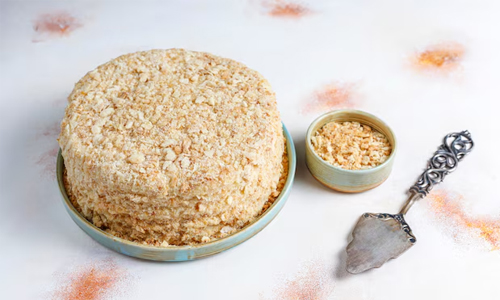
Layer cakes need more structure, so be conservative with substitutions. Focus on replacing fats with healthier options while maintaining flour ratios.
For Yeast Breads
These require more precision. Start with small percentages of alternative flours and maintain proper hydration levels.
Troubleshooting Common Issues
Dense, Heavy Texture
- Reduce the amount of alternative flour
- Add an extra leavening agent
- Increase liquid ingredients
Too Sweet or Not Sweet Enough
- Adjust natural sweeteners gradually
- Consider combining different sweeteners for complexity
- Add complementary flavors like vanilla or spices
Crumbly Texture
- Add more binding ingredients (eggs or egg substitutes)
- Increase moisture with fruit purees
- Ensure proper mixing technique
Frequently Asked Questions
What are the best healthy baking ideas for beginners?
Start with simple swaps like replacing half the white flour with whole wheat flour, using applesauce to replace some of the oil, and incorporating natural sweeteners like mashed bananas. Focus on muffins and quick breads initially, as they're more forgiving than delicate cakes or pastries.
How do I adapt my favorite healthy baking recipes for dietary restrictions?
Begin by identifying the problematic ingredients, then choose appropriate substitutes based on the restriction. For gluten-free baking, use a blend of alternative flours. For dairy-free recipes, replace milk with plant-based alternatives and butter with coconut oil or applesauce. For egg-free baking, flax eggs or aquafaba work well in most recipes.
What makes baked goods the healthiest desserts?
The healthiest desserts incorporate nutrient-dense ingredients like whole grain flours, natural sweeteners, healthy fats from nuts or avocado, and additions like fruits, vegetables, or superfoods. Focus on recipes that provide fiber, protein, vitamins, and minerals while satisfying your sweet tooth.
Are there healthy meal substitutes I can bake?
Absolutely! Consider baking protein-rich muffins with Greek yogurt and nuts for breakfast, vegetable-packed savory breads as side dishes, or energy balls made with dates and nuts as meal replacement snacks. Sweet potato or zucchini-based baked goods can serve as nutritious meal components.
What are the most effective baking replacements for traditional ingredients?
The most versatile substitutions include using applesauce or mashed banana for oil, Greek yogurt for butter, whole wheat flour for white flour, and natural sweeteners like maple syrup for refined sugar. These swaps work across many recipe types and provide significant nutritional benefits.
How can I make recipe swaps without compromising taste?
Start with partial substitutions and gradually increase the healthier ingredient ratios as your palate adjusts. Enhance flavors with spices, extracts, and citrus zest. Choose substitutes that complement your recipe's existing flavors rather than competing with them.
What are healthy dessert swaps that kids will actually eat?
Focus on naturally sweet substitutions like mashed bananas, unsweetened applesauce, and dates. Add fun natural colors using beet powder or spinach (in chocolate recipes where it's hidden). Include familiar flavors like vanilla and cinnamon, and maintain textures kids expect.
What are healthy salt and sodium substitutions in baking?
Reduce sodium by using herbs, spices, citrus zest, and vanilla extract to enhance flavors. When salt is necessary for structure (like in yeast breads), use sea salt or Himalayan pink salt in smaller quantities. Nutritional yeast can add savory depth to certain baked goods without added sodium.
How do I create healthy color substitutions for every color?
Natural coloring options include:
- Red/Pink - beet powder, strawberry powder
- Orange - carrot juice, pumpkin puree
- Yellow - turmeric, saffron
- Green - spinach powder, matcha
- Blue - butterfly pea flower, spirulina
- Purple - purple cabbage juice, blueberry powder
- Brown - cocoa powder, coffee.
These options add nutrients along with beautiful colors.
What are the best vegan substitutes for baking?
Essential vegan swaps include: flax or chia eggs instead of regular eggs, plant-based milks (oat, almond, soy) for dairy milk, coconut oil or vegan butter for regular butter, and aquafaba for egg whites in meringues. For sweeteners, maple syrup is readily available and lends its earthy, spicy sweetness, while agave syrup, brown rice syrup, and corn syrup are relatively neutral-tasting.
How do I know which healthy substitutes work best for different types of baked goods?
Match substitutes to your recipe type: Muffins and quick breads are most forgiving and work with most substitutions; Cookies benefit from nut flours and natural sweeteners; Cakes require careful attention to structure, so start with smaller substitution ratios; Yeast breads need precision, so substitute gradually; Pastries are most delicate and require the most careful substitution approach.
Can I make multiple substitutions in one recipe?
Yes, but proceed carefully. Make one substitution at a time when testing a recipe, then gradually combine successful swaps. When making multiple changes, maintain the recipe's fundamental structure by keeping similar ratios of wet to dry ingredients and ensuring adequate binding and leavening agents.
Healthy baking substitutions open up a world of possibilities for creating nutritious, delicious baked goods that align with your health goals and dietary needs. The key to success lies in understanding how each ingredient functions in your recipes and making thoughtful swaps that maintain both flavor and texture.
Remember that baking is both an art and a science. Start with small changes, keep detailed notes of what works, and don't be afraid to experiment. With time and practice, these healthy alternatives will become second nature, allowing you to enjoy your favorite baked treats while nourishing your body with wholesome, nutrient-dense ingredients.
Whether you're looking to reduce sugar, increase fiber, accommodate allergies, or simply add more nutrition to your family's favorite recipes, the substitutions outlined in this guide provide a comprehensive foundation for healthier baking. Your taste buds—and your body—will thank you for making these positive changes to your baking routine.