
We are sure you are familiar with caffeine, which is found in coffee. Caffeine stimulates the heart, muscles, and nervous system. People usually drink coffee when they are tired or feel sleepy. Lots of people have coffee in the morning, and some even have the habit of drinking several cups of coffee daily. But have you heard of guarana? In this blog, let’s see what guarana is (in detail) and also know the differences between caffeine and guarana. So, let’s discuss guarana vs. caffeine.
If you wish to know more about the advantages of drinking coffee, here are some health benefits of coffee you may not know.
Properties of Caffeine
Understanding or refreshing your memory with the characteristic features of caffeine will help you comprehend the differences between guarana and caffeine easily. Caffeine boosts energy and might sometimes relieve tension headaches. People with migraine take caffeine orally along with pain relievers, such as aspirin.
Caffeine also enhances mental alertness. However, it might not be as effective as getting a good night’s sleep. Caffeine is also known to relieve fatigue while exercising and improve short-term memory. Caffeine in coffee even elevates athletic performance and results in modest weight loss. Here’s how coffee helps weight loss.

Properties of Guarana
By understanding the properties of guarana, you can easily get to know which is better: guarana or caffeine.
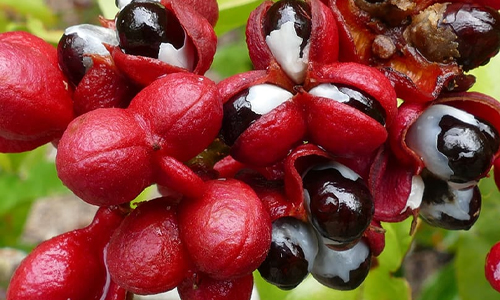
Guarana is native to the Amazon Basin and is found in abundance in Brazil. It is a component of many energy drinks. However, it can be dangerous if consumed in large quantities.
Guarana, just like coffee, contains caffeine and other chemicals, such as theobromine and theophylline.
The seeds of guarana are the size of coffee beans. Guarana contains double the concentration of caffeine that is found in coffee beans. Guarana offers many health benefits, which include boosting brain and heart health. Because of its numerous health benefits, many people consume guarana as a dietary supplement. These are the guarana benefits over regular caffeine.
Guarana also helps relieve side effects caused by cancer and cancer-related treatments. However, more research is required in this area of study. Talking about cancer, here is a food alert for cancer prevention!
If you wish to take guarana, you must do it only after consulting with your doctor/healthcare provider.

We hope you have gotten the hang of exploring the guarana and caffeine differences.
Some Side Effects of Coffee and Guarana
Guarana is associated with its side effects, such as abnormal heart rhythm and severe allergic reactions. Guarana can work against certain medicines prescribed for treating seizures. So, if a person is under medication for seizures, a doctor’s supervision and close monitoring are essential if they need to take guarana too.
You might be familiar with some side effects of coffee, which are well documented. They are dehydration, problems with sleep, anxiety, and nervousness. At times, a high intake of caffeine by drinking coffee can cause an increase in heart rate or jitteriness. Learning the side effects of guarana and caffeine will help us in the comparative analysis of guarana and caffeine.

Guarana and Caffeine In-Depth Comparison
Guarana and caffeine have some similarities. But since we are discussing their differences, let’s focus more on guarana versus caffeine distinctions.
Let’s proceed with comparing guarana and caffeine effects…
Caffeine is just one of the many stimulants available. But guarana contains caffeine and other stimulants as well. Hope you remember that guarana contains stimulants like theobromine and theophylline (as we discussed earlier), in addition to caffeine. Therefore, the stimulating effects of guarana are greater than those of caffeine alone.
The stimulating effects of guarana also last longer than those of caffeine. If you mix guarana with sugar, the impact of guarana on your body is greater than what you get from a cup of coffee with sugar.
On the whole, guarana is stronger than caffeine. So, if you plan to take guarana, you must consider its dosage. Do not consume more than what is prescribed by your doctor. That’s all you need to know about guarana and caffeine effects breakdown.
The Food and Drug Administration (FDA) has approved the seed extract and fruit powder of guarana as food additives. However, guarana can be used only for flavor, and not for non-flavor uses.
Hope you have now got an idea of the pros and cons of guarana and caffeine. But let’s not stop with that. We have a lot more to study about both!
Benefits and Drawbacks of Guarana and Caffeine
Caffeine in coffee might help prevent inflammatory conditions. During your leisure time, you can read about the anti-inflammatory diet plan.
Caffeine in coffee can also be used to treat metabolic syndrome and Type 2 diabetes. Coffee serves as a wonderful stimulant, and you can consume it when you feel too tired or sleepy at your workplace. However, the safe number of cups you can consume per day is 4.

Guarana contains some plant compounds like flavonoids. These compounds can lower the cholesterol levels in your body and also treat inflammatory conditions. However, the intake of guarana in high doses over a long period is dangerous.
Since we were discussing cholesterol levels, you can read some easy ways to lower your cholesterol.
Summary of Guarana vs. Caffeine Comparison
The table below will act as a comprehensive guide to guarana versus caffeine.
| Features | Guarana | Caffeine |
| Stimulation | More | Less |
| Intake | Not over long periods | Can be taken in moderation over long periods |
| Doctor’s Advice | Mandatory | Not required |
| Treatment | Used to lower cholesterol | Used for metabolic syndrome |
| Side Effects | 1. Allergic reactions
2. Abnormal heart rhythm |
1. Dehydration
2. Jitteriness |
Which Is Better: Guarana or Caffeine?
Caffeine is… well, just caffeine. But we now know that guarana has caffeine and other stimulants. Caffeine in moderation offers several health benefits, whereas guarana should not be consumed over a long period. You can take guarana only if your doctor says so. If you are a coffee drinker, you can continue this habit with up to 4 cups a day, but if you plan to take guarana, you must be extremely cautious about its dosage.
Doctors may suggest that you take guarana or caffeine to treat certain special conditions in your body. If you don’t have the habit of drinking coffee, it’s better to remain that way! Therefore, choosing between guarana and caffeine depends on your medical history and your current body condition.
Guarana vs. Caffeine: What You Need to Know
- Guarana vs Caffeine, which is better?
Guarana and caffeine both act as stimulants, but guarana releases caffeine more slowly due to natural compounds like tannins. Guarana may offer longer-lasting energy without the crash, while coffee provides a quicker jolt. The better option depends on your sensitivity and energy needs. - Is Red Bull made of guarana?
Red Bull contains caffeine but does not include guarana in its original formula. Some energy drinks do add guarana as an additional stimulant, but Red Bull typically uses caffeine derived from other sources. - Is 300mg of guarana a lot?
Yes, 300mg of guarana is considered a high dose—especially since guarana is highly concentrated in caffeine. That amount may equal 150-200mg of caffeine depending on the extract. Sensitive individuals should limit intake to avoid jitters, insomnia, or heart palpitations. - Is guarana good for pre-workout?
Yes. Guarana is popular in pre-workout supplements due to its ability to increase focus, energy, and endurance. Its slower-release caffeine can help maintain stamina throughout a workout without the sudden energy drop associated with coffee. - Is guarana safe to take every day?
In moderate doses, guarana is generally safe for most healthy adults. However, consistent daily use—especially in large quantities—can lead to dependency, increased heart rate, and sleep disturbances. - Does taking guarana become a habit?
Yes, just like caffeine, guarana can be habit-forming. Daily intake may cause dependence, leading to withdrawal symptoms such as headaches, fatigue, and irritability when stopped. - Who should not take guarana?
Pregnant or breastfeeding women, people with heart conditions, anxiety disorders, high blood pressure, or sensitivity to stimulants should avoid guarana. Always consult your doctor before use. - What does it do to the brain?
Guarana increases alertness, improves focus, and may enhance short-term memory by stimulating the central nervous system. However, excessive use may cause anxiety or restlessness. - Is guarana safe for the liver?
There is no direct evidence linking guarana to liver damage in healthy individuals. However, excessive caffeine consumption (from any source) can potentially strain the liver. Always follow dosage guidelines. - Is it a superfood?
Yes, guarana is often classified as a superfood due to its antioxidant content, energy-boosting properties, and potential cognitive benefits. However, it should still be used in moderation. - Is it safe and good for the heart?
In moderate doses, guarana may improve cardiovascular performance by enhancing circulation. But high doses can elevate blood pressure and increase heart rate—posing risks for people with heart conditions. - Is it good for the skin?
Guarana contains antioxidants and antimicrobial properties, which may benefit skin health. It’s used in some skincare products to reduce signs of aging and improve skin firmness.
13. Is guarana banned by the NCAA?
Guarana itself is not banned, but the caffeine content in it may be a concern. The NCAA prohibits urine caffeine levels above 15 micrograms/mL, which could result from high-dose guarana use.