The word "diet" gets thrown around so loosely that it's lost most of its meaning. But the ketogenic diet plan is different in a genuinely interesting way. It doesn't just tell you to eat less. It asks your body to switch its primary fuel source entirely — from sugar to fat. That's a metabolic shift worth understanding before you commit to it.
Whether you've heard about it from a friend who lost 20 pounds, read about it in a wellness magazine, or found yourself deep in a Reddit rabbit hole at midnight, this guide gives you a grounded, science-backed look at everything keto — no hype, no empty promises, just the facts you need to decide if it's right for you.
What Is the Ketogenic Diet?
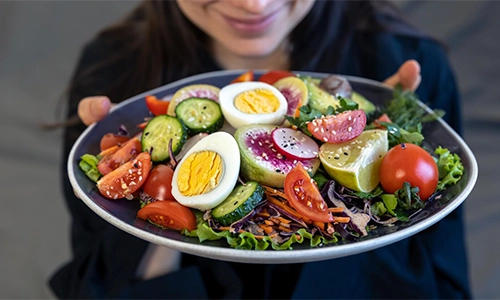
The simplest keto definition: it's a very high-fat, very low-carbohydrate eating plan that forces your body into a state called ketosis. While a typical Western diet gets about 50% of its calories from carbohydrates, a standard ketogenic plan cuts carbs to just 5–10% of daily calories (roughly 20–50g of net carbs per day), while fat makes up 70–75%, and protein fills the remaining 15–20%.
Interestingly, the ketogenic diet wasn't invented by a wellness influencer — it was first developed in the 1920s as a medical treatment for childhood epilepsy. It's been used clinically for over 100 years for that purpose, and only more recently has it entered mainstream conversation as a weight-loss and metabolic health tool.
Quick Keto Definition: A ketogenic (or "keto") diet is a very low-carb, high-fat diet that shifts your metabolism from burning glucose (sugar) to burning fat and ketones for energy.
How Ketosis Works?

When you eat carbohydrates, your body converts them into glucose — its quickest and most preferred fuel source. Insulin is released to help cells absorb that glucose. But when carbohydrates are drastically reduced, glucose levels drop. Your body, needing fuel, turns to stored fat instead.
Your liver then begins converting fatty acids into molecules called ketone bodies — primarily beta-hydroxybutyrate (BHB), acetoacetate, and acetone. These ketones circulate in your bloodstream and power your brain, muscles, and organs. This is the ketosis state — and it's the entire engine behind how a ketosis diet works.
Most people enter ketosis within 2–4 days of restricting carbs to under 50g per day, though this varies based on metabolism, activity level, and individual physiology.
"The ketogenic diet induces a metabolic shift from glucose utilization to ketone production, supporting energy needs during carbohydrate restriction — reducing circulating insulin levels and enhancing fat oxidation."— StatPearls / NCBI Bookshelf, updated December 2025
What Can You Eat on a Keto Diet?
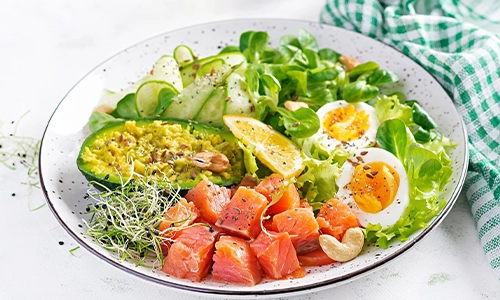
One of the biggest questions beginners have is simply: what to eat on keto? The good news is the list is more satisfying than people expect. Think rich, filling, whole foods — eggs, avocados, salmon, cheese, olive oil, nuts. Here's a breakdown:
Eat Freely
- Meat (beef, pork, lamb, chicken)
- Fatty fish (salmon, sardines, mackerel)
- Eggs
- Full-fat dairy (cheese, butter, cream)
- Avocados
- Nuts & seeds (almonds, walnuts, flax)
- Olive oil & coconut oil
- Low-carb vegetables (spinach, kale, broccoli, zucchini, cauliflower)
- Berries (in small amounts)
- Unsweetened coffee & tea
Eat in Moderation
- Cream cheese & sour cream
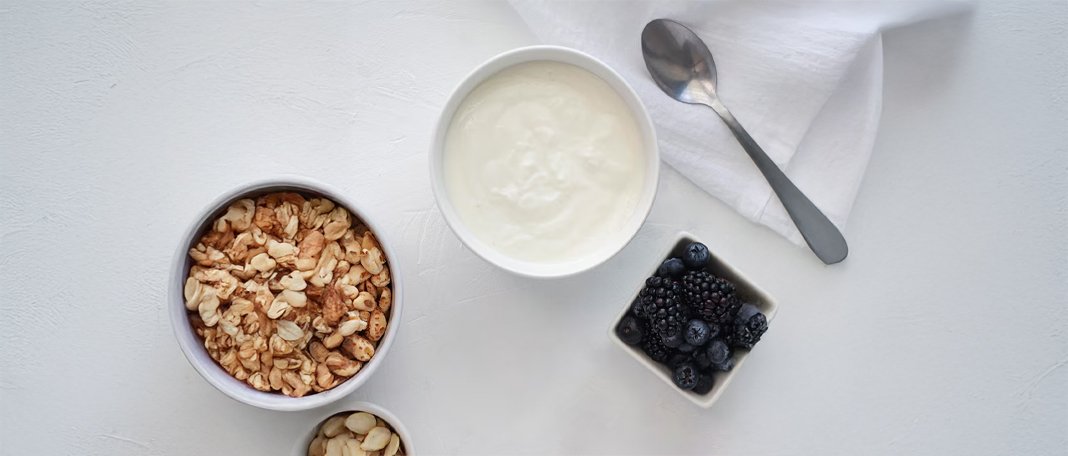
- Full-fat Greek yogurt (plain)
- Dark chocolate (85%+)
- Tomatoes & onions (small portions)
- Legumes (very small amounts)
- Dry wine & spirits (occasionally)
- Nut butters (unsweetened)
- Protein powders (low-carb)
What Shouldn't You Eat on a Keto Diet?
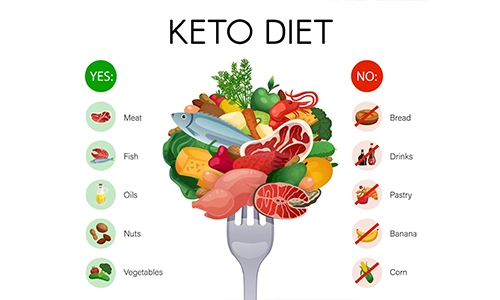
This is where keto gets strict. The foods to avoid aren't just junk food — some are genuinely healthy in other contexts (like fruit or whole grains), but they'll kick you out of ketosis quickly if consumed in any meaningful amount.
Avoid Completely
- Bread, pasta, rice, cereals
- Sugar & sweetened drinks
- Candy, cakes, cookies
- Fruit juice & smoothies
- Beer & sweet cocktails
- Most sauces & condiments (ketchup, BBQ sauce)
- Low-fat & diet products
Limit Significantly
- Fruits (bananas, grapes, apples, mangoes)
- Starchy vegetables (potatoes, corn, peas)
- Beans & lentils
- Honey & maple syrup
- Milk (high in lactose/sugar)
- Whole grains (quinoa, oats)
Beginner Tip: Track your net carbs (total carbs minus fiber) rather than total carbs. Most keto beginners aim for under 20g net carbs per day to reliably reach and stay in ketosis.
Sample 7-Day Keto Meal Plan
A solid keto meal plan doesn't have to be complicated. This sample keto menu will give you a real-world feel for how the days look — and how satisfying the food can be.
| Day | Breakfast | Lunch | Dinner |
| Monday | Scrambled eggs in butter with avocado | Tuna salad lettuce wraps with olive oil | Grilled salmon with asparagus & garlic butter |
| Tuesday | Full-fat Greek yogurt with walnuts & flaxseed | Chicken Caesar salad (no croutons) | Ribeye steak with sautéed spinach & mushrooms |
| Wednesday | Keto egg muffins with cheese & bacon | Avocado & shrimp salad with lemon dressing | Baked chicken thighs with roasted broccoli |
| Thursday | Bulletproof coffee + 2 boiled eggs | Ground beef bowl with cauliflower rice | Pork belly with cabbage stir-fry in sesame oil |
| Friday | Smoked salmon with cream cheese on cucumber slices | Leftover pork belly + side salad | Lamb chops with zucchini & feta |
| Saturday | Keto pancakes (almond flour) with butter & berries | BLT salad (no bread) with full-fat ranch | Shrimp stir-fry with bok choy & coconut aminos |
| Sunday | Veggie omelette with cheddar & cream | Caprese salad with mozzarella & olive oil | Slow-cooked beef short ribs with cauliflower mash |
Snacks to keep on hand: cheese slices, hard-boiled eggs, mixed nuts, pork rinds, celery with almond butter, or a square of 85% dark chocolate.
Easy Ketogenic Recipes to Get You Started
You don't need a culinary degree to nail ketogenic recipes. Here are three crowd-pleasers that are dead simple to make and keep you well within your carb limits.
Cheesy Avocado Omelet
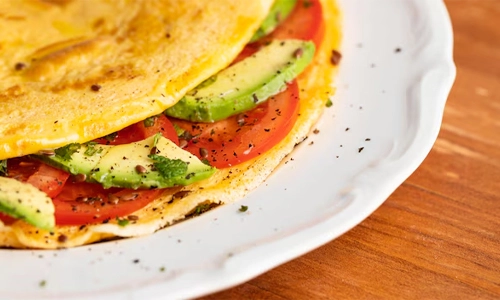
Start your day like a keto champ with this cheesy delight.
Ingredients - Eggs, avocado, shredded cheddar cheese, and a sprinkle of chili flakes.
Why It’s a Winner - Creamy avocado meets gooey cheese in this quick and filling breakfast.
Pro Tip - Add a dollop of sour cream for extra decadence.
Keto Pancakes

Yes, pancakes can be keto. These fluffy wonders will have you questioning every pancake you've ever eaten.
Ingredients: Almond flour, eggs, cream cheese, and a pinch of vanilla.
Serve With: Sugar-free syrup or a handful of fresh berries.
Zucchini Noodles with Pesto
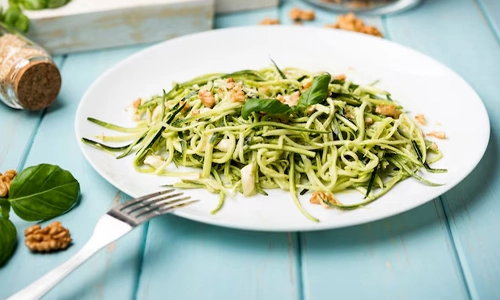
Ingredients: Zucchini, basil pesto, pine nuts, and Parmesan.
Bonus: Perfect for meal prep—just store the sauce separately.
Keto BLT Wraps
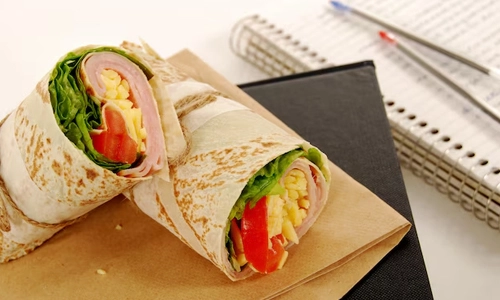
Ingredients - Crispy bacon, lettuce, tomato, and a dollop of mayo wrapped in a large lettuce leaf.
Crunch Factor - Swap lettuce for collard greens if you’re feeling adventurous.
Keto Snacks to Keep You on Track
Satisfy those mid-day hunger pangs with quick, guilt-free keto snacks that keep you full and focused.
Parmesan Crisps

Who needs chips when you have cheese that crisps up like magic?
Ingredients: Shredded Parmesan and your choice of seasoning.
Snack Hack: Add paprika or garlic powder for extra zing.
2. Fat Bombs

Think truffles but keto-friendly. Perfect for curbing sweet cravings.
Ingredients: Coconut oil, cocoa powder, almond butter, and a dash of stevia.
Pro Tip: Store these in the fridge for a grab-and-go snack.
Garlic Butter Steak Bites
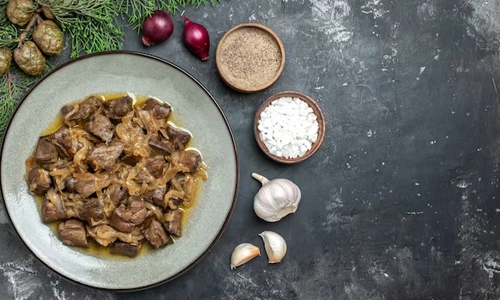
Ingredients: Sirloin steak, garlic, butter, and parsley.
Cooking Tip: Sear the steak bites on high heat for a crispy exterior.
Cauliflower Fried Rice

Ingredients: Cauliflower rice, soy sauce, eggs, and diced veggies.
Extra Flavor: Add cooked shrimp or chicken for a protein boost.
Keto Chocolate Mousse
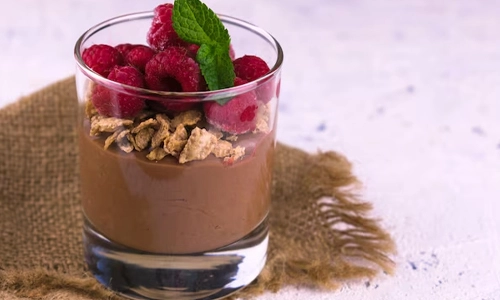
It is actually a decadent dessert that feels like a cheat but isn’t.
Ingredients: Heavy cream, cocoa powder, and a sugar-free sweetener.
Garnish With: Shaved dark chocolate or a sprinkle of sea salt.
Lemon Cheesecake Bites

Tangy, creamy, and perfect for portion control.
Ingredients: Almond flour crust, cream cheese, lemon zest, and erythritol.
No Bake: Chill these in the fridge, and they’re ready to devour.
Why are Keto Recipes the MVP of Diet?
Keto recipes truly deserve the title of Most Valuable Player (MVP) when it comes to dieting. Here are the reasons why it is the MVP:
1. Flavor Without Compromise

Unlike many diets that leave you munching on bland salads and dreaming of cheese, keto allows you to indulge in rich, satisfying flavors. Think crispy bacon, creamy avocado, and buttery sauces—all guilt-free. Keto recipes bring excitement back to your plate without sabotaging your health goals.
2. Keeps You Fuller for Longer
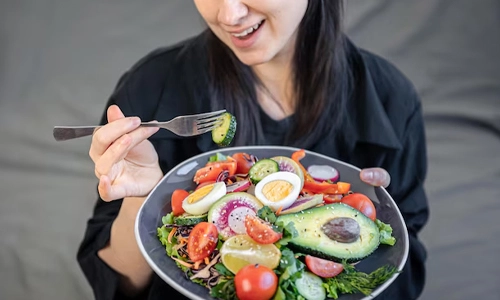
One of keto's key benefits is its reliance on healthy fats, which are more satiating than carbs. Meals like a cheese-laden omelet or a hearty steak keep hunger at bay for hours, reducing the need for constant snacking. This is a game-changer for anyone trying to curb overeating.
3. Adaptable for All Tastes
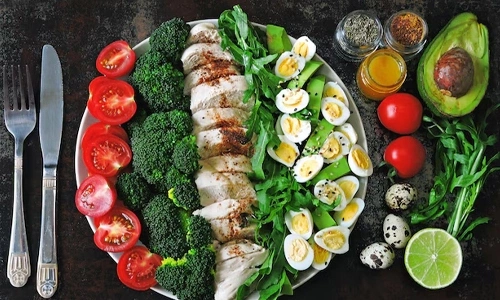
Keto is a diet chameleon—it works for meat lovers, vegetarians, and even vegans. Whether you crave hearty meals, light bites, or sweet treats, there’s a keto recipe for every preference. You can tweak recipes to fit your cravings while staying within the keto framework.
4. Steady Energy Levels

Say goodbye to sugar crashes! Keto recipes help maintain stable blood sugar levels, providing a consistent source of energy throughout the day. Instead of feeling sluggish after a carb-heavy meal, you’ll feel energized and focused.
5. Proven Fat-Burning Efficiency
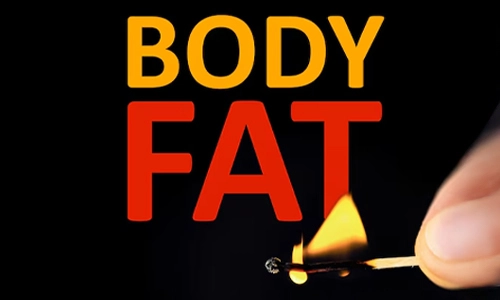
The science behind keto revolves around ketosis, a state where your body burns fat for energy instead of carbs. By sticking to keto recipes, you’re not just dieting—you’re actively turning your body into a fat-burning machine.
6. Promotes Mental Clarity

The high-fat, low-carb nature of keto can improve brain function, making you feel more focused and sharp. Keto-friendly recipes rich in omega-3s and healthy fats are especially beneficial for cognitive health.
7. Flexible Meal Planning
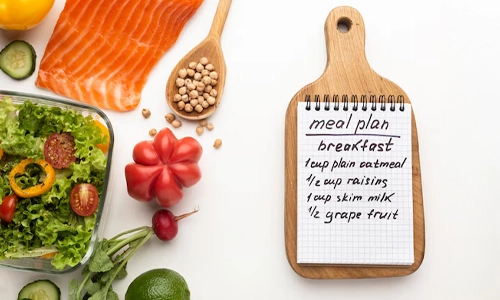
Whether you’re cooking for one or meal-prepping for a family, keto recipes are easy to scale and customize. Plus, many dishes like soups, casseroles, and fat bombs can be made in bulk, and stored for later, saving you time and effort.
Keto Diet for Weight Loss: Does It Actually Work?
This is probably why most people start a keto diet for weight loss — and the evidence here is genuinely encouraging, though nuanced.
Multiple studies and meta-analyses confirm that keto can produce meaningful weight loss, particularly in the short term. The mechanisms are well understood: ketosis suppresses appetite through hormonal changes, water weight drops rapidly in the first 1–2 weeks as glycogen stores are depleted, and fat oxidation increases. Research published in Nutrients (March 2025) found that the keto diet may be more metabolically efficient than other dietary strategies partly due to its significant effect on reducing hunger and improving satiety hormones.
A ScienceDirect study found that participants following a ketogenic protocol for three months saw significant reductions in body fat without losing muscle mass or experiencing adverse metabolic changes — and reported improved quality of life and reduced fatigue.
The Weight Loss Reality Check: Initial loss is rapid (often 3–5 lbs in the first week — mostly water). Sustained fat loss follows. Long-term adherence, however, is a real challenge — one study found only 8% of participants were still following the diet at 9 months.
Is Keto Good for Diabetics?
The answer here is: possibly yes, but with medical supervision. Since the ketogenic diet dramatically reduces carbohydrate intake, it has a direct effect on blood sugar and insulin levels — which makes it highly relevant for people with type 2 diabetes or insulin resistance.
Clinical reviews note that keto is associated with better glycemic control and reductions in triglycerides in people with type 2 diabetes. In fact, one long-term observational study found significant improvements in blood pressure, weight, and lipid profiles in insulin-resistant patients following a carbohydrate-restricted diet — along with a meaningful reduction in blood pressure medications.
However, there's an important warning: people on glucose-lowering medications may need dosage adjustments when going keto to prevent hypoglycemia (dangerously low blood sugar). If you have diabetes, do not start a ketogenic diet without consulting your doctor first.
Keto vs. Carnivore Diet: What's the Difference?

| Ketogenic Diet | Carnivore Diet |
| High-fat, very low-carb, moderate protein. Includes vegetables, dairy, nuts, seeds, and oils alongside meat. More flexible — plant foods are welcome as long as you stay under your carb limit. Focuses on achieving ketosis as the metabolic goal. | Animal products only — meat, fish, eggs, and some dairy. Zero carbs, zero plant foods. Essentially an extreme subset of keto. Some people find it simpler (no carb counting), but it eliminates fiber, many micronutrients, and the variety of plant-based fats that keto allows. |
Most nutrition experts consider the carnivore diet a more restrictive, less studied version of keto. Keto allows far more food variety and is generally easier to maintain long-term. Unless you have a specific therapeutic reason for carnivore (some autoimmune protocols recommend it), most beginners do better starting with standard keto first.
Keto Vegan Diet: Yes, It's Possible
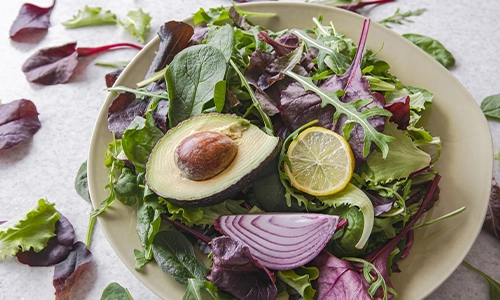
The keto vegan diet sounds like a contradiction — no animal products, but also no carbs? It's challenging, but doable. Your fat sources shift to avocados, coconut oil, olive oil, nuts, seeds, and nut butters. Protein comes from tofu, tempeh, seitan (though it's higher carb), hemp seeds, and pea protein. Leafy greens, cruciferous vegetables, and berries round out the menu.
The main challenges are hitting adequate protein without carb overload, getting enough B12, omega-3s, zinc, and iron, and avoiding the processed "vegan keto" products loaded with dubious ingredients. A vegan keto meal might be an avocado-tofu scramble with olive oil, hemp seeds, and sautéed kale — genuinely delicious once you get the hang of it.
The Mouse Study Everyone's Talking About
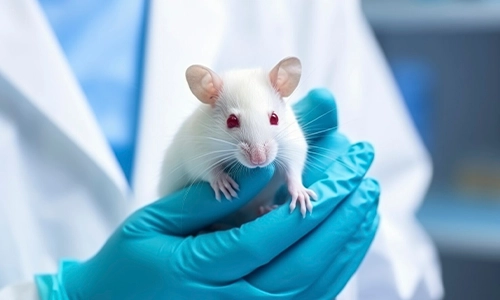
In late 2025, a notable study published in Science Advances made headlines — and it's worth understanding clearly. Researchers at the University of Utah fed mice a long-term ketogenic diet (at least nine months) and found some concerning results: elevated blood fats (a marker associated with cardiovascular disease risk), signs of liver dysfunction in male mice, and impaired insulin secretion from pancreatic cells leading to glucose intolerance.
The lead researcher's summary of the ketogenic diet mouse study: the insulin-producing cells in keto-fed mice struggled to release the hormone properly. Notably, when the mice stopped the diet, this problem resolved.
Important Context: Mouse metabolism differs significantly from human metabolism. This study examined long-term effects — something most human trials haven't yet done — and its authors explicitly said more research is needed before drawing conclusions for people. That said, it's a credible signal that indefinite keto without monitoring may carry risks worth discussing with your doctor.
On a more optimistic note, a separate UC Davis mouse study (2024) found that a ketogenic diet significantly delayed early Alzheimer's-related memory decline in mice, with the molecule BHB (beta-hydroxybutyrate) playing a pivotal role in strengthening brain synapses. Another study found that keto preserved muscle mass and strength in diabetic mice. The science is genuinely complex — and that's not a bad thing. It means the conversation is evolving.
Side Effects of the Keto Diet (and How to Manage Them)

Let's not sugarcoat this (pun intended). The keto diet comes with a transition period that can be rough for some people. Here are the most common keto side effects:
- "Keto Flu" (fatigue, headaches)
- Brain fog (early days)
- ketonemia
- Nausea or stomach upset
- Constipation (low fiber intake)
- Bad breath (from ketones)
- Leg cramps
- Sleep disruption initially
- Electrolyte imbalances
Most of these are temporary and stem from the dramatic drop in carbohydrates and the associated fluid and electrolyte shifts. The "keto flu" typically peaks around days 3–5 and passes within a week or two.
How to Minimize Keto Side Effects
Hydration is critical — drink water consistently and increase sodium, potassium, and magnesium intake (through foods or supplements). Adding more salt to meals, eating avocados and leafy greens, and using magnesium glycinate before bed helps most people significantly. Gradually reducing carbs over a week rather than cutting cold turkey can also ease the transition.
Longer-term, some people on keto need to monitor their lipid panels, kidney function, and bone density markers — especially if following the diet indefinitely. A periodic check-in with a healthcare provider is sensible.
Frequently Asked Questions
How long does it take to get into ketosis?
Most people enter ketosis within 2–4 days of keeping carbs under 50g per day. Exercise can speed this up. You can check for ketosis using urine ketone strips, blood ketone meters, or simply notice the classic signs — reduced appetite, slightly fruity breath, and increased mental clarity after the initial fog clears.
Can I do keto as a complete beginner with no cooking experience?
Absolutely. Some of the easiest keto meals require zero cooking skill — canned tuna with olive oil and cucumber, hard-boiled eggs with avocado, cheese with deli meat. Start simple, then build from there.
Will I lose muscle on keto?
Not necessarily. Research shows that adequate protein intake on a keto diet preserves lean body mass — especially when combined with resistance training. The key is not letting protein drop too low in pursuit of ketosis.
Is keto safe long-term?
Most clinical trials have focused on outcomes under one year. Recent research — including the 2025 mouse study — raises questions about very long-term keto without breaks. The current consensus among dietitians is that keto can be effective and safe short-to-medium term for most healthy adults, but indefinite, unmonitored use warrants caution. Discuss with your doctor, especially if you have existing health conditions.
Can I have cheat days on keto?
Technically yes, but a single high-carb day will knock you out of ketosis and you'll need 2–3 days to get back in. If you're using keto therapeutically (for epilepsy or blood sugar management), strict adherence matters much more. For general weight loss, occasional higher-carb days are common — some people follow "cyclical keto" (5 keto days, 2 higher-carb days) with good results.
What's the difference between keto and just "low-carb"?
Low-carb diets typically allow 50–130g of carbs per day — enough to keep you in a reduced-carb state, but not necessarily full nutritional ketosis. The ketogenic diet specifically targets <20–50g of net carbs per day to reliably produce ketone bodies. All keto diets are low-carb; not all low-carb diets are keto.
Common Keto Mistakes and How to Avoid Them

Starting keto can be exciting, but it’s easy to make mistakes that derail your progress. Let’s uncover the most common pitfalls and how to sidestep them.
- Not Eating Enough Fats - The keto diet is high-fat, so make sure to incorporate healthy fats like avocado, olive oil, and nuts.
- Ignoring Electrolytes - Keto can deplete sodium, magnesium, and potassium. Include foods like leafy greens, nuts, and a pinch of salt in meals.
- Overeating Protein - Too much protein can convert to glucose, which might kick you out of ketosis. Stick to moderate protein intake.
- Skipping Vegetables - Low-carb doesn’t mean no-carb. Non-starchy vegetables provide essential nutrients and fiber.
- Not Reading Labels - Hidden carbs can sneak into processed foods. Always check the nutrition facts.
- Giving Up Too Soon - Keto adaptation takes time. Stick with it for at least 3–4 weeks to see results.
- Not Drinking Enough Water - Dehydration is common on keto. Aim for 8–10 glasses daily.