If you’ve never heard of flattened rice, you’re definitely not alone — it’s not exactly a staple in most American kitchens. But that might be about to change.
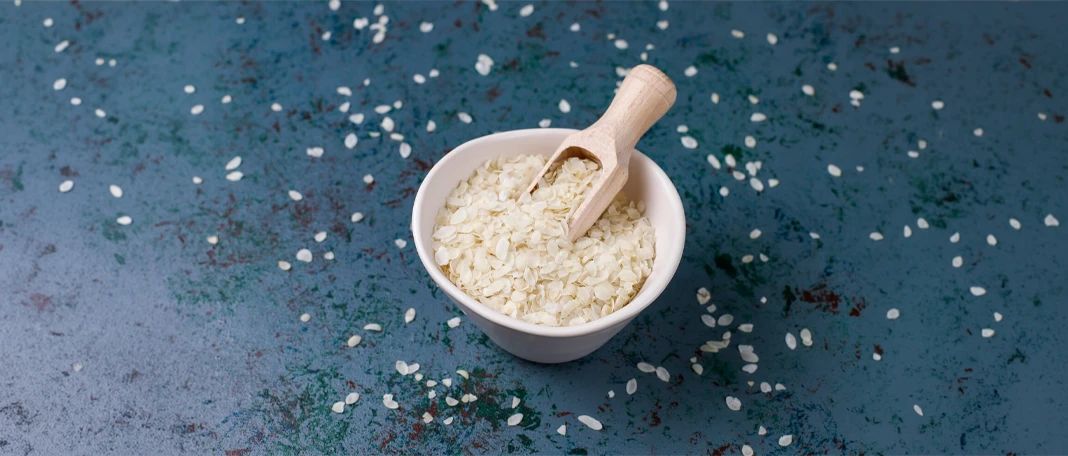
Flattened rice (also called rice flakes or poha) is made from parboiled rice that gets pressed into flat, dried flakes. It’s been a breakfast go-to in South Asian households for centuries, and once you find out what it does for your body, it’s easy to see why. Light, quick to prepare, and surprisingly nutritious — here’s what makes it worth adding to your morning routine.
What Are Rice Flakes, Exactly?
Rice flakes are simply rice that has been parboiled, flattened, and dried. The result is a thin, light flake that’s ready to eat with minimal prep — just soak it in warm water or milk for a few minutes, and it softens right up.
You can find them in Indian or Asian grocery stores under the name “poha” or “beaten rice.” They’re also showing up in more mainstream health food stores and online retailers. They come in thin and thick varieties — thin ones absorb liquid faster, while thick ones hold up better in warm dishes.
Now, let’s get into why you should actually care about them.
Is Flattened Rice Healthy for Breakfast?
Yes, flattened rice can be a healthy breakfast option when combined with nutrient-rich ingredients. It provides carbohydrates for energy, contains small amounts of iron and B vitamins, and is naturally low in fat. Pairing flattened rice with vegetables, nuts, seeds, or a source of protein can create a more balanced meal that supports satiety and overall nutrition.
Flattened Rice Nutritional Value (per 1 cup cooked)
Before diving into the benefits, here’s a quick look at what’s inside a serving of flattened rice:
- Calories in flattened rice: approximately 244–250 calories per cup (cooked)
- Carbohydrates: ~54g
- Protein: ~3–4g
- Fat: ~0.5g
- Iron: ~1–2mg (a notable amount for a grain-based food)
- Fiber: ~1–2g
- Vitamin B complex (thiamine, niacin)
It’s light but not empty — and the benefits below explain why it goes a long way as a breakfast choice.
5 Benefits of Flattened Rice Worth Knowing
1. It Helps Keep Your Blood Sugar Steady
One of the most underrated rice flake health benefits is how well they support blood sugar management. Because flattened rice contains fiber, it slows down how quickly your body absorbs carbohydrates. That means instead of a sharp glucose spike after breakfast, you get a slower, more controlled release of energy.
This makes it a smarter carb choice compared to refined breakfast options like white bread, sugary cereals, or pastries — all of which tend to spike blood sugar fast and leave you crashing by mid-morning.
If you’re managing prediabetes, Type 2 diabetes, or just trying to avoid the energy rollercoaster, flattened rice is worth considering as part of your morning meal. (Always check with your doctor or registered dietitian before making changes to a diabetic diet.)
2. It’s a Clean Source of Energy Without Feeling Heavy
Flattened rice gives you a solid hit of healthy carbohydrates — the kind that your body actually needs to fuel through the morning. Unlike greasy breakfast foods that leave you feeling sluggish, rice flakes are light and easy on your stomach.
The carbohydrates in rice flakes are your body’s preferred energy source. They convert to glucose efficiently, which means you get fuel to the brain and muscles without the heaviness of a high-fat meal. It’s the kind of breakfast that keeps you moving — not one that makes you want to take a nap at your desk.
It’s also naturally gluten-free, which is a bonus if you’re avoiding gluten or cooking for someone who is.
3. It’s Surprisingly Rich in Iron
Iron deficiency is one of the most common nutritional shortfalls in the U.S., particularly among women of childbearing age. Flattened rice delivers a decent amount of iron for a grain — more than regular white rice, in fact.
Iron supports red blood cell production, helps carry oxygen throughout your body, and helps keep your energy levels from tanking. If you’ve been feeling fatigued or your doctor has flagged low iron levels, adding iron-rich foods at breakfast is one of the easiest ways to start addressing that gap.
You can also boost the iron absorption from flattened rice by pairing it with a vitamin C source — something like a glass of orange juice, a squeeze of lemon, or some sliced strawberries on the side.
4. It’s Low in Calories and Keeps You Full
At around 244–250 calories per cup cooked, flattened rice is a low-calorie breakfast that doesn’t leave you reaching for snacks an hour later. The fiber content helps you feel fuller for longer, which naturally reduces the urge to overeat throughout the day.
If you’re trying to manage your weight or cut down on mindless snacking, starting the day with something filling but not calorie-dense is a practical strategy. Flattened rice checks that box without requiring you to give up a satisfying breakfast.
You can also add vegetables, a handful of nuts, or some protein like eggs alongside it to build a more complete meal — and still keep the calorie count reasonable.
5. It’s One of the Quickest Breakfasts You Can Make
Most people don’t have 30 minutes to spare on a weekday morning. Flattened rice is one of the fastest breakfasts you can put together. Thick flakes need just 5–10 minutes to soften in warm water or milk, and thin flakes are ready even faster.
You can keep it simple — soaked in warm milk with a pinch of salt and a few nuts — or build it into a savory skillet dish with vegetables and spices. Either way, it’s faster than waiting in a drive-through and healthier than most grab-and-go options.
The ease of prep is one reason rice flakes have been a staple breakfast in millions of households for generations. Once you have a bag on hand, you’ll wonder why you didn’t try it sooner.
Simple Rice Flakes Recipe to Get You Started
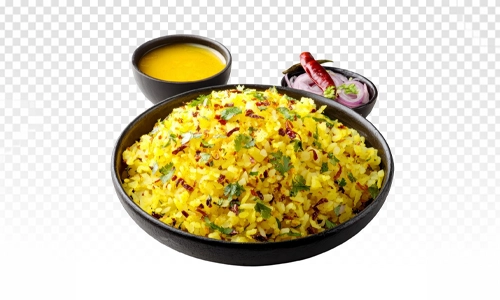
Not sure how to make rice flakes from rice at home? The good news is you don’t have to — pre-made flattened rice is widely available. But if you want to start cooking with it, here’s the simplest way to try it:
- Savory skillet version: Rinse 1 cup of thick rice flakes and let them drain. Heat a pan with a little oil, add mustard seeds, diced onion, and your choice of veggies. Stir in the flakes, season with salt, turmeric, and a squeeze of lemon. Ready in about 10 minutes.
- Sweet breakfast bowl: Soak thin rice flakes in warm milk for 3–5 minutes until soft. Top with honey, sliced banana, and a handful of almonds. Quick, filling, and no cooking required.
- Simple porridge: Soak flakes in hot water, add a pinch of salt or a spoon of jaggery (or brown sugar), and eat warm. Ideal if you want something minimal and soothing.
Disclaimer: This article is for informational purposes only and should not be considered medical advice. If you have diabetes, iron deficiency, or any medical condition, consult a healthcare professional or registered dietitian before making significant dietary changes.
Frequently Asked Questions
What are rice flakes?
Rice flakes (also called flattened rice or poha) are made from parboiled rice that has been pressed flat and dried. They’re a quick-cooking grain used in both sweet and savory breakfast dishes.
What are the rice flakes' health benefits?
Rice flakes support steady blood sugar, provide iron and B vitamins, offer clean carbohydrate energy, and help you stay full without a high calorie load.
How many calories are in flattened rice?
One cup of cooked flattened rice contains approximately 244–250 calories, making it a light and manageable breakfast option.
How do you make rice flakes from rice at home?
To make rice flakes at home, parboil the raw rice, then press it flat with a stone roller or heavy press, and dry the flakes in the sun. It’s a traditional process — most people simply buy them pre-made at Asian grocery stores.
Can you eat flattened rice every day?
Yes, flattened rice can be eaten daily as part of a balanced diet. It’s light, easy to digest, and low in fat, making it a practical everyday breakfast choice.
Is flattened rice good for weight loss?
Flattened rice is low in calories and contains fiber that helps control hunger. It can fit well into a weight-management plan when paired with vegetables and lean protein.
Where can I find flattened rice in the U.S.?
You can find flattened rice at Indian grocery stores, Asian supermarkets, and online retailers. Look for it labeled as “poha,” “beaten rice,” or “rice flakes.”
The benefits of flattened rice are real — stable energy, better blood sugar control, solid iron content, low calories, and a breakfast you can actually pull off on a busy morning. It’s not a miracle food, but it’s a genuinely smart swap for the usual breakfast options.
If you’ve been looking for something lighter, healthier, and faster to make — rice flakes are worth keeping in your pantry. Pick up a bag, try it once, and see how you feel.