
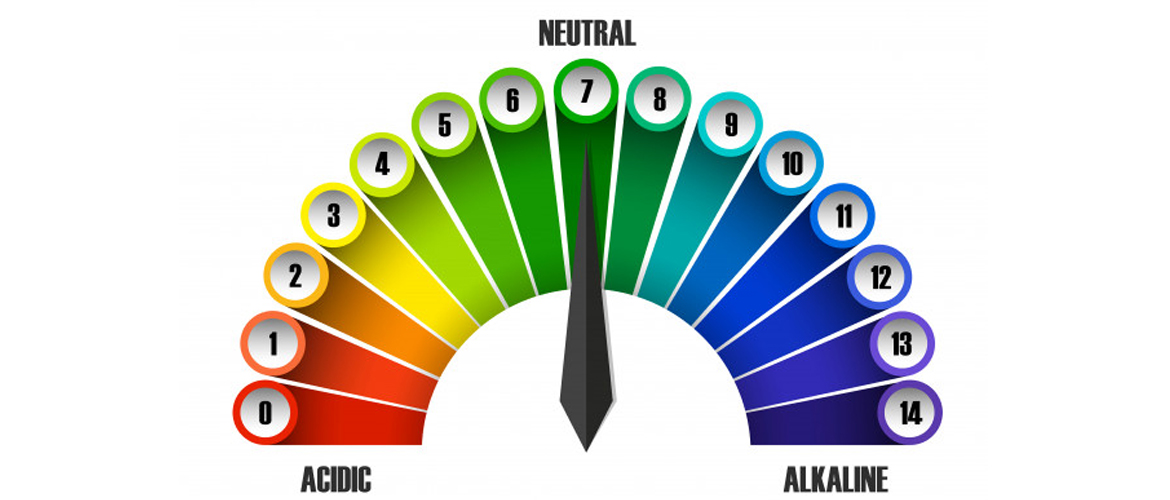
Natural Remedies to Restore pH Balance explores various holistic approaches and remedies that can help individuals maintain or regain a healthy pH balance in their bodies. This includes dietary adjustments, lifestyle changes, and herbal remedies aimed at promoting overall well-being and preventing pH-related health issues.
What is Vaginal pH Balance?
Vaginal pH can be defined as the degree of acidity in the vagina, normally ranging from 3. undefined It also reduces the risk of infections because it is acidic and thus inhibits the growth of the bad bacteria. Some things that can throw off this balance include menstruation, douching, and antibiotics, which may lead to developing infections such as bacterial vaginosis or a yeast infection. This is because keeping a healthy vaginal pH is very important in the overall health of the vagina.
How to Check Vaginal pH?
A pH test kit is used in checking vaginal pH. Place the swab mentioned above in your vagina for a few seconds then take it out. Finally, match the color change of the swab to the color chart on the kit to know your vaginal pH level. The normal vaginal pH is normally between 3. undefined undefined But do not forget that pH levels can vary over time, and an abnormal result does not necessarily mean an infection. If you have any questions or issues, please seek advice from your doctor.
What Is a Normal pH Level?
The pH level of the vagina is normally slightly acidic and is usually between 3. undefined This acidic environment helps to prevent the overgrowth of bacteria and thus prevents infections. Hormones such as estrogen, progesterone, and other factors including menstruation, douching, and antibiotics can cause some issues. If you are worried about your vaginal pH, then you should seek the help of a healthcare provider.
10 Natural Remedies to Restore pH Balance
Balancing your body's pH is vital for overall health. To restore pH balance naturally, focus on an alkaline diet rich in fruits and vegetables. Kickstart your day with lemon water and incorporate apple cider vinegar into your routine. Enjoy the benefits of green tea and consider using baking soda in water when needed. Probiotics aid in gut health, while adequate hydration helps flush out toxins.
-
Eat Alkaline-rich Foods

Consuming alkaline foods can help balance pH levels in your body. These foods include fresh fruits and vegetables, especially leafy greens, cucumbers, broccoli, and avocados. Incorporate these foods into your diet to help keep your body's pH level in a healthy range.
-
Stay Hydrated with Alkaline Water
Drinking alkaline water can assist in maintaining a proper pH balance. You can achieve this by adding a squeeze of lemon or a pinch of pH-boosting minerals like Himalayan salt to your water. These additions can help create an alkalizing effect in your body.
-
Limit Acidic Foods and Beverages

Acidic foods and beverages can contribute to an imbalance in pH levels. Reduce your consumption of processed foods, sugary snacks, refined grains, caffeine, alcohol, and soft drinks. Instead, opt for healthier alternatives such as herbal teas, green juices, and whole, unprocessed foods.
-
Apple Cider Vinegar

Despite its acidic nature, apple cider vinegar has an alkalizing effect on the body. Consuming a small amount of raw, unfiltered apple cider vinegar mixed with water can help balance pH levels. Start with a teaspoon or two in a glass of water and gradually increase the amount if tolerated.
-
Practice Mindful Eating

Chew your food thoroughly and eat slowly. Mindful eating aids in proper digestion and absorption of nutrients, helping to maintain a balanced pH. Additionally, avoid overeating, as excessive food intake can lead to digestive issues and disrupt pH levels.
-
Manage Stress Levels

Chronic stress can affect the body's pH balance. Engage in stress-reducing activities such as yoga, meditation, deep breathing exercises, or any other activities that help you relax and unwind. By managing stress, you support a healthier pH balance.
-
Regular Exercise

Exercise promotes overall health and can contribute to a balanced pH level. Engaging in physical activity helps improve circulation, enhances oxygen supply to cells, and supports the elimination of toxins from the body. Aim for a combination of cardiovascular exercises, strength training, and flexibility exercises for optimal benefits.
-
Adequate Sleep

Prioritize getting enough sleep to allow your body to rest and rejuvenate. Lack of sleep can disrupt the body's natural processes, including pH regulation. Aim for 7-8 hours of quality sleep each night to support optimal pH balance.
-
Probiotics

A healthy gut microbiome plays a significant role in maintaining pH balance. Incorporate probiotic-rich foods like yogurt, kefir, sauerkraut, kimchi, and kombucha into your diet. Probiotics help promote a healthy gut environment, aiding in pH regulation and overall digestive health.
-
Monitor pH levels
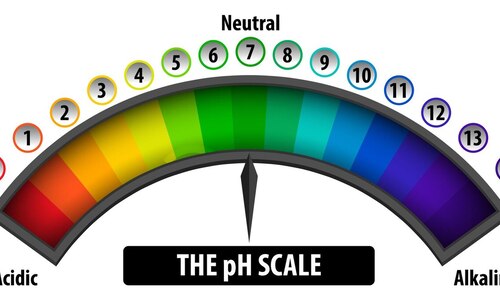
If you suspect an imbalance in your pH levels, you can test your pH using pH test strips or consult with a healthcare professional. They can provide guidance and recommend specific dietary or lifestyle adjustments based on your individual needs.
By incorporating these natural methods into your daily routine, you can support a balanced pH level, which is essential for optimal health and well-being.
How to Fix Your pH Balance Overnight?
Regrettably, there is no magic solution that can be applied to correct unbalanced pH within a day. Although some of the changes such as wearing cotton underwear, not using douche, and drinking water can help in the overall health of the vagina, regaining the pH balance may take some time. If you have any pain or other symptoms that do not go away, you should seek medical advice for an accurate diagnosis and further management.
Symptoms of Unbalanced pH Levels
If your skin starts acting weirdly, your stomach does not feel okay, and you have developed some infections, then there could be something wrong with the pH level of your body. The pH scale is a scientific calculation that helps to classify how sour or sweet a thing is. It can be affected by food choices, emotions, and background; hence leading to changes in body acidity levels.
1. Skin Problems (irritation, acne, eczema)
If you have dry or itchy skin always, maybe it is because your pH level is off every time. When there is an imbalance of skin pH levels, several conditions may occur like irritated skin during hot weather seasons.
2. Digestive Problems (like acid reflux)
Specific digestive disorders such as heartburns or constipation are associated with low pH levels characterized by high acidity within the intestines. On the other hand, high levels of acidity in food contents can lead to diarrhea for example.
3. Fatigue
In general unhealed wounds are often fatiguing and chronic fatigue diseases happen because they hinder the equilibrium of acid-base balance hence affecting energy levels in the individual’s body.
4. Infections (for yeast infections or UTI)
Therefore, an unbalanced stage creates fertile ground for various types of infection which can easily thrive at those times when there is an increase in our acid-base equilibrium as in the case of yeast infections since pH changes take place very quickly during this period Additionally urine tract infection prevalence rises during those times leading to great discomforts.
5. Muscle Weakness
The most common symptom experienced by people whose body fluids have changed their basicity states as muscles feel fatigued irrespective of whether working out or not; hence their optimal functioning depends on proper concentration of hydrogen ions in them.”
Reduce Drinking Alcohol
If you want to balance the acid-alkaline level, it is better to quit drinking altogether or cut down to healthier levels. It affects the function of the kidneys and may lead to the development of kidney stones. If you drink alcohol, your kidney fails to regulate fluid and electrolytes in the body.
How to get your pH Balance back to Normal
If your pH level is out of balance, there are ways to get it back on track.
1. Eat Balanced Food
More leafy greens, nuts, and fruits should be consumed as they are alkaline-forming foods whereas meat, dairy, and processed foods should be avoided as they are acid-forming substances.
2. Hydrate
Drinking enough water will help flush out acidic toxins from the body and help in maintaining the correct pH levels.
3. Reduce Stress
Chronic stress can lead to an imbalanced pH level. Practicing stress-reducing techniques like meditation, yoga or deep breathing exercises can help improve the body's pH balance.
4. Sleep Enough
Lack of sleep can contribute to an imbalanced pH level. Aiming for quality sleep every night helps by giving your body 7-8 hours of rest.
Consider using pH-balancing supplements such as magnesium citrate and potassium citrate which may help harmonize one’s body’s acidity levels.
Foods to Eat - Help Your pH Balance
One has to make sure that in maintaining generally good health, there is a proper balance in the levels of pH. The following foods will help in such efforts:
- Leafy Greens: Make it a point to include a lot of foodstuffs such as spinach, kale, and Swiss chard. They are alkaline in nature while being mineral, vitamin, and fiber-rich.
- Citrus Fruits: Despite its sour taste, citrus fruits like lemon, lime, and grapefruit are alkaline contributors to the body because they contain a lot of citric acid. They also have high vitamin C for a natural pH balance.
- Cruciferous Vegetables: These vegetables are dense with nutrients and are base-forming. They are full of vitamins, minerals, and antioxidants; examples are broccoli, cauliflower, cabbage, and Brussels sprouts.
- Avocado: Avocados are rich in healthy fats and, at the same time, have an alkalizing effect on the body. Also, they contain potassium, fiber, as well as various vitamins.
- Cucumber: Cucumbers contain much water and are therefore alkaline-forming. They are fresh, hydrating, and add balance to the pH.
- Almonds: Almond is an alkaline-forming nut that gives good fats, proteins, fibers, and minerals. It becomes very tasty and healthy when taken as a snack.
- Herbs: Using herbs for pH balance is a simple and effective way to support your body's natural alkalinity — try incorporating parsley, cilantro, or basil into your meals daily.
- Herbal Teas: Get herbal teas like chamomile, peppermint, and ginger, which are all alkaline-forming and help with the pH levels in the system. These teas will also soothe and relax.
- Watermelon: Watermelon is a highly hydrating fruit with alkaline properties, seeing as it has high water content, with useful vitamins and minerals that help in its refreshing properties. Introduce fermented foods such as yogurt and kefir, vegetables such as sauerkraut, and kimchi to your diet. All these foods have good bacteria in them to help in gut health and balance pH.
- Greens: Besides the leafy greens, it's good to add other greens like zucchini, green beans, and asparagus. These are forming bases and offer a myriad of nutritional benefits.
These are just some of the home remedies, mostly natural, that can work to bring back balance. Then again, if it's a case of you're worried about your pH balance, talk with your doctor.
FAQs on Restoring and Maintaining Healthy pH Balance Naturally
- How do I keep my pH level good?
Maintain a balanced diet rich in fruits, vegetables, and whole grains. Stay hydrated, limit processed foods, manage stress, and use natural hygiene products to support your body’s ideal pH range. - What helps maintain a constant pH?
The body uses buffer systems—like the bicarbonate buffer in blood—to maintain pH. Drinking water, eating alkaline-rich foods, and avoiding acidic substances can help support this process naturally. - How can I balance my body pH quickly?
For a quick pH reset, drink plenty of water with a splash of lemon, consume leafy greens or celery juice, and avoid sugary or acidic foods. These steps can promote an alkaline shift in the body. - What are the symptoms of low pH?
Low pH (acidosis) symptoms may include fatigue, shortness of breath, confusion, muscle weakness, or increased heart rate. Chronic low pH may lead to health complications if left untreated. - How do I know if my pH level is off?
Unusual body odor, frequent infections (especially UTIs), skin issues, fatigue, or vaginal discomfort may indicate an imbalance. At-home test strips or lab tests can confirm your body’s pH levels. - How do I raise my pH level?
To raise your pH (make your body less acidic), increase your intake of alkaline foods like cucumbers, spinach, avocado, and lemons. Reduce intake of red meat, processed foods, and soda. - How do I test my pH at home?
Use pH test strips available at pharmacies to test urine or saliva. Follow the instructions carefully, ideally testing at the same time daily for consistent results. - Should I balance my pH level naturally or opt for medicines?
Natural methods like dietary changes and hydration are often the first step. Medication should only be considered under medical advice if a medical condition causes chronic pH imbalance. - What are the best pills for pH balance?
Probiotics and supplements with cranberry extract, vitamin C, or magnesium are popular pH support pills. Always choose reputable brands and consult a doctor before starting any supplement. - Is it safe to take pH balance pills?
Most over-the-counter pH balance pills are safe in moderation, especially probiotics. However, long-term use without medical guidance may mask underlying health issues or cause side effects. - Is it okay to use pH care every day?
Using pH-balanced feminine washes occasionally is generally safe, but daily use may strip natural oils and disrupt vaginal flora. Choose gentle, non-fragrant products if used regularly.
Take Multivitamins
It is not difficult to get all the vitamins and nutrients from food alone. You need to consume supplements of multivitamins. You are required to take vitamin D to increase calcium absorption, which helps your body maintain vital minerals. Multivitamin supplements support your body’s immune system and also fight against free radicals that reduce alkalinity in the body.