

Knee joint pain is a common issue affecting millions of people, impacting daily activities and overall quality of life. According to the WHO, arthritis alone affects 365 million people, making the knee the most frequently affected joint, followed by the hip and hand. Whether caused by arthritis, an old sports injury, or the wear and tear of everyday life, finding relief from this pain is important. Fortunately, there are many effective home remedies for knee pain that can help manage and alleviate discomfort. In this blog, we will explore some of these remedies.
Anatomy of the Knee
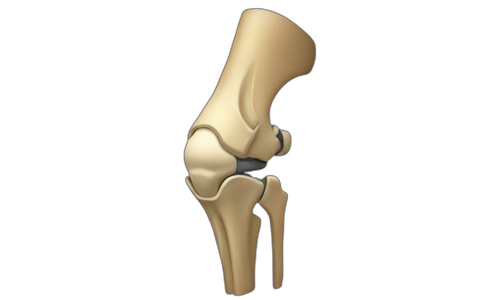
Before entering into home remedies for knee pain, it's important to understand the anatomy of the knee. The knee is a remarkable joint essential for everyday movements. Think of it as a complex hinge that not only bends and straightens but also allows for slight rotations. At its core, the knee connects the thigh bone (femur) to the shin bone (tibia), with the kneecap (patella) snugly positioned at the front for added protection. Ligaments and tendons crisscross the joint, providing stability and support, while cartilage cushions the bones, ensuring smooth and pain-free movement. This intricate system works harmoniously to enable activities like walking, running, jumping, and dancing. When any of these components are damaged or inflamed, it can lead to pain and swelling in the knee joint.
Common Causes and Symptoms of Knee Joint Pain
Knee joint pain is a prevalent issue that affects people of all ages and activity levels. Understanding the root causes of knee pain is crucial for effective treatment and management. Here are some of the most common reasons why your knees might be hurting.

Home Remedies for Knee Pain
Knee joint pain is a daily struggle that impacts everything from your morning routine to evening relaxation. But worry not! There are several home remedies for knee joint pain that can offer relief and help manage the discomfort. Let's explore some effective, easy-to-implement solutions that you can try right at home.
1. R.I.C.E. Therapy
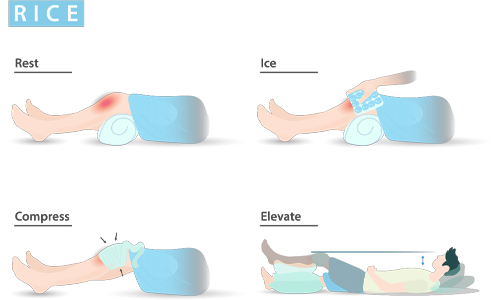
- Rest: It allows the affected tissues to heal and prevent further injury. Avoiding activities that put a strain on the knee can reduce inflammation and pain, providing a more conducive environment for recovery.
- Ice: Applying ice packs to the knee helps constrict blood vessels, which reduces blood flow to the injured area, thereby minimising swelling and inflammation. It is recommended to apply ice for 15-20 minutes every few hours during the initial 48 hours after injury.
- Compression: Using compression wraps or elastic bandages can help stabilise the knee joint by limiting swelling and providing gentle support to the tissues, aiding in faster recovery. Ensure the wrap is snug but not too tight, as excessive compression can impede blood circulation.
- Elevation: Elevating the leg above heart level helps in reducing swelling by allowing fluids to drain away from the affected area. This can be achieved by lying down and propping the leg on pillows.
2. Exercise and Physical Therapy

Exercises not only keep you fit but also soothe your knee pain. Believe it or not, low-impact exercises like swimming and cycling are fantastic ways to boost your cardio and muscle strength while being gentle on your knees. Swimming's buoyancy supports your body weight, minimizing strain, while cycling, especially on a stationary bike, enhances knee mobility and builds leg strength in a controlled, low-impact setting. To further strengthen the muscles around your knee, try exercises such as leg lifts, hamstring curls, and wall squats. Adding resistance bands or light weights can gradually increase the intensity, making your workout more effective over time. Don't forget about flexibility exercises! Simple stretches for your hamstrings, calves, and quadriceps can significantly improve flexibility and ease the tightness often linked with knee pain. By integrating these exercises, you can create a comprehensive routine that supports and strengthens your knees.
3. Weight Management

Excess weight significantly increases pressure on your knee joints, leading to accelerated wear and tear. In fact, for every pound you gain, an additional four pounds of pressure is placed on your knees, potentially worsening conditions like osteoarthritis. To maintain a healthy weight and support your joint health, follow a balanced diet rich in fruits, vegetables, lean proteins, and whole grains. Practice portion control, stay hydrated, and ensure you get adequate sleep. These lifestyle changes not only help manage your weight but also reduce the burden on your knees, promoting overall well-being.
4. Herbal and Natural Remedies
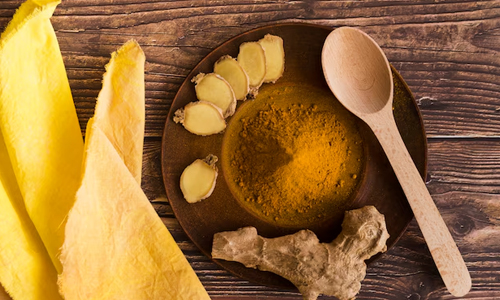
- Turmeric: As turmeric is renowned for its potent anti-inflammatory properties, you can add turmeric to your meals or make a soothing turmeric tea to treat knee joint pain.
- Ginger: Ginger is another powerful anti-inflammatory herb that can help reduce knee pain. Incorporating fresh ginger into your diet by adding it to smoothies, soups, teas, and stir-fries, can help with knee pain.
- Epsom Salt: The magnesium sulfate in Epsom salt helps reduce inflammation and ease muscle tension. How to perform an Epsom salt bath? Just add a cup or two of Epsom salt to a warm bath and soak your knees for about 15-20 minutes. It’s a relaxing way to end the day and can make a noticeable difference in your pain levels.
5. Topical Treatments
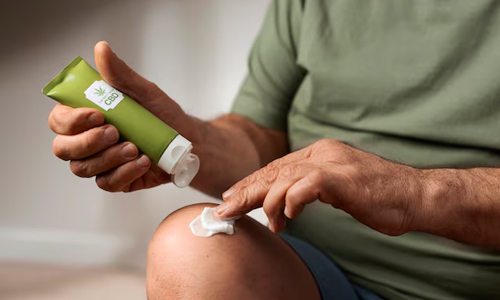
Essential Oils: Peppermint oil has a cooling effect that can soothe sore muscles and joints, while eucalyptus oil helps reduce swelling and improve blood circulation. To use, mix a few drops of essential oil with a carrier oil, such as coconut or olive oil, and gently massage it into the affected area.
Over-the-Counter Creams: Creams like Voltaren Gel and Bengay are popular choices for managing knee pain. Voltaren Gel contains diclofenac, a nonsteroidal anti-inflammatory drug (NSAID) that helps reduce inflammation and pain. Bengay, on the other hand, often includes menthol and methyl salicylate, which provide a cooling sensation and relieve pain through their counterirritant effect. These creams can be applied directly to the knee joint to provide targeted relief.
DIY Balms: Creating your own pain relief balms at home is a natural and customisation way to manage knee pain.
- Melt the beeswax and coconut oil together, then stir in the essential oils and pour the mixture into a small container to cool.
- Once set, apply the balm to the knee for soothing relief
6. Dietary Supplements

Glucosamine and Chondroitin: Glucosamine and chondroitin are popular supplements known for their joint health benefits. They help maintain cartilage structure, reduce pain, and improve joint mobility. The recommended dosage is typically 1500 mg of glucosamine and 1200 mg of chondroitin per day, but it’s best to consult with a healthcare provider for personalized advice.
Omega-3 Fatty Acids: Omega-3 fatty acids, found in fish oil and flaxseeds, have potent anti-inflammatory effects that can help reduce knee joint pain. Including sources like salmon, walnuts, and chia seeds in your diet or taking a fish oil supplement can provide these benefits. Aim for about 1000 mg of combined EPA and DHA per day for optimal results.
Vitamin D and Calcium: Vitamin D and calcium are crucial for bone health, helping to strengthen bones and potentially alleviate knee pain. Adults typically need about 600-800 IU of vitamin D and 1000-1200 mg of calcium daily.
7. Alternative Therapies
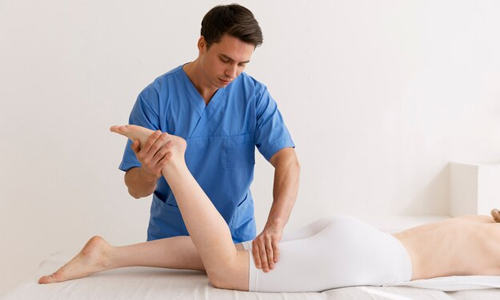
Acupuncture: It has gained recognition for its potential to reduce knee pain by stimulating specific points that may help alleviate inflammation and improve joint function. Many patients report relief from knee discomfort after acupuncture sessions, often citing improved mobility and reduced stiffness as significant benefits.
Massage Therapy: It offers a hands-on approach to managing knee pain by enhancing blood flow, reducing muscle tension, and promoting relaxation.
Heat and Cold Therapy: Applying a heat pack helps relax muscles and increase circulation, before engaging in gentle exercises. Conversely, cold packs reduce inflammation and numb the area, making them suitable for acute pain relief after activity or injury.
When to Seek Professional Help
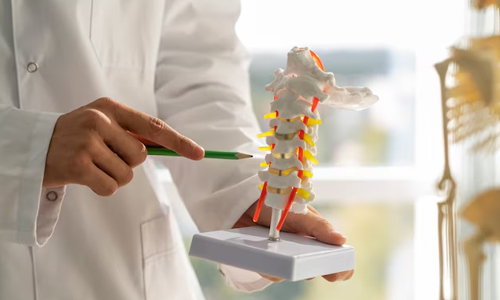
- Red Flags: If you experience sudden, severe pain in your knee accompanied by swelling, warmth, or redness, it could indicate a serious injury or infection requiring immediate medical attention.
- Chronic Pain: If your knee pain persists for more than a few weeks despite trying home remedies and over-the-counter treatments, it’s advisable to consult a healthcare provider.
Consider seeing an orthopedic specialist for conditions involving bone, joint, or soft tissue injuries, particularly if you’ve had a recent injury or if the pain is interfering with daily activities. A rheumatologist can help diagnose and manage inflammatory conditions like rheumatoid arthritis or gout that may be contributing to your knee pain.
Kick Your Knee Pain Today!
Try these home remedies for knee pain to find what works best for you. And, remember, your healthcare provider is there to support you with personalized advice and treatment options tailored to your specific needs. So, don't hesitate to reach out for professional guidance and to ensure you're on the right track toward better knee health.
Have you tried any of these remedies for knee joint pain? Share your experiences and tips in the comments below! Whether you're seeking advice or want to discuss your journey managing knee pain, our community is here to support you.