

More people are turning to IVF than ever before, with around 330,000 cycles done in 2021 alone. A big reason for this increase is that people are more open about their fertility struggles, which helps reduce the stigma around seeking help.
Thanks to technological advances, success rates have improved, especially for women under 35, where about 50% can expect a live birth from one cycle. For older patients, options like genetic testing are becoming more common. Emotional support has also become a focus. Many clinics now offer counseling and support groups, recognizing that IVF can be tough.
In this blog, let us take a closer look at IVF, understand why people opt for it, its stages, the factors influencing success, costs, potential risks, and more. By the end, you'll have a clear understanding of whether IVF is the right choice for you or your loved ones.
What is IVF?
IVF, or "In Vitro Fertilization" is a well-known fertility treatment that many people turn to when they’re having trouble conceiving naturally. The term "in vitro" means "in glass," which hints at the lab environment where all the magic happens.
You might hear it referred to as a "test-tube baby" procedure, and it’s a key part of what’s called "assisted reproductive technology" (ART). More and more people are becoming aware of it, and as technology keeps advancing, the options and success rates are getting better all the time. It really plays a crucial role for many individuals and couples hoping to start or grow their families.
Alternative names for IVF include:
- Test tube baby
- Assisted reproductive technology (ART)
- Fertility treatment
Why IVF?
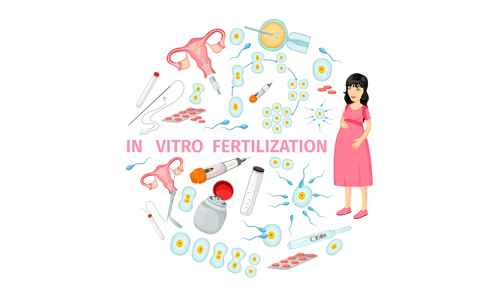
It helps with a bunch of fertility issues, like when someone has blocked or damaged fallopian tubes, or if there are male infertility concerns. It’s also effective for conditions like ovulation disorders, genetic issues, or even when the reason for infertility isn’t clear.
What’s great is that it isn’t just for heterosexual couples. Same-sex couples and single women often turn to it as well when they want to start a family. Plus, for those looking to preserve their fertility for the future freezing eggs or sperm provides a solid option.
It’s a versatile solution that can support many different paths to parenthood. If you’re curious about how it might work for different situations, there is a clear discussion below.
Stages of IVF
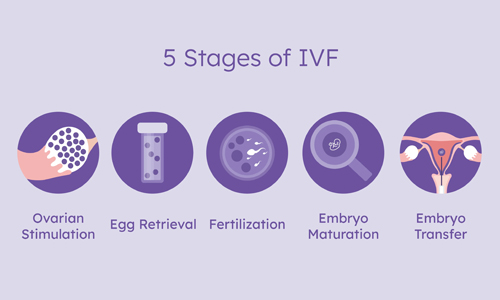
1. Ovarian Stimulation
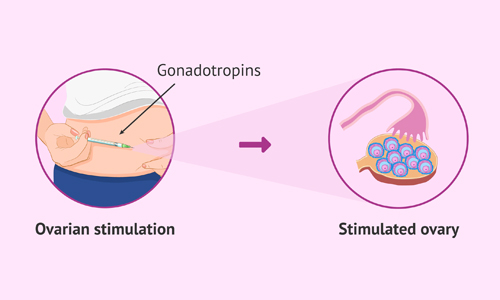
So, the first step in IVF is ovarian stimulation. This is where the woman takes fertility medications, usually in the form of injections, to help her ovaries produce multiple eggs instead of just one. It’s like giving those ovaries a little nudge. Doctors keep a close eye on things with blood tests and ultrasounds to make sure everything is going as planned.
2. Egg Retrieval
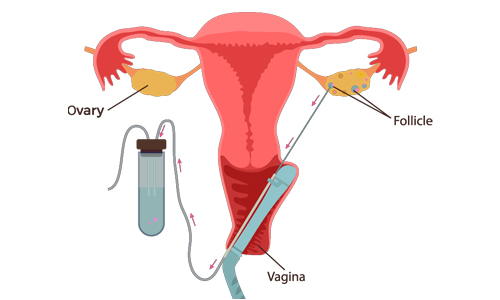
Once the eggs are ready, it’s time for egg retrieval. This is a minor procedure that usually happens under sedation, so it’s not too uncomfortable. A thin needle is guided by ultrasound to collect the mature eggs from the ovaries. It typically takes about 20 to 30 minutes, and many women can go home the same day.
3. Sperm Collection

Next up is sperm collection. The male partner provides a sperm sample at the clinic. If donor sperm is needed, it can be sourced from a sperm bank. The lab checks the sample for quality and motility to ensure the best chance for fertilization.
4. Fertilization
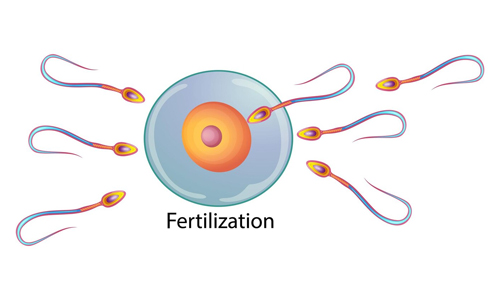
Then comes the exciting part—fertilization! In the lab, the eggs and sperm are combined. Sometimes they use traditional insemination, but they might also do something called ICSI, where a single sperm is injected directly into an egg. It’s pretty fascinating to see how this all happens!
5. Embryo Culture
After fertilization, the embryos are placed in a controlled environment to grow. This stage lasts a few days, and the lab monitors the embryos closely to make sure they’re developing well. They’re looking for the healthiest embryos to move forward with.
6. Embryo Transfer
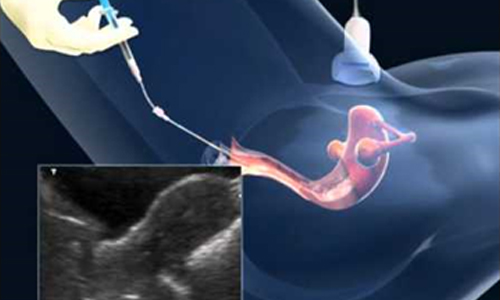
A few days later, it’s time for the embryo transfer. The best-quality embryos are selected and gently placed into the woman’s uterus using a thin catheter. This procedure is pretty straightforward and doesn’t usually require anesthesia. It’s a hopeful moment as the embryos are now in the perfect spot to try to implant.
7. Pregnancy Test

Finally, about two weeks after the transfer, a pregnancy test is done to see if the process worked. This test checks for the hormone hCG, which indicates that implantation has occurred. It’s a nerve-wracking wait, but it’s the moment that so many people have been eagerly anticipating.
How Long Does IVF Take?

So, from the beginning of ovarian stimulation to the actual embryo transfer, the IVF process usually takes around 4 to 6 weeks. Of course, this timeline can vary quite a bit depending on how an individual responds to the medications and any other procedures that might be needed along the way.
Some people might go through the steps more quickly, while others may take a bit longer. It’s all about tailoring the process to what works best for each person. Plus, there can be additional monitoring or adjustments based on how things are progressing. So, it’s a journey, but one that many find worthwhile in the end.
Success Factors in IVF
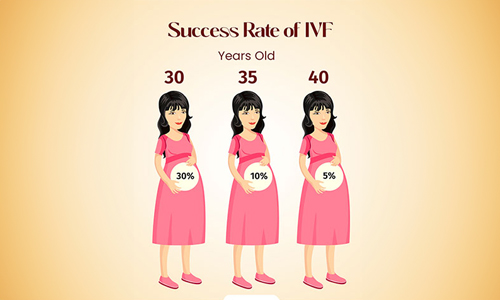
Several factors contribute to the success of an IVF cycle.
a) Maternal Age
A woman’s age is one of the most critical determinants of her success. Younger women, particularly those under 35, typically have a higher chance of success. As maternal age increases, the quality and quantity of eggs decline, reducing the likelihood of conception.
b) Embryo Quality
The quality of embryos is vital to the success of it. Poor-quality embryos are less likely to implant or may lead to miscarriage. Advancements in embryo screening, such as Preimplantation Genetic Testing (PGT), help improve the selection of healthy embryos.
c) Fertility Issues
Underlying fertility issues, such as endometriosis, polycystic ovary syndrome (PCOS), or male infertility factors, can affect the success of it. Correct diagnosis and tailored treatment protocols can help improve outcomes.
d) Lifestyle Factors
Lifestyle choices, such as smoking, excessive alcohol consumption, poor diet, and obesity, can significantly impact its success. Maintaining a healthy lifestyle, managing stress, and following your fertility specialist’s recommendations are critical during the process.
IVF Treatment Cost
You know, the treatment can get pretty expensive, and the costs can vary depending on a few factors like where you live, the clinic you go to, and your specific treatment plan. Generally, you’re looking at around $10,000 to $15,000 for one cycle. But that’s just the start. You also have to think about extra expenses for medications, genetic testing, and even embryo storage.
While some insurance plans do offer partial coverage, many couples still end up paying a significant amount out of pocket. It can really add up, and the financial stress can be tough to manage on top of everything else.
That’s why it’s so important to have a clear understanding of your insurance policy and to reach out to your provider to see what’s covered. Many clinics also have financial counselors who can help you navigate these costs and might even offer payment plans.
After IVF

After the embryo transfer, it’s super important to follow your doctor’s advice. They might suggest resting and avoiding certain activities, like heavy lifting or intense workouts. A lot of women go back to their usual daily routines, but some prefer to take a few days off to just relax and recharge.
This is known as the critical waiting period, and it usually lasts about two weeks after the transfer. It’s such an anxious time because you’re just waiting to see if the embryo has implanted successfully. Understandable if you’re feeling a mix of excitement and nerves.
During this wait, some people like to keep busy with light activities or hobbies to help distract themselves. Others might want to take it easy, maybe catch up on some shows or dive into a good book. It’s really about what feels best for you!
And hey, it’s perfectly normal to feel all sorts of emotions during this time. Having a good support system and staying connected with your healthcare team can help. If you’re curious about what to expect during the waiting period or how to handle the stress, just speak to your doctor.
Is IVF Safe for Women?

You might be asking yourself, “Is IVF safe for women?” It’s a really important question, and I’m glad you’re considering it!
It is generally considered safe for most women. Millions of people have gone through the process, and for many, it’s been a successful path to starting a family. However, like any medical procedure, it does come with some risks and side effects that are worth discussing.
First off, many women experience mild side effects from the fertility medications used during the ovarian stimulation phase. Common ones include bloating, mood swings, and fatigue. These effects are usually temporary and can be managed. It’s all about what your body goes through while it’s adjusting to the medications.
One thing to be aware of is ovarian hyperstimulation syndrome (OHSS). This is a condition that can occur if the ovaries respond too strongly to the medications, leading to swelling and pain. It sounds serious, but it’s relatively rare, and doctors are very vigilant about monitoring during treatment to minimize this risk.
Another consideration is the emotional impact of the IVF journey. It can be a rollercoaster ride, filled with hope and anxiety. That’s why having a strong support system in place—whether it’s friends, family, or a counselor—can help you navigate the ups and downs.
When it comes to long-term health, studies have shown that women who undergo IVF do not have a higher risk of developing health issues later on. This can be a relief to many who are concerned about the long-term effects.
It’s also worth noting that each individual’s experience can vary based on personal health factors and specific circumstances. So, if you have any particular concerns or questions, it’s a great idea to discuss them with your healthcare provider. They can provide you with tailored information based on your unique situation.
Side Effects and Risks
So, you’re thinking about it, and that’s a big step! It’s super important to know what to expect, especially when it comes to side effects and risks.
Common Side Effects
a. Bloating and Abdominal Discomfort

One of the first things many women notice is bloating. The hormonal medications can make your abdomen feel a bit full or uncomfortable. It’s usually temporary, but it can be annoying.
b. Mood Swings

Hormones are powerful, right? You might find yourself feeling a bit more emotional than usual maybe a little irritable or tearful. It’s completely normal, but it’s good to be aware so you can find ways to cope.
c. Fatigue

With everything going on, feeling tired is pretty common. The medications, combined with the emotional ups and downs, can leave you feeling drained. Make sure to carve out some time for rest and self-care.
d. Ovarian Hyperstimulation Syndrome (OHSS)

This is a condition that can happen if your ovaries react too strongly to the medications. Symptoms can range from mild bloating to more serious issues like pain and fluid retention. Your doctor will monitor you closely to help prevent this.
Risks to Keep in Mind
A, Multiple Pregnancies
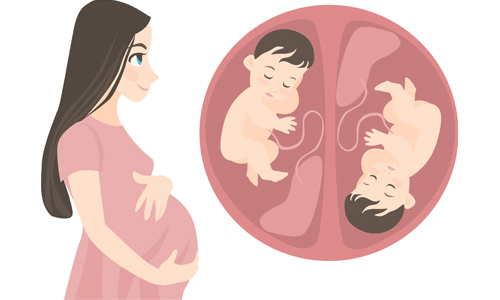
It does increase the chances of having multiples, especially if more than one embryo is transferred. While some people dream of twins or more, it’s important to consider that multiple pregnancies can come with extra risks for both you and the babies.
B. Ectopic Pregnancy
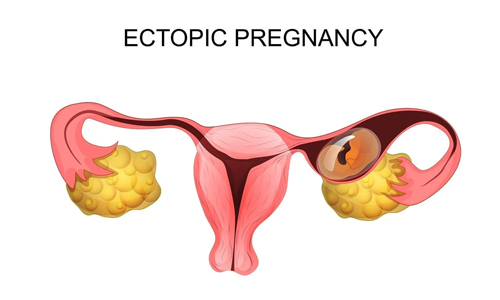
There’s also a small chance of an ectopic pregnancy, where the embryo implants outside the uterus. This is a serious situation, but your healthcare team will keep an eye out for it.
C. Long-Term Health Risks

Research shows that it doesn’t generally lead to higher long-term health risks for women. However, everyone’s situation is unique, so it’s always good to talk with your doctor about any personal concerns you might have.
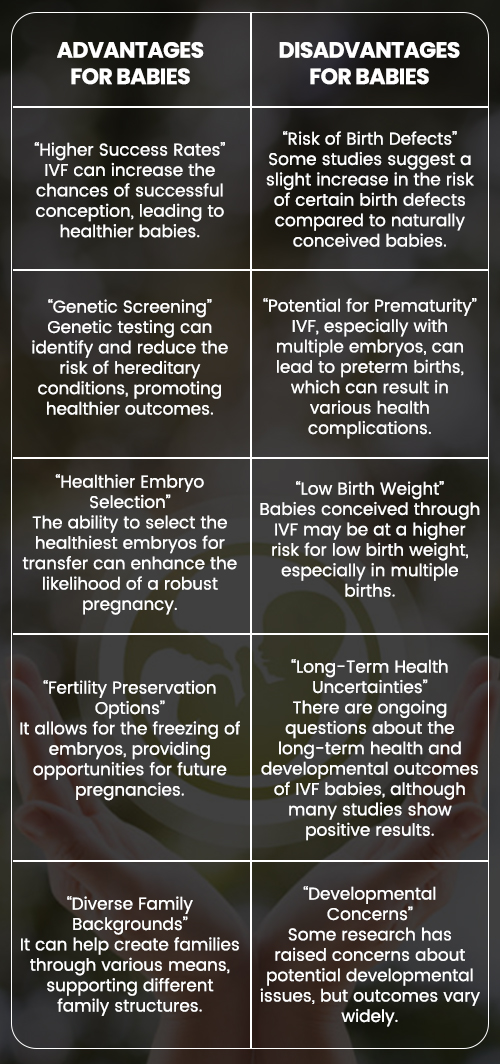
Advantages and Disadvantages for Babies
FAQs
- What is IVF and how does it work?
It is a fertility treatment where eggs are fertilized outside the body and implanted into the uterus.
- What is the age limit for IVF treatment?
It is most successful for women under 35, and success declines after age 40.
- Can you choose the gender of your baby with IVF?
Yes, gender selection is possible through pre-implantation genetic Testing (PGT), but it's subject to legal and medical guidelines.
- How long does the IVF process take from start to finish?
IVF typically takes 4-6 weeks from ovarian stimulation to embryo transfer.
- What are the success factors for IVF?
Success depends on factors like maternal age, embryo quality, fertility issues, and lifestyle habits.
IVF has truly changed the game for so many people dreaming of parenthood. It offers a glimmer of hope to those who might have thought it wasn’t possible. Sure, the journey can be quite demanding physically, emotionally, and financially but countless families around the globe have found success through it.
It’s really important to get a good grasp of the stages, costs, and potential risks involved. And don’t forget to have a heart-to-heart with a fertility specialist. They can help you figure out the best approach that’s tailored just for you. Remember, you’re not alone on this journey, and there’s a supportive community out there ready to help.