
Pregnancy changes everything. It changes your body, your priorities, your sleep, and your relationship with food. Yet despite all the information available online, millions of women still feel confused, unprepared, or overwhelmed. This complete guide to pregnancy cuts through the noise. It delivers evidence-based answers to the questions you are actually asking — from the first strange symptom to postpartum recovery and beyond.
Every section of this guide is backed by clinical research, peer-reviewed studies, and guidance from leading health organizations, including the American College of Obstetricians and Gynecologists (ACOG), the World Health Organization (WHO), and the Centers for Disease Control and Prevention (CDC). You will find real statistics, real study findings, and honest answers and not vague reassurances.
Disclaimer: This blog is for educational purposes only and does not substitute professional medical advice. Always consult your OB-GYN or certified midwife for decisions related to your health and pregnancy.
Early Signs of Pregnancy

Your body sends signals before a pregnancy test can confirm what is happening. Recognizing these early signs helps you act quickly — stopping harmful habits, starting prenatal care, and preparing emotionally.
The Most Common Early Pregnancy Symptoms

A missed period is the most recognized early sign, but it is far from the only one. Research shows that up to 90% of pregnant women experience at least one of the following symptoms in the first trimester.
Missed Period
The most reliable early indicator, though stress, illness, or hormonal imbalances can also delay menstruation.
Implantation Bleeding
Light spotting occurs in 15–25% of pregnancies around 6–12 days after fertilization when the embryo attaches to the uterine wall.
Breast Tenderness
Rising estrogen and progesterone levels cause breast tissue to swell. This often begins 1–2 weeks after conception.
Nausea and Vomiting
Commonly called morning sickness, it affects up to 80% of pregnant women and can strike at any time of day.
Fatigue
Surging progesterone levels and increased metabolic demands cause profound tiredness, often beginning in week 3–4.
Frequent Urination
The growing uterus begins pressing on the bladder, and kidneys filter 50% more blood during pregnancy.
Heightened Sense of Smell
Hyperosmia affects many pregnant women and can trigger nausea.
Food Cravings or Aversions
Hormonal shifts alter taste and smell perception significantly.
Light Cramping and Bloating
Early uterine stretching and progesterone slowing digestion cause mild cramping and bloating.
Elevated Basal Body Temperature (BBT)
BBT remains higher than normal after ovulation if pregnancy occurs.
Mood Swings
Rapid hormonal fluctuations affect neurotransmitter levels, causing emotional sensitivity.
Headaches
Increased blood volume and hormonal changes trigger headaches in many women.
A 2021 study published in BMJ Open found that 72% of women reported fatigue as their very first pregnancy symptom, even before a missed period.
Less Obvious Early Signs Worth Knowing

Some women experience symptoms that seem entirely unrelated to pregnancy. Recognizing these prevents misattribution and unnecessary worry.
Metallic Taste in the Mouth (dysgeusia)
Caused by estrogen changes affecting taste buds.
Nasal Congestion
Increased blood flow can swell the nasal mucosa, causing pregnancy rhinitis.
Vivid Dreams
Elevated progesterone disrupts sleep architecture, increasing dream recall.
Darkening of the Areolas
Melanocyte-stimulating hormone rises in pregnancy.
Visible Blue Veins on Breasts and Abdomen
Increased blood volume makes veins more prominent.
Dizziness or Lightheadedness
Vasodilation and blood pressure drops in early pregnancy.
Early Signs That Are NOT Pregnancy

Not every symptom cluster means you are pregnant. Several conditions and circumstances mimic pregnancy symptoms closely. Understanding them prevents false hope or unnecessary panic.
Conditions That Mimic Pregnancy
Premenstrual Syndrome (PMS)
Breast tenderness, bloating, fatigue, mood swings, and cramping are hallmarks of PMS and overlap heavily with early pregnancy symptoms.
Polycystic Ovary Syndrome (PCOS)
Irregular periods, weight gain, and mood changes often accompany PCOS and can be mistaken for pregnancy.
Thyroid Disorders
Both hypothyroidism and hyperthyroidism cause fatigue, weight changes, mood instability, and irregular periods.
Stress and Anxiety
Chronic stress elevates cortisol, which suppresses reproductive hormones and can delay or stop menstruation entirely.
Perimenopause
Women in their late 30s and 40s may experience irregular periods, hot flashes, breast tenderness, and mood changes — all similar to early pregnancy.
Irritable Bowel Syndrome (IBS)
Bloating, cramping, and nausea caused by IBS can closely resemble early pregnancy discomfort.
Urinary Tract Infections (UTIs)
Frequent urination, lower abdominal discomfort, and general malaise overlap with pregnancy signs.
Ectopic Pregnancy
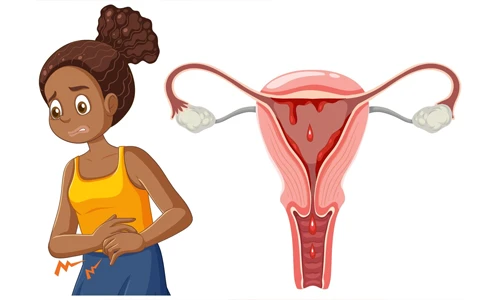
This life-threatening condition causes similar symptoms to normal pregnancy but with sharp one-sided pain. It requires immediate medical attention.
According to ACOG, ectopic pregnancies account for approximately 2% of all pregnancies in the U.S. and are a leading cause of first-trimester maternal death.
What Is False Pregnancy and Why Does It Happen?

False pregnancy, medically called pseudocyesis, is a rare but genuine psychological and physiological condition in which a person believes they are pregnant and develops real physical symptoms of pregnancy — without actually carrying a fetus.
Symptoms of False Pregnancy
- Cessation of menstruation
- Abdominal enlargement that can resemble a baby bump
- Breast changes and milk secretion (galactorrhea)
- Sensation of fetal movement
- Nausea and vomiting
- Weight gain
Why Pseudocyesis Occurs
The exact mechanism is not fully understood, but researchers believe the brain-body connection plays a central role. The brain may send signals that trigger actual hormonal changes — including elevated estrogen, progesterone, and prolactin — which in turn produce genuine physical symptoms.
Psychological factors include intense desire for pregnancy (especially after infertility struggles), history of miscarriage or pregnancy loss, extreme fear of pregnancy, or severe stress and depression. Some cases also occur in postmenopausal women or those with eating disorders.
A review published in the journal Psychosomatics found that pseudocyesis occurs in approximately 1–6 per 22,000 live births in developed countries. It is more common in areas with strong cultural or social pressure around motherhood.
Treatment involves a combination of psychological counseling, hormone evaluation, and compassionate communication from healthcare providers. An ultrasound confirming the absence of a fetus is typically the most definitive way to address the condition.
Reasons You Are Not Getting Pregnant

Infertility affects approximately 1 in 6 couples worldwide, according to WHO 2023 data. Many cases are treatable once the underlying cause is identified. Understanding why conception is not occurring is the first step toward resolving it.
Female Factors
Ovulation Disorders
The most common female infertility cause, accounting for up to 40% of cases. PCOS is the leading ovulation disorder.
Blocked or Damaged Fallopian Tubes
Often caused by pelvic inflammatory disease (PID), endometriosis, or previous ectopic pregnancy. Tubal factor infertility causes about 30% of female infertility cases.
Endometriosis
Affects 10% of women of reproductive age. It creates adhesions and inflammation that impair egg release, fertilization, and implantation.
Uterine Abnormalities
Fibroids, polyps, or a septate uterus can block implantation or increase miscarriage risk.
Premature Ovarian Insufficiency (POI)
The ovaries stop functioning normally before age 40. Affects about 1% of women.
Age-related Decline
Female fertility begins declining around age 32 and more steeply after 37 due to decreased egg quality and quantity.
Thyroid Dysfunction
Both hypothyroidism and hyperthyroidism disrupt the hormonal cascade needed for ovulation.
Elevated Prolactin (hyperprolactinemia)
Suppresses ovulation. Often caused by a small pituitary tumor (prolactinoma).
Male Factors

Low Sperm Count (oligospermia)
A count below 15 million sperm per milliliter is considered low by WHO standards.
Poor Sperm Motility (asthenospermia)
Sperm must swim effectively to reach the egg.
Abnormal Sperm Morphology (teratospermia)
Misshaped sperm cannot fertilize eggs effectively.
Varicocele
Enlarged veins in the scrotum raise testicular temperature, impairing sperm production. Present in 40% of infertile men.
Hormonal Imbalances
Low testosterone or elevated estrogen in men affects sperm production.
Retrograde Ejaculation
Semen enters the bladder instead of exiting through the urethra.
Lifestyle and Environmental Factors

Smoking
Reduces ovarian reserve and sperm quality significantly.
Alcohol and Recreational Drugs
Both impair hormonal function in men and women.
Obesity or Underweight
BMI extremes disrupt ovulation and hormone production.
Excessive Exercise
In women, it can suppress ovulation (hypothalamic amenorrhea).
Exposure to Toxins
Pesticides, heavy metals, and BPA affect fertility in both sexes.
Timing
Only 12–24 hours after ovulation is the egg viable. Couples who miss this window consistently will not conceive despite being fertile.
The CDC reports that about 12% of women ages 15–44 have difficulty getting pregnant or carrying a pregnancy to term. Male factor infertility contributes to 40–50% of all infertility cases.
Understanding Pregnancy Tests: What They Do and When to Use Them
Confirming pregnancy involves more than a home test. A full picture requires multiple tests across different stages of pregnancy, each measuring something specific. Here is what every test tells you and why it matters.
Home Urine Pregnancy Tests (HPTs)
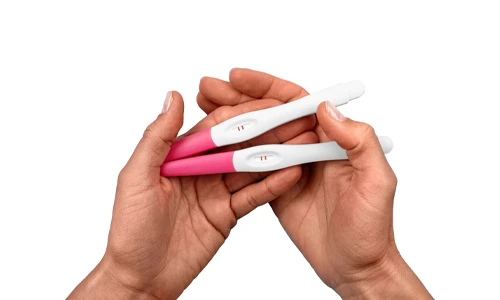
Home pregnancy tests detect human chorionic gonadotropin (hCG), a hormone produced after a fertilized egg implants in the uterus. hCG is detectable in urine around 10–14 days after conception.
- Accuracy: Most modern HPTs are 99% accurate when taken on or after the first day of a missed period. Taking the test too early (before sufficient hCG builds up) causes false negatives.
- Best time to test: First morning urine, which is most concentrated.
- False positives: Rare but possible with certain medications (hCG injections), chemical pregnancies, or certain cancers.
- False negatives: Common when tested too early or with diluted urine.
How Home Pregnancy Tests Work and What the Lines Mean
Home tests are very accurate when used correctly. A typical urine test has two marked areas:
- Control line (C) – This line appears every time if the test is working properly. It tells you the test is valid.
- Test line (T) – This line appears only if hCG is detected. If you’re pregnant, hCG in your urine will trigger color change at the test line location.
A home pregnancy test typically shows one line for “control” (indicating the test worked) and another line for “test” if hCG is detected. Even a faint second line (right) usually means pregnancy.
When you use the test (by peeing on the stick or dipping it in a cup of urine), the reagents on the strip react. If no hCG is present, only the control line will develop color (usually blue or pink, depending on brand) and the test line will remain blank. This indicates a negative result. If hCG is present, both the control line and the test line will color in.
Importantly, the strength of the test line depends on how much hCG is in your urine. Early in pregnancy, hCG levels are low, so the test line can be very light. As the hormone level rises each day, the line becomes darker. A digital pregnancy test simply displays “Pregnant” or “Not Pregnant,” but analog line tests rely on color. Even if the line is pale, it still means the hormone was detected.
Why a Line Might Be Faint
A faint positive line usually means you are indeed pregnant, but at a stage when hCG is still low. Here are the most common reasons a positive line looks weak:
Very Early Pregnancy
You may have tested just days after implantation, so hCG has only just started to rise. Many sensitive tests can detect hCG several days before your missed period, but the hormone level is still very low. Clearblue explains that some tests detect pregnancy up to 6 days before a missed period, but “the levels of hCG this early are so low that you can expect any line to be faint.” As days pass, hCG doubles every 2–3 days, so waiting a few more days will usually make the line darker.
Diluted Urine
If you drank a lot of water or took the test later in the day, your urine may be less concentrated. A lower concentration of hCG makes the line lighter. The best strategy is to test with the first-morning urine, when hormones are most concentrated. Natural Cycles notes, “If you’ve drunk a lot of water right before testing, the results might not be positive even if you are pregnant… The best time to take the test is early in the morning when your urine is most concentrated.”
Testing Before a Missed Period
If you test too soon, the hCG levels may be just reaching the threshold. Most experts recommend waiting until at least the day your period is due (or 1–2 days after) to test, for more reliable results. However, if you are anxious, you may test early – just know the line may be faint.
Faulty or Low-Sensitivity Test
Some inexpensive or expired tests have higher detection thresholds (e.g. 25 mIU/mL instead of 10 mIU/mL). A less sensitive test might only show a very faint line if hCG is borderline. Always check the expiration date and consider using an early-detection test if you suspect pregnancy before a missed period.
It’s also worth noting an extremely rare phenomenon called the “hook effect”: if hCG is extremely high (as in some multiples or molar pregnancies), it can actually overwhelm certain tests and make the line appear weak or even absent. This is very unlikely in a normal early pregnancy.
Common Reasons for a Faint Test Line
- Low hCG level (early pregnancy)
- Diluted urine (drank lots of fluids, or tested late in day)
- Testing too soon (before missed period)
- Expired or defective test, or not following instructions
- Evaporation line
If you see a faint line, most likely it is simply telling you that you are pregnant and hCG is on the rise. In one questionnaire study, women who saw a very faint line often confirmed pregnancy on retesting a few days later. In general, home tests are designed so even a faint line should be treated as positive. To be sure, you can retest in 2–3 days (when hCG doubles) or follow up with a doctor’s blood test.
Faint Positive vs. Evaporation Line
One big concern with faint lines is the possibility of an evaporation line. An evaporation line is a thin, colorless, or gray line that can appear if you read the test after the recommended time. As the urine dries, a faint streak may show up at the test line position. This can confuse readers, because it looks a bit like a faint positive line – but it actually means no hCG was detected.
Evaporation Line
Appears due to dried urine (often colorless or grey) after the wait time has passed. Not a true positive.
Clear guidance from clinics and experts is always to read your pregnancy test result within the time frame specified (usually 3–10 minutes, depending on brand) and to discard or ignore the test after that window. If a second line only appears long after the test is done (especially if it is colorless or grey), it is likely an evaporation artifact, not a true positive.
How to Tell the Difference
Color
A true positive line will match the color of the control line (usually pink or blue, depending on test brand). A faint test line often has some tint (light pink or blue) because hCG triggered color change. An evaporation line tends to be colorless, grey, or ashy.
Timing
A real positive usually appears within the time frame (often within 1–5 minutes of testing). An evaporation line typically appears after the urine has dried (beyond the instruction time). Read the test promptly and only consider the result in the specified window.
Location
On most stick tests, lines are parallel. A true test line will form in the marked “T” area. An evaporation line sometimes looks fuzzy or doesn’t align perfectly.
Natural Cycles emphasizes this point: “Always check the results within a couple of minutes and toss the test into the bin immediately afterward to avoid any confusion”. Women’s Clinics Maryland also notes, “A faint line can still mean you’re pregnant, while an evaporation line simply means your urine has evaporated from the test”.
A faint true positive line has color and appears promptly when hCG is detected. An evaporation line would usually be colorless or grey and might appear only after the test dries.
If you ever suspect what you see might be an evap line, a good rule is to test again with a fresh strip immediately. If the new test shows a faint colored line, that confirms a positive result.
Tips for Accurate Testing
To minimize confusion and get the clearest result, follow these best practices:
Test at the Right Time
Unless using a specially labeled “early pregnancy” test, wait until at least the first day your period is late. This allows hCG to reach higher levels. If you must test early, be prepared for a faint line.
Use First Morning Urine
hCG is most concentrated in the morning. Taking the test immediately after waking gives the strongest sample and reduces the chance of a falsely light line. If you’ve already been drinking fluids all day, consider waiting until morning.
Read Instructions Carefully
Every brand and style is a bit different (lines vs. plus/minus, timing, how to collect urine). Follow each step exactly and stick to the timeframe. Natural Cycles advises reading instructions thoroughly before testing.
Check Expiration Date
An expired test may give odd or faded lines. Always use a test that is within its use-by date.
Avoid Excessive Fluids Before Testing
Don’t chug a lot of water right before the test; diluted urine can weaken the line. On the other hand, don’t hold urine for too long, which could concentrate other waste products. In general, normal hydration is fine.
Use a Sensitive or Digital Test for Early Testing
Some tests detect lower levels of hCG (e.g. 10 mIU/mL) and can give a clearer line earlier. Digital tests (which display “Pregnant” or “Not Pregnant”) eliminate guessing over line intensity. Clearblue even markets an early-detection digital test for use days before the missed period.
Retest if Unsure
If you see a faint line but aren’t confident, wait 2–3 days and test again (preferably with first-morning urine). hCG roughly doubles every 48 hours, so the line should darken. This is one of the tips women’s experts give: if still no period, “wait a couple days and test again”.
By using the test correctly and at the right time, you can usually avoid extremely faint results. For instance, Clearblue notes you can avoid getting faint lines by using a digital test, testing first thing in the morning, and avoiding over-hydration before the test.
Blood Pregnancy Tests (Serum hCG)
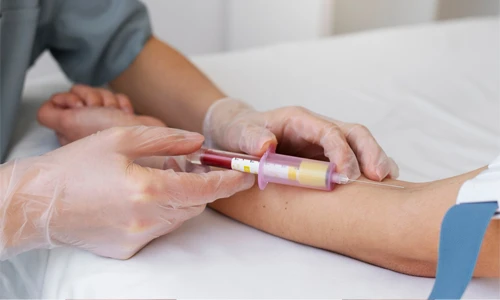
Blood tests are more sensitive than urine tests and can detect pregnancy earlier — often 6–8 days after ovulation.
- Qualitative hCG blood test: Confirms whether hCG is present (yes/no result). Used when early confirmation is critical.
- Quantitative hCG blood test (beta-hCG): Measures the exact amount of hCG in the blood. In early normal pregnancy, hCG levels double approximately every 48–72 hours. Serial measurements help assess pregnancy viability.
First Trimester Screening (Weeks 10–13)
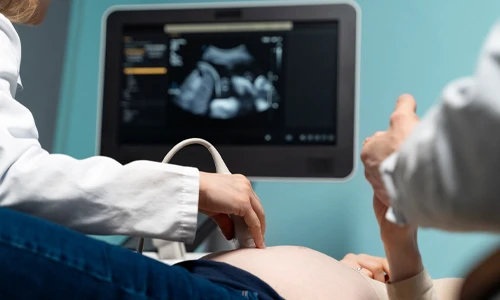
Nuchal Translucency (NT) Ultrasound
Measures fluid at the back of the baby's neck. Increased NT thickness is associated with Down syndrome, trisomy 18, and heart defects. Combined with blood tests, detection rates for Down syndrome reach 85–90%.
Cell-Free DNA (cfDNA) / NIPT
Non-invasive prenatal testing screens for chromosomal abnormalities using fetal DNA in the mother's blood. Accuracy for Down syndrome detection exceeds 99%. Offered from week 10 onward.
PAPP-A and hCG Blood Test
Pregnancy-associated plasma protein A (PAPP-A) and free beta-hCG levels help calculate chromosomal abnormality risk.
Second Trimester Screening (Weeks 14–22)

Anatomy Ultrasound (18–20 weeks)
The most detailed scan of the pregnancy. Evaluates fetal organs, limbs, brain, spine, heart, and placenta location. Also determines fetal sex if desired.
Quad Screen (15–20 weeks)
A blood test measuring AFP, hCG, estriol, and inhibin A. Screens for Down syndrome, trisomy 18, and neural tube defects. Sensitivity is approximately 80% for Down syndrome.
Amniocentesis (15–20 weeks)
Diagnostic (not just screening) test that analyzes fetal chromosomes from amniotic fluid. Detects chromosomal abnormalities with >99% accuracy. Carries a 0.1–0.3% risk of miscarriage.
Third Trimester Tests

Group B Streptococcus (GBS) Screening (35–37 weeks)
Vaginal-rectal swab tests for bacteria that can infect the baby during delivery. About 25% of women carry GBS harmlessly but can transmit it during birth.
Non-Stress Test (NST)
Monitors fetal heart rate in response to movement. Used to assess fetal well-being in high-risk pregnancies.
Biophysical Profile (BPP)
Combines NST with ultrasound to evaluate fetal breathing, movement, muscle tone, and amniotic fluid.
Glucose Tolerance Test (GTT) / Gestational Diabetes Screening (24–28 weeks)
The 1-hour glucose challenge test screens for gestational diabetes. If elevated, a 3-hour test confirms or rules out the diagnosis.
According to the CDC, gestational diabetes affects 2–10% of pregnancies in the United States annually. Early detection and management significantly reduces risks to mother and baby.
Are These Tests Safe?
The vast majority of pregnancy tests are non-invasive and entirely safe. Ultrasounds use sound waves, not radiation, and have no established risks to mother or baby. Blood tests carry minimal risk. Invasive procedures like amniocentesis carry a small but real procedural risk and are offered only when benefits outweigh risks.
What Strengthens the Uterus and Prepares It for Pregnancy
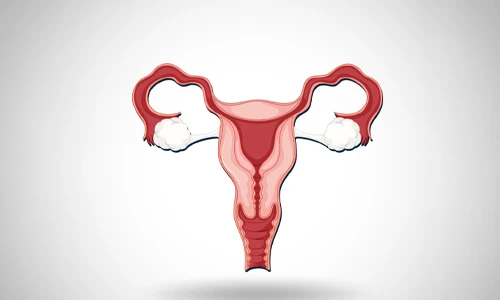
A healthy uterus is essential for successful implantation and a full-term pregnancy. Both dietary choices and physical activities directly influence uterine health.
Foods That Support Uterine Health

Leafy Greens (spinach, kale, Swiss chard)
High in folate, iron, and antioxidants that support uterine lining thickness.
Fatty Fish (salmon, sardines)
Omega-3 fatty acids reduce uterine inflammation and improve blood flow to the uterus.
Walnuts and Flaxseeds
Rich in alpha-linolenic acid (ALA), which supports uterine function.
Berries (Blueberries, Strawberries)
Packed with vitamin C and antioxidants that protect the uterine lining from oxidative stress.
Pineapple Core
Contains bromelain, an anti-inflammatory enzyme. While evidence remains anecdotal for implantation support, its anti-inflammatory properties are documented.
Fermented Foods (yogurt, kefir)
Support a healthy vaginal and gut microbiome, which research increasingly links to uterine receptivity.
Turmeric
Curcumin has demonstrated anti-fibrotic properties useful for women with uterine fibroids in preliminary studies.
Vitamin D-rich Foods (egg yolks, fortified dairy)
Vitamin D receptors exist throughout the uterus, and deficiency is linked to implantation failure and miscarriage.
A study published in Fertility and Sterility (2012) found that women with the highest adherence to a Mediterranean diet — rich in vegetables, legumes, and healthy fats — had a 40% higher chance of achieving pregnancy through IVF.
Physical Activities That Strengthen the Uterus

Kegel Exercises
Strengthening the pelvic floor muscles directly supports the uterus, bladder, and bowel. They improve uterine blood circulation and prepare the pelvic region for labor.
Yoga (especially hip-opening poses)
Improves pelvic blood flow and reduces cortisol levels that otherwise impair uterine receptivity.
Moderate Aerobic Exercise
Regular moderate exercise reduces systemic inflammation and supports a healthy BMI, both critical for uterine health.
Castor Oil Packs
Used traditionally to improve circulation to the reproductive organs. Scientific evidence is limited but anecdotal reports remain common.
What to Avoid

Smoking
Directly damages uterine tissue and reduces blood flow to the endometrium.
Excessive Caffeine
More than 200 mg/day is associated with reduced implantation rates.
Processed Trans Fats
Promote systemic inflammation that impairs uterine lining development.
Excessive Alcohol
Disrupts estrogen metabolism needed for proper endometrial development.
Why Doctors Prescribe Prenatal Vitamins

Prenatal vitamins are not just supplements — they are a clinical necessity. A developing fetus draws heavily on the mother's nutrient reserves, often faster than diet alone can replenish them. Deficiencies during early pregnancy can have irreversible consequences.
Key Nutrients in Prenatal Vitamins and Their Roles

Folic Acid (400–800 mcg)
Prevents neural tube defects (NTDs) like spina bifida and anencephaly. NTDs develop in the first 28 days of pregnancy — often before a woman knows she is pregnant. That is why folic acid supplementation is recommended before conception.
Iron (27 mg)
Supports increased blood volume during pregnancy and prevents maternal anemia. The risk of iron-deficiency anemia doubles during pregnancy.
Calcium (1,000 mg)
Supports fetal bone and teeth development. If intake is insufficient, the fetus draws calcium from the mother's bones.
Vitamin D (600 IU minimum)
Critical for calcium absorption and fetal bone development. Many pregnant women are deficient. Research links vitamin D deficiency to preeclampsia and gestational diabetes.
DHA (docosahexaenoic acid, 200–300 mg)
An omega-3 fatty acid essential for fetal brain and eye development. The fetal brain accumulates DHA rapidly in the third trimester.
Iodine (150 mcg)
Essential for fetal thyroid function and brain development. Severe iodine deficiency causes cretinism.
Vitamin B12
Works with folate in DNA synthesis. Deficiency can cause megaloblastic anemia and neurological damage.
Choline (450 mg)
Supports fetal brain development and helps prevent neural tube defects. Many prenatal vitamins contain insufficient choline — dietary sources like eggs are also important.
A Cochrane review of 29 trials involving over 96,000 women found that daily iron and folic acid supplementation in pregnancy significantly reduced rates of maternal anemia, low birth weight, and preterm birth.
When to Start Prenatal Vitamins

ACOG recommends starting prenatal vitamins at least one month before trying to conceive and continuing throughout pregnancy and breastfeeding. Most OB-GYNs suggest beginning as soon as you learn you are pregnant, or sooner if actively trying.
Disclaimer: Do not self-prescribe high-dose vitamins during pregnancy. Excessive vitamin A (above 10,000 IU/day), for example, is teratogenic and can cause birth defects. Always use prenatal vitamins approved by your physician.
The Role of Folic Acid During Pregnancy

Folic acid is arguably the single most important nutrient in the first trimester of pregnancy. It is the synthetic form of folate (vitamin B9), which plays a foundational role in DNA synthesis, cell division, and proper neural tube formation.
Why Folic Acid Matters So Much

The neural tube — the embryonic structure that becomes the brain and spinal cord — closes by the 28th day of pregnancy. This is before most women even know they are pregnant. A deficiency during this window dramatically increases the risk of neural tube defects.
The CDC reports that folic acid supplementation can prevent up to 70% of neural tube defects. Despite widespread recommendations, the CDC estimates that only about 23% of women of childbearing age consume the recommended daily amount of folic acid.
How Much Folic Acid Do You Need?
- Standard recommendation: 400–800 mcg daily for all women of reproductive age.
- Higher-risk women (previous NTD pregnancy, epilepsy, diabetes, or certain medications): 4,000 mcg (4 mg) daily, prescribed by a doctor.
- Natural food sources: Leafy greens, beans, lentils, citrus fruits, and fortified cereals provide naturally occurring folate but are rarely sufficient on their own.
Folic Acid Beyond Neural Tube Protection
Research shows folic acid also reduces the risk of cleft lip and palate, congenital heart defects, and preterm birth. It may also reduce the mother's risk of preeclampsia when combined with vitamin B6 and B12 supplementation.
Does Prescription Opioid Use During Pregnancy Harm the Baby?

This is one of the most urgent questions in maternal-fetal medicine today, given the ongoing opioid crisis in the United States. The honest answer is: yes, prescription opioid use during pregnancy carries significant risks to the developing baby.
Risks of Opioid Exposure In Utero
Neonatal Opioid Withdrawal Syndrome (NOWS)
Newborns exposed to opioids in the womb can experience withdrawal symptoms after birth — tremors, excessive crying, poor feeding, and seizures. NOWS affects an estimated 1 in 5 newborns exposed to opioids throughout pregnancy.
Preterm Birth
Opioid use is associated with significantly increased rates of preterm delivery.
Low Birth Weight
Fetal growth restriction is a documented consequence of opioid exposure.
Congenital Defects
Some studies link certain opioids (particularly codeine and oxycodone) to heart defects and neural tube defects, though evidence varies.
Placental Abruption
Opioid use increases risk of premature placental separation.
Stillbirth
Research shows opioid use disorder is associated with higher stillbirth rates.
CDC data shows that from 2010 to 2017, the rate of NOWS in the U.S. increased by approximately 80%. In 2017, approximately 7 neonates per 1,000 hospital births were diagnosed with NOWS.
What If You Need Pain Management During Pregnancy?

If you are being managed for chronic pain or opioid use disorder, do not stop opioids abruptly during pregnancy. Sudden withdrawal can cause fetal distress or miscarriage. Medication-assisted treatment with methadone or buprenorphine, under physician supervision, is considered the gold standard for opioid use disorder in pregnancy and is safer for both mother and baby than abrupt cessation or continued illicit use.
Disclaimer: Never stop prescribed opioids during pregnancy without medical supervision. Abrupt withdrawal can be dangerous. Speak with your OB-GYN and addiction medicine specialist immediately.
Do Painkillers Affect Pregnancy?

Not all painkillers carry the same risk in pregnancy. Understanding which are safer and which to avoid is essential for every pregnant woman.
NSAIDs (Ibuprofen, Naproxen, Aspirin in High Doses)
Non-steroidal anti-inflammatory drugs (NSAIDs) are contraindicated in the second and third trimesters. They can cause premature closure of the ductus arteriosus, a fetal heart vessel, leading to fetal pulmonary hypertension and kidney complications. First-trimester NSAID use is also associated with increased miscarriage risk.
A Canadian study published in the Canadian Medical Association Journal (2011) found that NSAID use in the first trimester was associated with a 2.4-fold increased risk of miscarriage compared to non-users.
Is Tylenol (Acetaminophen) Safe for Pregnant Women?

Acetaminophen (Tylenol) has long been considered the safest over-the-counter painkiller during pregnancy. However, recent research has raised new questions.
A 2021 consensus statement signed by over 90 scientists and medical experts, published in Nature Reviews Endocrinology, expressed concern that prenatal acetaminophen exposure may be associated with increased risk of attention deficit hyperactivity disorder (ADHD), autism spectrum disorder (ASD), and reproductive developmental issues in the child.
The FDA responded by updating its guidance in 2023 to advise pregnant women to use acetaminophen 'at the lowest effective dose for the shortest duration possible' and to consult a healthcare provider before use.
Current Guidance: Acetaminophen remains the preferred analgesic during pregnancy when a painkiller is necessary, but it is no longer considered entirely without risk. Use it sparingly and only when needed.
Disclaimer: Never take any pain medication during pregnancy — prescription or over-the-counter — without first consulting your OB-GYN or midwife. Self-medication can cause serious fetal harm.
Is There a Cure for Pregnancy Nausea?

Nausea and vomiting of pregnancy (NVP) affects approximately 70–80% of all pregnant women. While called 'morning sickness,' it can occur at any time of day. For most women, it peaks between weeks 8 and 10 and resolves by week 14. For some, it persists throughout the entire pregnancy.
Why Does Pregnancy Nausea Happen?
The exact cause is not fully understood, but rapidly rising hCG levels are the primary driver. Estrogen surges, a sensitive gastrointestinal tract, and genetic factors also play roles. Women carrying multiple pregnancies (twins, triplets) often experience more severe nausea due to higher hCG levels.
Evidence-Based Remedies for Pregnancy Nausea

Vitamin B6 (Pyridoxine)
The first-line treatment recommended by ACOG. Taking 10–25 mg three times daily has been shown in multiple trials to significantly reduce nausea severity.
Ginger
Multiple randomized controlled trials confirm that ginger (in capsule form, tea, or ginger ale) reduces nausea symptoms. A meta-analysis in Nutrition Journal (2014) found ginger was significantly more effective than placebo for NVP.
Doxylamine + B6 (Diclegis/Bonjesta)
FDA-approved for NVP. This combination has been used safely for decades and is considered first-line pharmacotherapy.
Acupressure (P6 point)
Wristbands targeting the P6 pressure point show modest benefit in several small trials.
Small, frequent meals: An empty stomach worsens nausea. Eating every 2–3 hours prevents stomach acid buildup.
Avoiding Triggers
Strong smells, fatty or spicy foods, and extreme temperatures worsen nausea for many women.
Ondansetron (Zofran): Prescribed for moderate-to-severe NVP. While widely used, some studies suggest possible cardiac risks at high doses — use only under physician supervision.
Hyperemesis Gravidarum: When Nausea Becomes Dangerous

Hyperemesis gravidarum (HG) is a severe pregnancy complication affecting approximately 0.5–3% of pregnancies. It causes persistent vomiting, dehydration, electrolyte imbalances, and weight loss of more than 5% of pre-pregnancy weight. HG typically requires IV fluids, antiemetics, and in severe cases, hospitalization.
Research published in JAMA Internal Medicine found that women with untreated severe HG face increased risk of Wernicke's encephalopathy (thiamine deficiency-related brain damage). Early and aggressive treatment is critical.
Conditions That Cannot Be Cured During Pregnancy: Harmful vs. Harmless
Some pre-existing conditions cannot be treated with standard therapies during pregnancy because treatments pose fetal risks. Others are manageable and do not significantly affect pregnancy outcomes.
Conditions Requiring Modified Management (Potentially Harmful If Untreated)

Epilepsy
Most anti-epileptic drugs carry teratogenic risks, particularly valproate. However, uncontrolled seizures pose greater risk to the fetus than medication. Neurologists typically switch to the safest possible anti-epileptic before conception.
Autoimmune Disorders (lupus, rheumatoid arthritis)
Certain immunosuppressants (methotrexate, leflunomide) are teratogenic and must be stopped. Disease flares during pregnancy can cause preterm birth, fetal growth restriction, and stillbirth.
Mental Health Disorders
Many antidepressants and antipsychotics carry uncertain fetal risk. However, untreated severe depression or schizophrenia also poses serious risks. Treatment decisions require careful risk-benefit analysis.
Hypertension
Certain blood pressure medications (ACE inhibitors, ARBs) are contraindicated. Uncontrolled hypertension risks preeclampsia and placental abruption. Safe alternatives exist (labetalol, nifedipine, methyldopa).
Hyperthyroidism/Graves' Disease
Propylthiouracil (PTU) is preferred in the first trimester, methimazole in the second and third. Uncontrolled hyperthyroidism risks thyroid storm, preterm birth, and fetal growth restriction.
Conditions That Are Largely Harmless During Pregnancy
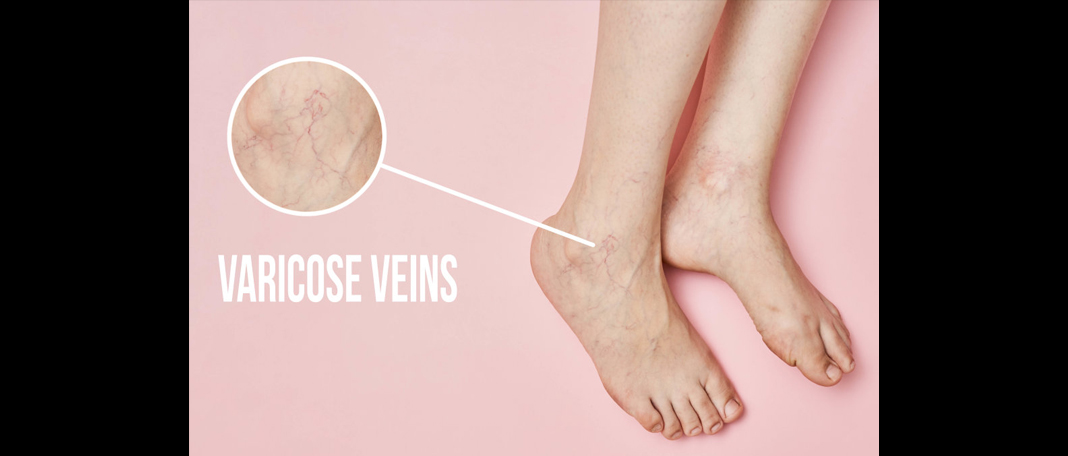
Varicose Veins
Very common in pregnancy due to progesterone relaxing vein walls and increased blood volume. Uncomfortable but not dangerous. Resolve partially or fully postpartum.
Carpal Tunnel Syndrome
Fluid retention causes nerve compression. Uncomfortable but harmless. Wrist splints and activity modification help. Typically resolves postpartum.
Mild Hemorrhoids
Increased pelvic pressure and constipation cause hemorrhoids in up to 50% of pregnant women. Treatable with dietary fiber, topical creams, and sitz baths.
Pregnancy-related Hyperpigmentation (melasma)
Harmless skin darkening caused by elevated melanocyte-stimulating hormone. Usually fades after delivery.
Can Cancer Survivors Get Pregnant?

Yes — many cancer survivors successfully carry healthy pregnancies. However, the answer depends heavily on the type of cancer, treatment received, age at diagnosis, and the individual's reproductive reserve after treatment.
How Cancer Treatment Affects Fertility
Chemotherapy
Alkylating agents (like cyclophosphamide) are most damaging to the ovarian reserve. The extent of damage depends on the type of drug, dose, and age of the patient.
Radiation Therapy
Pelvic or total-body irradiation can damage the uterus and ovaries. Radiation to the hypothalamus or pituitary disrupts hormone production.
Surgical Removal
Hysterectomy (removal of the uterus) permanently prevents pregnancy. Oophorectomy (removal of ovaries) eliminates natural hormone production and egg supply.
Fertility Preservation Before Cancer Treatment
Egg/Embryo Freezing (cryopreservation)
The most established method. Women freeze eggs or embryos before starting treatment.
Ovarian Tissue Cryopreservation
The ovary is removed and frozen before treatment. Tissue is reimplanted after recovery.
GnRH Agonist Therapy
Medications suppress ovarian function during chemotherapy, potentially reducing damage. Evidence of efficacy is still evolving.
Is Pregnancy Safe After Cancer?

For most cancers, the general guideline is to wait at least 2 years after completing cancer treatment before attempting pregnancy. This allows time to detect any recurrence and for the body to recover. For some hormone-receptor-positive breast cancers, longer waits or special protocols apply.
A 2021 multicenter study in the New England Journal of Medicine found that temporary interruption of endocrine therapy to allow pregnancy in women with hormone receptor-positive breast cancer did not result in worse short-term disease-free survival compared to those who did not pause treatment, though long-term follow-up data is still being collected.
Pediatric cancer survivors (those diagnosed in childhood) may retain fertility depending on the location and extent of treatment. Consultations with a reproductive endocrinologist are strongly recommended before and after cancer treatment for all women of reproductive age.
Can You Get Pregnant With Irregular Periods? Common Conditions That Affect Pregnancy

Yes — irregular periods do not automatically mean infertility. However, they are a sign that ovulation may be irregular or absent, which makes conception more challenging. Identifying the underlying cause is key.
Common Causes of Irregular Periods Affecting Fertility
Polycystic Ovary Syndrome (PCOS)
The most common hormonal disorder among women of reproductive age, affecting 1 in 10 women globally. PCOS causes anovulation (lack of ovulation), elevated androgens, and polycystic ovaries on ultrasound. With treatment (lifestyle changes, metformin, clomiphene, letrozole), many women with PCOS conceive successfully.
Thyroid Disorders
Both hypothyroidism and hyperthyroidism disrupt the hypothalamic-pituitary-ovarian axis, causing irregular cycles. Treating thyroid dysfunction often restores regular ovulation and successful pregnancies.
Hyperprolactinemia
Elevated prolactin suppresses GnRH, disrupting ovulation. Dopamine agonists (bromocriptine or cabergoline) normalize prolactin and restore fertility in the majority of cases.
Hypothalamic Amenorrhea
Triggered by extreme exercise, low body weight, or severe stress. The hypothalamus stops signaling the pituitary, halting the menstrual cycle. Recovery involves restoring body weight, reducing excessive exercise, and managing stress.
Uterine Fibroids and Polyps
Benign growths that can distort the uterine cavity and interfere with implantation. Surgical removal often improves fertility outcomes.
Endometriosis
Affects up to 50% of infertile women. It causes pain, irregular periods, and scarring that impairs fertility. Surgical treatment combined with IVF offers many women a path to pregnancy.
A systematic review in Human Reproduction Update found that women with PCOS who lost just 5–10% of body weight saw significant improvements in ovulation rates, menstrual regularity, and pregnancy rates, even without medical treatment.
Tracking Ovulation With Irregular Cycles

Women with irregular cycles can still track ovulation using basal body temperature monitoring, ovulation predictor kits (OPKs), cervical mucus charting, or cycle-tracking apps. Fertility specialists can also use ultrasound monitoring to identify the exact time of ovulation.
Pregnancy Nutrition and Supplements

What you eat during pregnancy directly shapes your baby's development and your own health outcomes. Nutrition requirements change significantly across trimesters.
Caloric Needs During Pregnancy
- First trimester: No additional calories needed. Focus on nutrient density.
- Second trimester: Add approximately 340 extra calories per day.
- Third trimester: Add approximately 450 extra calories per day.
- Carrying twins: Add approximately 600 additional calories per day.
Macronutrients
Protein
The building block of every fetal cell. ACOG recommends 75–100 grams of protein per day during pregnancy. Sources: lean meat, poultry, fish, eggs, legumes, dairy, tofu.
Carbohydrates
Provide the primary fuel for the fetal brain. Choose complex, whole-grain carbohydrates and minimize refined sugars to prevent gestational diabetes.
Healthy Fats
Critical for fetal brain and nervous system development. Focus on omega-3 rich foods and monounsaturated fats. Limit saturated fat and eliminate trans fat.
Key Micronutrients by Trimester
Iron
Requirements increase from 18 mg/day to 27 mg/day. Cook in cast iron pans, pair iron-rich foods with vitamin C, and avoid consuming calcium and iron simultaneously.
Calcium
1,000 mg/day. Critical throughout pregnancy, especially the third trimester when fetal bones calcify rapidly. Sources: dairy, fortified plant milks, sardines, broccoli.
Zinc
11 mg/day. Supports immune function and fetal growth. Sources: red meat, poultry, shellfish, legumes, seeds.
Magnesium
350–360 mg/day. Reduces leg cramps, supports bone development, and may lower preeclampsia risk. Magnesium Sources: nuts, seeds, legumes, whole grains.
Vitamin C
85 mg/day. Enhances iron absorption and supports collagen formation for the placenta and fetal tissues.
A WHO 2016 systematic review found that calcium supplementation in pregnancy reduces the risk of preeclampsia by 55% and preterm birth by 24% in populations with low dietary calcium intake.
Best Superfoods During Pregnancy

- Salmon (low-mercury): Exceptional source of DHA and protein.
- Eggs: Contain choline, protein, DHA, and multiple vitamins.
- Lentils and beans: Iron, folate, protein, and fiber.
- Sweet potatoes: Beta-carotene converts to vitamin A and provides fiber.
- Greek yogurt: Calcium, protein, and probiotics.
- Avocado: Folate, potassium, healthy fats, and choline.
- Dark leafy greens: Folate, iron, calcium, vitamins A, C, and K.
- Berries: Antioxidants, vitamin C, and fiber.
- Whole grains: Complex carbohydrates, B vitamins, and fiber.
What Foods to Avoid During Pregnancy

Certain foods harbor bacteria, parasites, heavy metals, or compounds toxic to fetal development. Avoidance is non-negotiable for these categories.
High-Mercury Fish
Mercury damages the developing fetal nervous system. FDA advises pregnant women to avoid: shark, swordfish, king mackerel, tilefish, orange roughy, and bigeye tuna. Limit albacore tuna to 6 oz/week. Eat 8–12 oz of low-mercury fish per week.
Raw or Undercooked Animal Products
- Raw eggs: Risk of Salmonella. Avoid homemade mayo, hollandaise, and unbaked cookie dough.
- Undercooked meat and poultry: Risk of Salmonella, Toxoplasma, Campylobacter. All meat should reach safe internal temperatures.
- Raw shellfish and sushi: Risk of Listeria, Vibrio, and parasites. Cooked sushi and shellfish are safe.
- Unpasteurized dairy (soft cheeses like brie, camembert, queso fresco, feta): Risk of Listeria monocytogenes, which can cause miscarriage, stillbirth, or severe neonatal infection.
- Raw sprouts: Can harbor Salmonella and E. coli in the sprout seeds themselves, even when washed.
Other Substances to Avoid
- Alcohol: No safe level of alcohol consumption during pregnancy has been established. Fetal alcohol spectrum disorders (FASDs) are entirely preventable and affect approximately 1 in 100 children in the U.S.
- High-dose caffeine: Keep total caffeine intake below 200 mg/day (approximately one 12 oz cup of coffee). Excess caffeine is associated with low birth weight and miscarriage.
- Unpasteurized juices: Can contain dangerous bacteria.
- Herbal teas and supplements: Many herbs have not been studied in pregnancy. Some (pennyroyal, black cohosh, blue cohosh, dong quai) are known to stimulate uterine contractions. Stick to ginger, peppermint, and chamomile in moderate amounts.
- Deli meats and hot dogs: Risk of Listeria unless heated to steaming hot before eating.
- Licorice (high amounts): Contains glycyrrhizin, which may affect fetal brain development. Finnish studies have associated high licorice intake with poorer cognitive outcomes in children.
Do You Lose or Gain Weight During Pregnancy?

Weight gain is a normal and necessary part of pregnancy. However, both too little and too much weight gain carry risks.
Recommended Weight Gain Guidelines (Institute of Medicine)
- Underweight (BMI <18.5): Gain 28–40 lbs
- Normal weight (BMI 18.5–24.9): Gain 25–35 lbs
- Overweight (BMI 25–29.9): Gain 15–25 lbs
- Obese (BMI ≥30): Gain 11–20 lbs
- Twins (normal weight): Gain 37–54 lbs
Where Does the Weight Come From?
- Baby: approximately 7–8 lbs
- Placenta: approximately 1.5 lbs
- Amniotic fluid: approximately 2 lbs
- Uterine growth: approximately 2 lbs
- Breast tissue: approximately 2 lbs
- Blood volume increase: approximately 4 lbs
- Body fluid increases: approximately 4 lbs
- Maternal fat stores (energy for labor and breastfeeding): approximately 7 lbs
Can You Lose Weight While Pregnant?

Intentional weight loss dieting is not recommended during pregnancy. However, some women — particularly those who were overweight or obese before pregnancy — may lose weight in the first trimester due to nausea-related reduced appetite. This is generally not concerning if nutrition is maintained. Any intentional caloric restriction should be supervised by a physician.
Research published in JAMA (2017) found that excessive gestational weight gain (above IOM recommendations) was associated with a nearly twofold increased risk of large-for-gestational-age newborns, cesarean delivery, and postpartum weight retention.
Safe Pregnancy Workouts

Exercise during pregnancy is not only safe for most women — it is strongly recommended. The American College of Obstetricians and Gynecologists advises at least 150 minutes of moderate-intensity aerobic activity per week during pregnancy.
Benefits of Exercise During Pregnancy

- Reduces risk of gestational diabetes by up to 27% (Cochrane review, 2017)
- Lowers risk of preeclampsia
- Improves mood and reduces depression and anxiety symptoms
- Reduces excessive weight gain
- Decreases lower back pain
- May shorten labor duration and reduce cesarean risk
- Promotes faster postpartum recovery
- Improves sleep quality
Best Exercises During Pregnancy

- Walking: Safe throughout all trimesters. Excellent cardiovascular exercise with minimal joint impact.
- Swimming and water aerobics: Buoyancy relieves joint pressure. Excellent option as pregnancy progresses and weight increases.
- Stationary cycling: Stable, low-impact cardio. The stationary bike eliminates fall risk associated with outdoor cycling.
- Strength training (modified): Resistance exercises with lighter weights and higher repetitions maintain muscle mass. Avoid heavy lifting and the Valsalva maneuver (holding breath under strain).
- Low-impact aerobics: Prenatal aerobics classes are specifically designed to meet the needs and limitations of pregnant women.
- Pilates (prenatal modified): Strengthens the core and pelvic floor without traditional crunches or flat-back-on-floor positions after the first trimester.
Exercises to Avoid During Pregnancy
- Lying flat on the back after 20 weeks (supine hypotensive syndrome risk)
- High-impact activities with fall risk (skiing, horseback riding, contact sports)
- Hot yoga or exercising in excessive heat
- Heavy lifting or breath-holding under load
- Activities with abrupt direction changes (basketball, soccer)
- Scuba diving (gas bubbles risk to fetus)
Warning Signs to Stop Exercising Immediately

- Vaginal bleeding or fluid leakage
- Chest pain or difficulty breathing disproportionate to exertion
- Severe headache
- Calf pain or swelling (possible DVT)
- Decreased fetal movement
- Uterine contractions
- Feeling faint or dizzy
Disclaimer: Women with certain conditions — placenta previa, preeclampsia, cervical incompetence, preterm labor risk, or carrying multiples — may need activity restrictions. Always get clearance from your OB-GYN before beginning or continuing an exercise routine during pregnancy.
Benefits of Prenatal Yoga for Pregnant Women

Prenatal yoga is one of the most comprehensively studied and consistently recommended forms of exercise for pregnant women. It integrates physical strengthening, breath work, and mindfulness — addressing the physical, mental, and emotional dimensions of pregnancy simultaneously.
Promotes Relaxation and Reduces Stress

Pregnancy often comes with its fair share of stress and anxiety. Prenatal yoga incorporates breathing techniques and gentle movements that promote relaxation and calmness. By practicing yoga, pregnant women can reduce stress levels and cultivate a sense of inner peace, benefiting both the mother and the growing baby.
Improves Physical Health

It focuses on strengthening and stretching various muscle groups, which can help alleviate common discomforts associated with pregnancy, such as back pain, hip pain, and swollen ankles. Additionally, practicing yoga can improve circulation and promote better posture, contributing to overall physical well-being.
Enhances Flexibility

As the body changes during pregnancy, maintaining flexibility becomes essential. Prenatal yoga targets muscles and joints, helping pregnant women maintain or improve their flexibility. This can be particularly beneficial during labor and childbirth.
Builds Strength and Endurance

During pregnancy maintaining muscle strength is crucial for supporting the body as it changes and grows. Prenatal yoga incorporates poses that strengthen the core, legs, arms, and pelvic floor muscles, helping pregnant women build strength and endurance safely and gently.
Prepares for Childbirth
Through breathing exercises and meditation, women can learn how to stay calm and focused during labor, manage pain more effectively, and work with their bodies to facilitate the birthing process.
Connects with the Baby

Yoga provides an opportunity for pregnant women to bond with their babies on a deeper level. As they practice mindfulness and focus on their breath, they can also tune into the movements and sensations within their bodies, fostering a stronger connection with the growing life inside them.
Supports Mental and Emotional Well-being

Pregnancy can bring about a rollercoaster of emotions, from joy and excitement to fear and uncertainty. Prenatal yoga offers a supportive environment where women can express their feelings, release tension, and cultivate a positive mindset. The practice promotes emotional balance and empowers women to embrace the journey of motherhood with confidence.
Encourages Better Sleep
Many pregnant women struggle with sleep disturbances, especially as their pregnancies progress. Prenatal yoga can help promote better sleep by calming the mind and body, making it easier for expectant mothers to unwind and enjoy restorative rest.
Creates a Sense of Community

Participating in prenatal yoga classes allows pregnant women to connect with others who are going through similar experiences. Sharing stories, offering support, and building friendships with fellow moms-to-be can be incredibly valuable and reassuring during this transformative time.
Safety Guidelines for Prenatal Yoga
Before practicing prenatal yoga, it's essential to adhere to certain safety guidelines to ensure the well-being of both you and your baby. Here are some key considerations:
Listen to Your Body
Pregnancy is a unique journey for every woman, so it's essential not to push yourself too hard. Rather than aiming for a specific duration or intensity of exercise, focus on what feels comfortable and sustainable for your body.
Mind Your Poses
As your pregnancy progresses, certain yoga poses may need to be modified or avoided altogether to accommodate your changing body. After 16 to 20 weeks, refrain from lying flat on your stomach or back, as this can impede blood flow to the uterus.
Stay Hydrated
Be sure to drink plenty of water before, during, and after your yoga sessions to prevent dehydration and maintain optimal health for you and your baby.
Seeking Medical Guidance
Before starting a prenatal yoga practice, seeking guidance from your healthcare provider allows for personalized advice tailored to your medical history and current health condition. This ensures that participating in yoga is safe and suitable for you during pregnancy.
A 2012 RCT published in the Journal of Alternative and Complementary Medicine found that women who practiced prenatal yoga reported significantly lower pain intensity during labor and used fewer pain medications compared to the control group.
A systematic review in Evidence-Based Complementary and Alternative Medicine (2015) found that prenatal yoga was associated with shorter labor duration, lower rates of cesarean delivery, and higher birth weight.
What to Avoid in Prenatal Yoga
- Deep twists that compress the abdomen
- Inversions (unless already an experienced practitioner with instructor permission)
- Backbends and prone (face-down) positions after the first trimester
- Hot yoga / Bikram yoga (hyperthermia risk)
Common Pregnancy Myths Debunked

Pregnancy is surrounded by more myths than perhaps any other human experience. Many of these myths cause unnecessary fear, guilt, or dangerous behavior. Let us set the record straight with evidence.
Myth 1: You should eat for two. Truth: You need only 340 extra calories in the second trimester and 450 in the third. Eating double the calories leads to excessive weight gain with real health consequences.
Myth 2: Exercise harms the baby. Truth: Moderate exercise is strongly recommended and benefits both mother and baby. The uterus and amniotic fluid protect the fetus effectively during exercise.
Myth 3: Heartburn means your baby has lots of hair. Truth: A Johns Hopkins study did find a weak statistical correlation, but heartburn is primarily caused by progesterone relaxing the lower esophageal sphincter, not fetal hair.
Myth 4: You cannot dye your hair during pregnancy. Truth: Research does not show that hair dye in standard use is harmful. ACOG acknowledges the minimal amount of chemical absorbed through the scalp but recommends waiting until after the first trimester as a precaution. Highlights are preferable to full dyeing.
Myth 5: Morning sickness only happens in the morning. Truth: Nausea and vomiting of pregnancy can occur at any time of day or night.
Myth 6: A bigger belly means a bigger baby. Truth: Belly size depends on the mother's body shape, muscle tone, baby's position, and amniotic fluid volume — not necessarily the baby's weight.
Myth 7: You cannot have sex during pregnancy. Truth: For low-risk pregnancies, sex is completely safe throughout pregnancy. ACOG explicitly states that sexual activity does not harm the baby in uncomplicated pregnancies.
Myth 8: Spicy food induces labor. Truth: No clinical evidence supports this claim. Spicy food may aggravate heartburn but does not cause contractions.
Myth 9: You can tell the baby's gender by how you carry. Truth: The way a woman carries a baby depends on her abdominal muscles, baby's position, and body type — not the baby's sex. This myth has been thoroughly debunked.
Myth 10: Cats cause miscarriage. Truth: Cats can carry Toxoplasma gondii, a parasite that causes toxoplasmosis. The risk comes from contact with cat feces, not cats themselves. Avoiding litter box cleaning or wearing gloves eliminates the risk.
Myth 11: Natural and herbal means safe during pregnancy. Truth: Many herbs stimulate uterine contractions, affect blood pressure, or interact with medications. 'Natural' does not mean safe pregnancy.
Myth 12: Pregnant women should not fly. Truth: Flying is safe for most women up to 36 weeks. Airlines typically require physician clearance after 36 weeks. Long flights carry a slightly elevated DVT risk — walk the aisle, stay hydrated, and wear compression socks.
Is It Important for a Pregnant Woman to Be Happy?

Yes — maternal emotional well-being directly influences fetal development and birth outcomes. This is not sentiment; it is supported by a growing body of neuroscience, epigenetics, and obstetric research.
The Science Behind Maternal Happiness and Fetal Health
Maternal stress activates the hypothalamic-pituitary-adrenal (HPA) axis, releasing cortisol and adrenaline. Chronic stress chronically elevates cortisol, which crosses the placenta and directly affects fetal brain development. Elevated prenatal cortisol is associated with preterm birth, low birth weight, and increased risk of ADHD and anxiety in children.
A landmark study published in Psychological Science (2011) found that high maternal stress in early pregnancy was associated with reduced cognitive development scores in children at age 17, even after adjusting for postpartum stress and socioeconomic factors.
A 2019 meta-analysis in BMJ Open found that maternal anxiety and depression during pregnancy were each independently associated with a significantly increased risk of preterm birth, with effect sizes comparable to established obstetric risk factors.
Prenatal Depression and Anxiety: A Silent Crisis

Prenatal mental health disorders affect approximately 1 in 5 pregnant women globally. Depression during pregnancy is as common as postpartum depression, yet it receives far less attention. Symptoms include persistent sadness, withdrawal from activities, inability to bond with the pregnancy, excessive worry, and sleep disturbances beyond normal pregnancy disruption.
What Supports Maternal Mental Health

- Social support: Strong evidence that partner and family support reduces prenatal anxiety and depression.
- Regular physical activity: Documented to reduce prenatal depression comparable to antidepressant therapy in mild-to-moderate cases.
- Prenatal yoga and mindfulness-based programs: Multiple RCTs show significant reductions in anxiety and depression.
- Cognitive behavioral therapy (CBT): First-line psychological treatment for prenatal depression and anxiety.
- Antidepressants when indicated: SSRIs are generally considered safer in pregnancy than untreated depression. Discuss risk-benefit with your psychiatrist and OB-GYN.
Disclaimer: If you feel persistently sad, anxious, hopeless, or unable to function during pregnancy, seek help from a mental health professional. Prenatal mental health treatment protects both you and your baby.
Common Pregnancy Complications

Most pregnancies are uncomplicated. But approximately 8% of U.S. pregnancies involve significant complications. Recognizing warning signs enables early intervention and better outcomes.
Preeclampsia
A pregnancy-specific disorder involving high blood pressure (≥140/90 mmHg) and signs of organ damage (usually liver or kidneys), occurring after 20 weeks. Affects 5–8% of all pregnancies. Risk factors include first pregnancy, obesity, multiple gestation, prior preeclampsia, and chronic hypertension. Symptoms include severe headache, visual disturbances, sudden edema, and upper right abdominal pain. Delivery is the only cure.
The CDC reports that preeclampsia accounts for approximately 8% of pregnancy-related deaths in the United States.
Gestational Diabetes Mellitus (GDM)
Affects 2–10% of U.S. pregnancies. Insulin resistance increases during pregnancy as a normal adaptation, but in GDM, blood glucose remains elevated. Risks include macrosomia (large baby), cesarean delivery, neonatal hypoglycemia, and increased lifetime risk of type 2 diabetes in both mother and child. Managed with diet, exercise, and when needed, insulin or metformin.
Preterm Labor and Birth

Birth before 37 completed weeks of gestation. Affects 10% of births in the U.S. Risk factors include prior preterm birth, multiple gestation, infections, short cervix, smoking, and poverty. Preterm birth is the leading cause of neonatal mortality worldwide.
Placenta Previa
The placenta covers the cervical opening partially or completely. Causes painless vaginal bleeding in the second or third trimester. Complete placenta previa requires cesarean delivery. Affects approximately 1 in 200 pregnancies at term.
Placental Abruption
Premature separation of the placenta from the uterine wall. Causes sudden, painful bleeding. A medical emergency — can deprive the baby of oxygen. Risk factors include trauma, cocaine use, hypertension, prior abruption, and smoking.
Intrahepatic Cholestasis of Pregnancy (ICP)
A liver condition causing severe, widespread itching — especially on the hands and feet — without a rash. Bile acids accumulate in the bloodstream. Associated with increased risk of stillbirth, preterm birth, and meconium aspiration. Requires close monitoring and early delivery at 37 weeks.
Deep Vein Thrombosis (DVT) and Pulmonary Embolism

Pregnancy is a hypercoagulable state — the risk of blood clots is 4–5 times higher than in non-pregnant women. Warning signs of DVT include unilateral leg swelling, redness, and warmth. Pulmonary embolism (PE) is the leading cause of maternal death in the developed world.
Why Miscarriage Happens and Is There a Way to Prevent It?

The loss of a pregnancy before 20 weeks is far more common than most people realize. It is not a failure. It is most often a protective biological process.
Approximately 10–20% of known pregnancies end in miscarriage. When chemical pregnancies (very early losses) are included, the rate rises to approximately 30–40% of all conceptions.
Most Common Causes of Miscarriage

Chromosomal Abnormalities (50–60% of first-trimester miscarriages)
Errors during fertilization or early cell division result in an embryo with incorrect chromosome numbers. Most chromosomal abnormalities are incompatible with development and result in inevitable miscarriage.
Uterine Structural Problems
A septate uterus, fibroids, or Asherman's syndrome can prevent proper implantation and placental development.
Hormonal imbalances: Low progesterone (luteal phase defect), poorly controlled thyroid disease, or uncontrolled diabetes can cause early pregnancy loss.
Autoimmune Disorders
Antiphospholipid syndrome (APS) causes recurrent miscarriage by triggering clotting in placental blood vessels. Treatable with low-dose aspirin and heparin.
Infections
Listeria, rubella, toxoplasmosis, and certain STIs can cause miscarriage when contracted during pregnancy.
Age
Miscarriage risk rises with maternal age — approximately 10% at age 25, 20% at 35, 40% at 40, and 80% at 45 — primarily due to declining egg quality.
Recurrent Pregnancy Loss (RPL)
Defined as two or more consecutive pregnancy losses, RPL affects approximately 1–2% of couples trying to conceive. Thorough evaluation — including chromosomal testing of both partners, uterine anatomy assessment, thrombophilia screening, and hormone evaluation — is recommended.
Can You Prevent Miscarriage?

Most miscarriages caused by chromosomal abnormalities cannot be prevented — they represent the body's quality control mechanism. However, reducing modifiable risks matters:
- Control chronic conditions (diabetes, thyroid disorders) before and during pregnancy
- Avoid alcohol, smoking, and recreational drugs
- Treat infections promptly
- Maintain a healthy weight
- Treat antiphospholipid syndrome if diagnosed (heparin + aspirin)
- Take prenatal vitamins before conception
Disclaimer: If you have experienced two or more miscarriages, see a reproductive specialist (REI) for a thorough workup. Many causes of recurrent pregnancy loss are treatable.
What Is the Role of the Male Partner in Pregnancy?

Pregnancy is often discussed as an exclusively female experience, but male partners play a crucial role before conception, during pregnancy, and in early parenthood.
Male Factor in Conception
Male fertility accounts for 40–50% of all infertility cases. Sperm quality — including count, motility, and morphology — is equally important as female factors. Male partners should be evaluated simultaneously with female partners when conception does not occur within 12 months of trying (or 6 months for women over 35).
Preparing for Fatherhood: Pre-Conception Health
- Stop smoking: Smoking reduces sperm count, motility, and DNA integrity.
- Limit alcohol: Heavy drinking reduces testosterone and impairs sperm production.
- Maintain a healthy weight: Obesity lowers testosterone and increases estrogen in men.
- Avoid excessive heat: Hot tubs, saunas, and tight underwear raise scrotal temperature, impairing sperm production.
- Manage stress: Chronic stress elevates cortisol, which reduces testosterone.
- Take folic acid: Some evidence suggests paternal folic acid reduces risk of chromosomal abnormalities in sperm.
Support During Pregnancy

Male partner support has a measurable impact on pregnancy outcomes. Research consistently shows that women with high-quality partner support have lower rates of prenatal and postpartum depression, report higher birth satisfaction, and demonstrate better self-care behaviors during pregnancy.
- Attend prenatal appointments when possible
- Learn about fetal development and pregnancy changes together
- Take on more household responsibilities as pregnancy progresses
- Provide emotional validation without attempting to 'fix' pregnancy discomfort
- Educate yourself about postpartum depression (affecting 1 in 10 fathers as well)
- Discuss birth plan preferences and become an informed birth partner
A study published in Birth: Issues in Perinatal Care found that women whose partners attended prenatal classes had significantly higher satisfaction with labor and delivery and lower rates of emergency cesarean section.
Paternal Postpartum Depression
Up to 10% of new fathers experience postpartum depression, and it often goes unrecognized and untreated. Symptoms in men often manifest as irritability, anger, risk-taking behavior, withdrawal, and excessive work rather than classic depressive presentations. Partners who are struggling should seek help without shame.
Useful Apps During Pregnancy
Technology has transformed how pregnant women access information, track development, and connect with healthcare providers. Here are the most useful and widely trusted apps during pregnancy.
The Bump

Week-by-week pregnancy tracking with 3D fetal development visuals, due date calculator, contraction timer, and hospital bag checklist. Over 10 million downloads globally.
What to Expect

Based on the best-selling pregnancy book. Features week-by-week tracking, symptom checkers, community forums, and OB-GYN-approved content.
Ovia Pregnancy

Clinically validated tracking with customizable health logs, prenatal appointment reminders, and evidence-based health articles.
BabyCenter My Pregnancy

Large community base with expert-reviewed content. Features daily updates on baby development, nutrition guidance, and birth plan tools.
Glow Nurture

Advanced data tracking for nutrition, mood, symptoms, and fetal movement. Syncs with Apple Health and provides personalized health insights.
Headspace for Pregnancy

Guided meditations specifically designed for pregnancy, childbirth anxiety, and new parenthood. Evidence supports mindfulness in reducing prenatal anxiety.
Sprout Pregnancy

Exceptional 3D and 4D fetal development visualization. Tracks symptoms, weight, medical appointments, and provides detailed educational content.
Contraction Timer apps (Contraction Master, Full Term)

Essential in late pregnancy to time contraction frequency and duration when labor begins.
Teladoc / Telemedicine Apps

Access to licensed physicians and OB-GYNs for non-emergency questions without traveling to a clinic.
When to See a Doctor During Pregnancy

Prenatal care is one of the most powerful predictors of healthy pregnancy outcomes. Knowing when to schedule routine visits and when to seek immediate care can save both lives.
Standard Prenatal Visit Schedule (Uncomplicated Pregnancy)
- Weeks 4–8: Confirmation appointment (blood test, urine test, medical history, due date calculation)
- Weeks 8–12: First prenatal visit. Physical exam, blood panel, genetic screening discussion, Pap smear if due.
- Weeks 10–13: Nuchal translucency ultrasound, NIPT if desired.
- Week 16: Quad screen blood test (if not done NIPT).
- Weeks 18–20: Anatomy ultrasound.
- Week 24: Gestational diabetes screening, routine checkup.
- Week 28: Blood glucose test confirmation if needed. Rh-negative mothers receive Rho(D) immune globulin.
- Weeks 28–36: Appointments every 2 weeks.
- Weeks 36–40: Weekly appointments.
- Week 35–37: Group B Strep screening.
Warning Signs Requiring Immediate Medical Attention
- Heavy vaginal bleeding (more than spotting)
- Severe abdominal pain or pelvic cramping
- Signs of preeclampsia: severe headache, vision changes, sudden upper abdominal pain, rapid facial or hand swelling
- Signs of preterm labor: regular contractions before 37 weeks, pelvic pressure, low backache
- Significant reduction in fetal movement (after 28 weeks, contact your provider if you notice fewer than 10 movements in 2 hours)
- Fluid gushing or trickling from the vagina
- Signs of urinary tract or kidney infection: burning urination, fever, back or flank pain
- Chest pain or difficulty breathing
- Signs of DVT: unilateral leg swelling, redness, warmth
When Should I Go to the Hospital for Labor?

Timing your trip to the hospital is one of the most common questions in late pregnancy. Going too early often results in being sent home. Going too late increases anxiety and risk. The standard guideline is the 5-1-1 rule.
The 5-1-1 Rule for First-Time Mothers
Go to the hospital when contractions are: 5 minutes apart, lasting 1 minute each, for at least 1 hour. Use a contraction timing app to track this accurately.
Signs of Active Labor

- Regular, increasingly painful contractions that do not stop when you change positions or move around
- Bloody show (mucus plug discharge mixed with blood)
- Water breaking (rupture of membranes) — always go to the hospital immediately regardless of contraction status
- Increasing pressure in the pelvis or rectum
Go to the Hospital Immediately If
- Your water breaks
- You experience heavy vaginal bleeding
- You feel the umbilical cord in the vagina
- The baby is in an unusual position
- You have severe headache, vision changes, or upper abdominal pain
- You have been diagnosed with a high-risk condition requiring monitoring
For women who have given birth before, labor typically progresses faster. The 4-1-1 rule (contractions 4 minutes apart, 1 minute long, for 1 hour) is sometimes recommended for multiparous women.
Common Problems After Childbirth

The postpartum period (the first 6 weeks after delivery) is a critical recovery phase that receives insufficient attention. Many women experience significant complications after birth.
Physical Postpartum Complications
Postpartum Hemorrhage (PPH)
Excessive bleeding after birth. The leading cause of maternal mortality worldwide. Defined as blood loss >500 mL after vaginal delivery or >1,000 mL after cesarean. Risk factors include uterine atony, placenta previa, prolonged labor, and clotting disorders.
Perineal Tears and Episiotomy Pain
Most vaginal deliveries cause some degree of perineal tearing. Third and fourth-degree tears involving the anal sphincter require surgical repair and careful postpartum management.
Uterine Infection (Endometritis)
Infection of the uterine lining. More common after cesarean delivery. Symptoms include fever, uterine tenderness, and foul-smelling discharge.
Mastitis

Breast tissue infection, common in breastfeeding women. Causes redness, swelling, warmth, and fever. Treated with antibiotics and continued breastfeeding or pumping.
Urinary Incontinence
Affects up to 50% of women after vaginal delivery. The pelvic floor muscles and nerves sustain significant trauma. Kegel exercises are the first-line treatment.
Diastasis Recti
Separation of the abdominal muscles along the midline. Common after pregnancy. Requires specific core rehabilitation — not traditional crunches, which can worsen the condition.
Hair Loss (postpartum telogen effluvium)
Dramatic hair shedding typically starting 3–4 months after delivery. Caused by estrogen dropping after birth. Resolves within 12 months in most women.
Postpartum Thyroiditis
Autoimmune inflammation of the thyroid occurring in 5–10% of women in the first year after birth. Can cause hyperthyroidism followed by hypothyroidism. Usually self-resolving.
The 4th Trimester: Why Postpartum Care Matters

ACOG coined the term '4th trimester' to describe the first 12 weeks after birth — a period of profound physical, hormonal, and psychological change that requires ongoing medical and social support. ACOG now recommends the first postpartum visit within 3 weeks of delivery (not 6 weeks) for comprehensive assessment.
Postpartum Mental Health: Baby Blues, Depression, and Psychosis

Mental health complications are the most common complication of childbirth in developed countries. They are also among the most underrecognized.
Baby Blues (Normal and Temporary)
Affects up to 80% of new mothers. Characterized by tearfulness, mood swings, irritability, and anxiety in the first 1–2 weeks after delivery. Driven by the dramatic drop in estrogen and progesterone after birth. Resolves on its own within 2 weeks. No treatment is required beyond rest, support, and self-compassion.
Postpartum Depression (PPD)
Affects approximately 1 in 7 new mothers and 1 in 10 new fathers. PPD is distinguished from baby blues by its severity and duration — lasting beyond 2 weeks, significantly impairing function, and involving persistent sadness, inability to bond with the baby, hopelessness, and intrusive thoughts.
The CDC reports that PPD affects approximately 1 in 8 women who give birth in the U.S. It is significantly underdiagnosed, with studies suggesting only 15–50% of affected women receive treatment.
Treatment: CBT, interpersonal therapy, antidepressants (SSRIs — many are compatible with breastfeeding), and social support. In 2019, the FDA approved brexanolone (Zulresso) — the first medication specifically designed for PPD — as an IV infusion. In 2023, zuranolone (Zurzuvae) became the first oral PPD-specific medication.
Postpartum Anxiety
Equally common as PPD but less recognized. Characterized by excessive worry, racing heart, intrusive fears about the baby's safety, and inability to rest even when the baby sleeps. Highly treatable with therapy and medication.
Postpartum Psychosis (Rare but Serious)
Affects approximately 1–2 per 1,000 deliveries. A psychiatric emergency involving hallucinations, delusions, rapid mood shifts, confusion, and disorganized behavior. Onset is typically within the first 2 weeks after delivery. Requires immediate hospitalization. Risk is dramatically higher in women with bipolar disorder or previous postpartum psychosis.
Disclaimer: If you experience thoughts of harming yourself or your baby, seek emergency care immediately. Postpartum psychosis is a medical emergency. Call 988 (Suicide & Crisis Lifeline) or 911 immediately.
How Soon Can You Start Exercising and Losing Weight After Pregnancy?

The postpartum body needs time to heal before resuming vigorous exercise. However, gentle movement can and should begin early.
Timeline for Returning to Exercise
- First 24–48 hours: Light walking is encouraged, even after cesarean delivery. It reduces blood clot risk and supports circulation.
- Week 1–2 (vaginal delivery, uncomplicated): Gentle walking, pelvic floor breathing, and diaphragmatic breathing. Begin Kegel exercises as soon as comfortable.
- Week 2–6: Gradually increase walking duration. Continue pelvic floor exercises. Avoid high-impact activities.
- 6-week postpartum clearance: Traditional medical clearance for full return to exercise after a routine vaginal delivery. Cesarean recovery typically requires 8–12 weeks.
- 12 weeks postpartum: Most women can safely return to higher-intensity activities — running, strength training, group fitness — with a progressive approach.
Pelvic Floor Physical Therapy: Non-Negotiable
In France, all women receive 10 covered sessions of pelvic floor physical therapy after delivery as standard postpartum care. In the United States, it remains vastly underutilized. A pelvic floor PT assesses for diastasis recti, pelvic organ prolapse, and urinary incontinence — all common after childbirth — and creates a safe rehabilitation plan before returning to running or high-impact activities.
How to Lose Weight After Pregnancy

Postpartum weight loss should be gradual, intentional, and respectful of the extraordinary physical work your body has just done. Rushing weight loss impairs recovery, hormonal balance, and if breastfeeding, milk supply.
Realistic Expectations
Most women lose approximately 10–13 lbs at delivery (baby, placenta, amniotic fluid). An additional 5–10 lbs of fluid weight drops in the first 1–2 weeks. The remaining weight loss should be gradual — targeting no more than 1–1.5 lbs per week after the 6-week mark.
Evidence-Based Strategies for Postpartum Weight Loss
- Breastfeeding: Burns an additional 300–500 calories per day. Research shows breastfeeding women return to pre-pregnancy weight faster on average.
- Prioritize sleep: Chronic sleep deprivation (inevitable with a newborn) elevates ghrelin (hunger hormone) and suppresses leptin (satiety hormone). Even short nap periods help.
- Eat a nutrient-dense diet: Whole foods, adequate protein, and fiber support weight management without extreme restriction. Avoid drastic caloric restriction, especially while breastfeeding.
- Stay hydrated: Adequate water intake supports metabolism and reduces hunger.
- Progressive return to exercise: Begin with walking, progress to strength training and cardio after clearance.
- Manage stress: Cortisol promotes fat storage, particularly in the abdominal area.
- Avoid diet culture traps: Highly restrictive diets are counterproductive postpartum and can cause nutrient deficiencies.
A 2018 systematic review in BJOG found that combined diet and exercise interventions starting at 6–12 weeks postpartum were associated with greater postpartum weight loss than either intervention alone.
Diet Tips for New Moms

New mothers often prioritize feeding their baby over feeding themselves. This is understandable — and nutritionally disastrous. Your nutrition directly impacts your energy, mood, healing, and milk production.
Key Nutritional Priorities Postpartum

- Continue prenatal vitamins: ACOG recommends continuing prenatal vitamins throughout breastfeeding. Nutritional depletion continues during lactation.
- Increase protein intake: Protein supports tissue repair and milk production. Aim for at least 65–71 grams per day while breastfeeding.
- Maintain calcium: Breastfeeding women lose 3–5% of bone mass during lactation. Adequate calcium intake (1,000 mg/day) limits this.
- DHA supplementation: Breast milk DHA content depends on maternal intake. Continue omega-3 supplementation or eat fatty fish 2–3 times per week.
- Iron-rich foods: Blood loss during delivery depletes iron stores. Continue iron-rich foods: red meat, lentils, fortified cereals, spinach.
- Hydration: Breastfeeding increases fluid needs by approximately 16 oz per day. Drink water at every feeding.
- Easy, nourishing snacks: Stock your recovery space with nuts, dried fruit, Greek yogurt, hard-boiled eggs, whole-grain crackers, and nut butter for one-handed eating during feeding sessions.
Foods That Support Milk Supply (Galactagogues)
While evidence is mostly anecdotal and mixed, traditionally used foods include oats, fenugreek, brewer's yeast, flaxseed, and leafy greens. The most consistent driver of milk supply remains frequent feeding/pumping and adequate hydration and calorie intake.
Changes in a Woman's Body After Childbirth

Childbirth triggers one of the most dramatic physical transformations in human biology. Many of these changes resolve with time; others are permanent.
Hormonal Changes
Estrogen and progesterone plummet within 24 hours of delivery. Prolactin surges to support milk production if breastfeeding. Oxytocin peaks during skin-to-skin contact and breastfeeding. These hormonal shifts drive everything from postpartum sweating and hair loss to emotional vulnerability.
Uterine Involution
The uterus shrinks from approximately 1 kg at delivery to its normal 60 g within 6 weeks. Afterpains — cramping caused by uterine contractions — are most intense in the first 2–3 days, particularly during breastfeeding when oxytocin stimulates uterine contraction.
Lochia: Postpartum Vaginal Discharge
Lochia is the normal postpartum discharge that consists of blood, mucus, and uterine tissue. It progresses through three stages: bright red (lochia rubra, days 1–4), pink-brown (lochia serosa, days 5–10), and white-yellow (lochia alba, days 11–28). Any return to bright red flow or foul odor requires medical evaluation.
Pelvic Floor Changes
Vaginal delivery stretches and potentially damages the levator ani muscle group and pudendal nerve. This contributes to urinary incontinence, pelvic organ prolapse, and sexual dysfunction in the postpartum period. Pelvic floor physical therapy addresses these changes proactively.
Breast Changes
Milk comes in between days 2–5 postpartum, causing engorgement. The breasts temporarily change size, shape, and density significantly. Long-term, breast size and shape changes are common regardless of whether a woman breastfeeds.
Skin and Hair Changes
Melasma (pregnancy mask) fades slowly over months. Stretch marks (striae gravidarum) fade from red-purple to silver-white but do not disappear entirely without treatment. Hair loss (telogen effluvium) typically peaks at 3–4 months postpartum and resolves within 12 months.
Permanent Changes
- Hip width may permanently increase due to relaxin-mediated pelvic ligament changes
- Foot size often increases by half a shoe size permanently
- Abdominal skin may lose some elasticity permanently
- The cervix permanently changes from a round dimple (nulliparous) to a horizontal slit (parous)
Mental and Physical Health During Postpartum

The postpartum period — often called the fourth trimester — is a time of profound vulnerability, transformation, and (with proper support) growth. Too many women are discharged from the hospital with a newborn and minimal follow-up care for their own physical and mental recovery.
Physical Recovery Milestones
- Week 1–2: Rest is the priority. Avoid lifting anything heavier than the baby. Accept all help offered.
- Week 3–6: Gentle walking, gradually increasing. Listen to the body. Pain during activity is a signal to stop.
- Week 6 postpartum visit: Critical checkpoint for incision healing (if cesarean), pelvic floor assessment, contraception discussion, blood pressure check, and mental health screening.
- 3–6 months: Hormonal stabilization occurs. Energy gradually returns. Hair loss peaks then begins to reverse.
Rebuilding Physical Strength: The Right Approach
A systematic, progressive approach is necessary for postpartum fitness rehabilitation. Beginning with diaphragmatic breathing and pelvic floor exercises, progressing to core rehabilitation (specifically targeting the deep core, not superficial crunches), and finally returning to full-body strength and cardio is the safest path.
Research published in the British Journal of Sports Medicine (2019) developed the first evidence-based guidelines for returning to running postpartum, recommending that women wait at least 12 weeks and complete specific benchmarks — including running 400 meters without symptoms — before resuming running.
Building Mental Resilience Postpartum
- Prioritize sleep in whatever fragments are available
- Maintain social connection — isolation worsens postpartum mental health
- Set realistic expectations — the '3-month rule' (many things normalize around 3 months) is widely shared by maternal mental health professionals
- Accept that identity transformation is normal and does not mean something is wrong
- Seek postpartum support groups — peer connection with other new parents is therapeutic
- Discuss return-to-work plans with your partner and employer without guilt
- Screen proactively for PPD using validated tools (Edinburgh Postnatal Depression Scale)
Matrescence: The Becoming of a Mother
Anthropologist Dana Raphael coined the term 'matrescence' to describe the psychological and identity transformation that accompanies becoming a mother — comparable in scope to adolescence. Normalizing this transition, rather than pathologizing the confusion and grief that can accompany it, is a critical shift in how postpartum care should approach new mothers.
When Natural Conception Is Not an Option: Assisted Paths to Parenthood

Not every path to parenthood looks the same — and that is entirely okay. For some couples, natural conception is biologically possible but persistently elusive. For others, including same-sex couples, single parents by choice, and individuals with certain medical conditions, the traditional conception model was never the path to begin with. Modern reproductive medicine and legal frameworks have expanded the options dramatically. Every one of these paths leads to the same destination: a family.
This section outlines every major assisted reproductive technology (ART) and alternative pathway available today — what each involves, who it is for, what the success rates look like, and what to realistically expect.
According to the CDC's National ART Surveillance System, more than 330,000 ART cycles were performed in the U.S. in 2021 alone, resulting in approximately 97,000 live births. ART now accounts for approximately 2% of all births in the United States annually.
1. Ovulation Induction (OI)

Ovulation induction is the most straightforward assisted reproduction intervention. It uses oral or injectable medications to stimulate the ovaries to produce and release one or more mature eggs. It is the first step recommended for women with ovulatory disorders — particularly PCOS — who cannot conceive because they do not ovulate regularly or at all.
Who it is for
Women with anovulation or irregular ovulation (PCOS, hypothalamic amenorrhea, hyperprolactinemia) who have open fallopian tubes and a partner with adequate sperm.
Common Medications
Clomiphene citrate (Clomid) and letrozole (Femara) are oral options. Injectable gonadotropins (FSH, LH) are used when oral medications fail. Letrozole is now preferred over clomiphene for PCOS-related infertility based on the landmark NICHD PPCOSII trial.
Success Rates
With clomiphene, ovulation occurs in 70–80% of women, and pregnancy rates per cycle are approximately 10–15%. Letrozole shows higher live birth rates than clomiphene in PCOS patients.
Risks
Multiple pregnancy (twins or more) occurs in 5–10% of OI pregnancies. Ovarian hyperstimulation syndrome (OHSS), though more common with injectables, is rare with oral agents.
2. Intrauterine Insemination (IUI)
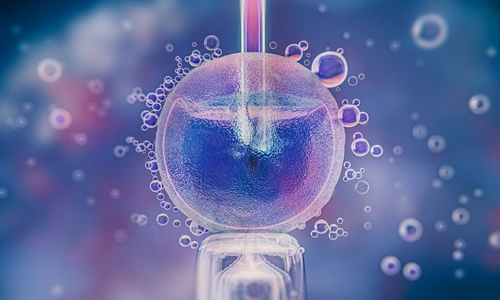
Intrauterine insemination, commonly called IUI or artificial insemination, involves placing washed and concentrated sperm directly into the uterus around the time of ovulation. It is often combined with ovulation induction to increase the number of eggs available for fertilization. IUI is a minimally invasive, relatively low-cost procedure performed in a clinic without anesthesia.
Who it is for
Couples with unexplained infertility, mild male factor infertility (low count or motility), cervical mucus issues, or single women and same-sex female couples using donor sperm.
The process
The male partner or donor provides a sperm sample, which is processed in the lab to select the most motile sperm. A thin catheter delivers the prepared sperm directly into the uterus. The entire procedure takes just a few minutes.
Success Rates
Approximately 10–20% per cycle for couples with unexplained infertility. Success rates are higher when combined with ovulation induction. Most reproductive specialists recommend 3–6 IUI cycles before moving to IVF.
Donor sperm IUI
Single women and same-sex female couples use IUI with donor sperm from a licensed sperm bank. Donors are screened extensively for genetic conditions, infectious diseases, and other health parameters. Recipients can choose donors based on physical characteristics, education, and medical history.
A 2021 meta-analysis in Fertility and Sterility found that cumulative live birth rates after 6 IUI cycles with ovarian stimulation reached approximately 53% — comparable to IVF in younger women with certain infertility diagnoses.
3. In Vitro Fertilization (IVF)
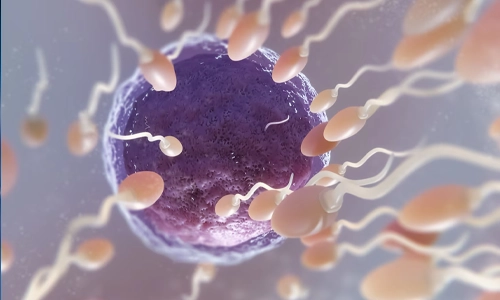
In vitro fertilization is the most well-known and widely used ART procedure globally. It involves stimulating the ovaries to produce multiple eggs, retrieving those eggs, fertilizing them with sperm in a laboratory, culturing the resulting embryos, and transferring one or more embryos into the uterus. IVF bypasses the fallopian tubes entirely, making it effective even when those tubes are damaged or absent.
Who it is for
Couples with tubal factor infertility, severe male factor infertility, advanced maternal age, failed IUI cycles, unexplained infertility, endometriosis, genetic disorders requiring preimplantation testing, same-sex couples, and single parents by choice.
The IVF Process Step by Step
- Ovarian stimulation (10–14 days): Daily injectable hormones stimulate the ovaries to produce multiple mature eggs. Frequent ultrasound and blood tests monitor follicle development.
- Egg retrieval (transvaginal oocyte retrieval): A minor surgical procedure under light sedation. A thin needle guided by ultrasound retrieves eggs from follicles. Typically 8–15 eggs are retrieved.
- Fertilization: In the lab, eggs are combined with sperm through conventional insemination or intracytoplasmic sperm injection (ICSI). Fertilization is confirmed the following day.
- Embryo culture (3–5 days): Fertilized eggs develop into embryos. By day 5–6, the best embryos reach the blastocyst stage — the optimal developmental point for transfer.
- Preimplantation genetic testing (PGT, optional): A single cell is biopsied from each blastocyst and tested for chromosomal abnormalities (PGT-A) or specific inherited diseases (PGT-M). Transferring chromosomally normal embryos significantly improves success rates and reduces miscarriage risk.
- Embryo transfer: A thin catheter places one (ideally) embryo into the uterine cavity under ultrasound guidance. The procedure is painless and requires no anesthesia. Remaining viable embryos are frozen for future use.
- Luteal support: Progesterone supplementation (vaginal suppositories, injections, or oral) supports the uterine lining during implantation.
- Pregnancy test: A blood hCG test is performed approximately 10–14 days after transfer.
Success Rates
IVF success rates depend heavily on age. According to CDC data, the live birth rate per embryo transfer is approximately 50–55% for women under 35, 38–40% for ages 35–37, 26–28% for ages 38–40, and 10–15% for women over 40 using their own eggs. Success rates rise significantly with frozen embryo transfers of PGT-tested embryos.
Cost
A single IVF cycle in the U.S. costs approximately $12,000–$15,000 on average, not including medications ($3,000–$6,000) or genetic testing ($1,000–$3,000). Many states now mandate insurance coverage for IVF; coverage varies significantly by state and employer.
The first IVF baby, Louise Brown, was born in 1978. As of 2023, an estimated 12 million people worldwide have been born via IVF. The technology has now been used for over 45 years with a strong safety record.
ICSI: Intracytoplasmic Sperm Injection
ICSI is a specialized form of IVF in which a single sperm is injected directly into an egg using a microscopic needle. It was developed specifically for severe male factor infertility — including very low sperm counts, poor motility, and abnormal morphology — and has revolutionized treatment for male infertility. ICSI is now used in approximately 70% of all IVF cycles globally.
Frozen Embryo Transfer (FET)
IVF often produces more embryos than are transferred in a single cycle. Additional embryos are vitrified (flash-frozen) and stored indefinitely. Frozen embryo transfers allow couples to attempt additional pregnancies without repeating the full IVF stimulation process. Research increasingly shows that frozen embryo transfers may produce equal or slightly better outcomes than fresh transfers in many patients, likely because the uterine environment is more natural in a non-stimulated cycle.
Egg Donation (Donor Egg IVF)
When a woman cannot use her own eggs due to premature ovarian insufficiency, poor egg quality from advanced age, or genetic conditions she does not want to pass on — donor eggs offer a path to pregnancy and childbirth. An egg donor undergoes ovarian stimulation and egg retrieval; the retrieved eggs are fertilized with the intended father's or donor sperm, and the resulting embryo is transferred into the intended mother's uterus. The mother carries and delivers the baby.
Who it is for
Women with diminished ovarian reserve, premature ovarian failure, poor response to IVF stimulation, recurrent IVF failure with own eggs, advanced maternal age, or genetic conditions. It is also used by same-sex male couples with a gestational surrogate.
Success Rates
Donor egg IVF has the highest success rates in reproductive medicine — typically 50–60% per transfer even in recipients over 40 — because embryo quality is determined by the donor's age, not the recipient's.
Known vs. Anonymous Donation
Donors may be known (a friend or family member) or anonymous (sourced through an egg bank or fertility clinic donor program). Egg banks now allow single-cycle purchases of frozen donor eggs, significantly reducing cost and wait time compared to fresh donation cycles.
Legal Considerations
In the U.S., the intended mother who carries and delivers the donor egg baby is the legal mother. Legal agreements between donors and recipients are standard practice. Laws vary internationally.
Sperm Donation
Donor sperm enables single women, same-sex female couples, and heterosexual couples with severe male factor infertility or genetic conditions to achieve pregnancy. Sperm donors are screened rigorously by accredited sperm banks for infectious diseases (HIV, hepatitis B and C, CMV), genetic carrier status (cystic fibrosis, spinal muscular atrophy, chromosomal abnormalities), and a comprehensive medical history.
How it is used
Donor sperm is used with IUI (most common), IVF, or IVF with ICSI. For IUI, thawed donor sperm is prepared and placed directly into the uterus. For IVF, it is used for conventional insemination or ICSI.
Open-identity Donors
Many sperm banks now offer open-identity (identity-release) donors who agree that any children conceived may contact them once they reach age 18. Research consistently shows that donor-conceived children benefit from having access to information about their genetic origins. This option is now widely considered the ethical standard.
At-home Insemination Kits
For same-sex female couples or single women using known donors, at-home insemination kits (intracervical insemination or ICI) are available. These are less effective than clinical IUI but are accessible, affordable, and private. Medical supervision is still recommended to optimize timing and technique.
Gestational Surrogacy

Gestational surrogacy allows individuals or couples who cannot carry a pregnancy to have a biological child. A gestational surrogate (also called a gestational carrier) carries a pregnancy created from the intended parents' (or donors') eggs and sperm. She has no genetic connection to the baby she carries. This is the most common and legally preferred form of surrogacy in the United States.
Who Uses Gestational Surrogacy
Women without a uterus (surgical removal or congenital absence — Mayer-Rokitansky-Küster-Hauser syndrome), women for whom pregnancy poses life-threatening medical risks, same-sex male couples, and single men who wish to have a biological child.
The Process
Embryos are created via IVF using the intended parents' gametes or donor eggs/sperm. The embryo is transferred into the surrogate's uterus. The surrogate has no genetic connection to the baby. After delivery, the intended parents are recognized as the legal parents (legal process varies by state).
Traditional vs. Gestational Surrogacy
Traditional surrogacy — in which the surrogate uses her own egg — is largely discouraged today due to complex legal and emotional implications. Gestational surrogacy is the medically and legally dominant approach.
Legal Framework
Surrogacy is regulated at the state level in the U.S. Some states (California, Nevada, Washington) have clear, favorable surrogacy laws. Others have restrictions or ambiguities. Legal representation for all parties is essential before proceeding. Internationally, surrogacy laws vary dramatically — some countries ban it entirely.
Cost
Gestational surrogacy in the U.S. is expensive. Total costs typically range from $100,000 to $150,000 or more, including surrogate compensation, agency fees, medical costs, and legal fees. Some countries offer more affordable options, though international surrogacy carries significant legal and ethical complexities.
A 2022 survey by the Society for Assisted Reproductive Technology (SART) found that gestational surrogacy cycles in the U.S. have increased by over 300% in the past decade, driven largely by same-sex male couples and women with medical contraindications to pregnancy.
Reciprocal IVF (for Same-Sex Female Couples)
Reciprocal IVF — also known as partner IVF or co-IVF — is a deeply meaningful option for same-sex female couples who both want to participate biologically in the creation of their child. One partner undergoes ovarian stimulation and egg retrieval (the genetic mother). Those eggs are fertilized with donor sperm. The resulting embryo is transferred into the other partner's uterus, who carries the pregnancy (the birth mother). Both partners contribute biologically to the child's creation and birth.
Who it is for
Same-sex female couples where both partners wish to play a biological role in their child's conception and birth.
Success Rates
Similar to standard donor egg IVF, with live birth rates per transfer of approximately 50–60% depending on embryo quality.
Legal Considerations
Both partners should establish legal parentage through a second-parent adoption or a pre-birth order (available in many U.S. states) to ensure both are recognized as legal parents from birth.
Reciprocal IVF is widely available at fertility clinics across the United States and in many countries. It represents one of the most profound applications of reproductive medicine — creating space for both partners in a same-sex relationship to be an integral part of bringing their child into the world.
Embryo Donation and Adoption
Embryo donation — sometimes referred to as embryo adoption — occurs when couples who have completed their family after IVF donate their unused frozen embryos to another individual or couple who cannot conceive with their own gametes. The recipient undergoes a frozen embryo transfer and, if successful, carries and delivers the baby.
Who it is for
Individuals or couples who cannot use their own eggs or sperm, or who prefer not to use anonymous donor gametes. It is also used by couples for whom cost is a barrier to traditional egg or sperm donation cycles.
Cost
Embryo donation is significantly more affordable than a full IVF cycle with fresh donor eggs — typically $5,000–$10,000 per transfer cycle, not including medications.
Legal and Ethical Considerations
Donated embryos may carry a genetic history from the donating couple. Open-donation arrangements (where the donating family and the child can maintain contact) are increasingly common and considered ethically preferable, particularly for the future child's sense of identity.
Success Rates
Success rates are comparable to frozen embryo transfers generally — roughly 30–50% per transfer depending on embryo quality and recipient age.
Adoption

Adoption is a legal process through which an individual or couple becomes the permanent legal parent(s) of a child who is not biologically their own. It is a profoundly valid and loving path to parenthood and remains one of the most established alternatives to biological conception. Adoption simultaneously provides a child who needs a family with a permanent, loving home.
Types of Adoption in the United States
Domestic Infant Adoption
The biological mother (and sometimes father) voluntarily relinquishes parental rights, and an adoptive family is matched — typically through an adoption agency or attorney. The process can take 1–7 years and costs $25,000–$50,000 on average. Open adoption (maintaining some contact between biological and adoptive families) is now the norm in domestic infant adoption.
Foster Care Adoption
Children in the foster care system who cannot be safely reunited with biological families become available for adoption. There are approximately 100,000–130,000 children in the U.S. foster care system awaiting adoption at any given time. Foster care adoption is significantly more affordable (often free or low-cost) and is an important pathway for families who wish to provide permanence to older children or sibling groups.
International Adoption
Adopting a child from another country. International adoption has declined significantly since the 2000s due to increased regulations and country-by-country policy changes. The Hague Convention on Intercountry Adoption governs ethical standards for participating countries.
Step-parent and relative adoption: Formalizing legal parentage for a child already in the family — through a partner's existing child or a relative's child — is the most common type of adoption in the U.S.
Who can Adopt
Single individuals, married couples, and in most U.S. states, same-sex couples have full legal rights to adopt. Requirements vary by agency, state, and country of origin in international adoption.
The Dave Thomas Foundation for Adoption reports that approximately 135,000 children are adopted in the United States each year. Adopted children show comparable developmental, emotional, and academic outcomes to non-adopted children when raised in stable, nurturing environments — a finding consistently replicated across longitudinal studies.
Fertility Preservation: Planning for the Future
Fertility preservation allows individuals to protect their reproductive potential before circumstances — medical treatment, age, or transition-related care — reduce or eliminate it.
Egg Freezing (oocyte cryopreservation)
Women can freeze mature eggs before undergoing cancer treatment, before age-related decline reduces egg quality, or as an elective measure. Frozen eggs can be thawed, fertilized, and transferred years or decades later. Live birth rates per frozen egg are approximately 2–12% depending on age at freezing, which is why freezing multiple eggs (ideally 15–20) is recommended.
Sperm Freezing
Sperm can be frozen before cancer treatment, vasectomy, or other circumstances. Frozen sperm retains viability for decades. Sperm banking is inexpensive, non-invasive, and widely available.
Embryo Freezing
Couples in stable relationships can fertilize eggs and freeze embryos before treatment. Embryos survive the freezing process more reliably than unfertilized eggs.
Ovarian Tissue Cryopreservation
An ovary or portion of ovarian tissue is surgically removed and frozen before cancer treatment. The tissue is later reimplanted. This technique is the only option for prepubertal girls who have not yet produced mature eggs.
Fertility Preservation for Transgender and Gender-diverse Individuals
Transgender women (assigned male at birth) can freeze sperm before beginning gender-affirming hormone therapy, which affects sperm production. Transgender men (assigned female at birth) can freeze eggs or embryos before beginning testosterone therapy or surgical procedures. These steps allow transgender individuals to have biologically related children in the future through IVF, IUI, or surrogacy. Fertility preservation conversations should be a standard part of gender-affirming care discussions.
A 2020 ASCO guideline update affirmed that all individuals of reproductive age facing gonadotoxic cancer treatments should be offered fertility preservation counseling as early as possible in the treatment planning process, ideally before treatment begins.
Choosing the Right Path: A Practical Guide
The right path to parenthood depends on the specific diagnosis, age, family structure, financial resources, and personal values of each individual or couple. The following general framework helps orient that decision:
Start with a Complete Fertility Evaluation
Both partners in a heterosexual couple should be evaluated simultaneously. For same-sex couples and single individuals, a reproductive endocrinologist can guide next steps based on the individual's reproductive health.
Match Intervention to Diagnosis
Not every couple needs IVF. Ovulation disorders often respond to oral medications. Mild male factor may respond to IUI. Jumping to IVF when simpler treatments remain untried is not always necessary.
Consider Age Carefully
Female age is the single most significant predictor of IVF success. Women over 35 should consult a fertility specialist after 6 months of unsuccessful trying (not 12). Women over 40 should seek evaluation immediately.
Explore Financial Options
Many states mandate insurance coverage for ART. Fertility clinics offer payment plans, financing, and multi-cycle discount packages. The CNY Fertility Shared Risk program, RESOLVE: The National Infertility Association, and many pharmaceutical companies offer financial assistance programs.
Seek Psychological Support
Infertility treatment is emotionally demanding. Studies show that psychological support — individual counseling, support groups, or mind-body programs — improves both emotional resilience and, in some studies, IVF success rates.
Disclaimer: Assisted reproductive technologies and adoption involve complex medical, legal, financial, and ethical considerations. Work with a board-certified reproductive endocrinologist and, where applicable, a reproductive attorney to navigate these processes safely and legally. Organizations like RESOLVE (resolve.org) and the Society for Assisted Reproductive Technology (sart.org) provide vetted resources for individuals and couples navigating infertility.
Frequently Asked Questions (FAQs) About Pregnancy

Here are the most commonly asked questions about pregnancy, answered concisely and accurately.
1. When is the best time to take a pregnancy test?
Take a pregnancy test on the first day of a missed period for the most accurate result. Testing earlier increases the chance of a false negative because hCG levels may not yet be detectable.
2. Can you get pregnant on your period?
It is unlikely but possible, particularly for women with short cycles. If ovulation occurs early in the cycle, sperm from intercourse during menstruation can survive long enough to fertilize the egg.
3. How early can morning sickness start?
Nausea typically begins around week 6 of pregnancy, though some women notice it as early as week 4. It usually peaks around weeks 8–10 and resolves for most women by week 14.
4. Is spotting in early pregnancy normal?
Light implantation bleeding is normal and occurs in 15–25% of pregnancies. However, any vaginal bleeding should be reported to your OB-GYN to rule out miscarriage, ectopic pregnancy, or cervical irritation.
5. Can you drink coffee while pregnant?
Yes, in moderation. Limit caffeine to under 200 mg per day — approximately one 12 oz cup of coffee. Higher amounts are associated with increased miscarriage risk and low birth weight.
6. What is the safest sleeping position during pregnancy?
Sleeping on your left side (SOS — Sleep On Side) is optimal for blood flow to the uterus and kidneys. After 20 weeks, avoid sleeping flat on your back, which can compress the inferior vena cava and reduce blood flow to the baby.
7. How accurate are home pregnancy tests?
Modern home pregnancy tests are approximately 99% accurate when used correctly on or after the first day of a missed period. Very early testing reduces accuracy due to low hCG levels.
8. What causes a false positive pregnancy test?
False positives can result from hCG-containing fertility medications, chemical pregnancy (very early loss), certain rare tumors that produce hCG, or test evaporation lines misread as positives.
9. Is it safe to travel during pregnancy?
Most travel is safe up to 36 weeks in uncomplicated pregnancies. The second trimester is generally the most comfortable time to travel. International travel requires careful consideration of destination, travel vaccines, and access to medical care.
10. Can stress cause a miscarriage?
Everyday stress does not cause miscarriage. Most first-trimester miscarriages result from chromosomal abnormalities. However, extreme, chronic physiological stress may affect pregnancy outcomes through cortisol and inflammatory pathways.
11. Is it safe to color your hair during pregnancy?
Research has not established clear harm from standard hair dye use. ACOG acknowledges minimal scalp absorption but advises waiting until after the first trimester as a precaution. Highlights are preferred to all-over color.
12. Can I eat sushi while pregnant?
Raw fish sushi carries a risk of Listeria, parasites, and high mercury. Cooked sushi (shrimp, crab, tempura) and low-mercury vegetable rolls are safe. Avoid raw fish, high-mercury fish, and unpasteurized soy sauce.
13. What is braxton hicks and how is it different from real contractions?
Braxton Hicks are irregular practice contractions that typically do not increase in frequency, duration, or intensity. Real labor contractions become progressively longer, stronger, and closer together and do not stop with position changes or hydration.
14. When does the baby start moving?
Most women feel fetal movement (called quickening) between weeks 16–20. First-time mothers often feel it later (closer to 20 weeks) than women who have been pregnant before (closer to 16 weeks).
15. What causes gestational diabetes and can it be prevented?
Gestational diabetes results from placental hormones causing insulin resistance in a predisposed individual. Risk factors include obesity, family history of type 2 diabetes, and prior gestational diabetes. A healthy pre-pregnancy BMI, regular exercise, and a low-glycemic diet reduce risk.
16. Is an epidural safe for the baby?
Epidural analgesia is considered safe for both mother and baby and is the most effective form of labor pain relief available. Epidurals reduce maternal stress hormones during labor. The medication does not reach the baby in significant amounts.
17. What does Group B Strep mean for my pregnancy?
Group B Streptococcus (GBS) is a bacteria naturally present in about 25% of healthy women. During vaginal birth, it can be transmitted to the newborn, rarely causing serious infection. IV antibiotics during labor prevent transmission effectively.
18. Can I breastfeed while taking medication?
Many medications are compatible with breastfeeding, but not all. Always check with your OB-GYN, pediatrician, or a lactation consultant before taking any medication while breastfeeding. The LactMed database (NIH) is an evidence-based resource.
19. How long does postpartum bleeding last?
Postpartum lochia (vaginal discharge/bleeding) typically lasts 4–6 weeks. It progresses from bright red in the first days to pink-brown, then white-yellow. Return to bright red heavy bleeding after it has lightened should prompt a call to your provider.
20. When will my period return after pregnancy?
Women who are not breastfeeding typically resume menstruation 6–8 weeks after delivery. Exclusively breastfeeding women may not see their period return for 6–12 months due to prolactin suppressing ovulation (lactational amenorrhea).
21. Can you get pregnant while breastfeeding?
Yes. While breastfeeding suppresses ovulation through lactational amenorrhea, this is not a reliable contraceptive method. Ovulation can return before the first postpartum period, meaning you can become pregnant without warning. Use reliable contraception if you wish to prevent pregnancy.
22. Is back pain normal during pregnancy?
Yes. Up to 70% of pregnant women experience back pain, primarily due to loosening ligaments (from relaxin), shifting center of gravity, and added weight. Prenatal yoga, physical therapy, supportive footwear, and sleeping with a pillow between the knees provide relief.
23. What is PUPPP and is it dangerous?
PUPPP (Pruritic Urticarial Papules and Plaques of Pregnancy) is an intensely itchy rash most common in first-time mothers in the third trimester. It is uncomfortable but not dangerous to the baby or mother. It resolves after delivery.
24. Does the shape of your belly predict the baby's gender?
No. Belly shape is determined by uterine position, abdominal muscle tone, baby's position, and body type — not by fetal sex. This is a persistent myth with no scientific basis.
25. What is the mucus plug and what does it mean when it comes out?
The mucus plug seals the cervix during pregnancy, protecting against infection. Passing the mucus plug (often appears as thick, sometimes blood-tinged discharge) indicates the cervix is beginning to prepare for labor. Labor may begin within hours to weeks after this.
26. What is placenta encapsulation and is it safe?
Placenta encapsulation involves drying and encapsulating the placenta for consumption postpartum. Proponents claim benefits for postpartum mood, milk supply, and energy. The CDC and most OB-GYNs advise against it due to documented cases of infection (including Group B Strep transmission to newborns via breast milk) and lack of evidence for claimed benefits.
27. What is a birth plan and do I need one?
A birth plan is a written document communicating your preferences for labor and delivery — including pain management options, who you want present, fetal monitoring preferences, and immediate postpartum wishes. It is not legally binding but facilitates communication with your care team. It is highly recommended.
28. Can twins have different fathers?
Yes — this is called heteropaternal superfecundation. It occurs when two eggs released in the same ovulation cycle are fertilized by sperm from two different partners. It is extremely rare but documented in medical literature.
29. What is a doula and is one worth it?
A doula is a trained non-medical birth support person who provides continuous labor support. Research shows doula support reduces cesarean rates by 39%, shortens labor by up to 41 minutes, and reduces request for epidurals by 15%. Many women find doula support invaluable.
30. What is VBAC and is it safe?
VBAC (Vaginal Birth After Cesarean) is a vaginal delivery in a woman who has had a previous cesarean. Success rates range from 60–80% for appropriate candidates. The primary risk is uterine rupture (0.5–0.9%). VBAC requires careful candidate selection and must occur at a facility capable of emergency cesarean.
31. How soon after birth can you have sex?
ACOG recommends waiting until the postpartum check (typically 6 weeks) before resuming penetrative sex to allow perineal healing and uterine involution. However, the physical readiness, vaginal dryness (especially while breastfeeding), and emotional readiness vary widely. Open communication with your partner is essential.
32. What is the difference between an OB-GYN and a midwife?
An OB-GYN is a physician with surgical training who can manage high-risk pregnancies, perform cesareans, and treat gynecological conditions. A Certified Nurse-Midwife (CNM) is an advanced practice nurse specializing in normal, low-risk pregnancy and birth. Both provide excellent care for low-risk pregnancies; high-risk patients typically require OB-GYN oversight.
33. What is the APGAR score?
The APGAR score assesses the health of a newborn at 1 and 5 minutes after birth. It evaluates five criteria: Appearance (skin color), Pulse (heart rate), Grimace (reflex response), Activity (muscle tone), and Respiration. Scores of 7–10 indicate good condition; below 7 indicates the need for immediate attention.
34. What is the difference between preeclampsia and eclampsia?
Preeclampsia is characterized by high blood pressure and organ damage (often kidneys or liver) after 20 weeks of pregnancy. Eclampsia is preeclampsia complicated by grand mal seizures — a medical emergency requiring immediate delivery. Eclampsia affects approximately 1.7% of women with preeclampsia.
35. Can I use a hot tub or sauna during pregnancy?
No. Raising core body temperature above 101°F (38.3°C) in the first trimester is associated with neural tube defects and miscarriage. ACOG advises pregnant women to avoid hot tubs, saunas, and steam rooms throughout pregnancy. Warm (not hot) baths are generally safe.
36. What should I include in my hospital bag?
Mother: hospital documents, insurance card, birth plan, comfortable clothing, toiletries, phone charger, snacks, and items for post-delivery (maternity pads, nursing bra, going-home outfit). Baby: car seat (installed before labor), newborn outfit, swaddle blanket. For the partner: clothing, toiletries, entertainment for early labor, and snacks.
37. My test showed a faint line one day and a stronger line the next – is this normal?
Yes, this is expected if you are indeed pregnant. As hCG rises, the test line should get darker each day. Seeing a faint line one morning and a bold line a couple days later is typical of a growing pregnancy. If the line became fainter with each test, that could indicate issues (like a chemical pregnancy), but a darkening line is reassuring.
38. What if the second line only appears later or looks weird?
If the test result changed after the instructed time (for example, you looked at it the next day), it may not be reliable. Only read the result in the specified window. Also, make sure to look for the line in the right window: on some digital or plus-sign tests, the symbol can be in different parts. If confusion persists, retake with a new test.
39. My test line is pink on one brand and blue on another. Which is correct?
Different brands use different color dyes (pink or blue). Always compare the color of the second line to the control line on that same test. A faint blue line on a blue-dye test or a faint pink on a pink-dye test can both mean positive. Don’t compare colors across brands.
40. Could my low hCG (faint line) mean a problem with the pregnancy?
Not usually. It most often just means the test was taken very early. Every pregnancy produces hCG at a slightly different rate. Unless the line gets significantly fainter over time, a faint line alone is not a cause for alarm. The best reassurance is to retest after a few days and see the trend, or check with a healthcare provider.
41. Should I do a blood test if I see a faint line?
If you want certainty or your period is very late, a blood test at the doctor’s office can measure the exact hCG level. Blood tests are more sensitive and can detect pregnancy earlier than urine tests. Many women simply repeat the home test, but a blood test or a clinic urine test can give confirmation. First Response even suggests, “See your healthcare provider to confirm you are pregnant” if there’s any doubt.
References and Citations
The following peer-reviewed studies, clinical guidelines, and authoritative health organization publications informed the content of this guide:
[1] Lacroix R, Eason E, Melzack R. Nausea and vomiting during pregnancy: A prospective study of its frequency, intensity, and patterns of change. American Journal of Obstetrics & Gynecology. 2000;182(4):931–937.
[2] Rodríguez-Blanque R, et al. Influence of physical exercise during pregnancy on fetal wellbeing: a randomized controlled trial. Journal of Maternal-Fetal & Neonatal Medicine. 2019;32(9):1490–1497.
[3] American College of Obstetricians and Gynecologists. ACOG Practice Bulletin No. 231: Obesity in Pregnancy. Obstetrics & Gynecology. 2021.
[4] WHO. World Health Organization recommendations on antenatal care for a positive pregnancy experience. Geneva: WHO Press; 2016.
[5] Centers for Disease Control and Prevention. Folic Acid Recommendations. CDC.gov. Updated 2022.
[6] Bánhidy F, et al. Association between Iron Deficiency Anemia in Pregnant Women and Their Newborn Infants. Acta Obstet Gynecol Scand. 2011;90(3):252–257.
[7] Einarson A, et al. Incidence of spontaneous abortion following acetaminophen use. CMAJ. 2011.
[8] Mørk TK, Schultz BE. Pseudocyesis: a review of diagnostic challenges in a modern clinical setting. Psychosomatics. 2009.
[9] World Health Organization. Infertility Prevalence Estimates 1990–2021. Geneva: WHO; 2023.
[10] Chavarro JE, et al. Diet and lifestyle in the prevention of ovulatory disorder infertility. Obstetrics & Gynecology. 2007;110(5):1050–1058.
[11] Palomba S, et al. Evidence-based and potential benefits of metformin in the polycystic ovary syndrome: a structured literature review. Endocrine Reviews. 2009;30(1):1–50.
[12] Vandermolen DT, et al. Metformin increases the ovulatory rate and pregnancy rate from clomiphene citrate in patients with polycystic ovary syndrome. Fertility and Sterility. 2001;75(2):310–315.
[13] Phelan N, et al. Thyroid disorders in pregnancy. Obstetrics & Gynecology. 2018.
[14] Cunningham FG, et al. Williams Obstetrics. 25th ed. McGraw-Hill Education; 2018.
[15] Moos MK, et al. Periconceptional folic acid use by low-income women. Journal of Perinatology. 2008.
[16] Kolasa KM, Firnhaber G, Hyde L. Diet for a healthy pregnancy. American Family Physician. 2017;96(9):577–583.
[17] Smith GCS, Fretts RC. Stillbirth. Lancet. 2007;370(9600):1715–1725.
[18] Brent RL. Environmental causes of human congenital malformations: the pediatrician's role in dealing with these complex clinical problems. Pediatrics. 2004;113(4):957–968.
[19] American College of Obstetricians and Gynecologists. ACOG Committee Opinion No. 804: Physical Activity and Exercise During Pregnancy and the Postpartum Period. 2020.
[20] Davenport MH, et al. Impact of prenatal exercise on maternal harms, labour and delivery outcomes: a systematic review and meta-analysis. British Journal of Sports Medicine. 2019;53(2):99–107.
[21] Avalos LA, et al. Prenatal yoga associated with decreased prenatal depression and anxiety. Journal of Alternative and Complementary Medicine. 2016.
[22] Misra DP, Grason H. Achieving Safe Motherhood: Applying a Life Course and Multiple Determinants Perinatal Health Framework in Public Health. Women's Health Issues. 2006;16(4):159–175.
[23] Biaggi A, et al. Identifying the women at risk of antenatal anxiety and depression: A systematic review. Journal of Affective Disorders. 2016;191:62–77.
[24] Shorey S, et al. Prevalence and incidence of postpartum depression among healthy mothers: A systematic review and meta-analysis. Journal of Psychiatric Research. 2018;104:235–248.
[25] Tomfohr-Madsen LM, et al. Prevalence and predictors of anxiety disorders in pregnant women. Journal of Psychosomatic Research. 2014.
[26] Reddy UM, et al. Preterm birth associated with maternal and neonatal complications. American Journal of Obstetrics and Gynecology. 2015.
[27] Liu S, et al. Maternal deaths and complications in Canada. Canadian Medical Association Journal. 2002;167(6):633–638.
[28] Clark SL, et al. Maternal death in the 21st century: causes, prevention, and relationship to cesarean delivery. American Journal of Obstetrics & Gynecology. 2008;199(1):36.e1–5.
[29] Backes CH, et al. Neonatal abstinence syndrome resulting from intrauterine opioid exposure. Expert Opinion on Pharmacotherapy. 2012.
[30] Bhagavath B, et al. Recurrent pregnancy loss: an update on the systematic workup. Obstetrics & Gynecology Clinics. 2020.
[31] Mottola MF, et al. 2019 Canadian guideline for physical activity throughout pregnancy. British Journal of Sports Medicine. 2018;52(21):1339–1346.
[32] Goom T, Donnelly G, Brockwell E. Returning to running postnatal — guidelines for medical, health and fitness professionals managing this population. British Journal of Sports Medicine. 2019.
[33] Christou EA, et al. A Systematic Review of Postpartum Weight Management. Nutrients. 2019.
[34] Fisher J, et al. Prevalence and determinants of common perinatal mental disorders in women in low- and lower-middle-income countries. Bulletin of the World Health Organization. 2012;90(2):139G–149G.
[35] Zegers-Hochschild F, et al. International Committee for Monitoring Assisted Reproductive Technology world report. Human Reproduction. 2017.
About This Guide
This complete guide to pregnancy was written for CompleteHealthNews.com and is based on peer-reviewed research, clinical guidelines from ACOG, WHO, and CDC, and the latest findings in maternal-fetal medicine. It is reviewed for medical accuracy and updated to reflect evolving evidence.