
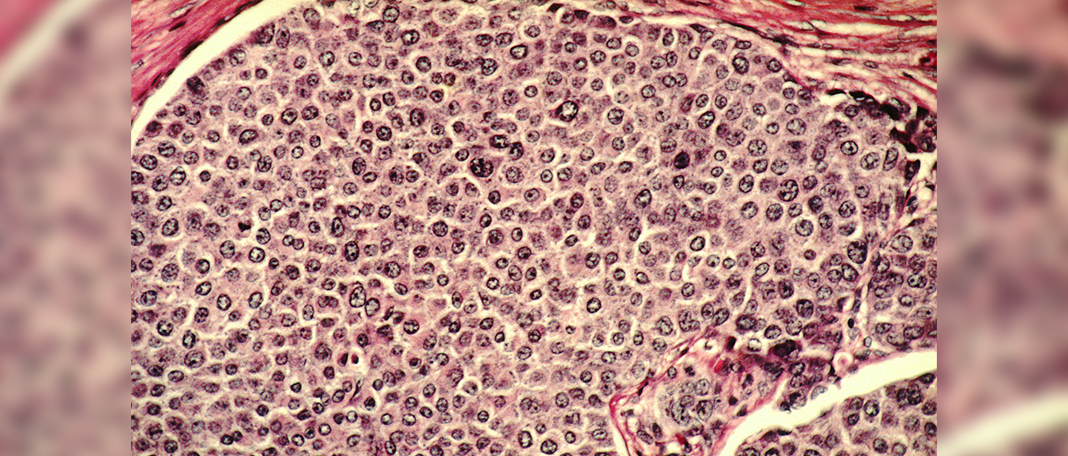
Hearing the term precancer or precancerous cells can sound intimidating. But knowing what they are and what they mean can go a long way in reducing anxiety and encouraging proactive health decisions. Let’s walk through everything you need to know—calmly, clearly, and confidently.
What Are Precancerous Cells?
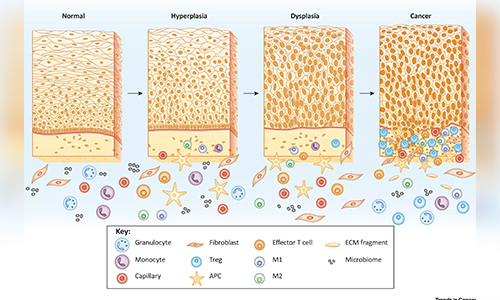
Precancerous cells are not cancer. That’s the first and most important thing to understand. These are cells that show abnormal changes, which could potentially develop into cancer over time if left untreated. But in many cases, they’re detected early and managed well before they pose any serious risk.
What Does Having Precancerous Cells Mean?
If your doctor tells you that you have precancerous cells, it means some cells in your body aren’t behaving normally. They might grow faster than usual or appear different under a microscope. However, not all abnormal cells turn into cancer.
Are Precancerous Cells Cancer?
No, they’re not. But they can develop into cancer if not monitored or treated. That’s why regular screenings and follow-ups are so important. Think of it like a warning sign—not the problem itself, but a nudge to take action.
What Is a Precancerous Condition?
A precancerous condition refers to any tissue change that may increase your risk of developing cancer. These conditions can happen in various organs and are often discovered during routine checkups or tests like Pap smears or colonoscopies.
What’s the Difference Between Abnormal and Precancerous Cells?
This is a common question. Not all abnormal cells are precancerous. Abnormal cells might be caused by irritation, infection, or inflammation. But precancerous cells have a specific pattern that suggests they might develop into cancer in the future if left unchecked.
Do Precancerous Cells Turn Into Cancer?
They can—but not always. In fact, many precancerous cells go away on their own, especially when the immune system kicks in or lifestyle changes are made. Others may require treatment depending on where they’re located and how aggressive they are.
How Long Does It Take for Precancerous Cells to Turn Into Cancer?
There’s no one-size-fits-all answer. In some cases, it may take years. In others, changes can happen more quickly. That’s why early detection and consistent follow-up with your doctor is key.
What Does Stage 3 Precancerous Cells Mean?
The term "stage 3 precancerous cells" can be confusing because precancer doesn’t typically have stages like cancer does. However, severe precancerous cells or “high-grade” abnormalities (often referred to as stage 3 in some screenings) mean the changes are more significant and may need prompt treatment.
Understanding Low-Grade vs. Severe Precancerous Cells
- Low-grade precancerous cells mean there are mild changes that often resolve on their own.
- Severe precancerous cells or high-grade lesions usually require closer monitoring or treatment, as they have a higher chance of progressing.
Precancerous Cells in the Cervix
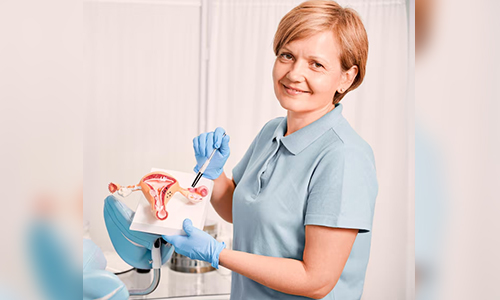
Precancerous cells in the cervix are often detected during a routine Pap smear. These are known as cervical dysplasia. Most cases are caused by the human papillomavirus (HPV). Treatments include monitoring, cryotherapy, or a simple surgical procedure to remove affected tissue.
How to Treat Precancerous Cells in the Cervix
- Watchful waiting for low-grade changes
- LEEP procedure or cone biopsy for high-grade changes
- HPV vaccination can also prevent cervical cell changes in the first place
Precancerous Cells in the Breast
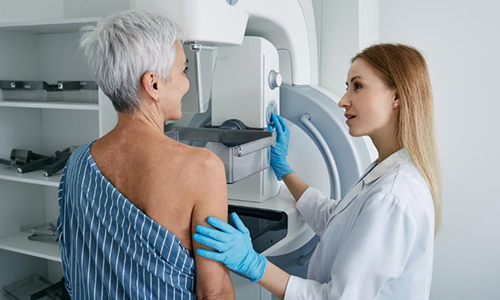
Though less commonly discussed, precancerous cells in the breast (like ductal carcinoma in situ - DCIS) can be found during mammograms. While it’s not invasive cancer, DCIS is usually removed surgically and may require radiation to prevent progression.
Precancerous Cells in the Uterus

Uterine precancerous changes typically involve the endometrium, the lining of the uterus. These can be caused by hormone imbalances, particularly too much estrogen.
Treatment May Include
- Hormone therapy
- Surgical removal of the affected tissue
- Hysterectomy in high-risk or severe cases
Precancerous Cells on the Skin
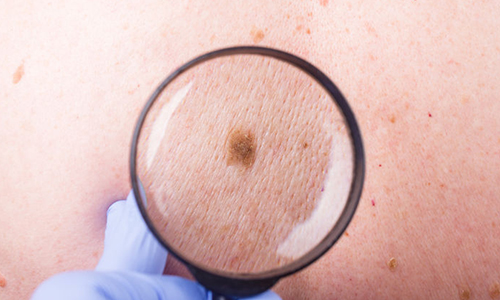
These show up as actinic keratosis, often due to sun exposure. They appear as rough, scaly patches, especially on the face, neck, and hands.
Common Treatments
- Cryotherapy (freezing the cells)
- Topical medications
- Laser or light therapy
Regular skin checks can help identify these early.
Precancerous Cells in the Colon
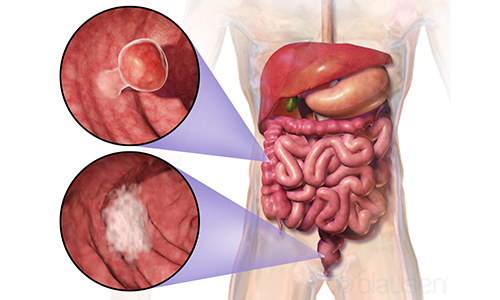
These usually take the form of colon polyps. Not all polyps are precancerous, but some can develop into colon cancer over time.
Precancerous Cells Colon Treatment
- Colonoscopy and removal of polyps
- Regular screening every 5–10 years (or earlier if you have risk factors)
Precancerous Cells in the Esophagus
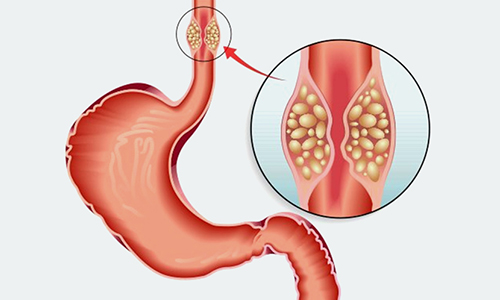
This condition is often linked to Barrett’s esophagus, which can develop due to long-term acid reflux.
Management Includes
- Lifestyle changes (diet, weight loss, quitting smoking)
- Acid-blocking medications
In some cases, endoscopic treatments to remove abnormal cells
Precancerous Ovarian Cells
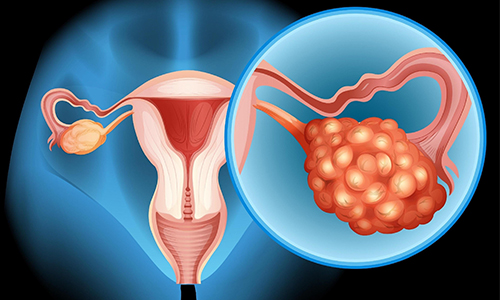
These are rare and usually found during procedures for other issues. Ovarian cancer often doesn’t show symptoms early, so awareness is key. Women with a family history of ovarian cancer or BRCA mutations should discuss regular screenings with their doctor.
Precancerous Cells in the Stomach
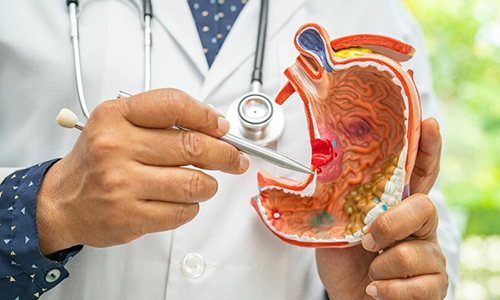
Stomach lining changes can occur due to chronic inflammation (often from Helicobacter pylori infection).
Treatment Options May Include
- Antibiotics to treat infection
- Dietary changes
- Regular monitoring with endoscopy
Precancerous Cells on the Face
These are usually sun-related and fall under skin conditions. If you notice persistent spots or patches that don’t heal, a dermatologist can examine and treat them to prevent progression.
Can You Prevent Precancerous Cells?
While you can’t always prevent cellular changes, you can reduce risk with smart choices:
- Don’t smoke
- Wear sunscreen
- Get vaccinated (like HPV)
- Eat a healthy diet
- Exercise regularly
- Attend all recommended screenings
FAQs About Precancerous Cells
1. Do precancerous cells go away?
Yes, especially low-grade cells. Many clear on their own or with minimal treatment.
2. Are precancerous cells always treated?
Not always. Doctors may suggest watchful waiting for minor changes and treat more serious ones.
3. How often should I get checked for precancerous cells?
That depends on your age, medical history, and risk factors. Your doctor will guide your screening schedule.
4. Can lifestyle changes reverse precancerous cells?
In some cases, yes. Quitting smoking, improving diet, and reducing stress can support your body’s healing.
5. Why do precancerous cells happen?
They can occur due to infections (like HPV), chronic inflammation, genetic factors, or environmental triggers.
Precancerous cells don’t have to be scary. Most are highly treatable and even reversible when detected early. By staying informed, attending regular check-ups, and leading a healthy lifestyle, you can take control of your health and stay one step ahead.