

COPD is not a sudden illness. It develops slowly, often quietly, over years. Before discussing the causes of COPD, it’s important to understand the condition itself.
What Does COPD Mean?
COPD means Chronic Obstructive Pulmonary Disease.
Some people mistakenly refer to it as “chronic pulmonary obstructive disease,” but the correct term is chronic obstructive pulmonary disease. It is a long-term lung condition that blocks airflow and makes breathing difficult. The obstruction is progressive, meaning it worsens over time if not managed properly.
What Is the COPD Medical Condition?
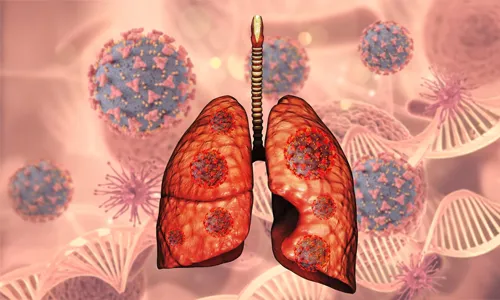
The COPD medical condition includes two main problems:
- Chronic bronchitis – inflammation and mucus buildup in the airways
- Emphysema – damage to the air sacs (alveoli) in the lungs
Together, they reduce airflow and oxygen exchange. This makes everyday activities like walking or climbing stairs feel exhausting.
5 Major Causes of COPD
1. Smoking (Primary Cause)

Smoking is the leading cause of COPD worldwide.
Cigarette smoke damages lung tissue, inflames airways, and destroys the tiny air sacs responsible for oxygen exchange.
The longer and heavier a person smokes, the greater the risk. Even secondhand smoke increases the likelihood of developing COPD.
2. Long-Term Exposure to Air Pollution
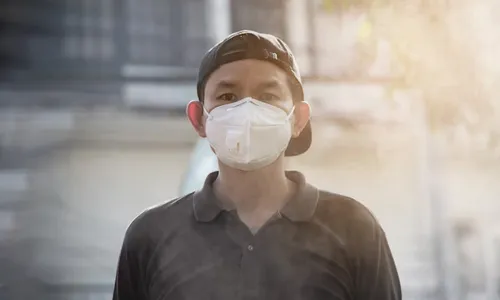
Outdoor air pollution and indoor smoke exposure can contribute to lung damage.
This includes:
- Industrial pollutants
- Vehicle exhaust
- Burning biomass fuels (wood, coal, crop residue)
In poorly ventilated environments, repeated exposure significantly increases the risk.
3. Occupational Dust and Chemical Fumes

Certain jobs carry higher COPD risk due to prolonged inhalation of irritants.
Common exposures include:
- Construction dust
- Mining particles
- Chemical vapors
- Factory fumes
Over time, these irritants inflame and scar lung tissue.
4. Genetic Factors (Alpha-1 Antitrypsin Deficiency)
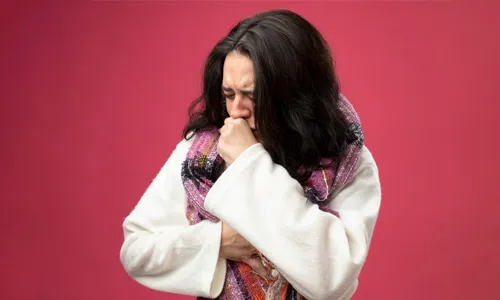
Although less common, genetics can play a role.
A rare inherited condition called alpha-1 antitrypsin deficiency reduces the lungs’ protection against damage. Individuals with this deficiency can develop COPD even if they have never smoked.
5. Recurrent Respiratory Infections
Frequent lung infections during childhood or adulthood can contribute to weakened lung structure. Repeated inflammation may impair lung growth or damage airway function, increasing susceptibility later in life.
Symptoms of COPD
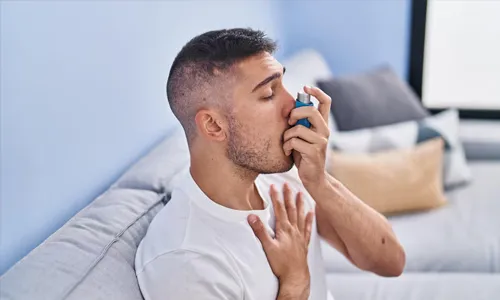
Symptoms of COPD often develop gradually and may be mistaken for normal aging or reduced fitness.
Common symptoms include:
- Persistent cough
- Excess mucus production
- Shortness of breath, especially during activity
- Wheezing
- Chest tightness
- Frequent respiratory infections
- Fatigue
As the condition progresses, breathing becomes increasingly difficult.
Early detection improves management outcomes.
Risk Factors for COPD

Several risk factors increase the likelihood of developing COPD:
- Smoking (current or past)
- Secondhand smoke exposure
- Air pollution
- Occupational exposure to irritants
- Genetic predisposition
- Age over 40
- History of childhood respiratory illness
Having one risk factor does not guarantee disease, but multiple factors significantly increase the risk.
COPD is preventable in many cases.

Identifying the causes of COPD early allows individuals to:
- Stop smoking
- Improve air quality exposure
- Use protective equipment at work
- Seek early medical evaluation
Because COPD is progressive, prevention and early intervention are critical.
FAQs
Is COPD curable?
No, COPD is not curable. However, treatment can slow progression and improve quality of life.
Can non-smokers get COPD?
Yes. Long-term exposure to pollution, workplace irritants, or genetic factors can cause COPD.
What happens if COPD is untreated?
Untreated COPD can lead to worsening breathing difficulty, infections, heart strain, and reduced life expectancy.
COPD does not develop overnight.It builds quietly through repeated lung irritation and damage. Avoiding smoke, limiting exposure to pollutants, and recognizing early symptoms can significantly reduce long-term complications.
When it comes to breathing, small protective decisions today can preserve lung function for years to come.