
If you’ve ever wondered how to breathe cleaner air at home, you’re not alone. I remember when my friend switched to natural cleaners after her toddler developed unexplained sneezing fits. It turned out the culprit was right under her nose—literally—in the scented spray she used daily. From traffic pollution drifting indoors to indoor toxins we unknowingly use, the air in our homes isn’t as pure as we think. Here are 8 practical, expert-backed ways to improve the air you breathe—because clean air should begin at home.
1. Invest in an Air Purifier That Actually Works
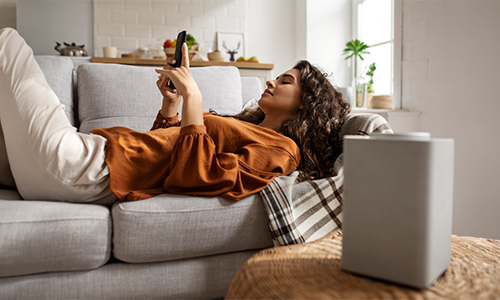
According to the Environmental Protection Agency (EPA), HEPA filters can remove 99.97% of airborne particles larger than 0.3 microns.
Not all air purifiers are created equal. Dermatologists and pulmonologists alike suggest using a HEPA-certified air purifier—especially if you live in cities with high air pollution or seasonal smog. These devices filter out fine particulate matter (PM2.5), pollen, dust mites, and even some bacteria.
2. Open Your Windows—Strategically
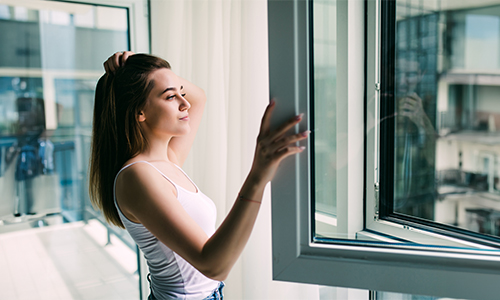
Yes, outdoor air can be polluted, but stale indoor air is no better. Crack open your windows in the early morning or after it rains—these are usually the cleanest times of day. Proper ventilation reduces indoor pollutants like CO2 and volatile organic compounds (VOCs).
Create a cross-breeze by opening windows at opposite ends of a room to flush out the bad air.
3. Say Goodbye to Artificial Fragrances
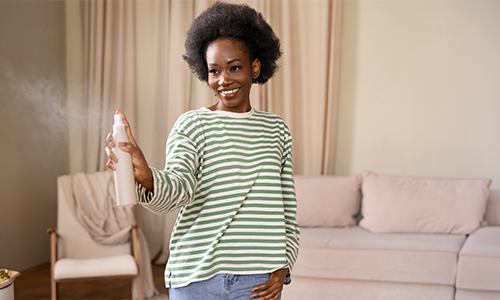
Scented candles, plug-ins, and aerosol sprays might smell divine, but many release VOCs that linger in the air and irritate your lungs. You’re basically “decorating your air” with chemicals.
You Are Washing Your Face Wrong—Oops, Wrong Blog? Nope, it’s the same principle. Just because something smells fresh doesn’t mean it’s clean.
Switch To: Essential oil diffusers (in moderation), beeswax candles, or fresh flowers.
4. Keep Houseplants (But Not Just Any Plant)
Plants aren’t miracle air purifiers, but some do help absorb certain toxins. My colleague swears by her peace lily and snake plant combo—not only do they look great, they also help reduce indoor formaldehyde.
Thinking aloe vera is only for burns—it’s a great air-cleaner too!
5. Control Humidity (Mold’s Best Friend)
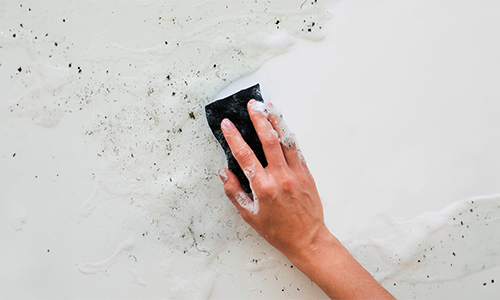
High humidity encourages mold and mildew growth, especially in bathrooms and kitchens. Invest in a dehumidifier if you live in a damp area. Ideal indoor humidity? Between 30%–50%.
Pro Tip: Use a humidity monitor (hygrometer) to track levels.
6. Ditch the Shoes Indoors
You walk through pesticides, dust, and even bacteria-laden sidewalks. Bringing those shoes inside is like inviting germs to dinner. I started leaving my shoes outside after my neighbor’s toddler kept getting sick. It helped more than you'd imagine.
7. Clean Your Air Filters (You’d Be Shocked)
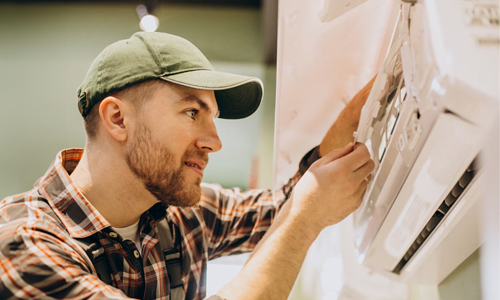
Whether it’s your HVAC, AC, or kitchen chimney—dirty filters blow dirty air. Clean or replace them every 3 months, or monthly if you have pets. Ignoring air vents during house cleaning can result in dust buildup and poor airflow.
8. Choose Natural Cleaning Products
Most commercial cleaners contain ammonia, bleach, or synthetic fragrances. When I switched to vinegar and baking soda sprays, not only did my kitchen sparkle, but my seasonal cough mysteriously disappeared.
What People Often Ask About Clean Indoor Air
Can indoor air be more polluted than outdoor air?
Yes. The EPA says indoor air can be 2–5 times more polluted than outside air, especially in poorly ventilated homes.
Are air purifiers safe for babies and pets?
Yes, but choose ozone-free, HEPA-based models. Always check for certifications.
What are signs that my indoor air is dirty?
Recurring cough, sinus problems, excessive dust buildup, and musty smells can all signal poor air quality.
How often should I ventilate my home?
Daily, for at least 10–15 minutes, ideally during low-traffic hours or post-rain.
Do air-purifying plants really work?
They help, but they aren’t a replacement for good ventilation or HEPA purifiers. Think of them as “green helpers,” not sole solutions.
You don’t need expensive tools or a complete home makeover to breathe cleaner air at home. Simple swaps—like better filters, natural cleaners, and a bit of fresh air—can make a big difference. Your lungs (and your skin!) will thank you. I’ve seen it happen in my own circle—sometimes the smallest changes make the biggest impact.