
Table of Content
- Keep Your Body Hydrated
- Sticking to the BRAT Diet
- Ginger
- Apple Cider Vinegar
- Peppermint
- Basil
- Fenugreek Seeds
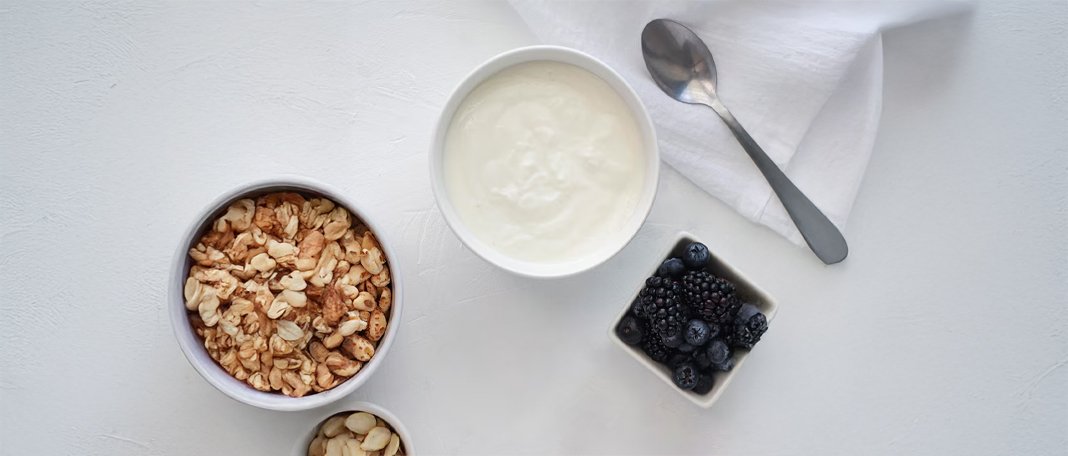
- Yogurt
- Lemon
- Garlic
- Honey
- Apples
- Cumin Seeds
- Rest and Relaxation
14 Home Remedies for Food Poisoning
Nothing ruins a normal day faster than sudden nausea, stomach cramps, vomiting, or nonstop trips to the bathroom after a meal that seemed perfectly fine just hours earlier. Food poisoning can hit like a storm, leaving you weak, dehydrated, exhausted, and unsure of what to eat or drink next. In many cases, contaminated food or water carrying bacteria, viruses, or toxins is the culprit behind these painful symptoms. The good news is that mild cases often improve with rest, hydration, and simple home remedies that help calm the stomach and support recovery. Still, some symptoms such as high fever, severe dehydration, bloody diarrhea, or persistent vomiting should never be ignored and may require immediate medical care. Before you reach for medications, here are some effective home remedies for food poisoning that may help your body recover safely and naturally.
1. Keep Your Body Hydrated

The first rule of thumb when dealing with food poisoning is to keep yourself hydrated. As water is the universal healer, drink plenty of water during food poisoning as it flushes the toxins out of the body. Avoid caffeinated or sugary drinks, as they can irritate your stomach further.
2. Sticking to the BRAT Diet
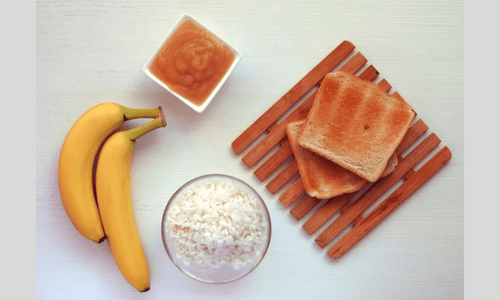
When your stomach is feeling queasy, treat it with the BRAT diet – bananas, rice, applesauce, and toast. These bland foods can help soothe nausea and diarrhea. Plus, they provide essential nutrients to help your body recover. You can also add clear broths to your diet.
3. Ginger
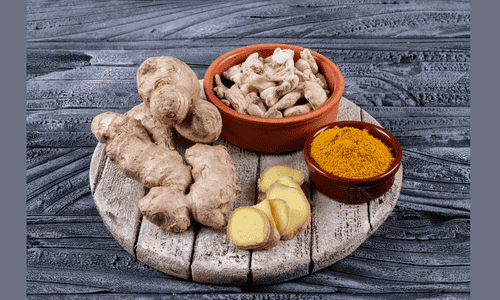
Ginger has long been hailed as a natural remedy for digestive issues, including nausea and vomiting. Sip on ginger tea or chew on a small piece of fresh ginger to help calm your upset stomach. You can also try ginger candies if you prefer.
Also Read: Ginger Water Health Benefits
4. Apple Cider Vinegar
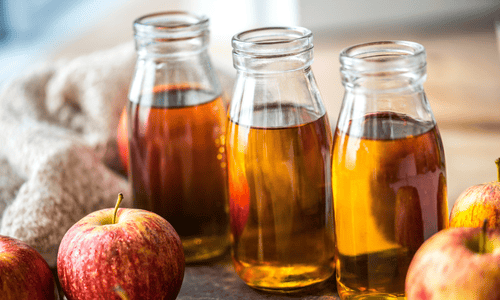
Due to its alkaline effect, apple cider vinegar is considered one of the best treatments for food poisoning. The alkaline in the apple cider vinegar reduces the acidity in the stomach, thereby providing relief to stomach troubles.
Also Read: Benefits of Apple Cider Vinegar
5. Peppermint
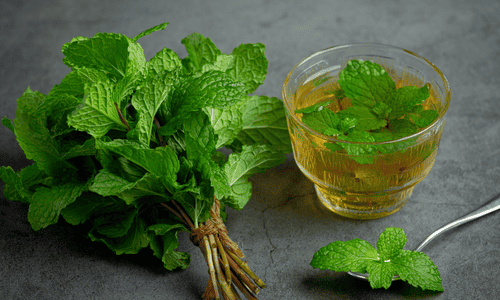
Peppermint is another herb that can help alleviate symptoms of food poisoning. Drink peppermint tea or chew on fresh peppermint leaves to ease stomach discomfort and promote digestion.
6. Basil
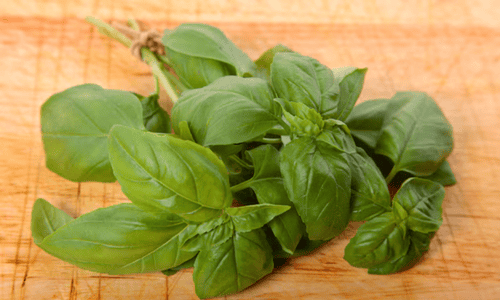
One of the best herbs against food poisoning is basil (tulsi). Consuming basil juice or basil tea has a positive effect on your digestive tract. It also maintains the pH level by balancing the amount of acid in the body.
Also Read: Health Benefits of Basil Seeds
7. Fenugreek Seeds
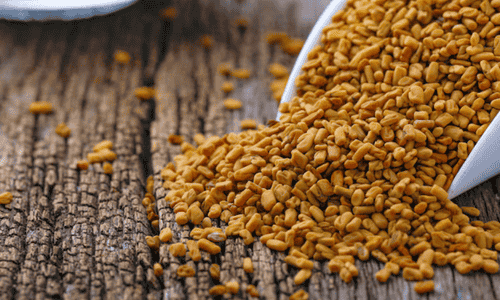
As fenugreek seeds contain high levels of soluble fiber, they absorb the water content from the stools, thereby resulting in its bulkiness. This property helps in treating stomach discomforts like diarrhea, dysentery, etc.
8. Yogurt
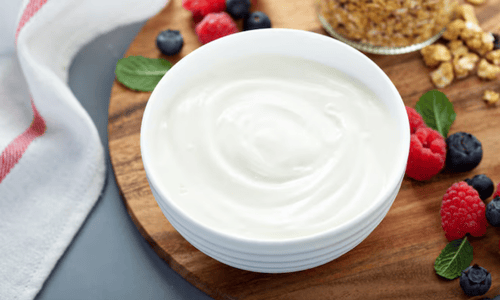
We all include yogurt in our regular diet. But do we all know that it has antibacterial properties? It fights against the harmful bacteria that cause food poisoning. So, consume yogurt to feel better during this time.
Also Read:4 Surprising Uses Of Yogurt
9. Lemon

There is a saying that, “Lemon is the king of remedies”. It has antibacterial, antiviral, and anti-inflammatory properties. You can dilute it with water and drink it for best results.
Also Read: Benefits of Lemon for Healthy Living
10. Garlic
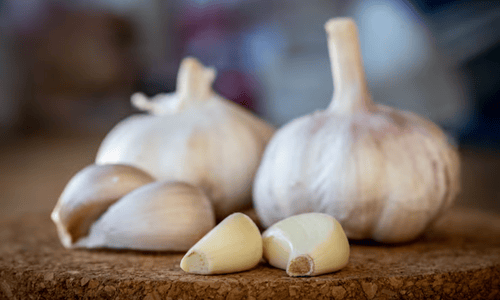
Garlic is generally used in traditional medicine. It has antipyretic, antiviral, antibacterial, and antifungal properties. By swallowing one clove of garlic with water you can get relief from symptoms, such as diarrhea and abdominal pain.
11. Honey

We all love honey. It is the sweetest remedy for food poisoning. Due to its antibacterial and antifungal properties, it is considered one of the effective home remedies for food poisoning. You can either have honey in its pure form or with tea, lemonade, lukewarm water, etc.
Also Read; Is Food Poisoning Contagious
12. Apples
We have all heard the famous saying about apples from our childhood days. Any guesses? Yes! “An apple a day keeps the doctor Away”. Apple plays a major role in reducing the heartburn and reflux caused by food poisoning.
Also Read: Green Apple Health Benefits
13. Cumin Seeds
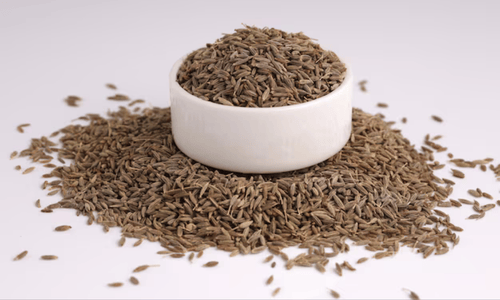
One of the popular home remedies for food poisoning is cumin seeds or jeera. It induces the digestive enzymes and rapidly flushes out the toxins. You can consume jeera water 2-3 times a day.
How to Prevent Food Poisoning
Food poisoning is no fun, but the good news is there are steps you can take to prevent it!
Here are some key practices to follow:
Clean:
Wash your hands thoroughly with soap and warm water for at least 20 seconds before, during, and after preparing food, especially after handling raw meat, poultry, or seafood.
Wash all surfaces and utensils that come into contact with raw food before using them for cooked food.
Separate:
Keep raw meat, poultry, seafood, and eggs separate from cooked foods and other produce in your shopping cart, refrigerator, and on countertops. This helps prevent cross-contamination, where juices from raw foods drip onto cooked foods or produce.
Use separate cutting boards for raw meat and produce to avoid transferring bacteria.
Cook:
Cook food to safe internal temperatures. Use a food thermometer to ensure proper cooking, as color alone isn't always a reliable indicator. Here are some recommended temperatures:
Beef: 160°F (71°C)
Poultry: 165°F (74°C)
Fish: 145°F (63°C)
Chill:
Refrigerate perishable foods promptly, ideally within 2 hours of cooking or purchasing. Keep your refrigerator at 40°F (4°C) or below and your freezer at 0°F (-18°C) or below.
Defrost frozen food in the refrigerator, microwave, or under cold running water. Never thaw food at room temperature.
Reheat leftovers to an internal temperature of 165°F (74°C).
Rest and Relaxation

Last but not least, give your body the rest it needs to recover fully and faster. Always remember, your health comes first! It is always recommended to take off from school or work to feel better during food poisoning.
FAQs About Food Poisoning and Home Remedies
1. What is the fastest way to recover from food poisoning at home?
The fastest way is to stay hydrated with electrolyte-rich fluids, get plenty of rest, and eat bland foods like toast or rice. Ginger tea, apple cider vinegar, and activated charcoal may also help ease symptoms naturally.
2. How long does food poisoning last?
Most cases of mild food poisoning resolve within 12 to 48 hours. However, symptoms can last up to a week depending on the severity and type of bacteria or toxin involved.
3. What can I drink to stop food poisoning?
Stick to clear fluids like water, oral rehydration solutions (ORS), ginger tea, coconut water, and diluted apple cider vinegar. Avoid caffeine, alcohol, and sugary drinks, which can worsen dehydration.
4. Can lemon or ginger cure food poisoning?
Lemon’s natural acidity may help kill harmful bacteria, while ginger soothes the stomach and reduces nausea. Though they don’t “cure” food poisoning, they can offer supportive relief alongside hydration and rest.
5. When should I see a doctor for food poisoning?
Seek medical attention if you have high fever (over 101.5°F), blood in stool or vomit, dehydration symptoms (dry mouth, no urine), or symptoms lasting more than 3 days.
6. Is yogurt good for food poisoning recovery?
Yes, plain yogurt with probiotics can help restore gut bacteria balance after food poisoning. Avoid dairy products initially if you're vomiting or have diarrhea, and introduce yogurt only when symptoms ease.
7. Can food poisoning go away without treatment?
Yes, most mild cases resolve without medical treatment. The key is to stay hydrated and rest. Severe cases may require antibiotics or hospitalization, especially in vulnerable individuals.
8. Should I eat during food poisoning?
Once vomiting subsides, start with bland, easy-to-digest foods like rice, toast, applesauce, and bananas. Avoid spicy, greasy, or heavy meals until you feel better.
9. What are the first signs of food poisoning?
Early symptoms typically include nausea, vomiting, diarrhea, stomach cramps, and sometimes fever. Symptoms may appear within hours or take a few days after consuming contaminated food.
10. How can I avoid food poisoning in the future?
Practice Food Safety: wash hands and produce, cook meats thoroughly, avoid cross-contamination, refrigerate leftovers promptly, and avoid consuming food past its expiration date.
While these home remedies can provide relief from mild cases of food poisoning, it's essential to seek medical attention if your symptoms persist or worsen. So, next time when you feel under the weather try these home remedies for food poisoning and bounce back to your food-loving self.