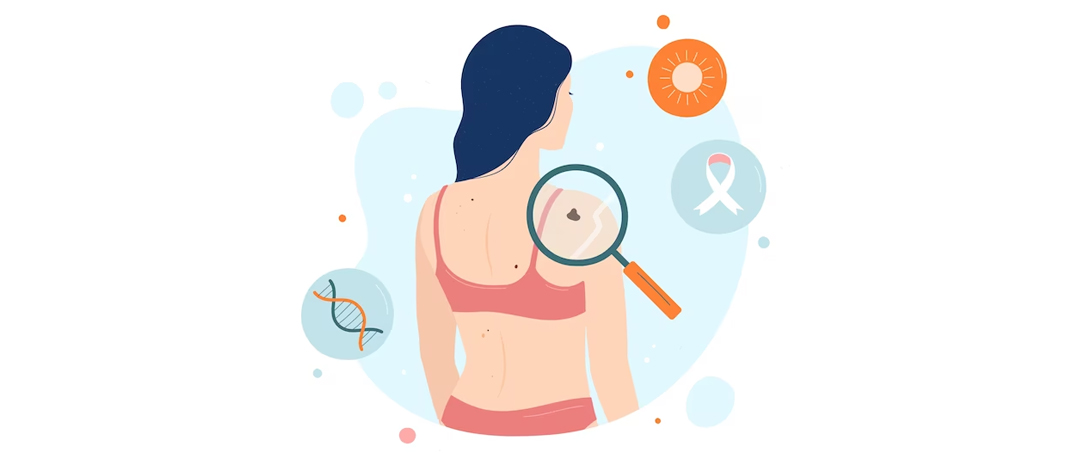
Skin cancer is a disease that occurs when the skin cells grow out of control and form malignant tumors. Skin cancer is one of the most common types of cancer, but it is said to be preventable and has the easiest cure when diagnosed properly and treated well. This can sometimes occur due to the damage to skin cells from ultraviolet (UV) radiation from the sun, tanning beds, or sun lamps. Skin cancer can affect people of all skin tones, including those with darker complexions. Know more about the ways to prevent skin cancer by reading this blog
Causes and Symptoms of Skin Cancer
As stated earlier, the main cause of skin cancer is the skin's exposure to ultraviolet (UV) rays from the sun or tanning beds. And, this can happen to anyone. Apart from these causes, there are many other reasons such as genetics, sun exposure history, skin type, and age.
Causes
1. Genetics
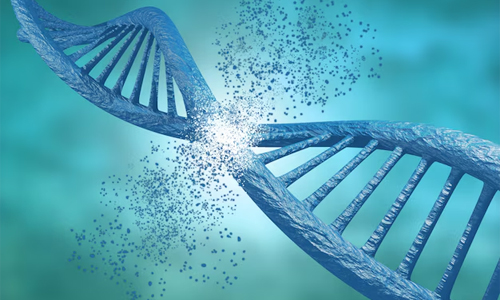
Another cause of skin cancer can be rare inherited conditions like Gorlin syndrome or Xeroderma pigmentosum (XP), which can increase the chances of skin cancer.
2. History of Sun Exposure
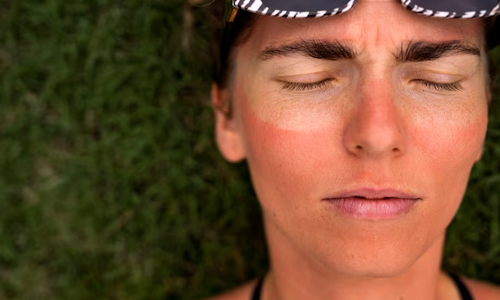
The chances of skin cancer can increase every time you get sunburnt, especially in your childhood and during adolescence.
3. Skin Type

Skin cancer can hit any skin tone, be it pale skin, blue eyes, or fair hair. Pale-skinned people have more chances of developing skin cancer because they have less melanin, which is a protective pigment that shields against UV radiation. But this does not mean that people with darker skin tones will not be affected by UV rays. They are also prone to getting skin cancer.
4. Age

The risks of skin cancer increase with age due to accumulated exposure to ultraviolet radiation from the sun. It can occur in younger people also when they spend a lot of time in the sun without protection. However, older people are more likely to develop non-melanoma skin cancer.
5. Other Causes
Exposure to things like coal or arsenic compounds, or repeated exposure to X-rays, scars, immune suppression, and smoking can also be the reasons for skin cancer.
Symptoms
Symptoms of skin cancer can differ sometimes and look like a non-cancerous skin condition.
If you find any of these symptoms then it's time for you to consult a doctor.
- A new spot on the skin or a change in the size, color, or shape of a particular spot can be a sign.
- When a sore doesn't heal for more than four weeks or bleeds, or you find a scab that doesn’t heal for more than four weeks, then a doctor's appointment is a must.
- If there is a small shiny, pink or red, slow-growing lump on the skin.
- A red patch on your skin that is rough, or scaly.
- A mole in a different size, color, or size, or that has an irregular border.
- Sores that look crusty and have a depression in the middle or bleed often.
If you find any of these symptoms, then you should consult a dermatologist.
Types of Skin Cancer
Skin cancer can be categorized into three types. It begins in the epidermis, which is made up of three kinds of cells, called Squamous cells, Basal cells, and Melanocytes.
1. Basal Cell Carcinoma (BCC)
This is the most common type of skin cancer and accounts for about two out of three cases. Basal cell carcinoma usually develops in places like the head, face, and neck, and it is often diagnosed in middle-aged or older people.
2. Squamous Cell Carcinoma (SCC)
Squamous Cell Carcinoma occurs in about one in three cases of skin cancer. It can develop from actinic keratoses, a precancerous skin growth caused by too much exposure to the sun.
3. Melanoma
It is the most dangerous and deadly type of skin cancer. It develops from Melanocytes, the cells that produce melanin and color the skin. It first appears as a new spot or a change in an existing mole or freckle. Melanoma can spread to other parts of the body, including vital organs like the brain and liver.
Prevention Methods for Skin Cancer
Most skin cancers are easily preventable when you know how to protect yourself and follow these guidelines.
Practice Sun-Safety Procedures
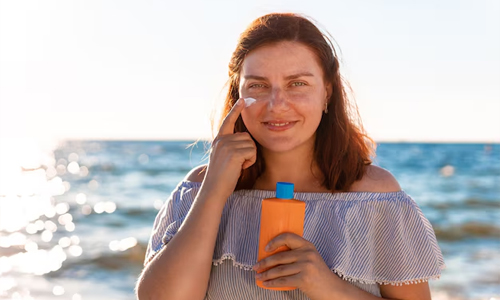
Ensure you avoid going out between 10 AM and 4 PM when the UV rays are at their strongest. Wear protective clothing like long sleeves, long pants, a wide-brimmed hat, and sunglasses that block UVA and UVB rays. Always use sunscreen with an SPF of at least 30 and re-apply every two hours if you're active outside.
Prevent Indoor Tanning

Avoid using indoor tanning elements like tanning beds, booths, and sun lamps that expose you to high levels of UV radiation. These can cause skin cancer, premature skin aging, or cataracts.
Make Regular Skin Checkups
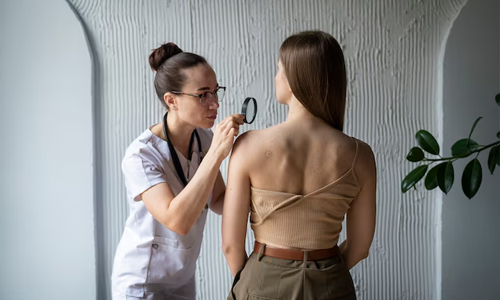
Make frequent visits to your dermatologist if you find any new or changing moles, freckles, or spots. Get it treated immediately when you see some mild changes in your skin.
Know the Signs
If you happen to see a slight change in your skin like a growth or a mole that has not healed for a long time, or any change in an old mole, you must be cautious because these are the most common signs of skin cancer. You can self-examine yourself at times before going to the dermatologist when you start feeling spots or anything changing, itching, or bleeding. Early diagnosis can help you get treated soon.
Some cancers like skin cancer are easily treatable, only when you learn about their types, causes, and symptoms. This blog sheds light on all the above topics and helps you understand and prevent skin cancer before it gets to you.