

As an adult, you realize when you are in stress but it is not the same with kids. Did you know stress can affect kids too? But their emotional intelligence cannot just express it. For kids, stress just feels different, uncomfortable, and scary. Interestingly, experts believe that some kind of stress is good. Especially the ones that prepare them to face new challenges or test their skills. Good stress sticks around for some time and then goes away. However, long-term stress can cause brain damage. It can make them sad, decrease their appetite, and show less interest in things that they usually enjoy. The best you can do for them is to notice the signs and symptoms of stress in kids based on their emotional and behavioral cues and provide necessary guidance in their tough times.
What Causes Stress in Children?
Here are some of the known reasons that can cause stress in kids.
- Separation Anxiety
- Family changes
- Academic pressure
- Change of location
- New friends
- Overscheduling
- Disasters
- Violence
- Puberty
- Abuse
- Bullying
- Scary movies and books
Signs and Symptoms of Stress in Kids of All Age Groups
If you know what to look for, you'll be able to recognize when your kid is experiencing stress. Kids react to stress in their own way and it need not be the same as how an adult would handle it. If you can identify the common signs of stress in kids, you can provide proper care.
Toddlers to Young Children (Ages 4-7)
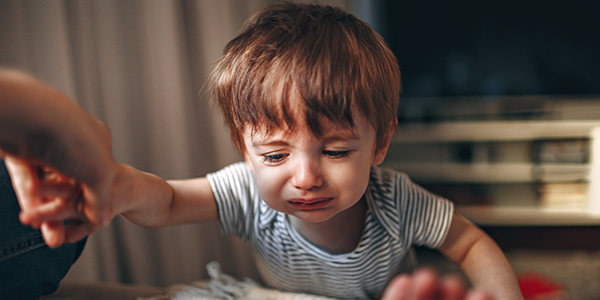
You may notice toddlers and young children showing stress in physical forms. You may hear them complaining of tummy aches often. This is due to the chemical reaction in their body that sends pain signals to the brain when a kid is under stress. The most common signs of stress in kids of age 4-7 years include:
- Wetting the bed (After being potty trained)
- Toileting accidents
- Sucking thumb
- Trouble paying attention
- Temper
- Separation anxiety
- Trouble eating and sleeping
Older Children (Ages 7-10)
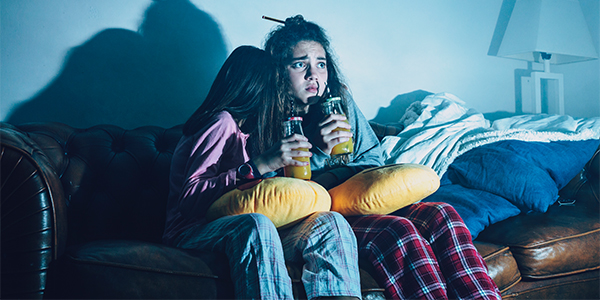
Your kids may often look worried, confused, and annoyed when stressed. Here are some of the warning signs you need to know. But, remember, these do not always mean stress. It can even be a sign of behavioral changes and growth.
- Change in eating or sleeping habits
- Emotional changes such as sadness, anger, clingy
- Uncontrollable tantrums
- Nightmares and fear to sleep
- Stomach aches, headaches, and other physical pain
- Change in bowel movements
- Avoiding people [certain people]
- Increased fear and anxiety
- Need for repeated reassurance
Teens, Tween, and Young Adults (Ages 11-18)
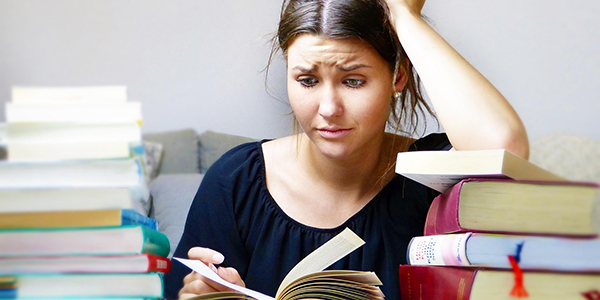
Smart Parenting Tips To Notice Signs And Symptoms Of Stress In Kids
Handling kids of this age group is tough for parents. But we've got you covered.
- Physical pain such as headaches, stomach aches, etc.,
- Nausea
- Sleep issues such as insomnia, nightmares, hypersomnia, and so on
- Anger
- Crying and sadness
- Academic issues
- Refusal behavior
- Changes in social behavior
- Poor eating habits
- Compulsion or obsessions
How to Address Stress in Children?
1. Stay Calm
If you notice any symptoms of stress in kids, you need to acknowledge their feelings and stay calm. If you find something is bothering them, try to observe them before you jump into a conversation. Be very careful and try to ask questions without hurting their feelings.
2. Follow a Schedule
You need to maintain daily routines like going to school, feeding time, playtime, and so on. If you can follow a schedule/activity it will help kids to destress.
3. Sleep
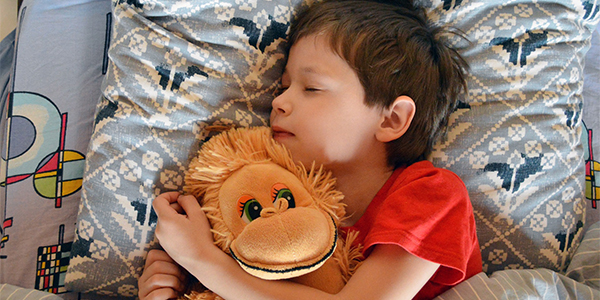
It is essential for them to sleep for 10-12 hours a day for physical and emotional well-being. Sleep needs to be their priority so limit their screen time and ensure they sleep well.
4. Exercise
Physical activity is an essential stress reliever for all ages. It is important for kids to engage in different kinds of activities to stay fit and happy. Find out how many hours of exercise your kids need to improve self-esteem and decrease the risk of obesity.
5. Talk, Talk, and Talk
You need to talk to them during stressful situations to help kids and teens. Provide them with solutions and teach them different perspectives

6. Family Time
Spending time with family can reduce stress in an effective way. It will also improve their overall well-being.
7. Give Them a Break
Do not enroll them in a lot of activities. Make sure they can focus on what they love to do. It is okay to skip their dance class one day and take a break.
8. Promote Healthy Habits
Teach them to combat negative thinking, participate in mindfulness, and teach them the positive aspects of life. It will help them to deal with stress on their own. You can even try some of these stress-relief drinks.

Give a lot of Love, Hugs, and Kisses
Daily cuddles, kisses, and hugs can make your kid feel more comfortable. It gives them assurance and confidence.
Frequently Asked Questions
What are common signs that a child is stressed?
Look for mood swings or irritability, changes in sleep or eating habits, frequent headaches/stomachaches, withdrawal from friends or activities, or sudden school performance drop.
Can stress in children show up as physical symptoms?
Yes — stress may cause headaches, stomachaches, fatigue, sleep troubles, loss of appetite or overeating, and general body aches without clear medical causes.
How might a stressed child behave differently socially or emotionally?
They may withdraw, become clingy, avoid friends or family, act worried or fearful, show irritability or unexplained anger, or lose interest in hobbies.
Could changes in school behaviour signal stress?
Yes — difficulty concentrating, declining grades, reluctance to attend school, procrastination or sudden disinterest in schoolwork can all indicate stress.
Are sleep or appetite changes linked to stress?
Absolutely — stress may lead to trouble sleeping, nightmares, bed-wetting, or disrupted sleep cycles; and cause either increased or decreased appetite.
What should parents do if they suspect their child is stressed?
Gently talk to them about feelings, maintain a calm supportive environment, observe patterns, encourage healthy habits (sleep, diet, play), and seek professional help if stress persists.
Are stress reactions in children always obvious?
No — some kids may hide stress, appear fine outwardly, yet struggle internally; small signs like subtle mood changes, quiet withdrawal, or avoidance can matter.
When should a parent consider consulting a professional?
If stress symptoms (emotional, behavioral or physical) persist over weeks, interfere with daily life, or worsen despite support — seeking professional guidance is wise.
Stress won't go away on its own if you don't find out why they feel such a way. As a parent, it can be overwhelming but reach out for professional help to ensure your kids feel comfortable and safe.