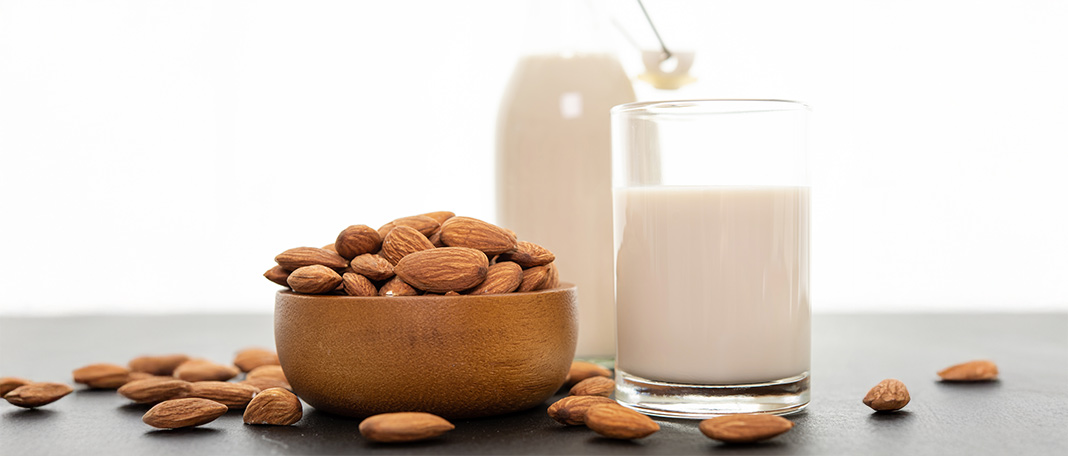
Almond milk has become a staple in many American kitchens, particularly for individuals seeking to reduce their dairy intake, manage digestive issues, or simply eat a healthier diet. But what most people don’t realize is that store-bought almond milk often looks healthier than it actually is. Many commercial versions contain added sugars, stabilizers, gums, and very little actual almond content. Learning how to make almond milk at home puts you back in control of what goes into your glass and what doesn’t.
The good news? It’s easier than most people expect, and once you make it once, you’ll likely never go back.
Why Homemade Almond Milk Is Considered Healthier
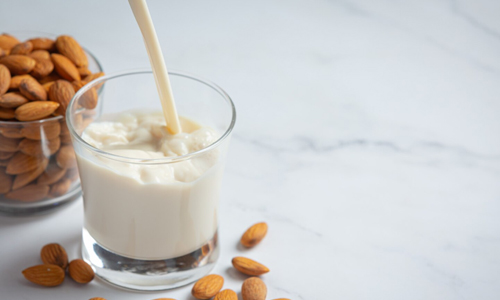
When you make almond milk at home, you’re working with whole almonds and water. That’s it. No preservatives, no emulsifiers, and no mystery ingredients.
Health Advantages of Homemade Almond Milk
- No added sugars or artificial sweeteners
- Naturally lactose-free and dairy-free
- Easier on digestion for many people
- Fresher taste and higher nutrient integrity
- Customizable for calories, thickness, and flavor
Store-bought almond milk can contain as little as 2 percent almonds, while homemade versions are significantly more nutrient-dense.
What You Need to Make Almond Milk at Home
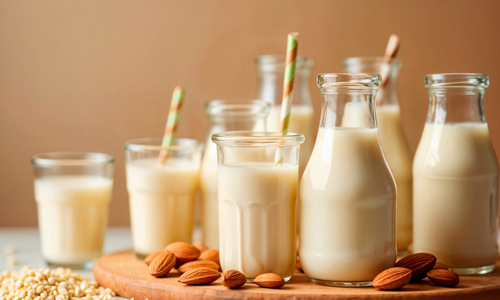
You don’t need special equipment or complicated ingredients.
Basic Ingredients
| Ingredient | Purpose |
| Raw almonds | The base of the milk |
| Filtered water | Blending and soaking |
| Optional: dates or vanilla | Light natural sweetness |
Equipment
| Tool | Why it helps |
| Blender | Breaks down almonds |
| Nut milk bag or fine strainer | Separates pulp from liquid |
| Glass jar | Storage |
How to Make Almond Milk Step by Step
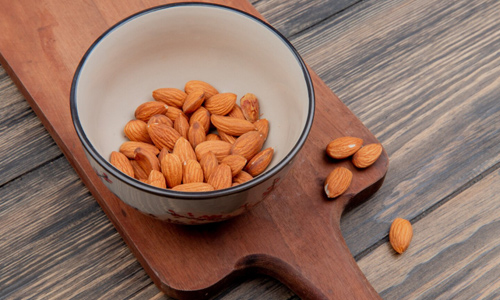
This method keeps nutrients intact while producing a smooth, clean-tasting milk.
Step 1: Soak the Almonds
Soak 1 cup of raw almonds in water for 8 to 12 hours or overnight.
- Improve digestion
- Reduce phytic acid
- Make blending easier
Drain and rinse before using.
Step 2: Blend
Add soaked almonds to a blender with 3 to 4 cups of filtered water.
Blend on high for 30 to 60 seconds until creamy.
Step 3: Strain
Pour the mixture through a nut milk bag or fine mesh strainer into a bowl or jar.
Gently squeeze to extract the milk.
Step 4: Store
Transfer the milk to a sealed glass container and refrigerate.
Homemade almond milk stays fresh for 3 to 4 days.
Almond-to-Water Ratio Guide
| Texture Preference | Almonds | Water |
| Very creamy | 1 cup | 3 cups |
| Balanced | 1 cup | 4 cups |
| Light | 1 cup | 5 cups |
Nutritional Benefits of Almond Milk
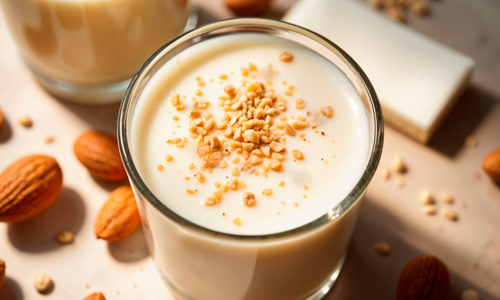
Homemade almond milk retains more of the almond’s natural benefits compared to heavily processed versions.
Key Nutrients
- Vitamin E for skin and immune health
- Healthy monounsaturated fats
- Small amounts of magnesium and potassium
- Naturally low in carbohydrates
It’s especially popular among people managing:
- Lactose intolerance
- Cholesterol levels
- Calorie-conscious diets
Is Almond Milk Good for Everyone?
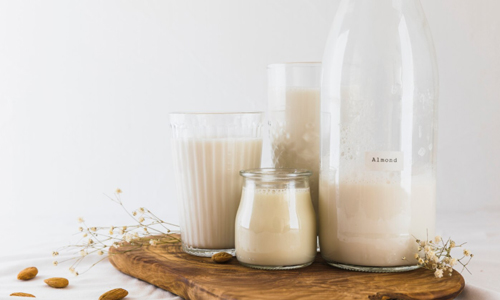
It works well for many people, but it’s not a nutritional replacement for dairy or fortified plant milks unless you plan carefully.
Keep in Mind
- Homemade almond milk is low in protein
- It does not naturally contain calcium or vitamin D unless fortified
- Not suitable for people with nut allergies
For children, pregnant women, or older adults, this milk should be part of a balanced diet rather than a primary nutrition source.
Common Mistakes to Avoid When Making Almond Milk
| Mistake | Why it matters |
| Skipping soaking | Harder to digest and blend |
| Using too much water | Thin, watery milk |
| Storing too long | Spoils quickly |
| Using roasted almonds | Alters nutrition and taste |
What to Do With Leftover Almond Pulp
Don’t throw it away. Almond pulp is still rich in fiber.
Easy Uses
Homemade vs Store-Bought Almond Milk
| Feature | Homemade | Store-Bought |
| Ingredients | Almonds + water | Often 10+ ingredients |
| Sugar | None (unless added) | Often added |
| Freshness | Very fresh | Shelf-stable |
| Nutrition | Higher almond content | Lower almond content |
How to Flavor Almond Milk Naturally
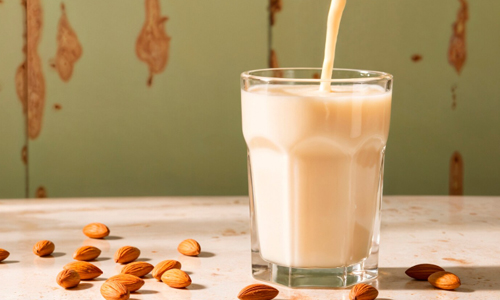
If you prefer flavored milk, keep it simple.
- 1 soaked date for light sweetness
- A dash of cinnamon
- Pure vanilla extract
- Unsweetened cocoa powder
Avoid refined sugar or flavored syrups.
How Often Should You Drink Almond Milk?
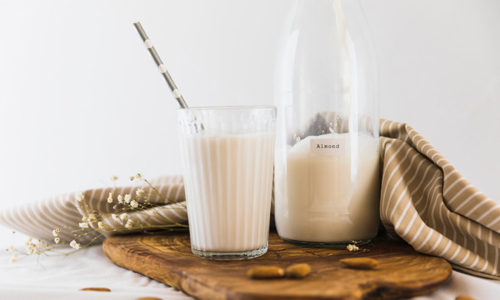
It can be enjoyed daily if it fits into your overall nutrition plan. Many people use it:
- In smoothies
- With coffee or tea
- On cereal or oatmeal
- In cooking and baking
Balance matters more than volume.
FAQs
How long does homemade almond milk last?
Typically 3 to 4 days in the refrigerator when stored in a sealed glass container.
Can you make almond milk without soaking?
Yes, but soaking improves digestion, texture, and nutrient absorption.
Is homemade almond milk healthier than store-bought?
In most cases, yes, because it avoids additives, gums, and added sugars.
Does almond milk help with weight loss?
It can support weight management when used in place of high-calorie dairy products, but it’s not a standalone weight-loss solution.
Can I heat almond milk?
Yes. Heat gently on low to avoid separating or scorching.
Is almond milk good for gut health?
Many people find it easier to digest than dairy, especially when homemade.
Learning to make almond milk at home is a small habit change that can make a meaningful difference in how clean and intentional your diet feels. It’s simple, customizable, and free from unnecessary additives.
For anyone focused on whole foods, digestive health, or reducing ultra-processed ingredients, homemade almond milk is a smart, practical choice.